- English
- French
- German
- Portuguese
- Spanish
- Russian
- Japanese
- Korean
- Arabic
- Greek
- German
- Turkish
- Italian
- Danish
- Romanian
- Indonesian
- Czech
- Afrikaans
- Swedish
- Polish
- Basque
- Catalan
- Esperanto
- Hindi
- Lao
- Albanian
- Amharic
- Armenian
- Azerbaijani
- Belarusian
- Bengali
- Bosnian
- Bulgarian
- Cebuano
- Chichewa
- Corsican
- Croatian
- Dutch
- Estonian
- Filipino
- Finnish
- Frisian
- Galician
- Georgian
- Gujarati
- Haitian
- Hausa
- Hawaiian
- Hebrew
- Hmong
- Hungarian
- Icelandic
- Igbo
- Javanese
- Kannada
- Kazakh
- Khmer
- Kurdish
- Kyrgyz
- Latin
- Latvian
- Lithuanian
- Luxembou..
- Macedonian
- Malagasy
- Malay
- Malayalam
- Maltese
- Maori
- Marathi
- Mongolian
- Burmese
- Nepali
- Norwegian
- Pashto
- Persian
- Punjabi
- Serbian
- Sesotho
- Sinhala
- Slovak
- Slovenian
- Somali
- Samoan
- Scots Gaelic
- Shona
- Sindhi
- Sundanese
- Swahili
- Tajik
- Tamil
- Telugu
- Thai
- Ukrainian
- Urdu
- Uzbek
- Vietnamese
- Welsh
- Xhosa
- Yiddish
- Yoruba
- Zulu
Powerful Crusher Manufacturer Guide for Global Industrial Buyers
Understanding what makes a powerful crusher is essential to successful procurement when sourcing industrial crushing equipment. To effectively handle different plastic garbage streams, a powerful crusher blends strong engineering, cutting-edge blade technology, and optimised crushing mechanisms. Modern, powerful crushers use two crushing processes to balance productivity with material integrity, which is different from traditional single-action crushers. This guide shows you how to choose the right maker and configuration of tools to meet your needs while keeping the total cost of ownership as low as possible.
Understanding Powerful Crushers: Key Concepts and Benefits
What Makes a Crusher "Powerful" in Industrial Applications?
Powerful crushers stand out because they can continuously break down tough materials without getting stuck or wearing out too quickly. The main idea behind the technology is a double-effect breaking process called "shear + impact" that breaks down materials most efficiently. This method is very different from other ways of breaking because it combines controlled impact forces with cutting action. The cavity structure and blade spacing are designed to handle discharge requirements greater than 2 mm. This keeps particles from being over-crushed and keeps their shape. This makes sure that the discharge is uniform above 90%, so there is no need for expensive and complicated secondary screening processes.
Core Working Principles Behind High-Performance Crushing
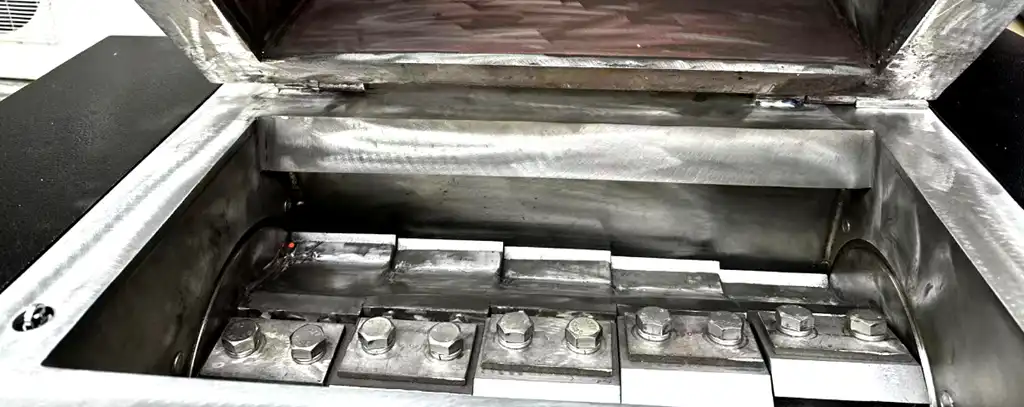
The device for crushing works with blade groups that are carefully designed and rotate at the best speeds. Powerful crushers use blade shape and spacing to produce uniform flake sizes, unlike hammer mills, which grind materials randomly. When working with flexible materials like films, woven bags, and fabric, the built-in anti-winding comb tooth design keeps the machine from getting stuck. This new design solves one of the biggest problems that reusing plastic has been facing for a long time. When the material goes into the crusher room, curved blades quickly cut and shear the plastic into uniform pieces. At the same time, the impact force breaks down the harder parts without making too many fines or powder impurities.
Tangible Benefits for Industrial Operations
When properly specified, crushing equipment is used, which leads to measurable improvements in several operational metrics. Throughput rates that are higher lead to higher productivity, and new designs that are more efficient than traditional ones boost efficiency by over 20%. Less energy is used because the motors are better matched and there is less resistance in the crushing area. When equipment has wear-resistant parts and designs that keep it from jamming, operational reliability goes up by a huge amount. Even when processing streams of different materials, these machines keep the quality of their output consistent. This is very important for keeping downstream processing efficient in recycling operations.
Essential Performance and Design Features to Consider
Critical Technical Parameters That Drive Performance
The specs for your capacity must match your real throughput needs, taking into account both normal and peak loads. The screen aperture and blade configuration determine the particle size that comes out. You can change the options from big chips to small flakes. Motor efficiency ratings are an important part of the selection process because they show how much power a motor uses and how much it costs to run. Material compatibility is more than just several hardness levels; it also takes into account things like fibre content, moisture levels, and types of contamination. Machines that deal with post-industrial waste have different problems to solve than machines that deal with post-consumer garbage.
Innovative Design Elements That Reduce Downtime
Modern, powerful crushers have features that keep maintenance to a minimum. Quick-change screen structures let you quickly change the output specifications without taking the whole thing apart. When moving between different types or colours of plastic, open-access designs make it easier to clean thoroughly. Alloy blade sets made from SKD-11/D2 tool steel or Cr12MoV special steels go through vacuum heat treatment and deep cryogenic processing to make them very hard to wear. These improved metallurgical processes make blades last longer than 3000 hours, which cuts down on the cost of replacing tools often and the time lost during production. Because the system is set up in modules, individual parts can be replaced instead of the whole system being rebuilt.
Maintenance Practices That Maximize Equipment Longevity
Setting up regular inspection schedules helps find wear patterns before they lead to failures. Regular cleaning plans keep bearings working well and stop them from breaking down too soon. Checking the temps of the bearings while they are running gives you an early sign of possible problems. Screen condition has a direct effect on output quality and throughput, so it needs to be checked regularly and replaced when needed. Blade sharpness affects both how much energy is used and how the particles are spread out. This is why blades need to be rotated or replaced regularly. The main body is made of high-strength steel plates that have been treated to relieve stress. This makes sure that the structure stays strong during long-term high-load operation, but the tightness of the fasteners should still be checked regularly.
Comparing Powerful Crushers With Other Crusher Types
Performance Distinctions Across Crusher Categories
Standard crushers usually have single-action crushing mechanisms that work well for uniform materials but not so well for waste that is mixed or tangled. Dual-action methods and specialised anti-winding features are used by powerful crushers to overcome these restrictions. Jaw crushers are great for breaking down big, hard materials into smaller pieces, but the pieces they make aren't always the same size, which makes them unsuitable for precise recycling tasks. Cone crushers work great for minerals, but they don't have the right blade shape for flexible plastics. When impact breakers work on certain types of plastic, they make too many fines, which makes it hard to separate them later. Powerful crushers find the best mix between particle purity, reduction ratio, and material flexibility.
Energy Efficiency and Operational Cost Analysis
Different types of crushers use a lot of energy in very different ways. Powerful crushers have lower processing costs per tonne because their blade shapes are optimised to lower cutting resistance. It works better because the motor's specs are exactly matched to the load needs, instead of being too big for the worst-case scenarios. When equipment has durable parts and easy-to-reach service points, it requires less upkeep, which cuts running costs even more. Another cost factor is production continuity. Designs that don't jam reduce unplanned downtime. Not only should you look at how much energy a machine uses, but you should also think about how much it costs for spare parts, how much it costs to maintain, and how much output is lost while it is being fixed.
Application Suitability and Selection Criteria
Businesses that make plastic products and handle injection-moulded parts, pipes, and profiles can benefit from having large-diameter crushers with high-torque drives. Businesses that recycle a lot of plastic need standard models that are flexible enough to handle films, rigid containers, and even tires without having to go through a lot of changeover steps. To meet strict material requirements, suppliers to big consumer goods companies put a high value on stable equipment and consistent output quality. Medium-sized to large manufacturing companies need connection features that let them put machines next to injection moulding machines so that scrap can be processed right away. Small to medium-sized recycling plants put cost-effectiveness and ease of operation ahead of features that are specific to their needs.
How to Choose the Best Powerful Crusher Manufacturer?
Evaluating Manufacturer Credentials and Capabilities
Quality certifications give proof of manufacturing standards and process controls that can't be argued with. Systematic quality management is shown by ISO certifications. Depending on your location, you may also need certifications related to safety and environmental compliance. How quickly you can fix operational problems depends on your after-sales support infrastructure. Manufacturers that sell to customers all over the world should keep their technical support lines open and active, ideally with engineers who are available at times that work for all of their customers. Downtime risks are greatly reduced when local service can be provided through dealer networks or area offices.
Aligning Equipment Selection With Business Requirements
Plastic product makers should put continuous operation and integration flexibility that lets them connect to existing production lines at the top of their list of priorities. When equipment has to handle scrap materials during multiple production shifts without planned repair windows, durability is very important. Businesses that recycle plastic need machines that can handle a variety of input streams quickly and effectively, so they can handle different types of material. The output ability of a plant is directly affected by how efficiently it crushes materials, while the cost of processing each tonne is affected by how much energy it uses. Powerful crushers are designed to handle tough materials and can separate basic crushers from those that can handle complex waste.
Procurement Factors That Ensure Long-Term Value
It's easier to stick to a budget when prices are clear and separate the costs of equipment from the costs of extra features, delivery, and installation. The warranty terms should spell out exactly which parts are covered, how long the coverage lasts, and how to get warranty service. Repairs can take days or weeks, depending on how quickly parts are available. This is why maker inventory promises and distributor stock levels are important factors for evaluation. Financing choices for large sales can help with managing cash flow, but terms vary a lot from one seller to the next. Logistics efficiency affects project timelines, so it's important to look at how well the maker can ship and how much experience they have with foreign freight handling.
Trusted Powerful Crusher Brands and Suppliers for Global Buyers
Manufacturer Profile: Specialized Expertise in Plastic Crushing
Hangzhou Xingbiao Machinery Co., Ltd. is a good example of a "specialised" maker because it has been developing and making plastic crushers for 30 years. This singular focus has generated deep technical expertise uncommon among diversified equipment suppliers. The company has a research and development team of twenty top engineers who are always making crusher designs better by using data from real-world use. Industry-university research partnerships with big companies like Nongfu Spring and KFC help researchers learn more about difficult application needs and push the boundaries of crusher technology. This partnership approach makes sure that the development of equipment stays in line with changing business needs instead of theoretical requirements.
Technical Differentiators in Xingbiao Equipment
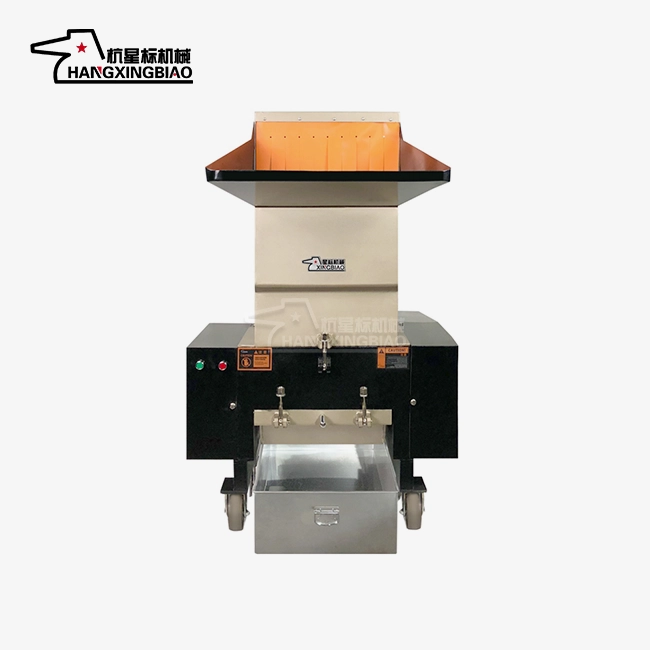
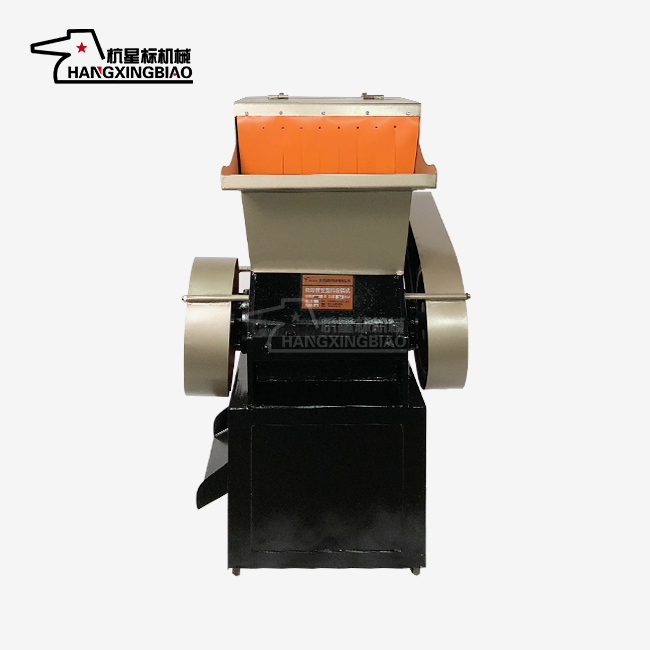
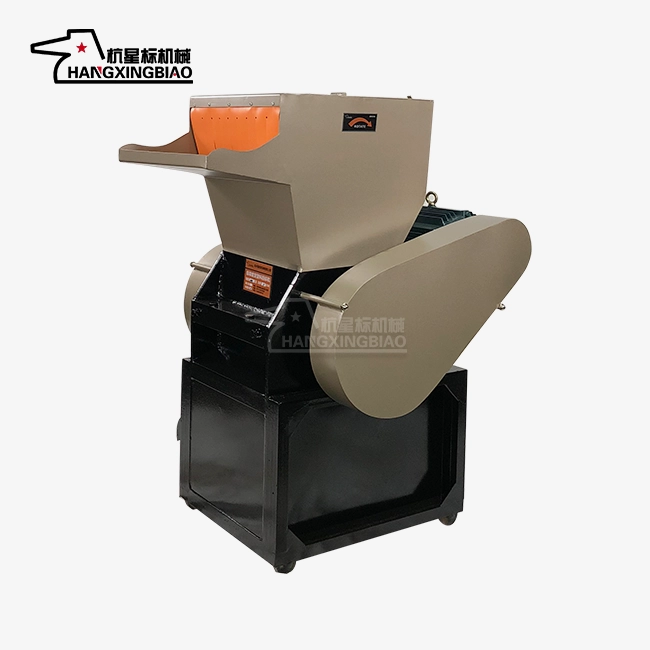
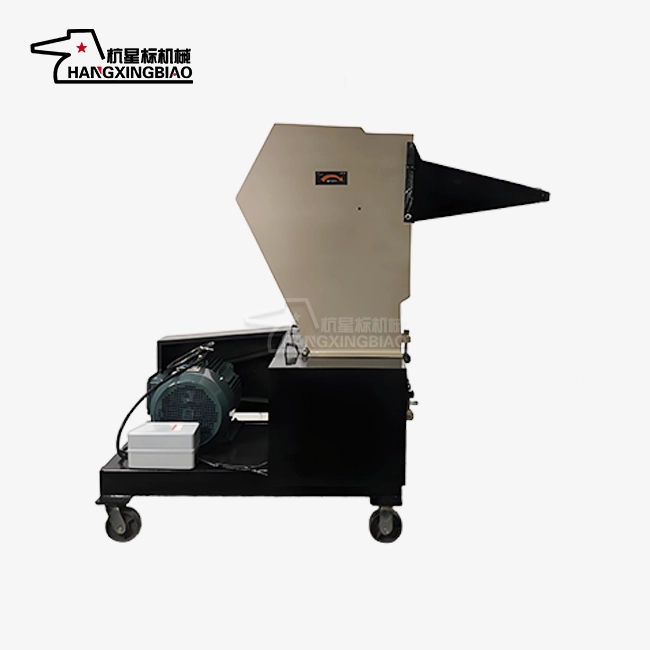
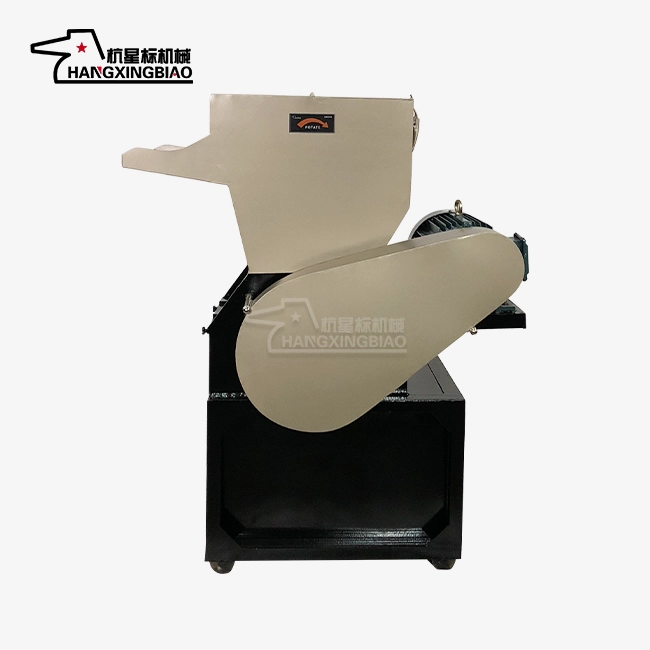
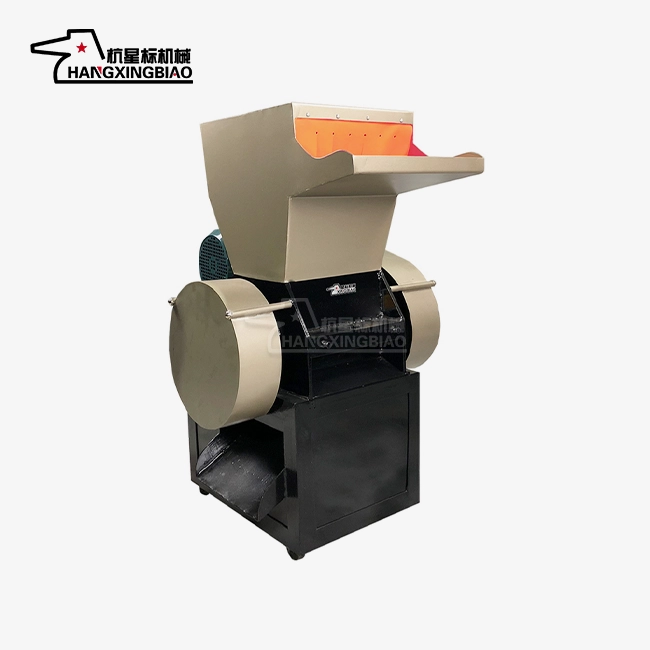
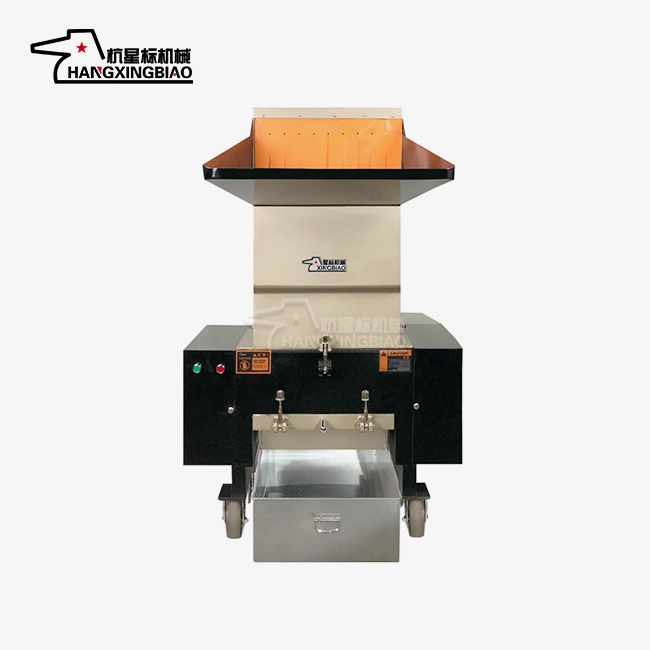
The range of products includes different designs that meet different operating needs. Large-diameter crushers can handle plastic parts, pipes, profiles, and die head materials that are too big for other machines to handle. High-power breakers that are designed to make little noise can be directly connected to injection moulding tools to recycle sprue right away. Standard crusher models can handle soft plastics like films and woven bags, which often get stuck in older models. Customised crusher configurations can handle large amounts of trash or trash that is very tangled, like trash cans and old tires. With this wide range of models, buyers can choose equipment that is perfectly matched to the properties of their materials instead of having to settle for general solutions.
Comprehensive Service Support Throughout Equipment Lifecycle
Professional experts help with the choice by carefully looking at the properties of the material, the amount of work that needs to be done, and the limitations of the integration. This meeting before the sale makes sure that the equipment specs match the real needs of the business, not just general capacity rates. Installation support includes on-site guidance and training for operators that covers how to use the equipment correctly, how to do routine maintenance, and how to fix basic problems. The promise to answer customer questions 24 hours a day reduces the risk of downtime by giving quick technical help when problems happen. By doing regular follow-up visits, potential problems can be found before they become operational ones. The manufacturer keeps enough spare parts on hand so that new parts can be sent out fast and without having to wait for long lead times that stop production. Powerful crusher performance and operational reliability are what you'll notice when you combine specialised production knowledge with quick service support.
Conclusion
Technical specifications, manufacturer capabilities, and long-term support commitments must be balanced when choosing powerful crusher equipment. Modern high-performance crushers can handle different types of plastic trash effectively thanks to their dual crushing process, anti-winding design features, and wear-resistant blade technology. When compared to generic equipment providers, specialised makers with 30 years of focused experience, wide model choices, and quick service support offer better value. Effective buying looks at not only the initial cost of the equipment, but also the total costs of owning it, such as how much energy it uses, how often it needs to be maintained, and how reliable it is in the long run.
FAQ
What maintenance services are typically included with crusher equipment purchases?
Standard maintenance service packages usually include help with installation, training for operators, and guaranteed support for problems with the way the machine was made. Comprehensive service agreements may include regular inspections, plans for preventative maintenance, and faster delivery of parts. Different makers include different things, so it's important to read the service terms carefully before buying. As normal, companies like Xingbiao offer technical help 24 hours a day, seven days a week, and regular follow-up visits. However, buyers should confirm the exact scope of the service in writing before signing any contracts.

How do financing options work for bulk crusher orders?
Manufacturers and dealers often offer financing options for sales of multiple units or full systems. There may be a fee required, payments made in stages based on manufacturing goals, and a final payment due when the product is delivered or commissioned. Some sellers give known customers longer payment terms or offer leasing options that spread costs over the life of the equipment. Letters of credit or other secured payment instruments are usually needed for international transactions. The terms can be negotiated based on the value of the order and the creditworthiness of the buyer.
How can buyers verify manufacturer certifications and quality standards?
Real certifications should be able to be checked by anyone using the group that issued the certification's record. ISO certifications come with unique certificate numbers that can be checked with the certification bodies directly. Instead of taking vague promises about quality, buyers should ask to see copies of real certificates. Third-party factory checks give you more confidence in the factory's ability to make things and its quality control systems. References from real customers who have used similar tools can tell you more about performance and service quality than marketing materials alone.
Partner With Xingbiao for Reliable Plastic Crushing Solutions
Powerful crusher buyers from around the world will find that Hangzhou Xingbiao Machinery has the specialised knowledge, tried-and-true technology, and all-around support they need to successfully implement their equipment. Our 30-year focus on developing plastic crushers alone has given us a deep knowledge of the problems that manufacturers and recyclers face. The engineering team is ready to look at your specific material properties and operational needs and suggest the best crusher configurations that balance performance, durability, and cost-effectiveness.
Email our technical experts at xingbiaocrusher@xingbiaocrusher.com to talk about your crushing needs and get personalised suggestions for equipment. You can look through our full product catalogue, technical specs, and case studies at www.xingbiaocrusher.com. These will show you how our products have been successfully used in a wide range of industrial settings. Powerful crusher performance and operational reliability are what you'll notice when you combine specialised production knowledge with quick service support.
References
1. Smith, J. M., & Anderson, K. L. (2021). Industrial Size Reduction Equipment: Technology and Applications. CRC Press.
2. Thompson, R. D. (2020). "Performance Optimisation in Plastic Recycling Machinery," Journal of Polymer Processing Technology, 15(3), 234-251.
3. Chen, W., & Martinez, P. (2022). Advanced Materials in Industrial Blade Manufacturing. Springer International Publishing.
4. Industrial Equipment Manufacturers Association. (2023). Best Practices for Crusher Selection and Operation. Technical Report Series.
5. Wilson, H. T. (2021). "Total Cost of Ownership Analysis for Industrial Crushing Equipment," Manufacturing Engineering Review, 42(2), 156-173.
6. Global Plastics Recycling Council. (2022). Equipment Standards and Performance Benchmarks for Plastic Waste Processing. Industry Guidelines Publication.
Learn about our latest products and discounts through SMS or email