- English
- French
- German
- Portuguese
- Spanish
- Russian
- Japanese
- Korean
- Arabic
- Greek
- German
- Turkish
- Italian
- Danish
- Romanian
- Indonesian
- Czech
- Afrikaans
- Swedish
- Polish
- Basque
- Catalan
- Esperanto
- Hindi
- Lao
- Albanian
- Amharic
- Armenian
- Azerbaijani
- Belarusian
- Bengali
- Bosnian
- Bulgarian
- Cebuano
- Chichewa
- Corsican
- Croatian
- Dutch
- Estonian
- Filipino
- Finnish
- Frisian
- Galician
- Georgian
- Gujarati
- Haitian
- Hausa
- Hawaiian
- Hebrew
- Hmong
- Hungarian
- Icelandic
- Igbo
- Javanese
- Kannada
- Kazakh
- Khmer
- Kurdish
- Kyrgyz
- Latin
- Latvian
- Lithuanian
- Luxembou..
- Macedonian
- Malagasy
- Malay
- Malayalam
- Maltese
- Maori
- Marathi
- Mongolian
- Burmese
- Nepali
- Norwegian
- Pashto
- Persian
- Punjabi
- Serbian
- Sesotho
- Sinhala
- Slovak
- Slovenian
- Somali
- Samoan
- Scots Gaelic
- Shona
- Sindhi
- Sundanese
- Swahili
- Tajik
- Tamil
- Telugu
- Thai
- Ukrainian
- Urdu
- Uzbek
- Vietnamese
- Welsh
- Xhosa
- Yiddish
- Yoruba
- Zulu
Plastic Shredder Manufacturer Selection Guide for Global Buyers
Your recycling business will either succeed or fail due to downtime and inefficiency if you don't pick the right Plastic shredder maker. For global B2B procurement workers in charge of plastic trash streams like injection-moulded rejects and used bottles, the choice means weighing the performance, long-term durability, and dependability of the equipment. This book explains important evaluation criteria that can help purchasing managers, plant engineers, and recycling business owners figure out what each manufacturer can do, what the machine specs are, and how to find partners who always give good value. Making smart decisions lowers operating risks and supports both sustainability goals and bottom-line performance, whether you're expanding a small recycling plant or adding shredding systems to big production lines.
Understanding Plastic Shredders: Essential Knowledge for Buyers
To choose the right shredding equipment, you should first understand how these tools break down big pieces of trash into smaller pieces that can be processed further down the line.
How do Plastic Shredders Function?
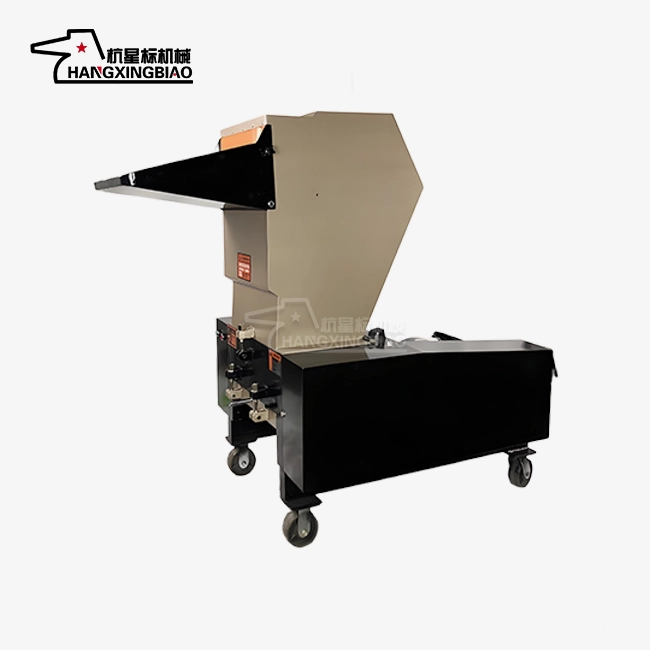
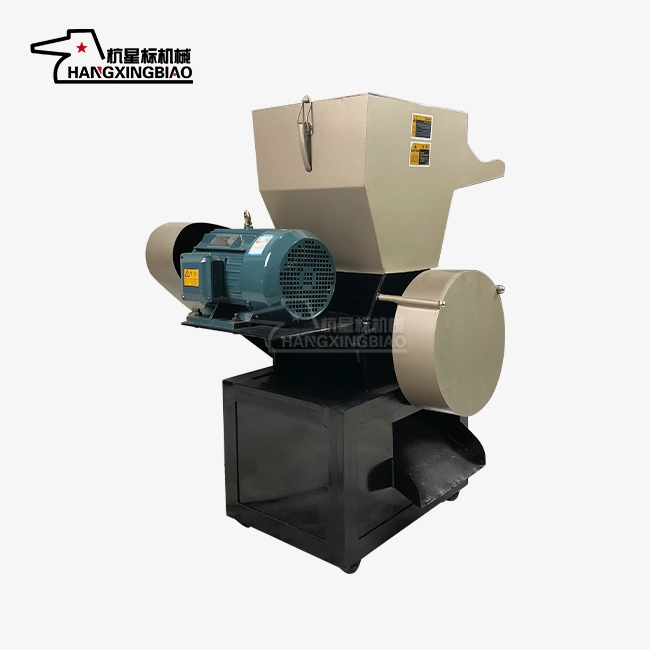
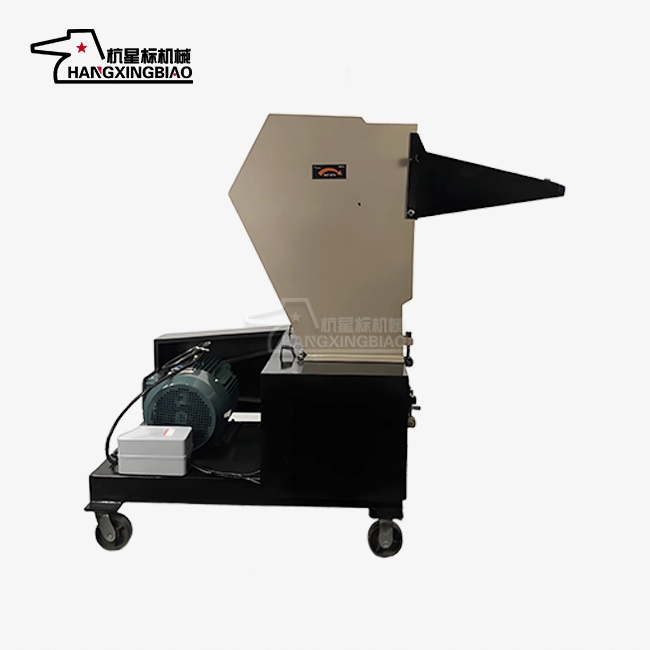
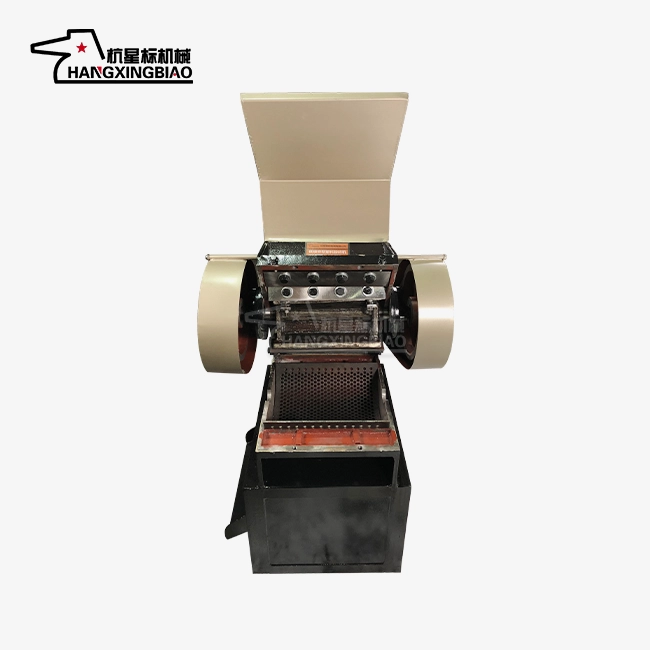
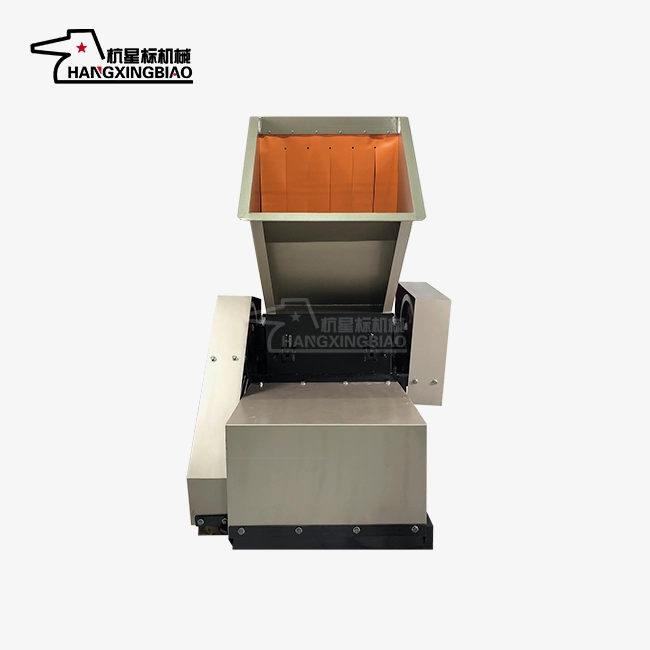
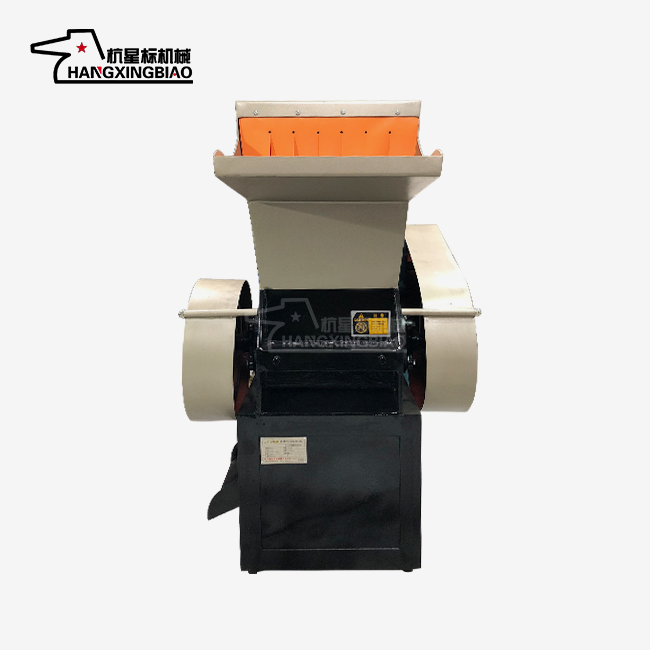
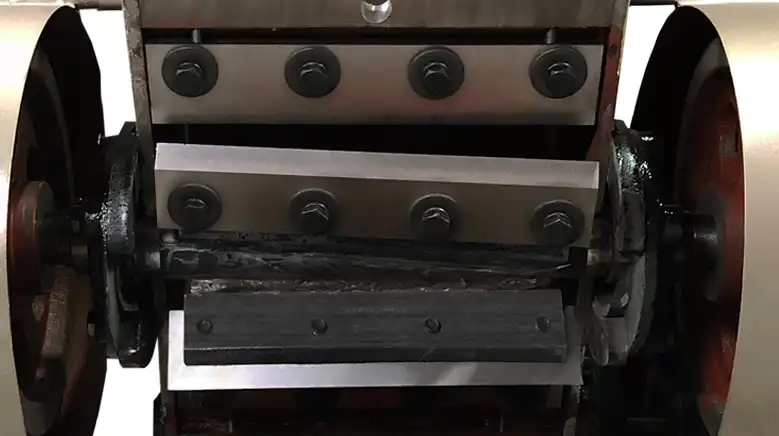
Through mechanical cutting, tearing, and shearing, Plastic shredders reduce waste material. Things go into a bin, and as the plastic goes through, spinning blades cut it up into smaller pieces. The shreds go through screens that determine the final particle size, which can range from 2 mm to 50 mm depending on the product's requirements. The process cuts down on the size of the material so that it can be washed, ground up, or pelletised as part of the recovery process.
Common Shredder Types and Their Applications
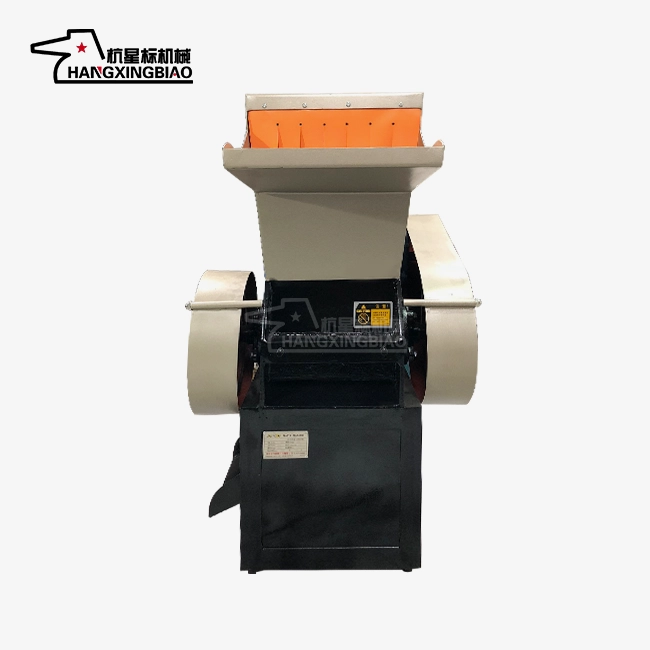
Different shredder configurations are useful for different types of work. Single-shaft shredders are particularly effective at breaking down bigger things like pipes, tanks, and industrial containers, and the screen control makes sure that the output size is always the same. Dual-shaft tools are used for heavy-duty tasks and can handle tough materials like mixed garbage streams and industrial plastic parts. Granulators work best with thinner materials like films, bottles, and packages because they make finer bits. Knowing these differences helps buyers match equipment capabilities to the material properties and the work required.
Key Performance Specifications
Important success measures include capacity, power use, and control systems. The rate at which you make trash must match your processing capacity, which is measured in kilograms per hour. Motor power affects both throughput and energy costs. Motors that are too big waste electricity, while motors that are too small slow things down. Modern control systems have automation features that keep operators safe and connect them to production lines. This is especially helpful for medium- to large-sized manufacturing companies that run nonstop.
Criteria for Selecting the Best Plastic Shredder Manufacturer
Comparing specification sheets is only part of an effective manufacturer review. You should also look at the possibility of a long-term relationship.
Product Quality and Engineering Excellence
Build quality affects how long equipment lasts and how much it costs to maintain. Premium manufacturers make machine frames out of high-strength steel plates that have been treated with stress relief to keep them from deforming during long periods of high-load operation. The materials used for blades are crucial. Special steels like SKD-11, D2 mould steel, and Cr12MoV, which undergo vacuum heat and deep cryogenic processing, are harder and last longer. These engineering features immediately lead to less downtime and lower costs for replacements over the life of the equipment.
Customization and Material Versatility
These days, businesses need tools that can handle different kinds of waste without having separate units for each type. Modern shredders can handle almost any non-metallic material, like plastic, rubber, wood, paper, cloth, foam, and more. They are not limited to just one type of material. With screen configurations that can be changed, versatile machines can crush materials above 2 mm into coarse to medium sizes, whether they are in block, flake, fibre, or irregular shapes. This ability to work with multiple materials is very useful for recycling centers that deal with mixed garbage or makers who deal with different kinds of production scrap.
After-Sales Support Infrastructure
The level of technical help often has a bigger impact on operational success than the original equipment specs. Reliable manufacturers offer a full range of services, including advice before the sale, help with installation, training for operators, and ongoing support for maintenance. Response time is very important—answering questions 24 hours a day and having extra parts on hand at all times keeps output from stopping. Setting up partnerships between businesses, universities, and research centres, like when top suppliers work with big companies, shows a dedication to constant innovation and customer satisfaction.
Market Overview: Leading Plastic Shredder Brands and Suppliers
Many well-known companies in many areas make shredding tools, each with its own benefits.
Regional Manufacturing Strengths
Chinese makers offer low prices and engineering that gets better all the time, which makes them appealing to buyers who want to save money and get solid performance. European providers usually put a lot of emphasis on precise engineering and integrating technology, which makes them a good choice for businesses that want to make sure that production lines connect smoothly. American producers put a lot of effort into making sure their products are strong and meet strict safety standards. Hangzhou Xingbiao Machinery takes a specialised approach. For 30 years, they have only been developing and making crushers, which gives them a level of knowledge that is hard to find in companies that sell a lot of different kinds of equipment.
Emerging Technology Trends
Current directions in innovation are toward smart function and using less energy. Optimised blade shapes and cavity structure designs make breaking more efficient by more than 20% while using less power. Quick-change screen structures and open-design repair access keep downtime to a minimum, which meets the needs of both small recycling plants and big manufacturing companies that want to be more efficient. These improvements help buyers follow changing rules about sustainability while keeping costs low, giving them a clear edge in the market.
Practical Considerations Before Purchase: From Ordering to Delivery
To be successful at procurement, you need to plan for more than just choosing the equipment. You also need to plan for the total cost of ownership and managing logistics.
Comprehensive Cost Analysis
The initial price of the item is only a small part of the total cost. Installation, training for operators, and keeping extra parts on hand are all examples of hidden costs. Warranty terms are tools for lowering risk; full coverage guards against premature component failure and flaws in the manufacturing process. When comparing manufacturers, look at the length of the guarantee, the spread of the coverage, and the claim process. Access to service infrastructure affects how quickly it can be fixed, so having support staff in your area helps keep production running as smoothly as possible.
International Procurement Logistics
When you buy things from around the world, you have to deal with things like clearing customs, shipping times, and coordinating deliveries. Knowing Incoterms, the paperwork needed, and import taxes can help you avoid costs and delays that you didn't expect. Reputable makers help with export paperwork and can suggest reputable goods forwarders who know how to handle heavy machinery. Setting aside enough time for lead times—usually 8 to 12 weeks for standard models and longer for custom configurations—makes sure that the equipment arrives when the installation teams and building preparations are ready.
Equipment Integration Planning
Think about how the new Plastic shredder equipment will fit in with the services you already provide. For injection moulding, beside-the-press Plastic shredder units need different specs than recycling systems that work on their own. During installation, Plastic shredder devices for dust gathering, material handling, and integrating conveyors need to work together. Working with Plastic shredder manufacturers that offer engineering support for layout optimisation and system design makes commissioning go more smoothly and gets you your money back faster.
Case Studies and Success Stories: How Choosing the Right Manufacturer Adds Value
Applications in the real world show how informed manufacturer selection can make a difference.
Small Business Scaling Through Customization
A new plastic recycling business in the area had trouble using regular crushers to process film and woven bags because the materials got tangled around the blades, which led to frequent shutdowns. Problems with getting materials tangled up were solved by working with a specialised maker who could make blades and cavities that fit soft, flexible materials perfectly. Maintenance schedules were changed from once a week to once a month, which increased throughput by 35% and allowed the business to take on bigger projects and grow financially.
Large Manufacturing Plant Efficiency Gains
A company that makes parts for cars and makes a lot of injection moulding scrap puts high-power, low-noise breakers right next to the production tools. Specialised equipment automatically recycled sprues, which cut the amount of work that had to be done by hand by 60% while keeping the process quiet enough for the production floor. Material recovery rates went up, which cut the cost of raw resin by about $180,000 a year and helped the company reach its goal of sending no trash to landfills. These examples show how matching the capabilities of equipment to specific operational challenges creates measurable value that goes far beyond the initial cost of the equipment.
Conclusion
The company you choose to make your Plastic shredder from will affect how well it works, how much it costs to maintain, and how long it will last. Putting an emphasis on engineering quality, material flexibility, and full service support can help you avoid making mistakes that cost a lot when buying tools. The most trustworthy partners show their specialised knowledge by focusing on the same industry for a long time, coming up with measurable new ideas, and having a history of customer success in a wide range of uses. By judging manufacturers on things like how durable their products are, how well they can be customised, and how well they take care of customers after the sale, global buyers set themselves up for long-term partnerships that work out well and give them a competitive edge in recycling and manufacturing environments that are getting more difficult.
FAQ
What kind of shredder works best with different kinds of plastic?
What shredder type best suits different plastic materials?
The best tools to use depend on the properties of the material. Single-shaft or dual-shaft shredders with strong cutting force work well for hard plastics like pipes, profiles, and injection-moulded parts. Soft materials like films, knitted bags, and fibres need special blade designs to keep them from getting tangled up. Regular crushers don't work well with these materials. Mixed waste streams are better handled by machines that can handle different types of materials without having to change their configuration. This saves money on equipment and makes operations simpler.
What warranty and service standards should buyers expect?
Professional makers offer full warranties that cover the structural stability and key parts for 12 to 24 months after the product is put into use. Service promises should include answering technical questions 24 hours a day, helping with debugging remotely, and making extra parts supply networks easy to access. On-site installation help and operator training are important parts of the service, especially for international purchases where language and technical knowledge transfer are very important.
Do energy-efficient shredders justify higher initial costs?
Energy-efficient models save money on operations by using less power and getting more work done faster. Optimised motor matching and advanced cutting designs lower energy costs by 15–30% compared to standard equipment. This means that for facilities that run all the time, the payback period is usually less than 18 months. In addition to saving money, making things more efficient helps companies report on sustainability and follow the rules, which is becoming more and more important to customers and stakeholders who care about the environment.
Partner with Xingbiao for Reliable Plastic Shredding Solutions
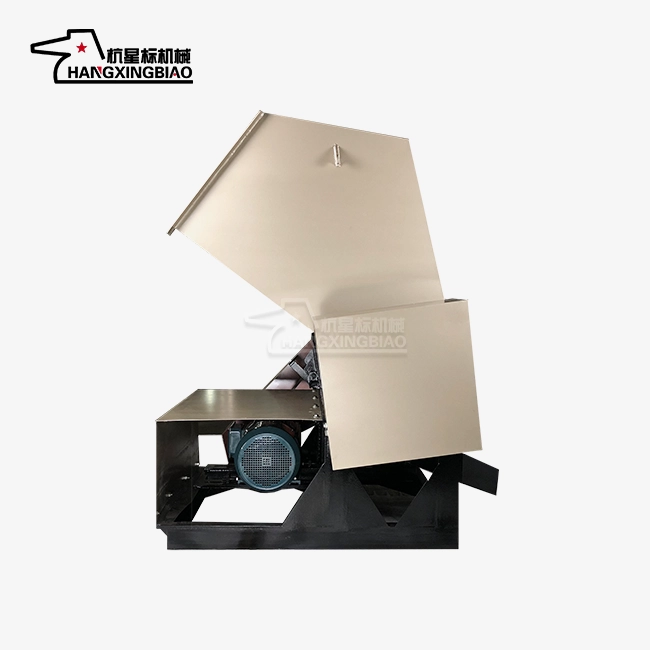
Hangzhou Xingbiao Machinery has been a specialist in crushers for 30 years and sells reliable, high-performance grinding systems all over the world. Unmatched in an industry of diverse equipment providers, our sole focus on Plastic shredder manufacturing allows for technical depth that addresses difficult material processing issues. Our product line includes small crushers for use next to injection moulds and large systems that handle tonnes of mixed recycling every day. These systems can be used by businesses of all sizes.
What sets Xingbiao apart as a reliable Plastic shredder producer? Our 20-engineer research team works with big names in the industry, like Nongfu Spring and KFC, to keep coming up with new products by using real-world operational insights. High-strength steel frames, premium SKD-11 and Cr12MoV blades, and designs that maximise efficiency lead to performance gains of 20% or more while lowering energy use. It can handle a wide range of materials, from hard cases to tangled films, and its output can be adjusted from 2 mm to 50 mm to meet the needs of different downstream processes.
Expert advice on product selection, 24-hour reaction times, installation help, operator training, and reliable spare parts supply are all parts of full-service support. Buyers around the world profit from our track record in producing, recycling, and managing waste. Visit www.xingbiaocrusher.com or email xingbiaocrusher@xingbiaocrusher.com to talk to our team about your unique crushing needs and get custom solutions that make your plastic processing operations run more smoothly.
References
1. Association of Plastic Recyclers. (2023). Technical Guidelines for Plastic Shredding Equipment Selection in Recycling Operations. Washington, DC: APR Publications.
2. Chen, M., & Rodriguez, P. (2024). Industrial Shredding Systems: Engineering Principles and Application Strategies. Journal of Recycling Technology and Equipment, 47(2), 134-158.
3. European Plastics Recycling Association. (2023). Best Practices in Mechanical Recycling Equipment Procurement. Brussels: EPRA Industry Reports.
4. Kumar, A., Thompson, R., & Zhang, L. (2024). Energy Efficiency Innovations in Size Reduction Equipment for Plastic Waste Processing. International Journal of Sustainable Manufacturing, 19(3), 267-289.
5. National Waste & Recycling Association. (2024). Equipment Lifecycle Cost Analysis for Commercial Recycling Facilities. Arlington, VA: NWRA Technical Series.
6. Williams, D. J. (2023). Machinery Selection for Plastic Manufacturing and Recycling: A Procurement Professional's Handbook. New York: Industrial Press Inc.
Learn about our latest products and discounts through SMS or email