- English
- French
- German
- Portuguese
- Spanish
- Russian
- Japanese
- Korean
- Arabic
- Greek
- German
- Turkish
- Italian
- Danish
- Romanian
- Indonesian
- Czech
- Afrikaans
- Swedish
- Polish
- Basque
- Catalan
- Esperanto
- Hindi
- Lao
- Albanian
- Amharic
- Armenian
- Azerbaijani
- Belarusian
- Bengali
- Bosnian
- Bulgarian
- Cebuano
- Chichewa
- Corsican
- Croatian
- Dutch
- Estonian
- Filipino
- Finnish
- Frisian
- Galician
- Georgian
- Gujarati
- Haitian
- Hausa
- Hawaiian
- Hebrew
- Hmong
- Hungarian
- Icelandic
- Igbo
- Javanese
- Kannada
- Kazakh
- Khmer
- Kurdish
- Kyrgyz
- Latin
- Latvian
- Lithuanian
- Luxembou..
- Macedonian
- Malagasy
- Malay
- Malayalam
- Maltese
- Maori
- Marathi
- Mongolian
- Burmese
- Nepali
- Norwegian
- Pashto
- Persian
- Punjabi
- Serbian
- Sesotho
- Sinhala
- Slovak
- Slovenian
- Somali
- Samoan
- Scots Gaelic
- Shona
- Sindhi
- Sundanese
- Swahili
- Tajik
- Tamil
- Telugu
- Thai
- Ukrainian
- Urdu
- Uzbek
- Vietnamese
- Welsh
- Xhosa
- Yiddish
- Yoruba
- Zulu
What features to look for in a powerful pulverizer?
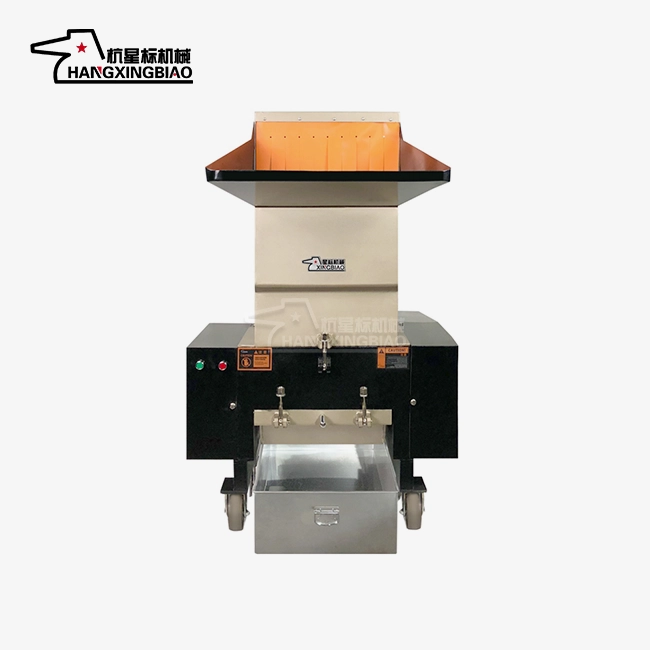
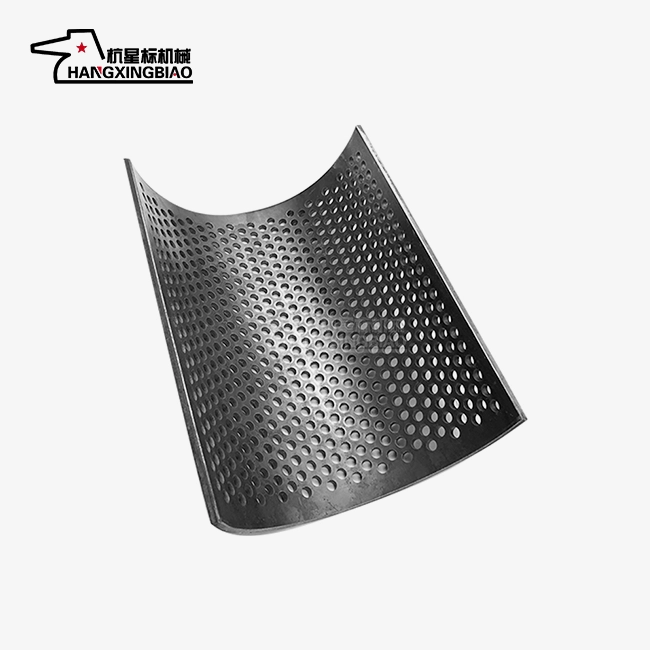
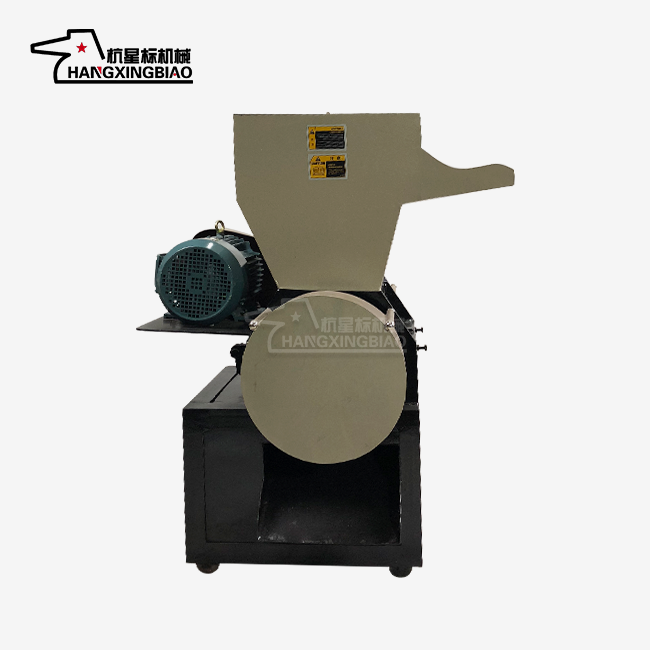
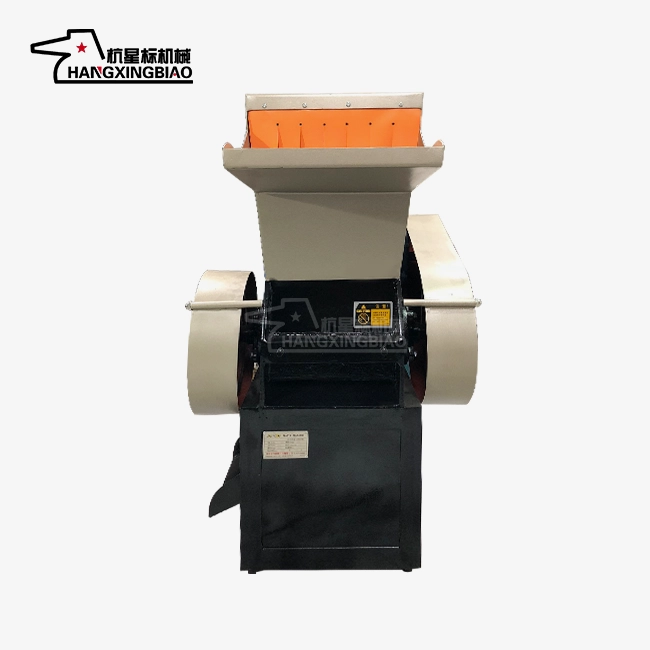
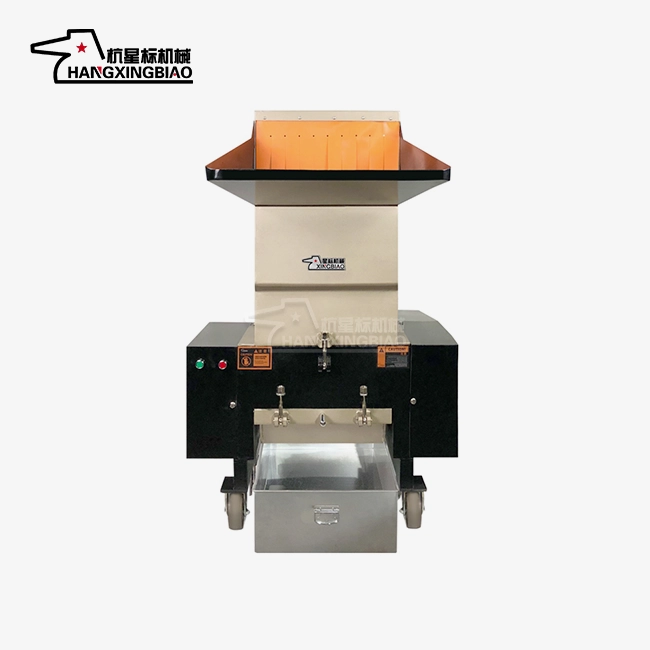
You need a powerful pulverizer for your business needs that breaks through standard limits and works well with a wide range of non-metallic materials. Modern pulverizers are great at breaking down plastics, rubber, wood, paper, cloth, foam, and industrial trash into particles that are always the same size, running from 2 to 50 mm, thanks to screens that can be switched out. When you get the right machine, you can get stable coarse and medium crushing for blocks, flakes, fibers, and other irregular shapes, all while increasing working efficiency and lowering running costs. Knowing about important performance features, durability factors, and safety standards will help you make sure that your investment fits with your long-term production goals and the rules that apply to it.

Understanding What Makes a Pulverizer Powerful
Strong mechanical engineering that combines high-torque motors with precision-engineered cutting systems makes a powerful pulverizer stand out. The main strength comes from special blade materials like SKD-11 tool steel and Cr12MoV alloys that are vacuum-heated until they reach HRC 55–60 hardness levels. This makes them last longer in use.
Advanced Cutting Mechanisms
The main idea behind how it works is that spinning blades apply a lot of force to cutting areas that stay still. This device works especially well with fibrous materials that are hard for regular impact breakers to break down. The arrangement of the blades has a direct effect on the throughput capacity. When compared to standard models, improved designs make processes over 20% more efficient.
Motor Power and Drive Systems
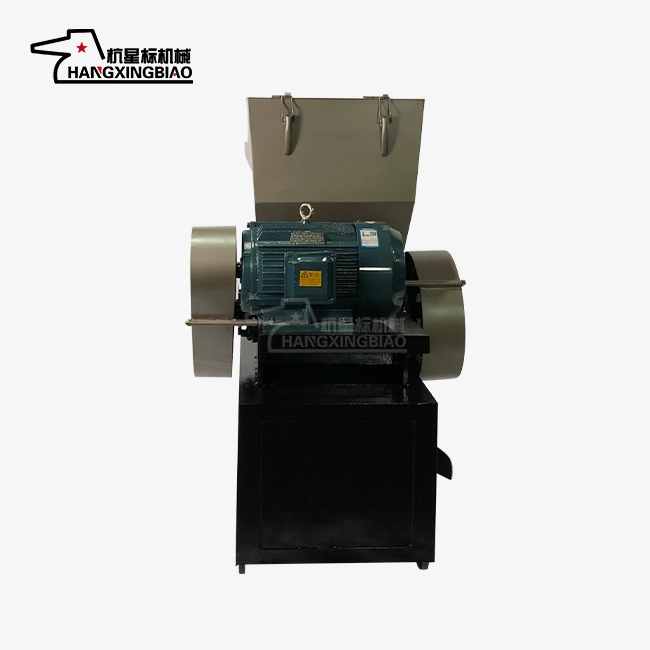
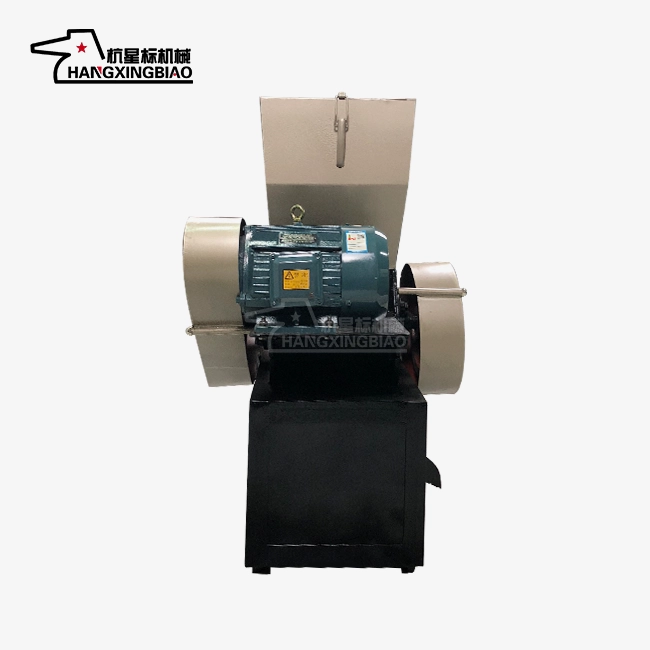
Variable-speed drives in industrial pulverizers change the cutting speed based on the properties of the material. High-efficiency motors and precise gears make sure that the machine works the same way with different amounts of material. Usually, 8 to 12 kilowatts of energy are used per ton of treated plastic. This means that over longer production cycles, the company can save a lot of money.
Material Flow Dynamics
A good crusher design, such as a powerful pulverizer, has gravity-fed sections with anti-bridging features that keep material from building up. The shape of the chamber makes it easier for materials to be evenly distributed across cutting zones. This gets rid of bottlenecks that slow down production and cause cutting parts to wear out faster.
Core Features to Prioritize When Selecting a Powerful Pulverizer
To choose the right breaking equipment, you need to carefully consider a number of important performance factors that have a direct effect on how well it works and how much money it makes in the long run. Here are the main things that set better pulverizers apart from regular ones:
Exceptional Material Versatility
• Multi-material compatibility: It can work with a lot of different materials, like soft films, woven bags, hard plastics, thick pipes, foam, and odd-shaped cases, without needing frequent equipment tweaks or special tooling changes.
• Particle size precision: delivers over 90% regularity in output particles through screens that can be adjusted from 2 to 100 mm, so there's no need for extra screening.
• Processing capacity scalability: small units can handle 50–500 kg/hour, while industrial models can handle 1–10 tons/hour and can run 24 hours a day, seven days a week.
These benefits make it possible for makers to combine several crushing tasks into a single piece of equipment, which saves room and makes upkeep easier.
Superior Construction Quality
Strong structural engineering is the basis for a powerful pulverizer's effective performance. Premium models have high-strength steel cylinders that are welded together and treated with a stress-release material that keeps them from deforming during long periods of high-load activities. Specialized metals, like SKD-11 tool steel, are used in critical wear parts so that the cutting edge stays sharp for 3,000 to 5,000 hours of use.
Energy Efficiency and Cost Control
Compared to older machines, modern pulverizers use 10-15% less energy because they have better motor matching and drive systems. Power transfer systems that work well turn electricity into cutting force with little loss, which has a direct effect on how profitable the business is. Less energy use means lower electricity prices and better compliance with environmental laws.
Comparative Insights: Powerful Pulverizer vs. Alternatives
Learning about the differences in performance between types of tools helps buying teams make smart choices based on the needs of the application and the available budget.
Pulverizers vs. Traditional Crushers
In a number of important ways, powerful pulverizer technology is clearly better than traditional breaking equipment. Pulverizers can control the particle size more finely and have output ranges that can be changed. Crushers, on the other hand, usually make larger particle sizes that need more screening. Pulverizers are better at breaking down fibrous and flexible materials than jaw or cone crushers, which use compression forces.
Processing Efficiency Comparisons
The throughput ability of different types of tools is greatly affected by the properties of the material and the output requirements. Pulverizers are great at handling mixed trash streams without having to separate the materials first. On the other hand, some types of crushers may need materials to be pre-sorted to keep them from getting damaged or losing their performance.
Maintenance and Operating Costs
Blade-based pulverizers usually need more frequent upkeep on their cutting tools than impact crushers do. However, since tools can be resharpened three to five times, the cost of replacement is cut by about sixty percent. Total cost of ownership calculations need to take into account how much energy is used, how easy it is to get replacement parts, and how much work is needed for upkeep.

Ensuring Safety and Compliance in Pulverizer Selection
Industrial safety laws require complete defense systems that keep workers from getting hurt while keeping production levels high, especially when operating a powerful pulverizer. There are more safety features built into modern pulverizers than are required by law.
Comprehensive Protection Systems
Some safety-important features are strengthened steel tanks, anti-rebound baffles, and external protective covers that keep debris out while the machine is running. Electrical interlocks turn off the power automatically when the access panels open. This keeps people from touching spinning parts by mistake. Emergency stop buttons let operators shut down right away in a variety of situations.
Vibration and Noise Control
Operational shaking is kept to a minimum by precision-balanced blades and hardened transmission parts. Typically, amplitude requirements are less than 0.1mm. Sound-dampening shelters lower noise levels so that workers don't exceed the limits for exposure, and they also make long shifts more comfortable for workers.
Certification Standards
Following international safety standards is shown by equipment that has a CE mark and meets ISO quality standards. Third-party testing and verification give buying teams peace of mind about the dependability of equipment and its compliance with regulations in all global markets.
Procurement Considerations: How to Choose and Where to Buy
If you want to buy tools successfully, you need to look at the supplier's skills in more depth than just the price. The infrastructure and level of service for manufacturers have a big impact on the long-term success of a business.
Supplier Evaluation Criteria
Reliable makers have a lot of knowledge in the field and can show that their powerful pulverizer products have been installed in a wide range of situations. For technical support, you should be able to offer engineering advice, help with installation, training for operators, and quick fixing. During repair cycles, machine uptime is directly affected by how easy it is to get parts and how quickly they can be delivered.
Financing and Acquisition Options
Different capital budgets and cash flow needs can be met by flexible buying plans. You can buy the equipment directly, lease it, or use a rent-to-own scheme that matches the cost of buying the equipment with the money it makes from production. Larger businesses can often save even more money by taking advantage of volume deals and service contracts that last for more than one year.
Global Supply Chain Considerations
When buying tools from other countries, you need to pay close attention to shipping details, customs processes, and the availability of local service support. Lead times for custom setups can be several weeks, so planning ahead is important to avoid production delays.
Conclusion
When looking for the most powerful pulverizer, you need to find a balance between performance, operational needs, and price. Material versatility, building quality, energy efficiency, and a full range of safety features are all important things to think about when making a choice. A good procurement strategy focuses on the name of the seller, the quality of the expert help, and the long-term availability of parts. Investing in high-quality crusher technology pays off in the form of higher working efficiency, lower energy use, and more reliable operations that help a business grow in the long term.
FAQ
What maintenance frequency sustains optimal pulverizer performance?
Every 200 to 300 hours of operation, the blades are usually inspected and oiled as part of regular upkeep. Replacement rounds for major parts range from 3,000 to 5,000 hours, based on the material and how hard it is used. When compared to reactive repair methods, preventive maintenance plans cut down on unplanned downtime by about 40%.
Which safety certifications ensure compliance and operator protection?
CE marking shows that the product meets European safety standards, and ISO 9001 approval shows that the product meets the requirements of a quality management system. Some other licenses that may be needed are UL listing for electrical parts and OSHA compliance for safety standards in the workplace. These licenses make sure that regulations are followed in foreign markets.
Can pulverizers handle varied materials without equipment modifications?
Modern pulverizers can handle different kinds of materials because the screen configurations and speeds can be changed. Material transitions don't need many changes to the setup. Usually, replacing the screen and adjusting the speed are all that's needed, and the whole process takes less than 30 minutes. Because of this, you don't need a lot of different types of tools for most tasks.
Partner with Xingbiao for Advanced, Powerful Pulverizer Solutions
Xingbiao Machinery has 30 years of experience in plastic crushing technology and can provide powerful pulverizer solutions that work better than expected in the business. In collaboration with major companies, our manufacturing team creates custom tools that can reliably handle a wide range of materials. With 20 top engineers and established relationships with big brands, we offer full help from the initial consultation to ongoing maintenance. Email our technical experts at xingbiaocrusher@xingbiaocrusher.com to talk about your unique breaking needs and to learn more about our full selection of powerful pulverizer manufacturers. Enjoy the benefits of working with a supplier that is dedicated to operating quality and the success of your long-term relationship.

References
1. Industrial Equipment Design Standards for Material Processing Machinery, International Association of Equipment Manufacturers, 2023.
2. Energy Efficiency Guidelines for Industrial Crushing and Grinding Operations, Department of Energy Industrial Technologies Program, 2024.
3. Safety Requirements for Industrial Pulverizing Equipment, Occupational Safety and Health Administration Technical Manual, 2023.
4. Comparative Analysis of Material Processing Technologies in Manufacturing Industries, Journal of Industrial Engineering Research, Vol. 45, 2024.
5. Best Practices for Equipment Procurement in Industrial Manufacturing, Supply Chain Management Review, 2024.
6. Maintenance Optimization Strategies for Industrial Processing Equipment, Plant Engineering Magazine, Technical Report Series, 2023.
Learn about our latest products and discounts through SMS or email