- English
- French
- German
- Portuguese
- Spanish
- Russian
- Japanese
- Korean
- Arabic
- Greek
- German
- Turkish
- Italian
- Danish
- Romanian
- Indonesian
- Czech
- Afrikaans
- Swedish
- Polish
- Basque
- Catalan
- Esperanto
- Hindi
- Lao
- Albanian
- Amharic
- Armenian
- Azerbaijani
- Belarusian
- Bengali
- Bosnian
- Bulgarian
- Cebuano
- Chichewa
- Corsican
- Croatian
- Dutch
- Estonian
- Filipino
- Finnish
- Frisian
- Galician
- Georgian
- Gujarati
- Haitian
- Hausa
- Hawaiian
- Hebrew
- Hmong
- Hungarian
- Icelandic
- Igbo
- Javanese
- Kannada
- Kazakh
- Khmer
- Kurdish
- Kyrgyz
- Latin
- Latvian
- Lithuanian
- Luxembou..
- Macedonian
- Malagasy
- Malay
- Malayalam
- Maltese
- Maori
- Marathi
- Mongolian
- Burmese
- Nepali
- Norwegian
- Pashto
- Persian
- Punjabi
- Serbian
- Sesotho
- Sinhala
- Slovak
- Slovenian
- Somali
- Samoan
- Scots Gaelic
- Shona
- Sindhi
- Sundanese
- Swahili
- Tajik
- Tamil
- Telugu
- Thai
- Ukrainian
- Urdu
- Uzbek
- Vietnamese
- Welsh
- Xhosa
- Yiddish
- Yoruba
- Zulu
Industrial Shredder with Powerful Torque & Output Capacity
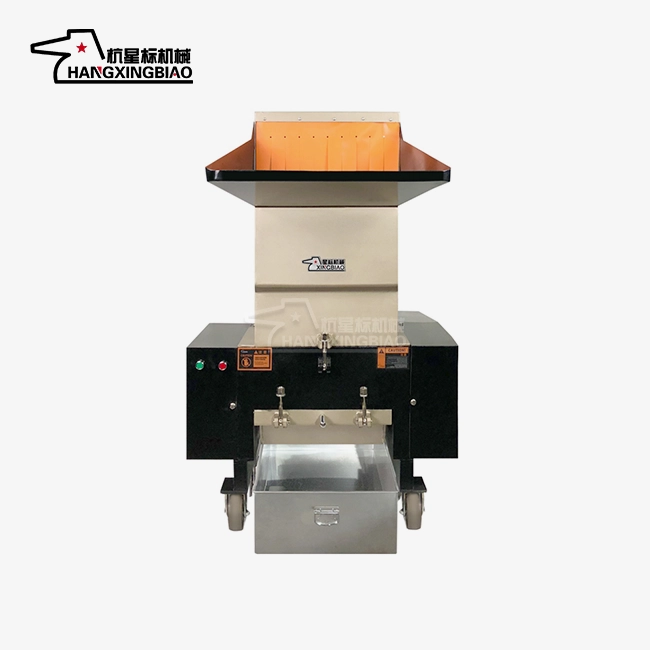
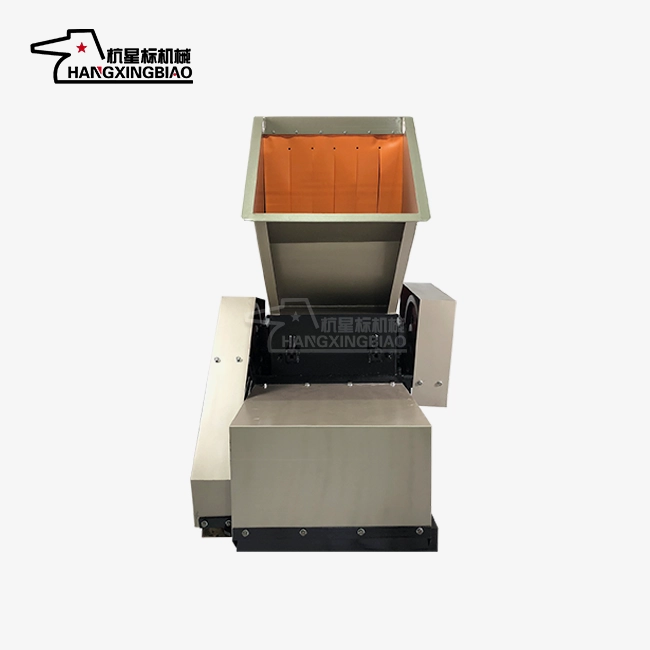
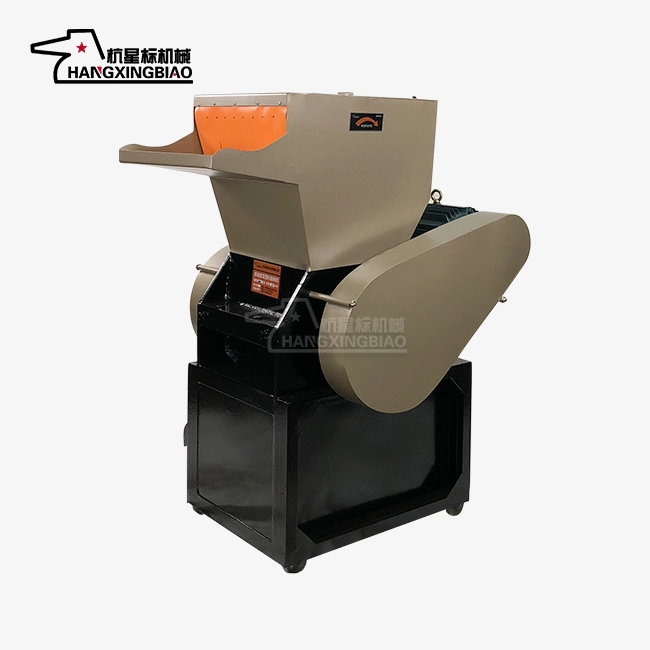
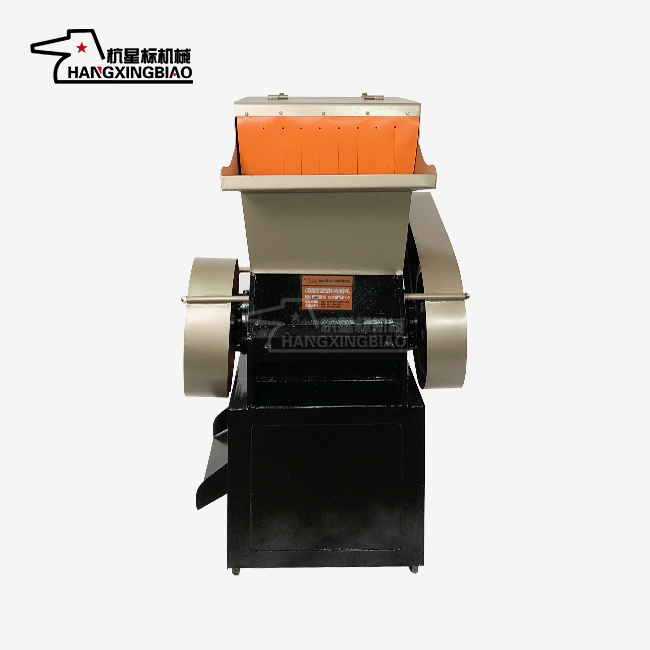
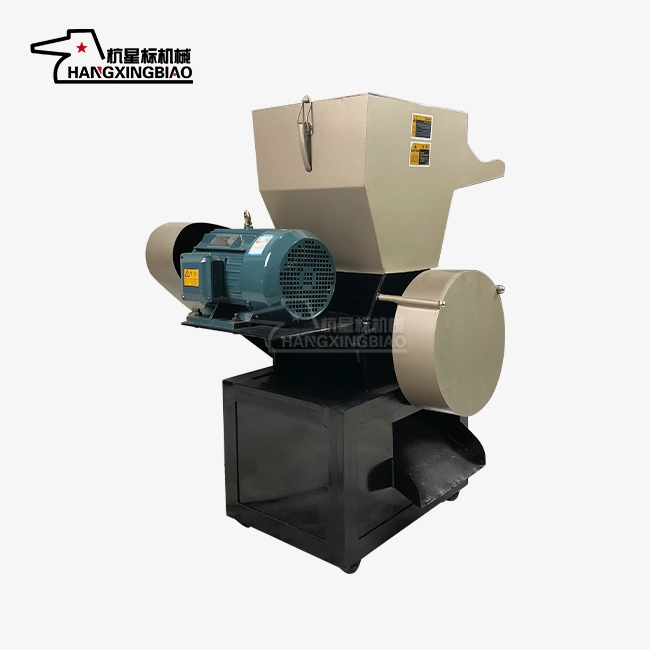
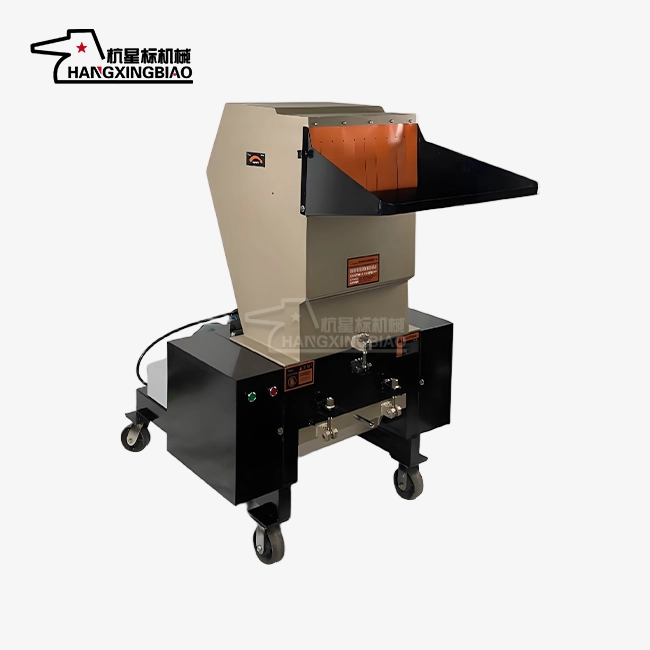
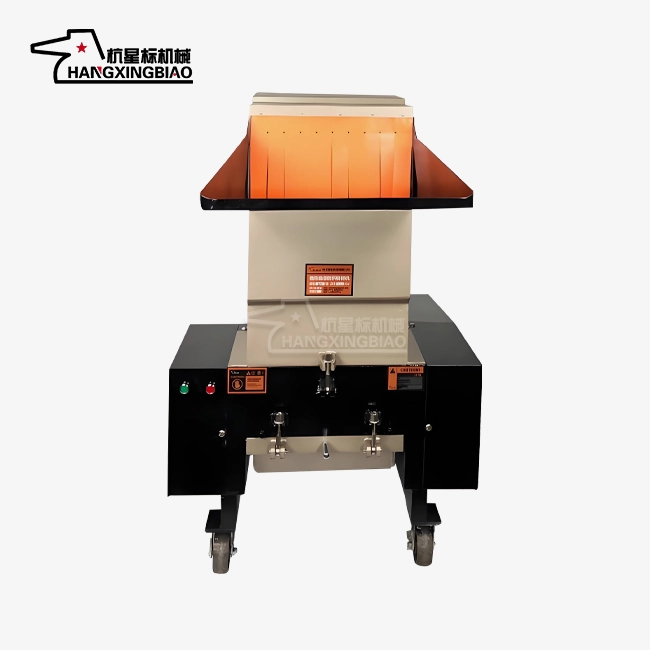
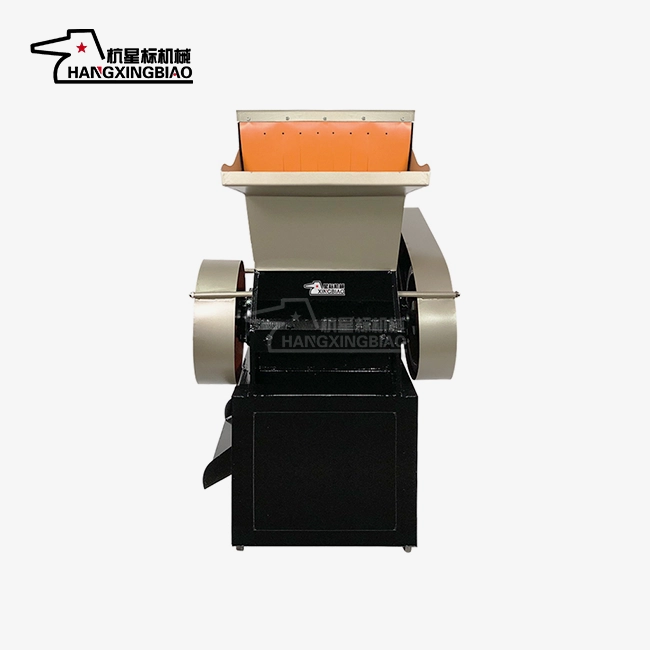
Modern recycling and production operations need material handling options that are efficient and can handle different types of waste while keeping performance levels high. An industrial shredder is one of the most important tools for managing trash because it breaks down large pieces of material into smaller, more manageable pieces that can be recycled, transported, or used in other processes. These strong machines have a lot of torque and output, which makes it possible for facilities to handle everything from plastic garbage to organic materials very quickly and efficiently. High-performance shredding equipment cuts cardboard boxes and plastic bottles into 2-20 mm pieces that are easy to transport or breaks down rubber and plastic into 2-8 mm pieces that can be directly used in the production of new materials. This equipment improves operational efficiency and lowers material processing costs in a wide range of industrial settings.

Understanding Industrial Shredders and Their Performance
The basic idea behind industrial shredding technology is that strong motors create torque, which is then sent to spinning shafts with sharpened cutting blades through precision-engineered transmission systems. With this kind of mechanical setup, machines can work with a wide range of materials, from soft plastics and organic matter to thick rubber mixtures and metal parts.
Core Components That Drive Performance
The motor and gearbox unit is the most important part of any high-performance shredding system. It controls both the power output and the operating speed. For heavy-duty tasks, you usually need high-torque, low-speed setups that are great at working with thick or dirty materials without getting too hot or under a lot of mechanical stress. Reduction gearboxes in these systems increase motor power while decreasing rotational speed. This makes the best conditions for regular material handling. Design of the cutting chamber is just as important for setting processing capacity as it is for maintaining particle size accuracy. Advanced chamber shapes use specific blade angles, clearance limits, and material flow patterns to cut materials as efficiently as possible while using as little energy as possible. When spinning cutting blades and fixed counter-blades work together, they create an exact shearing action that makes particles of the same size from a wide range of materials.
Types of Industrial Shredding Systems
Single-shaft shredders work best when the final particle size needs to be uniform. They have one rotating shaft with cutting blades that work against a set cutting bed. When it comes to processing bulky materials like plastic films, textiles, and paper goods, where even size reduction is very important, these tools work very well. Dual-shaft designs are more flexible for working with tough materials because they use two shafts that rotate counterclockwise to make an interlocking cutting action. This design can handle tough materials like tires, metal parts, and thick plastic parts, and it also lowers the chance of jamming, which can slow down production. Specialized designs, such as hammermills and granulators, are used for different types of processing. For example, hammermills use high-speed impact forces to break up hard materials, and granulators reduce the size of particles for recycling plastic.
Choosing the Right Industrial Shredder for Your Business Needs
Selecting appropriate shredding equipment requires careful evaluation of material characteristics, processing volumes, and operational requirements that align with specific business objectives. Understanding these factors ensures optimal equipment performance while maximizing return on investment.
Material Type and Processing Requirements
Processing different materials presents different problems that affect the choice of tools, which is why selecting an appropriate Industrial shredder is essential. For cutting hard materials like metal, you need strong cutting systems that can handle high-impact forces. Soft materials, like plastic films and organic waste, need special blade designs that keep them from wrapping and getting clogged. Processing volume directly affects motor size and output capacity requirements. Large factories that work with many tons of materials every day need industrial-grade systems with motors that run all the time and cutting rooms that are too big for the job. Smaller factories, on the other hand, can use standard models that are flexible and can handle a wide range of materials well.
Torque and Output Capacity Considerations
High-torque systems work consistently even when working with thick or dirty materials because they keep cutting speeds fixed even when the load changes. This feature is very important for recycling businesses that deal with mixed garbage streams where the consistency of materials can't be assured. The specs for output capacity must match the needs of downstream processing and the way the building works. When operations need to connect to current production lines, they need equipment that matches the speed and capacity of the conveyors. For stand-alone applications, on the other hand, the most important things are the highest throughput rates and the ability to store materials.
Energy Efficiency and Operational Costs
Modern industrial shredder designs have motors that use less energy and transfer systems that work better, so that less power is used while working performance stays the same. Modern units use only 8–12 kWh to process one ton of plastic, which is 10–15 percent less energy than traditional machine types. Because of these gains in efficiency, operational costs go down, and profits go up. This is especially important for high-volume processing operations where energy costs make up a big part of the overall running budget. In places where price is important, equipment that has both a high throughput and a low energy usage gives a long-term competitive edge.
Maximizing Industrial Shredder Performance with Maintenance and Safety
For equipment to keep working well, it needs thorough care plans that include details about how parts wear out, how often they need to be oiled, and when they need to be replaced. Proactive repair plans keep equipment running at its best and avoid unplanned downtime. They also extend the life of equipment and keep it from breaking down.
Essential Maintenance Practices
The most important part of taking care of cutting equipment is checking and fixing the blades on a regular basis. High-quality blades are made from expensive materials like SKD-11, D2 tool steel, and Cr12MoV special alloys. They are vacuum-heated and then frozen, which makes them HRC55–60 hard, which means they can be used with normal plastics for 3,000–5,000 hours. When compared to regular cutting tools, these modern blade systems can be cleaned three to five times before they need to be replaced. This cuts the cost of replacing blades by sixty percent. Proper blade care includes making regular changes to the clearance, cleaning plans, and replacement times so that the blade always cuts at its best. Lubrication programs keep bearing systems and gearbox parts working within certain temperature ranges and stop them from wearing out too quickly. Regular lubrication, using the right oil, and keeping things clean are all things that keep machines reliable in tough working conditions.

Safety Protocols and Risk Management
Full safety systems keep workers safe and keep tools from getting damaged when things don't work right, especially when operating an Industrial shredder. Modern shredding systems have fully sealed designs made of thick steel plates, anti-rebound baffles, and safety screens that keep small pieces of paper inside and lower the noise level. Advanced safety features include interlock systems that turn off the power automatically when entry rooms open. This keeps operators from getting hurt while repairs or adding materials are being done. Emergency stop systems can turn off equipment right away, and overload safety keeps motors from getting damaged when they get stuck. Regular safety training makes sure that workers know how to properly feed materials, what to do in an emergency, and the safety rules for upkeep. Well-trained operators can spot possible dangers and take the right safety steps to keep processes running smoothly while protecting workers.
Industrial Shredder Procurement: Navigating Options and Services
There are a lot of things that go into buying industrial cutting equipment, and these things affect the long-term success of the business and the return on investment. Knowing about these things helps people who work in procurement make choices that are in line with practical needs and spending limits.
New vs. Used Equipment Considerations
When you buy new equipment, it comes with the newest technology, the best warranties, and performance guarantees that make sure it will work well as soon as it is installed. Manufacturers usually give a lot of technical support, training for operators, and spare parts, all of which make it easier to set up equipment and provide ongoing operating support. Used equipment may be cheaper and better for certain processing needs, but owners need to carefully check the mechanical state, remaining service life, and supply of parts. Thorough inspections and performance tests help find problems before they are bought, and guarantee terms mean that repair and upkeep duties need to be thought through.
Cost Factors and Value Analysis
Total ownership costs are affected by a number of factors, such as custom setups, unique features, and services that come with the equipment. High-torque systems cost more, but they work better and are more reliable, so the extra money spent on them is worth it because they have less downtime and upkeep costs. Installation services, training for operators, and expert support are all extras that add value and affect the total cost of purchase. When a supplier offers a full range of services, it saves time and money because the equipment is set up correctly and the supplier provides ongoing expert support to make sure the equipment works at its best throughout its lifetime.
Supplier Evaluation and Support Services
Having reliable ties with suppliers is important for keeping an industrial shredder working well and solving problems during its service life. Manufacturers that have been around for a long time and have a lot of experience in the field offer professional help, responsive customer service, and large stockpiles of spare parts that reduce the risk of downtime. Service reaction speeds, professional expertise, and the supply of parts all have a direct effect on how smoothly operations can continue during equipment problems or maintenance. Suppliers who promise 24-hour response times, professional repair services, and regular follow-up support show that they care about their customers' success even after they've bought industrial shredders from them.
Industrial Shredder Market Trends and Future Outlook
As technology keeps getting better, commercial cutting equipment is being redesigned to make it easier to control the torque, use better blade materials, and use less energy. These changes are in response to changing market needs for higher output, less damage to the environment, and more operating freedom.
Technological Innovations
Advanced control systems can precisely measure force and make adjustments automatically, which improves cutting performance in a range of material situations. These smart systems can tell what kind of material it is and automatically change the working settings to keep the quality of the output consistent and keep the equipment from getting too busy. New metal combinations and heat treatment methods have been added to blade technology to make it better at cutting and extend its useful life. New coating technologies lower the amount of friction and wear, and better blade shapes improve material flow and lower energy use. Motor efficiency improvements and transmission design optimization save a lot of energy while keeping or even increasing the amount of work that can be done. Variable frequency drives let you precisely control the speed of an electric motor and have soft-start features that lower the electrical demand and increase the life of mechanical parts.
Environmental and Regulatory Considerations
As environmental laws get stricter, people want shredding systems that are cleaner, work better, and have less of an effect on the environment while still doing their job. Technologies that cut down on noise, systems that collect dust, and designs that use less energy all help buildings meet government standards and make working conditions better. Sustainability programs support the design of equipment that recovers materials as efficiently as possible while producing as little trash as possible. Adding advanced sorting and separation features to shredding systems makes recycling more efficient and cuts down on the amount of trash that needs to be dumped in landfills.
Conclusion
To choose the best industrial shredder with the right speed and output capacity, you need to carefully think about the types of materials you will be processing, the amount of material you will be processing, and the specific operating needs of your application. Modern shredding technology is incredibly flexible. It can reliably and efficiently process a wide range of materials, from plastic trash to living matter. Long-term value comes from investing in high-quality equipment that lowers costs, speeds up processing, and adds safety features that keep processes running smoothly while protecting workers.
FAQ
What materials can high-torque industrial shredders process effectively?
High-torque shredding devices can handle a wide range of materials, such as mixed garbage streams, plastic waste, rubber compounds, organic matter like corn and straw, metal parts, and mixed waste streams. The high force output makes it possible to consistently work with tough materials that would jam smaller machines.
How do I determine the appropriate shredder capacity for my application?
How much capacity is needed depends on how much material is processed each day, how it fits into current processes, and how it is processed. When choosing equipment specs, you should think about the highest processing needs, the mass of the material, and the needs for processing that come after.
What distinguishes industrial shredders from granulators and grinders?
Granulators are used for secondary processing to reduce fine particles, while shredders are used for primary processing to break down big materials into workable pieces. Shredders are great at breaking down tough, bulky materials, while grinders are better at working with soft materials and turning them into powder.
Contact Xingbiao for Superior Industrial Shredder Solutions
Xingbiao stands as your trusted industrial shredder manufacturer with 30 years of specialized crushing technology expertise. Our comprehensive product range includes high-torque systems designed for maximum efficiency and reliability across diverse applications. We deliver complete solutions from equipment selection through installation and ongoing support, ensuring optimal performance for your specific processing requirements. Connect with our engineering team at xingbiaocrusher@xingbiaocrusher.com to explore customized shredding solutions that transform your waste materials into valuable resources while reducing operational costs. Request your detailed quote today and discover why leading manufacturers choose Xingbiao as their preferred industrial shredder supplier.

References
1. Smith, J.A. "Advanced Industrial Shredding Technologies: Torque and Efficiency Optimization." Journal of Material Processing Engineering, Vol. 45, No. 3, 2023.
2. Martinez, R.C. "Energy Efficiency in Industrial Waste Processing Equipment." International Conference on Recycling Technology Proceedings, 2023.
3. Thompson, K.L. "Safety Standards and Best Practices for Industrial Shredding Operations." Industrial Safety Review Quarterly, Issue 2, 2023.
4. Chen, W.H. "Blade Technology Advances in High-Torque Shredding Systems." Materials Science and Engineering Applications, Vol. 78, 2023.
5. Anderson, P.M. "Market Analysis: Industrial Shredding Equipment Trends and Forecasts 2023-2028." Industrial Equipment Market Research Report, 2023.
6. Rodriguez, S.F. "Maintenance Strategies for High-Capacity Industrial Shredders." Plant Maintenance and Engineering Journal, Vol. 34, No. 4, 2023.
Learn about our latest products and discounts through SMS or email