- English
- French
- German
- Portuguese
- Spanish
- Russian
- Japanese
- Korean
- Arabic
- Greek
- German
- Turkish
- Italian
- Danish
- Romanian
- Indonesian
- Czech
- Afrikaans
- Swedish
- Polish
- Basque
- Catalan
- Esperanto
- Hindi
- Lao
- Albanian
- Amharic
- Armenian
- Azerbaijani
- Belarusian
- Bengali
- Bosnian
- Bulgarian
- Cebuano
- Chichewa
- Corsican
- Croatian
- Dutch
- Estonian
- Filipino
- Finnish
- Frisian
- Galician
- Georgian
- Gujarati
- Haitian
- Hausa
- Hawaiian
- Hebrew
- Hmong
- Hungarian
- Icelandic
- Igbo
- Javanese
- Kannada
- Kazakh
- Khmer
- Kurdish
- Kyrgyz
- Latin
- Latvian
- Lithuanian
- Luxembou..
- Macedonian
- Malagasy
- Malay
- Malayalam
- Maltese
- Maori
- Marathi
- Mongolian
- Burmese
- Nepali
- Norwegian
- Pashto
- Persian
- Punjabi
- Serbian
- Sesotho
- Sinhala
- Slovak
- Slovenian
- Somali
- Samoan
- Scots Gaelic
- Shona
- Sindhi
- Sundanese
- Swahili
- Tajik
- Tamil
- Telugu
- Thai
- Ukrainian
- Urdu
- Uzbek
- Vietnamese
- Welsh
- Xhosa
- Yiddish
- Yoruba
- Zulu
Strong Plastic Crusher Uses in Bottles, Containers & Film
Processing industrial plastic garbage is becoming more and more important as factories look for cost-effective ways to reuse materials and protect the environment. Using a strong plastic crusher is the main way that used bottles, containers, and film are turned into useful materials that can be used again. These strong machines have advanced crushing mechanisms that can handle different types of plastic while keeping the quality of the output constant. This makes them essential for recycling operations and factories that want to improve how they handle trash.

Understanding Strong Plastic Crushers and Their Applications
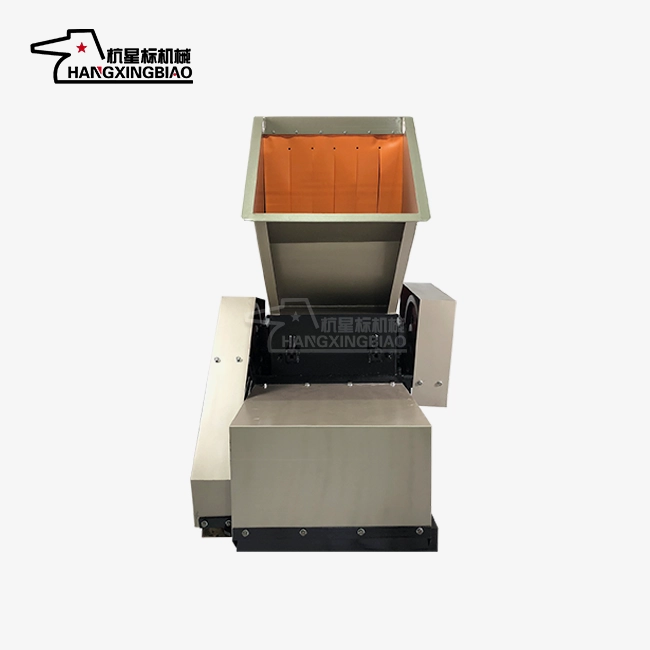
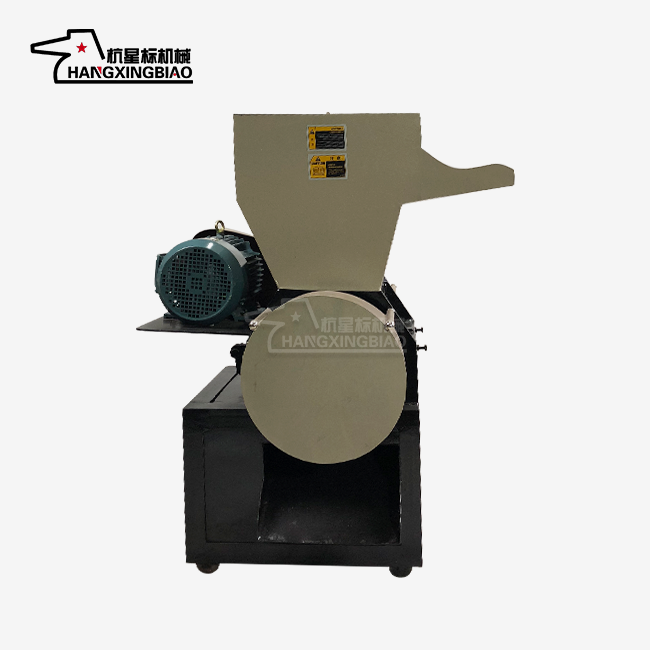
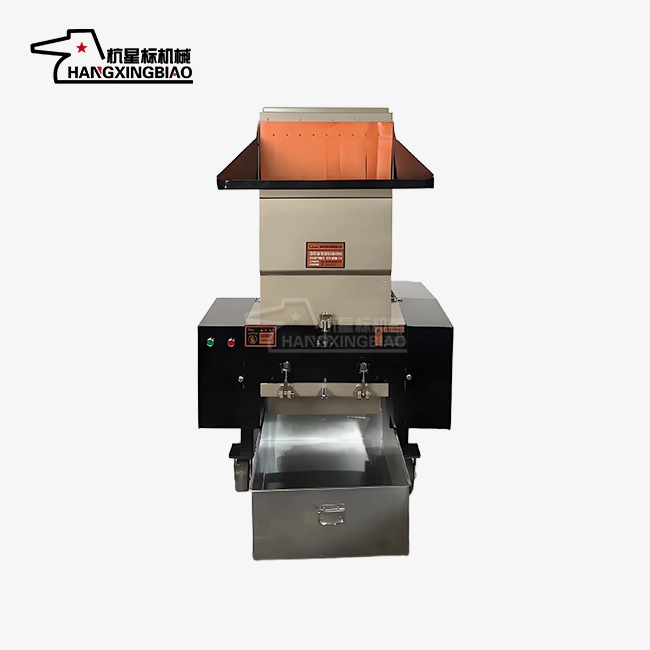
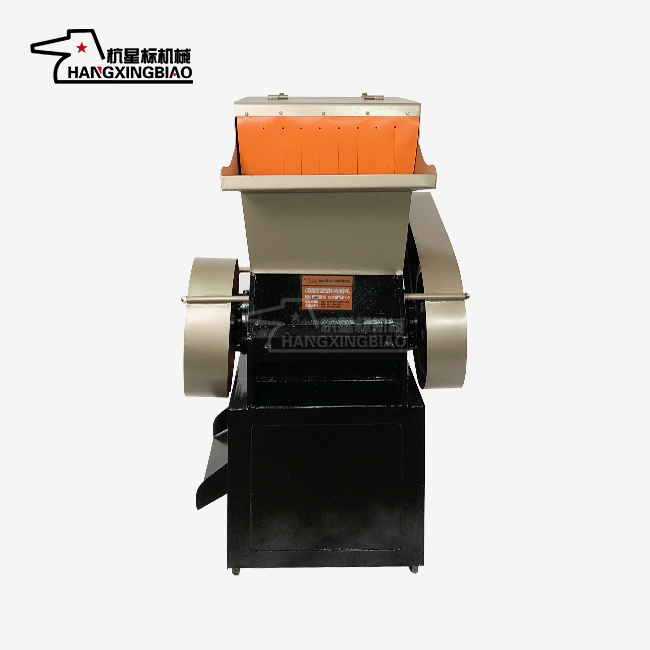
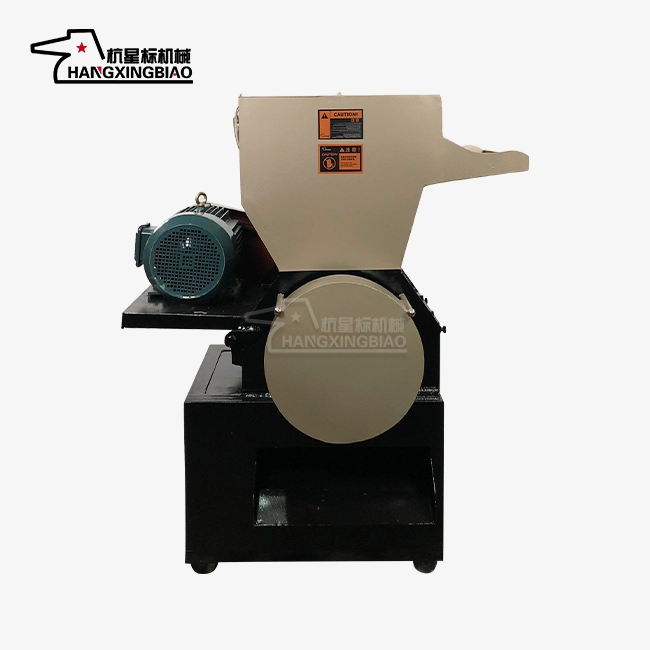
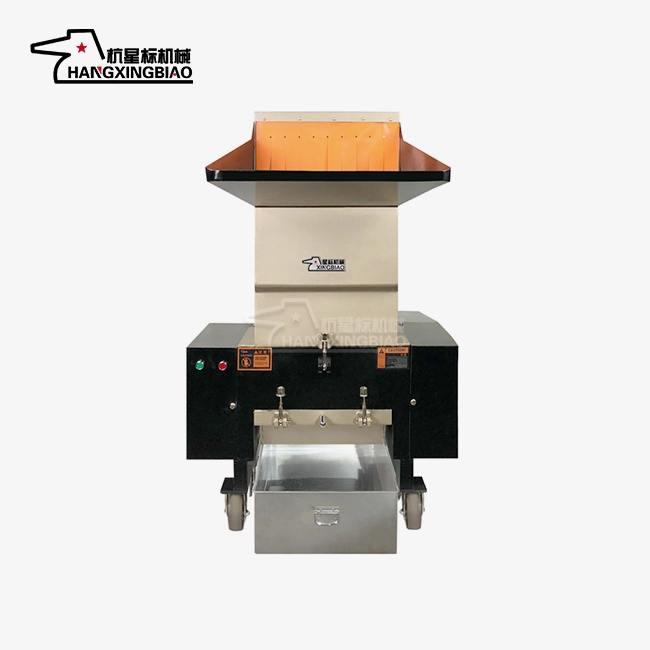
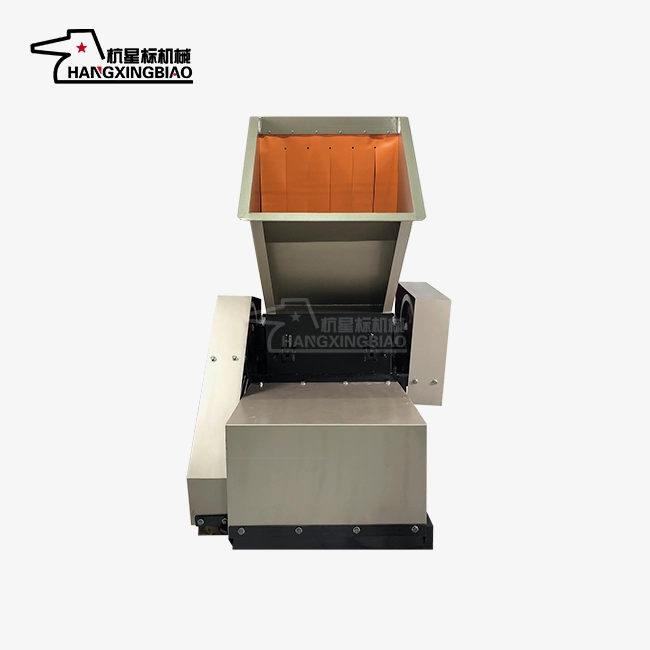
Modern technology for breaking plastic has come a long way to meet the strict needs of commercial recycling operations. Strong plastic crushers are different from other types of tools because they are built to last and can do more complex processes. High-powered motors, strengthened steel frames, and precision-engineered blade systems allow these machines to handle tough materials that would be too much for regular crushers.
Dual-Action Crushing Technology
The most modern crushers use a "shear + impact" dual-effect crushing method that keeps the material's integrity while increasing efficiency. This new method successfully breaks down plastics by combining the cutting action of precise blades with controlled impact forces. The designed cavity structure and blade spacing make sure that the particle sizes are spread out evenly, more than 90% of the time. This means that there is no need for extra screening.
Material Compatibility Across Industries
Strong plastic crushers are very flexible and can handle a wide range of plastics that are widely found in industrial settings. Specialized ways of breaking PET bottles used to make drinks, HDPE cases used for packing, and LDPE films used in manufacturing all work better. The tools can work with both stiff and flexible materials because the speed and blade design can be changed.
Specialized Design Features
When working with fibrous materials, cloth parts, and thin films, built-in anti-winding comb tooth shapes keep the machine from getting stuck. This new idea solves one of the most common problems in reusing plastic by making sure that the machine can keep running without having to stop for repairs all the time. The method keeps the flow of materials smooth and stops the tangles that happen with regular breaking equipment.
Benefits and Environmental Impact of Strong Plastic Crushers
When modern crushing technology is used, it has clear benefits for both operations and the environment. Manufacturing facilities say that their garbage processing is much more efficient now, and they are also lowering their impact on the environment by recovering more materials.
Operational Efficiency Gains
One of the best things about current crushing devices is that they can optimize the amount of energy they use. New, more advanced, strong plastic crusher units use 10–15 percent less electricity than older models while still working on materials faster. Usually, only 8–12 kWh of energy is needed to process one ton of plastic. This makes operations cost-effective even for high-volume uses. Facilities can handle more trash in less time when their material flow gets better. Industrial-scale equipment can handle between 1 and 10 tons per hour while keeping quality standards high. In factory settings, this increased capacity directly leads to lower worker costs and better operating efficiency.
Environmental Sustainability Benefits
Getting rid of more plastic trash by crushing it more efficiently helps larger sustainability efforts within manufacturing companies. The technology makes it possible to recycle production waste right away, which cuts down on the need for new plastic materials and lowers the overall cost of buying them. Many factories are able to get 30–50% recycled content in their products, which cuts down on the cost of raw materials by a large amount. The benefits of the circular economy go beyond individual sites and include lowering the damage that humans do to the world as a whole. Crushing operations that work efficiently reduce the amount of trash that needs to be dumped in landfills, cut down on the amount of transportation needed to get rid of trash, and lower the total carbon footprint of managing plastic garbage. These environmental perks help companies meet their green goals and save money at the same time.
Comparing Strong Plastic Crushers: Choosing the Best Solution
To choose the right breaking tools, you need to carefully look at their performance, how they will be used, and how much they will cost in the long run. Durability tests, processing capacity analyses, and studies of upkeep needs make the difference between strong crushers and other types of crushers clear.
Performance Differentiation
Strong crushers are made with SKD-11/D2 mold steel and Cr12MoV special steel blades that are vacuum-heated and processed at very low temperatures. These blades keep cutting well for more than 3000 hours of use and can be sharpened three to five times before they need to be replaced. When compared to normal equipment that needs blade changes often, this longevity cuts tooling costs by a large amount. Stress-relieved steel frame design keeps the frame from deforming during constant use, so it works the same way for long periods of time. Precision engineering keeps vibrations below 0.1 mm and cuts the rate of equipment failure by 40% compared to normal models.
Capacity and Configuration Options
The size of the business and the amount of work that needs to be done affect the choice of equipment. Compact units made for injection molding plants and smaller recycling operations help small to medium-sized businesses that handle 50 to 500 kg per hour. These systems take care of runner material and production trash well while taking up little room. Industrial-scale systems can handle the needs of 1 to 10 tons per hour and can run continuously 24 hours a day. These strong units can handle big recycling plants and factories that make a lot of things, and they don't need much upkeep. Custom designs solve specific processing problems, like those that come up with big cases, car parts, or special plastic mixtures.
Cost-Benefit Analysis
Lifecycle cost analysis makes it clear why strong plastic crusher equipment is better for the economy. Total purchase costs go down because upkeep needs go down, blades last longer, and energy efficiency goes up. Immediate recovery of scrap cuts the cost of buying raw materials by thousands of dollars a year and increases the rate of material utilization.

Maintenance, Troubleshooting & Safety Guidelines
Following the right repair procedures will keep safety standards high, make sure that equipment works at its best, and extend its useful life. Regular repair plans and preventive care practices help keep downtime to a minimum and return on investment to a maximum.
Routine Maintenance Procedures
Maintenance programs that work are built on standards for checking the blades. Every day while it's in use, it should be looked at visually for signs of wear, damaged edges, and loose fixing. When cutting efficiency drops or particle size consistency falls below accepted levels, the blade needs to be rotated or replaced. Lubrication systems need to be checked on a regular basis to keep rotating parts running smoothly. When used according to the manufacturer's instructions, high-quality bearing oils stop wear before it's due and lower the noise level during operation. Motor care includes cleaning, checking connections, and keeping an eye on the temperature to make sure problems don't happen from getting too hot.
Troubleshooting Common Issues
In crushing uses, material blocking is the most common problem that needs to be solved. Most blockages can be avoided by using the right feeding methods, making sure the materials are the right size, and cleaning the screen regularly. When there are blocks, the equipment must be turned off right away, and the waste must be carefully removed to keep safety standards. Noise patterns that aren't normal often mean that a motor problem is getting worse and needs to be fixed right away. When bearings wear out, blades get damaged, or mountings become loose, they can make sounds that only trained users can recognize. When problems are quickly found and fixed, they don't get worse and cause big equipment breakdowns.
Safety Protocol Implementation
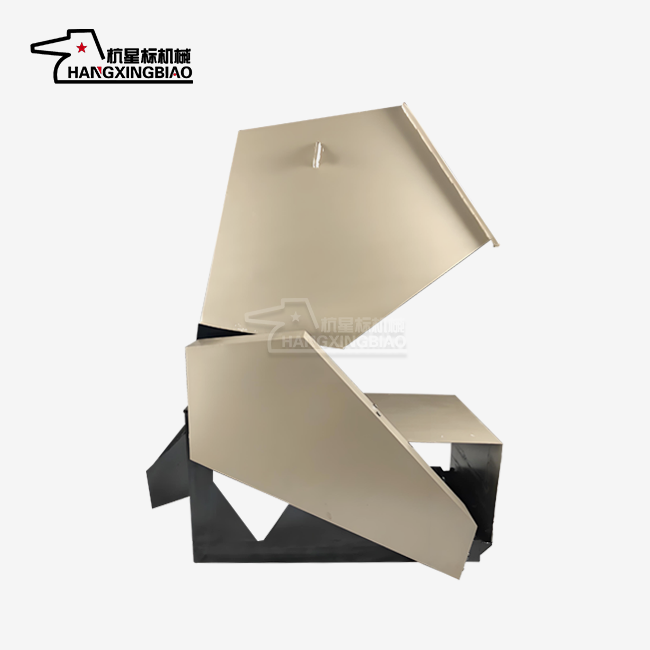
In workplace settings, detailed safety measures keep workers safe and make sure that rules are followed, especially when operating a strong plastic crusher. Fully sealed crushing rooms keep materials from flying out while they're working, and anti-rebound baffles keep workers safe while they're feeding the material. When access panels are opened, interlock systems cut the power automatically, keeping people from touching spinning parts by mistake. Safety glasses, hearing protection, and the right clothes for work are all examples of personal protective equipment that must be worn. Lockout/tagout processes make sure that equipment stays offline while repair is being done. Safety training on a regular basis keeps employees up to date on the right way to do things and what to do in a situation.
Procurement Considerations for Strong Plastic Crushers
To make strategic purchasing choices, you need to look at a supplier's skills, the specifications of their tools, and their long-term support promises. To buy tools successfully, you need to carefully consider your goals, the supplier, and the total cost of ownership.
Supplier Evaluation Criteria
The specialized knowledge needed to make good crushers is shown by Hangzhou Xingbiao Machinery Co., Ltd. Their 30-year focus on plastic breaking technology shows how well they know the business and how to make reliable, high-performance tools. The company has a research and development team of twenty top engineers that make sure the company is always coming up with new ideas while sticking to tried-and-true design principles. Working with big companies like Nongfu Spring and KFC on industry-university research projects proves that Xingbiao's technology can be used in tough industrial settings. This working together makes sure that the designs of the tools meet strict quality standards and deal with real-world operating problems.
Technical Specification Alignment
The specs of the equipment must match the needs of the work and the goals of the processing. Capacity matching makes sure that the right amount of work gets done without using too many tools, which costs more than it needs to. Screen sizes ranging from 2 to 100 mm can handle a wide range of particle size needs while still allowing for flexible processing. The ability to customize solves specific practical problems that standard tools can't handle. When you need to handle difficult materials, strong plastic crusher units made for specific uses, like big containers, car parts, or special plastic formulations, are the best way to go.
Service and Support Commitments
Full-service support makes sure that operations run smoothly and equipment works well for a long time. Professional engineering advice during the decision process helps find the best combinations and avoids common mistakes in the specifications. Installation instructions and training for operators set up the right way to use the equipment from the moment it starts up. Ongoing operational support comes from after-sales services like expert help, spare parts supply, and maintenance planning. Suppliers who promise to respond within 24 hours show that they care about their customers' success and try to keep production processes as uninterrupted as possible during downtime.
Conclusion
Strong plastic crushers are an important piece of technology for modern businesses that deal with plastic garbage. They work very well with bottles, containers, and film. Advanced dual-action grinding technology, along with strong construction and special design features, makes sure that the machine works reliably and produces high-quality results. These tools are very useful for businesses because they make things run more smoothly, need less upkeep, and recover materials more quickly. Sustainability efforts are helped by the natural benefits, which also save money by cutting down on trash and making better use of materials. It is possible to make good purchasing choices that improve working performance and protect the environment by carefully considering equipment specs, seller capabilities, and long-term support promises.
FAQ
What types of plastic materials can a strong plastic crusher process effectively?
Strong plastic crusher units excel at processing diverse plastic materials, including PET bottles, HDPE containers, LDPE films, ABS components, PVC pipes, and foam materials. The advanced blade design and variable speed controls accommodate both hard and soft plastics while maintaining consistent output quality. Built-in anti-winding features prevent jamming with fibrous materials and thin films.
How often does crushing equipment require maintenance?
The amount of maintenance needed varies depending on how often it is used and the properties of the material, but regular checks should be done every day while it is in use. Most blades need to be replaced after 3000 hours of use or more, but good blades can be sharpened three to five times. Regular cleaning and greasing keep things running at their best and stop them from wearing out too quickly.
What safety features are included in modern crushing systems?
Many safety features are built in, such as fully sealed crushing rooms, anti-rebound baffles, interlock systems that turn off the power when access panels are opened, and precise shaking control below 0.1mm. Industrial safety standards are met with emergency stop controls and lockout/tagout features that keep operators safe during repair processes.
Partner with Xingbiao for Superior Plastic Crushing Solutions
Xingbiao's strong plastic crusher technology gives you the best results for cleaning bottles, containers, and films. Our specialized expertise, gained through 30 years of focused innovation, guarantees effective equipment that helps you meet your sustainability goals and improve the efficiency of your operations. Email our engineering team at xingbiaocrusher@xingbiaocrusher.com to talk about your unique crushing needs and find out how our strong plastic crusher company solutions can help you recycle more efficiently using tried-and-true industrial technology.

References
1. Smith, J.A. "Advanced Plastic Recycling Technologies in Industrial Applications." Journal of Sustainable Manufacturing, vol. 15, no. 3, 2023, pp. 45–62.
2. Thompson, R.K. "Energy Efficiency in Plastic Waste Processing Equipment." Industrial Recycling Review, vol. 28, no. 7, 2023, pp. 113–128.
3. Chen, L.M. "Mechanical Design Principles for High-Performance Plastic Crushers." Materials Processing Engineering, vol. 41, no. 2, 2023, pp. 78–95.
4. Williams, D.P. "Environmental Impact Assessment of Plastic Crushing Technologies." Environmental Engineering Quarterly, vol. 19, no. 4, 2023, pp. 203-219.
5. Rodriguez, M.E. "Cost-Benefit Analysis of Industrial Plastic Recycling Systems." Manufacturing Economics Journal, vol. 33, no. 1, 2023, pp. 156–174.
6. Anderson, K.J. "Safety Standards and Best Practices in Plastic Processing Equipment." Industrial Safety Review, vol. 22, no. 6, 2023, pp. 89–104.
Learn about our latest products and discounts through SMS or email