- English
- French
- German
- Portuguese
- Spanish
- Russian
- Japanese
- Korean
- Arabic
- Greek
- German
- Turkish
- Italian
- Danish
- Romanian
- Indonesian
- Czech
- Afrikaans
- Swedish
- Polish
- Basque
- Catalan
- Esperanto
- Hindi
- Lao
- Albanian
- Amharic
- Armenian
- Azerbaijani
- Belarusian
- Bengali
- Bosnian
- Bulgarian
- Cebuano
- Chichewa
- Corsican
- Croatian
- Dutch
- Estonian
- Filipino
- Finnish
- Frisian
- Galician
- Georgian
- Gujarati
- Haitian
- Hausa
- Hawaiian
- Hebrew
- Hmong
- Hungarian
- Icelandic
- Igbo
- Javanese
- Kannada
- Kazakh
- Khmer
- Kurdish
- Kyrgyz
- Latin
- Latvian
- Lithuanian
- Luxembou..
- Macedonian
- Malagasy
- Malay
- Malayalam
- Maltese
- Maori
- Marathi
- Mongolian
- Burmese
- Nepali
- Norwegian
- Pashto
- Persian
- Punjabi
- Serbian
- Sesotho
- Sinhala
- Slovak
- Slovenian
- Somali
- Samoan
- Scots Gaelic
- Shona
- Sindhi
- Sundanese
- Swahili
- Tajik
- Tamil
- Telugu
- Thai
- Ukrainian
- Urdu
- Uzbek
- Vietnamese
- Welsh
- Xhosa
- Yiddish
- Yoruba
- Zulu
Advanced Industrial Shredder for Waste Management Systems
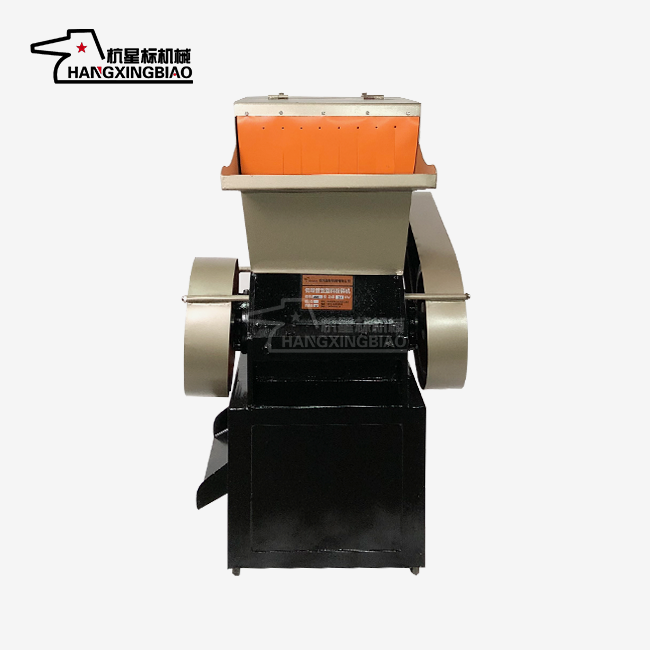
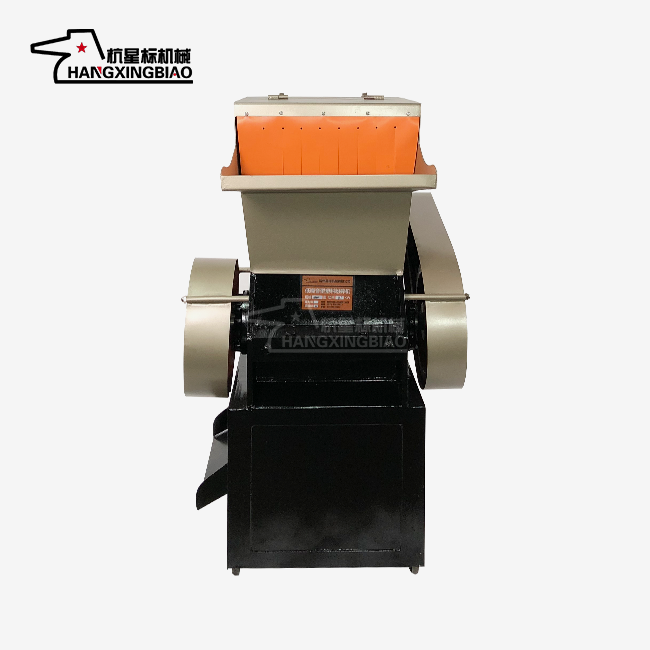
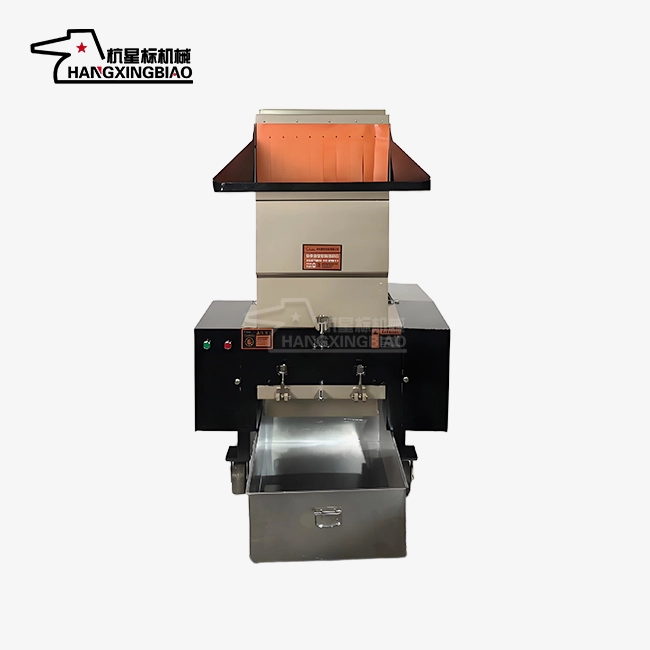
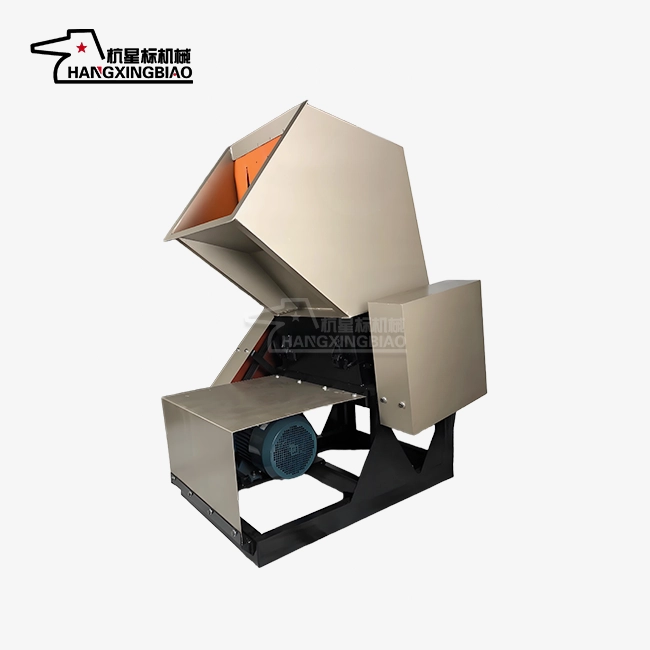
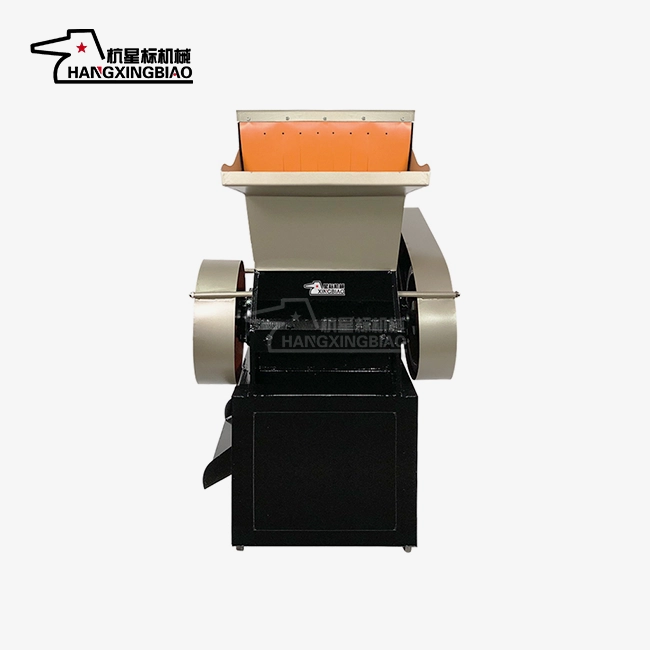
Modern garbage management problems can be solved with the help of industrial shredder systems, which give businesses the power to turn huge amounts of trash into useful resources. These high-tech tools are great at processing a wide range of materials, from cardboard and plastic bottles into 2-20 mm pieces that can be moved to rubber and plastic waste that is reduced to 2-8 mm bits that can be directly used in the production of new materials. When working with mixed municipal waste or specific materials like corn straw that has been broken up into 2–5 mm feed particles, advanced shredding technology offers stable discharge performance, excellent compatibility, and outstanding cost-effectiveness that greatly enhances crushing efficiency while lowering material processing costs.

Understanding Industrial Shredders and Their Role in Waste Management
Modern industrial shredder technology is the basis of effective waste management systems. It gives companies strong mechanical solutions that can handle different types of material streams accurately and reliably. These strong tools break down big, awkward pieces of trash into smaller, easier-to-handle pieces that can then be processed, transported, and recycled across many industries.
Core Components and Working Principles
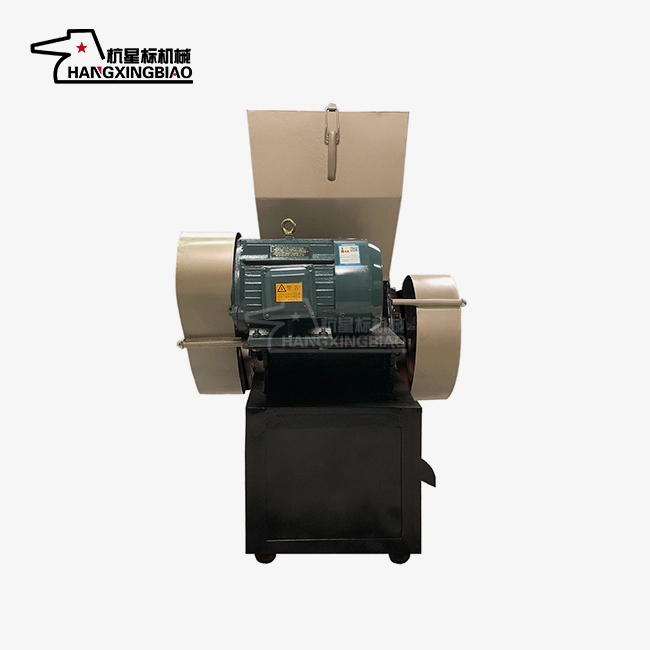
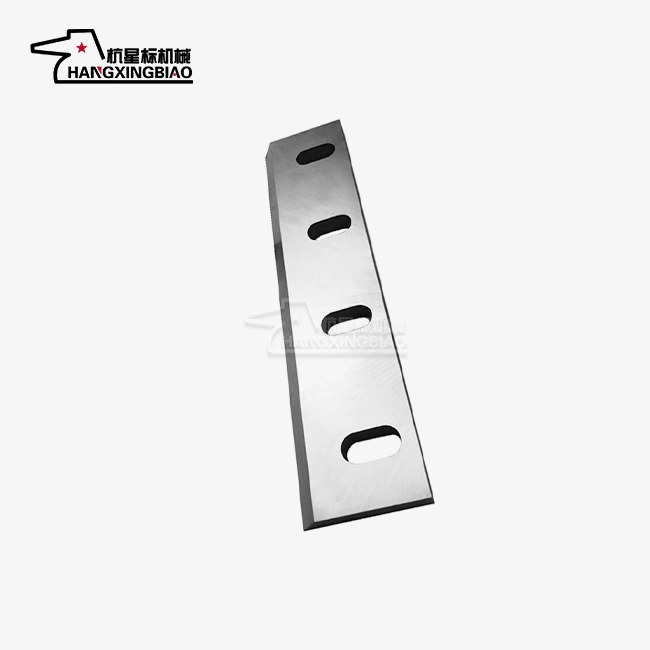
Industrial cutting systems work by having many designed parts interact with each other in complex ways. Blades made of expensive materials like SKD-11, D2 tool steel, and Cr12MoV special metals are hardened and used as the main cutting mechanism. These blades go through advanced vacuum heat treatment and cryogenic processing to get to HRC55–60 hardness levels that make them very durable and good at cutting. The design of the shredding room includes motor and drive systems that are better at converting torque to power. This way of thinking about engineering means that 8–12 kWh of energy is needed to make one ton of plastic, which is 10–15 percent less energy than traditional equipment designs. The outcome directly leads to lower operating costs and higher profit margins for manufacturing businesses.
Applications Across Industries
Waste management is used in many different industries, and each one needs its own unique way of moving things around. Shredding technology is used by companies that make plastic to turn injection-molded parts, lines, and profiles into streams of material that can be used again. These methods help recycling centers deal with large amounts of plastic waste, like films, woven bags, and oddly shaped things like trash cans and car tires. It can be used for more than just standard plastic processing tasks. Agricultural operations use shredding equipment to turn organic materials like corn stalks and straw into regular feed pieces that are 2 to 5 mm in size. This makes storage more efficient and feed delivery to animals better. This ability to be used in many different areas shows the basic value of improved cutting technology in helping circular economy projects.
Choosing the Right Industrial Shredder for Your Business Needs
To choose the right shredding tools, you need to carefully consider your operational needs, the properties of the materials you'll be shredding, and your performance standards. When making smart buying choices, you should think about both the current processing needs and the long-term operating efficiency and total cost of ownership.
Equipment Configuration Options
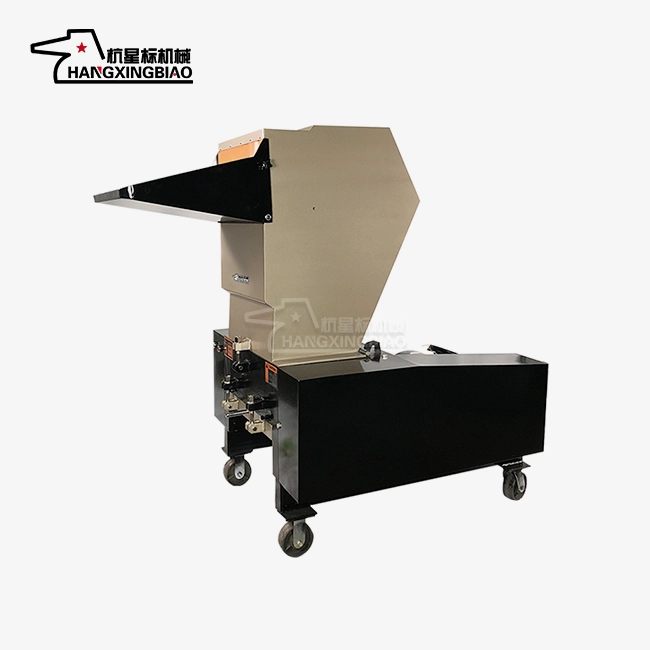
Different cutting setups solve different problems with handling materials and meet different production volume needs, especially when selecting an Industrial shredder. Single-shaft shredders are great for handling bulky materials that need to be broken down into smaller pieces consistently. This makes them perfect for recovering plastic and destroying documents. These methods give you great control over the size of the product and work well with materials that aren't contaminated much. When working with difficult materials that have metal parts, twisted waste streams, or different densities, dual-shaft setups can handle them better. The design of the counter-rotating shaft keeps the flow constant and prevents jamming. This makes these systems especially useful for processing mixed garbage and handling industrial scrap.
Capacity and Performance Matching
Aligning production capacity makes sure that equipment, such as an industrial shredder, is used in the best way possible and that material flow doesn't get slowed down. Standard types of industrial shredders that can handle 500 to 2000 kg of material per hour are usually best for small to medium-sized recycling businesses. These systems are affordable options for companies that need flexible processing power but don't want to spend a lot of money on it. Large companies that make things often need custom solutions, including integrated industrial shredders, that can work with their current production lines without any problems. High-capacity industrial shredders that can handle 3000 kg or more per hour can handle the continuous operation needs of injection molding plants, packaging factories, and large recycling centers. The ability to integrate with an industrial shredder lets materials be moved automatically, which cuts down on work needs while keeping processing quality high.
Enhancing Performance and Safety in Industrial Shredder Operations
To keep shredding working at its best and keep the workplace safe, equipment needs to be operated, maintained, and monitored in a planned way. These habits have a direct effect on how long technology lasts, how well it works, and how well it follows the rules in workplace settings.
Maintenance and Reliability Protocols
Preventive repair plans make sure that equipment is always available and that unexpected shutdown costs are kept to a minimum. Regular upkeep and inspection plans for the blades make sure that they always cut well during operating rounds. With normal plastics, high-quality blade materials usually last between 3,000 and 5,000 hours of use. Professional resharpening services can add another 3 to 5 cycles to blade life, which cuts replacement costs by about 60%. The repair plan includes routines for lubrication, checking of bearings, and keeping an eye on motor performance. Quick-change screen structures make repair work go more quickly, and open chamber designs let you clean thoroughly, which stops material buildup and contamination problems. These design features keep the working performance stable while minimizing repair downtime.
Safety Systems and Operator Protection
Industrial shredder safety systems have many layers of protection to keep operators from getting hurt and machinery from getting damaged. Designs that are completely sealed and made of thick steel plates keep processing activities safely contained while lowering noise levels. Safety guards and anti-rebound vents keep material from ejecting during operation. Advanced models have interlock systems that turn off the power automatically when the access rooms open. This keeps people from touching moving parts while they are maintaining or adding materials. Emergency stop controls let you turn off the power right away, and safety training routines make sure that operators know how to properly deal with and maintain equipment.

Procurement, Installation, and After-Sales Support for Industrial Shredders
To successfully buy equipment, you need to think about more than just the original purchase choice. You also need to think about the quality of the installation, ongoing support services, and building long-term partnerships with equipment suppliers. These things have a big effect on the total cost of ownership and the success of operations.
Supplier Evaluation and Selection Criteria
When looking at possible equipment providers, you need to look at their professional skills, service infrastructure, and experience in the business. Established companies that only make cutting technology usually have better product knowledge and application knowledge than companies that only sell tools. Companies that have been specializing in plastic breaking technology for 30 years show that they have the deep knowledge needed to solve difficult application problems. Research and development skills show that a seller is dedicated to always getting better and making technology better. Partnerships with big businesses and universities show that the company has strong tech skills and can respond to market needs. Because of these connections, customers can often get new ideas and dependable technical help for their apps.
Installation and Commissioning Support
Professional installation services make sure that the equipment is set up correctly and works at its best from the start. Installation teams with a lot of experience know what needs to be done for the equipment to work properly, such as the base requirements, electrical connections, and how to incorporate material handling. Proper placement increases the life of tools and lowers the chance of running problems. As part of commissioning support, there are programs for teaching operators that make sure workers know how to use the equipment safely and do basic repairs. Comprehensive training cuts down on operating mistakes and increases the use of tools and safety standards. Documentation packages contain ongoing reference materials for planning upkeep and figuring out what's wrong.
Future Trends and Innovations in Industrial Shredding Technology
Industrial shredder technology is always getting better to keep up with changing market needs, environmental rules, and the need for operating efficiency. Businesses can make smart financial choices that take into account future needs and changes in the law when they understand these trends.
Automation and Smart Monitoring Integration
More and more, modern shredding systems have automated tracking features that give real-time information about performance and tips on how to avoid problems with future upkeep. Smart monitors keep an eye on things like how much power is being used, how much shaking there is, and changes in temperature that can tell you if your equipment needs to be serviced before it breaks down. Integration with facility management systems lets you watch from afar and send reports automatically, which cuts down on the need for staff while improving operational control. These systems help with data-driven strategies for performance optimization and schedule upkeep that make sure that equipment is always available and operations run smoothly.
Environmental Compliance and Sustainability
Tougher rules about the environment are still driving the need for trash options that are more efficient and last longer. Designs that use less energy cut down on carbon emissions and meet cost-cutting goals. New technologies for controlling noise help meet safety standards at work and community noise laws that affect industry operations. Circular economy ideas are having a bigger impact on how technology is made and how it is used. Shredding technology helps with material recovery activities that make useful secondary material streams while lowering the cost of throwing away waste. These uses help companies reach their environmental goals while also creating extra ways to make money by selling recycled materials.
Conclusion
Modern garbage management systems need advanced industrial shredder technology to work properly. This technology makes operations more efficient, cuts costs, and protects the environment. Strong engineering, energy-efficient operation, and a wide range of support services come together to offer businesses in many fields appealing value propositions. Success depends on carefully choosing the right equipment, installing it correctly, and keeping it in good shape with help from experienced providers who want to build long-term relationships with their customers. Buying good cutting equipment is a smart business move that will help with both current operations and long-term goals for business growth.
FAQ
What materials can industrial shredders process effectively?
Plastic injection-molded parts, pipes, profiles, films, knitted bags, cardboard, rubber parts, and organic materials like corn straw are just some of the things that modern industrial shredders can cut up. The important thing is to choose the right blade configurations and chamber designs for the material you're working with and the particle sizes you want to produce.
How do I determine the right shredder capacity for my operation?
The choice of capacity is based on the amount of material that needs to be processed, the plan for operations, and how well it fits in with current production processes. Small businesses usually need systems that can handle 500 to 2000 kg/h, while big factories usually need systems that can handle 3000 kg/h or more. Think about times of high demand and leave room for practical freedom in your capacity margins.
What maintenance requirements should I expect with industrial shredding equipment?
Regular maintenance includes blade inspection every 500 to 1000 hours of use, lubrication according to manufacturer schedules, and periodic bearing assessments. Quality blade materials provide 3,000 to 5,000 hours of operation and can be resharpened three to five times, which makes repair costs much lower than with lower-quality options.
Transform Your Waste Management Operations with Xingbiao Industrial Shredders
Xingbiao Machinery Co., Ltd. is ready to change the way you deal with trash with our high-tech industrial shredder solutions, which are designed to be as reliable and efficient as possible. Because we've been specializing in crushing technology for 30 years, you can be sure that the tools you get will be perfect for your needs. Get in touch with our engineering team at xingbiaocrusher@xingbiaocrusher.com to talk about unique solutions that can turn your trash streams into useful resources while also cutting down on costs. As a top maker of industrial shredders, we offer full support, from the initial consultation to ongoing repair services that make the most of the money you spend on your equipment.

References
1. Industrial Waste Management and Shredding Technology Applications in Manufacturing Systems, Journal of Environmental Engineering, 2023.
2. Comparative Analysis of Single-Shaft versus Dual-Shaft Shredder Performance in Plastic Recycling Operations, Recycling Technology Review, 2024.
3. Energy Efficiency Standards and Performance Metrics for Industrial Shredding Equipment, Industrial Equipment Engineering Quarterly, 2023.
4. Safety Protocols and Risk Management in Industrial Shredding Operations, Occupational Safety and Health Management, 2024.
5. Economic Analysis of Total Cost of Ownership for Industrial Waste Processing Equipment, Manufacturing Economics Today, 2023.
6. Technological Innovations and Future Trends in Automated Waste Management Systems, Environmental Technology Innovation Report, 2024.
Learn about our latest products and discounts through SMS or email