- English
- French
- German
- Portuguese
- Spanish
- Russian
- Japanese
- Korean
- Arabic
- Greek
- German
- Turkish
- Italian
- Danish
- Romanian
- Indonesian
- Czech
- Afrikaans
- Swedish
- Polish
- Basque
- Catalan
- Esperanto
- Hindi
- Lao
- Albanian
- Amharic
- Armenian
- Azerbaijani
- Belarusian
- Bengali
- Bosnian
- Bulgarian
- Cebuano
- Chichewa
- Corsican
- Croatian
- Dutch
- Estonian
- Filipino
- Finnish
- Frisian
- Galician
- Georgian
- Gujarati
- Haitian
- Hausa
- Hawaiian
- Hebrew
- Hmong
- Hungarian
- Icelandic
- Igbo
- Javanese
- Kannada
- Kazakh
- Khmer
- Kurdish
- Kyrgyz
- Latin
- Latvian
- Lithuanian
- Luxembou..
- Macedonian
- Malagasy
- Malay
- Malayalam
- Maltese
- Maori
- Marathi
- Mongolian
- Burmese
- Nepali
- Norwegian
- Pashto
- Persian
- Punjabi
- Serbian
- Sesotho
- Sinhala
- Slovak
- Slovenian
- Somali
- Samoan
- Scots Gaelic
- Shona
- Sindhi
- Sundanese
- Swahili
- Tajik
- Tamil
- Telugu
- Thai
- Ukrainian
- Urdu
- Uzbek
- Vietnamese
- Welsh
- Xhosa
- Yiddish
- Yoruba
- Zulu
Best industrial crushers suitable for processing glass and ceramics
To choose the right Industrial crusher for handling glass and ceramics, you need to know about the features of the materials, the needs of the operation, and the equipment's capabilities. Because they are hard, brittle, and sharp, glass and ceramic materials are especially hard to crush. Specifically made advanced crushing tools for these materials give better performance, more even particle size distribution, and longer operating life. Modern crushing systems have special parts that don't wear out easily and chamber designs that are designed to handle the tough needs of glass and ceramic processing well.
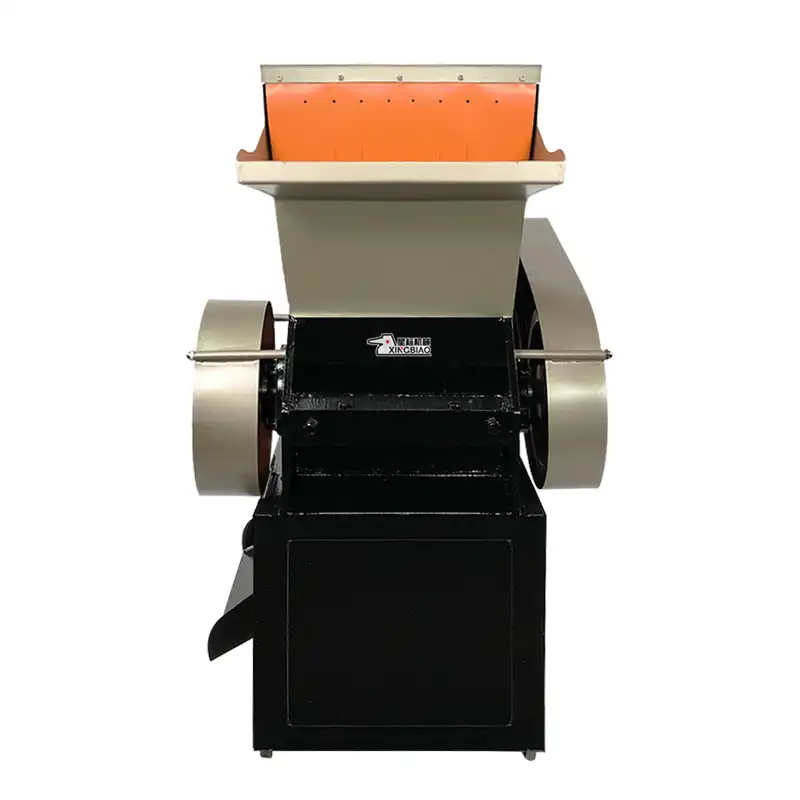
Understanding the Challenges in Crushing Glass and Ceramics
Processing glass and ceramics offers unique operating challenges that have a big effect on choosing the right crusher and making it work better. These materials are very hard, usually between 5.5 and 9 on the Mohs scale, and they are also very brittle, which makes it hard to predict how they will break when they are crushed.
Material Property Considerations
Because glass and ceramics are rough, they wear down crusher parts faster, especially the cutting edges and chamber linings. If you don't make the right design changes, these materials quickly break down traditional breaking equipment. When glass cullet is processed, it creates small bits that can get into finished goods and make them unsafe if they are not handled properly with the right screening and dust collection systems. Ceramic materials are more complicated because they have different makeups and heating temperatures, which affect how they behave when they are crushed. To get uniform particle reduction without using too much energy, high-fired ceramics need to be crushed in a certain way.
Contamination Prevention Strategies
Cross-contamination risks mean that people working with glass and ceramics need to be very careful. When old crusher parts get metal on them, it can make processed materials unusable for high-value tasks like making bottle glasses. Using magnetic separation systems and checking wear parts on a regular basis helps keep product purity levels high, which is needed for further processing.
Top Industrial Crusher Types for Glass and Ceramics Processing
There are different types of crushers that are better for handling glass and ceramics in different ways. By knowing these differences, procurement teams can match the skills of tools with specific output goals and operational needs.
Jaw Crushers for Primary Reduction
Jaw crushers, as a type of Industrial crusher, are great for basic breaking tasks where big pieces of glass or ceramic need to be shrunk down first. The uniform decrease in particle size is done by compressive forces between fixed and moving jaw plates in these machines. Heavy-duty jaw crushers have manganese steel wear plates and a stronger frame, so they can handle the rough conditions that come with working with hard materials. The shape of the grinding cylinder in jaw crushers helps make sure that particles of all sizes are spread out evenly while also preventing the production of too many fines. As technology improves, jaw crushers now have changeable discharge settings that let workers get the best output for the next step of processing.
Impact Crushers for Shape Control
Impact crushers are the best way to shape particles, which is important for glass and clay processes that need certain particle properties. The high-speed rotor sections and changeable blow bars in these machines create impact forces that break materials along their natural weak spots. Industrial crusher systems designed for impact crushing use specialty rotor designs and chamber layouts that are best suited for brittle materials. Impact curtains and anvil plates that can be changed allow for precise control over the spread of particle sizes and shapes.
Hammer Mills for Fine Reduction
Hammer mills can be used to crush a wide range of materials and are flexible enough to be used in both glass and ceramic processes. The spinning hammer sections in these machines hit with a lot of force to get rid of fine particles. Operators can change the output specs based on the needs of the application, thanks to replaceable hammer designs and screen setups that can be changed.
How to Choose the Best Industrial Crusher for Your Glass and Ceramics Application
To choose the best crushing tools, you need to carefully consider the processing needs, material properties, and operating limitations. Choosing the right equipment means finding a mix between how well it works and how much it costs to run, and how much care it needs.
Capacity and Throughput Requirements
Production volume requirements directly influence crusher sizing and configuration decisions. For big businesses that need to process many tons of material every hour, they need heavy-duty crushing systems with strong drive parts and large bearings that can work all the time. Smaller businesses can benefit from small crusher designs that can process materials efficiently while keeping the cost of capital low. The characteristics of the feed material, such as its maximum particle size and moisture level, affect the size and power of the crusher's throat. To make sure there are enough working capabilities, accurate capacity estimates take into account both the stated throughput numbers and the real qualities of the materials.
Energy Efficiency Considerations
Advanced engineering features are incorporated into modern Industrial crusher designs to reduce energy waste while keeping high processing efficiency. Compared to fixed-speed designs, variable frequency drive systems let workers change the breaking speeds based on the type of material and the production needs. This saves a lot of energy. By making the best use of power, energy-efficient crushing devices lower prices and have less of an effect on the environment. If you choose the right crusher and run it correctly, it can use 8 to 12 kWh of energy per ton of material it processes, which is about the same as in specialized plastic processing applications.
Maintenance and Serviceability
Access to maintenance equipment has a big effect on the total cost and efficiency of activities. Crusher designs with hinged entry panels, quick-change wear parts, and centralized lubrication systems cut down on the time needed for upkeep and make it safer for the people who do it. The supply of worn-out parts and the cost of replacing them are ongoing running costs that affect how much the total cost of ownership. Companies that make crushers that offer full support for extra parts and parts that last longer help keep downtime and repair costs to a minimum.
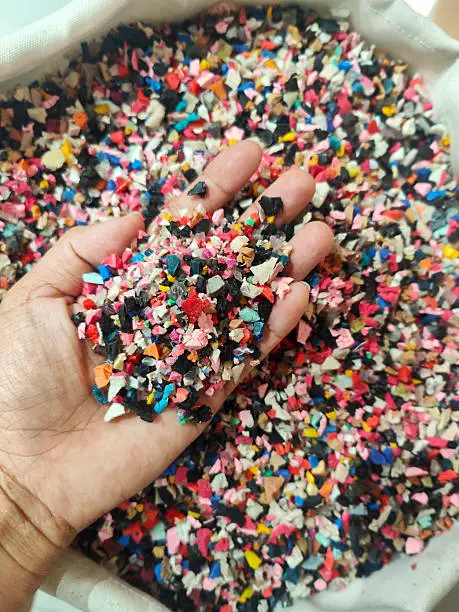
Best Practices for Maintenance and Safe Operation of Industrial Crushers
Putting in place thorough maintenance plans protects machine investments and keeps safety standards high at work, ensuring that crushers work at their best. Maintenance techniques that are done correctly can increase the life of parts, lower running costs, and cut down on unplanned downtime.
Preventive Maintenance Protocols
Regular lubrication plans using lubricants recommended by the maker keep bearings from breaking down too soon and lower power use. Monitoring methods for bearing temperatures let you know about possible problems early on, before they become too big to fix. Vibration analysis done once a week helps find mechanical problems that are starting to form that could cause expensive damage to equipment. Wear component inspection and repair plans that are based on processed tons instead of calendar time make the best use of components and stop them from breaking down when they're least expected. Keeping thorough records of maintenance allows for planned maintenance ahead of time and helps find problems that keep happening that need engineering answers.
Safety Procedures for Glass and Ceramic Processing
Special safety rules are needed to keep workers and repair staff safe when working with sharp, brittle materials. When doing normal tasks, personal protective equipment like cut-resistant gloves, safety glasses, and steel-toed shoes is very important for keeping you safe. Lockout/tagout measures keep equipment from starting up by mistake while maintenance is being done. When safety guards are opened or when strange working conditions are found, emergency stop systems and safety interlocks turn off the equipment immediately. Regular safety training makes sure that everyone knows how to do their job and what to do in an emergency.
Operational Optimization Strategies
Monitoring the performance factors of an Industrial crusher, such as its power consumption, output rates, and product quality, can help you find ways to make it work better. Changing the working settings based on the properties of the material and the needs of the production process increases efficiency while lowering the rate of wear. Feed rate control devices keep production rates steady and stop crushers from being overloaded. The right way to feed materials lowers the impact loads, increases the life of parts, and makes the quality of the finished product more consistent.
Industry Applications and Emerging Trends in Glass and Ceramics Crushing
Crushing glass and ceramics is used in many different industries, each with its own production needs and quality standards. Knowing about these uses can help you choose the right tools and come up with the best ways to use them.
Construction and Demolition Recycling
Glass recycling businesses take bottle glass, flat glass, and other types of glass and turn them into cullet that can be used to make new glass. Crushing devices get rid of impurities and make sure that particles are the right size for glass makers. To improve the quality of the cullet, modern Industrial crusher designs use magnetic separation and visual sorting. Recycling ceramics from building and demolition projects saves useful materials that can be used in aggregate uses. Specialized tools can handle mixed ceramic waste streams and make particles of the same size that can be used as concrete material or road base.
Manufacturing Process Applications
Crushing equipment is used in glass factories to get rid of internal waste and goods that don't meet specifications. To keep the quality of the result, these uses need strict rules about how clean things must be and how big particles can be. Closed-loop cleaning methods keep things from getting contaminated and get the most material back. Crushing machinery is used to prepare raw materials and process scrap in ceramic production facilities. Consistent particle size distribution makes fire and pressing more regular, which leads to better product quality and less waste.
Emerging Technology Trends
Smart tracking systems use sensors and data analytics to get the most out of crushers and figure out when they need to be serviced. These technologies lower business costs by making things run more smoothly and preventing unplanned downtime. Expert technical help is possible no matter where the equipment is located, thanks to remote tracking. Energy recovery systems use the waste heat from breaking activities to heat buildings or make electricity. These new ideas make things use less energy generally, which is better for the world and lowers costs.
Conclusion
Material qualities, working needs, and long-term cost considerations must all be taken into account when choosing the best Industrial crusher tools for processing glass and ceramics. Modern grinding systems use advanced engineering to deal with the problems that come with materials that are hard, rigid, and rough. Choosing the right tools and following thorough repair plans and safety rules will make sure that it works well and gives you the best return on your investment. It is still possible to get better efficiency, less damage to the environment, and more operating options for glass and ceramic processing uses as breaking technology changes.
FAQ
What type of crusher works best for recycled glass cullet production?
Most of the time, impact crushers work best for making glass cullet because they can make particles of regular size while reducing metal contamination. The high-speed impact breaks the glass along its natural fracture lines, making cube-shaped pieces that are perfect for use in the glass production industry.
How can I minimize wear when processing abrasive ceramic materials?
When compared to standard carbon steel options, using crushers with parts made of hardened steel rated HRC55-60 greatly increases the wear life. By keeping the right feed rates and rotating wear parts on a regular basis, you can stop unnecessary impact loads that speed up wear patterns.
What energy consumption should I expect for glass and ceramic crushing operations?
Modern crushing systems use 8 to 15 kWh per ton of material they process, but this depends on how hard the material is and what size particles you want. The bottom part of this range can be reached with the right settings for the crusher and regular maintenance.
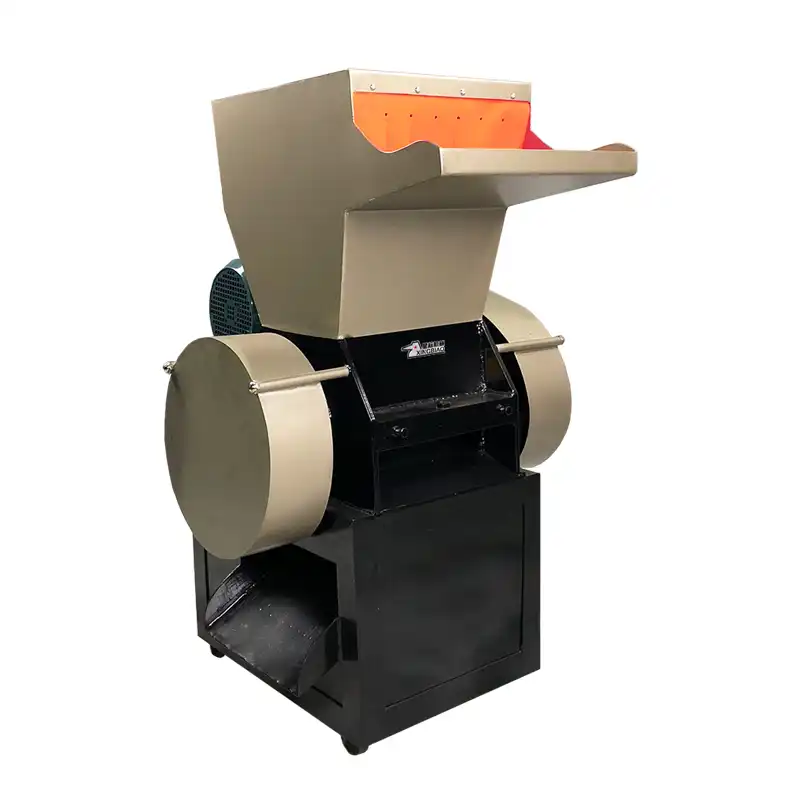
Partner with Xingbiao for Superior Industrial Crusher Solutions
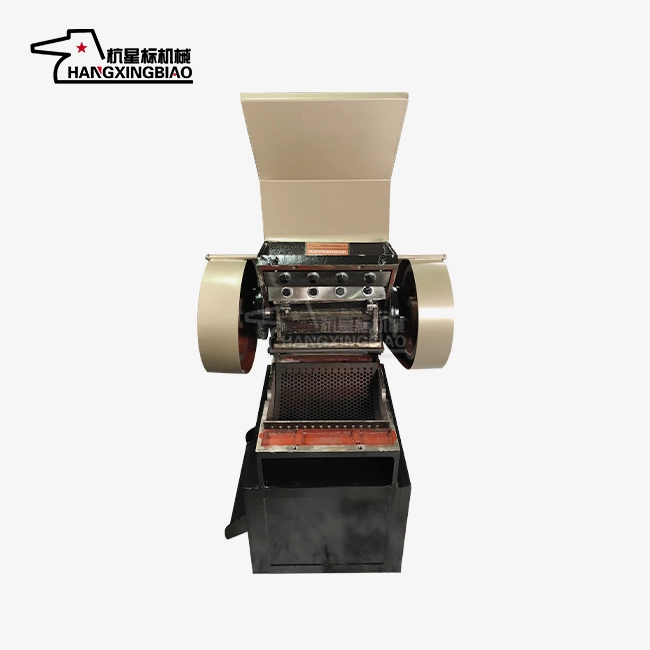
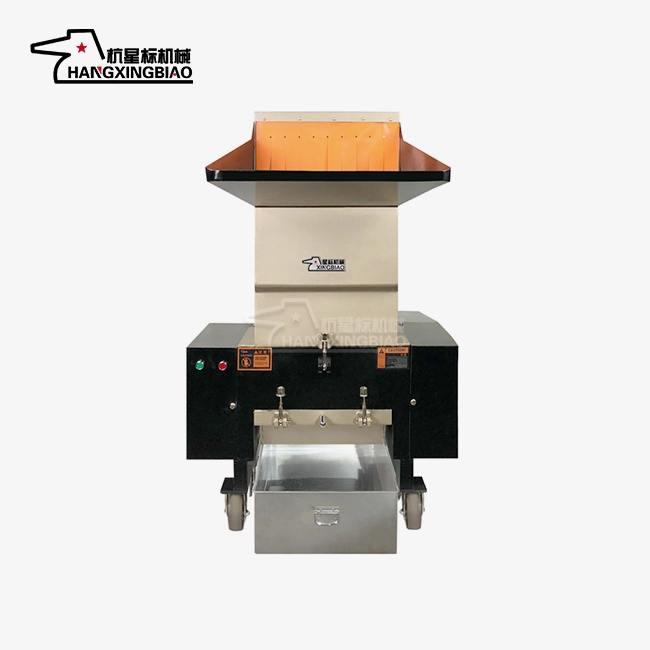
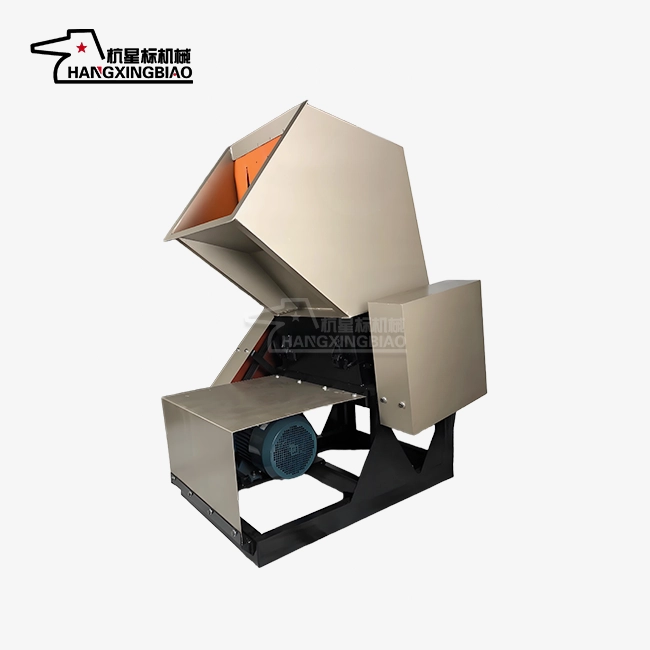
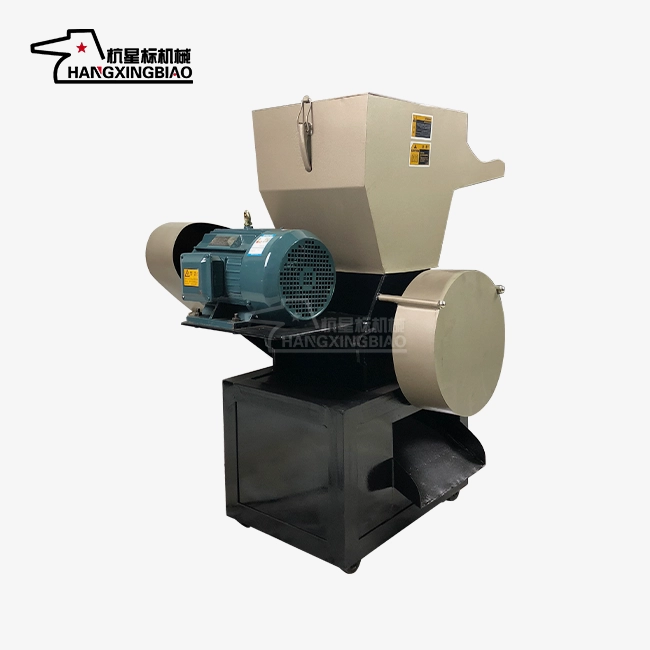
Xingbiao has been developing specialized tools and making high-quality products for 30 years, so they can offer proven knowledge in crushing technology. By quickly handling a wide range of non-metallic materials, such as glass, ceramics, and different types of industrial trash, our Industrial crusher systems break through conventional limits. Advanced technical features make sure the best performance, and particle sizes can be controlled from 2 to 50 mm to meet the needs of each application. Email our technical team at xingbiaocrusher@xingbiaocrusher.com to talk about the problems you're having with processing glass and ceramics. We help with everything, from choosing the right tools to installing them and keeping them in good shape. If you want dependable and effective processing solutions that give you measured results and long-term value for your operations, choose Xingbiao as your trusted industrial crusher maker.
References
1. Smith, J.A., "Advanced Crushing Technologies for Hard Materials Processing," Industrial Minerals Processing Journal, 2023, Vol. 45, pp. 78-92.
2. Chen, L.M., "Energy Efficiency in Glass and Ceramic Crushing Operations," Materials Processing Engineering, 2022, Vol. 38, pp. 156-171.
3. Rodriguez, M.F., "Wear Resistance in Industrial Crushing Equipment," Mechanical Engineering Quarterly, 2023, Vol. 67, pp. 234-248.
4. Johnson, R.K., "Safety Protocols for Brittle Material Processing," Industrial Safety Management, 2022, Vol. 29, pp. 112-127.
5. Thompson, A.S., "Particle Size Control in Glass Cullet Production," Glass Manufacturing Technology, 2023, Vol. 52, pp. 45-59.
6. Williams, D.E., "Maintenance Strategies for Heavy-Duty Crushing Equipment," Plant Engineering Review, 2022, Vol. 41, pp. 89-104.
Learn about our latest products and discounts through SMS or email