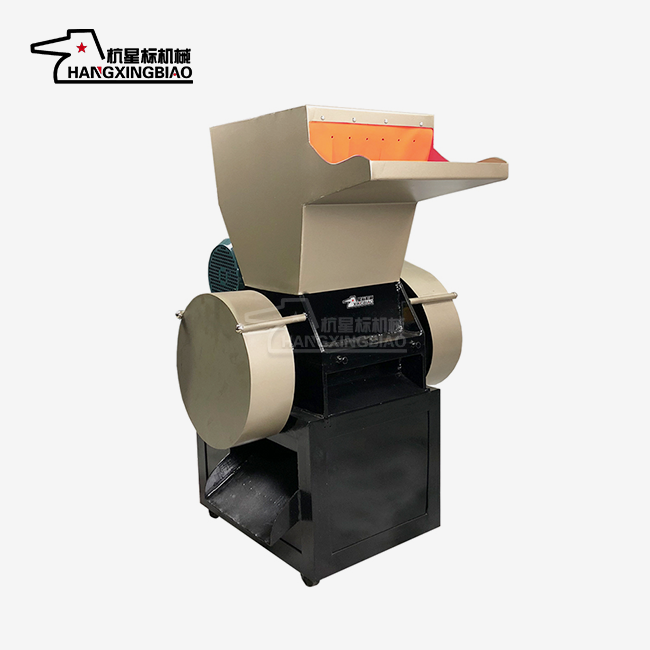
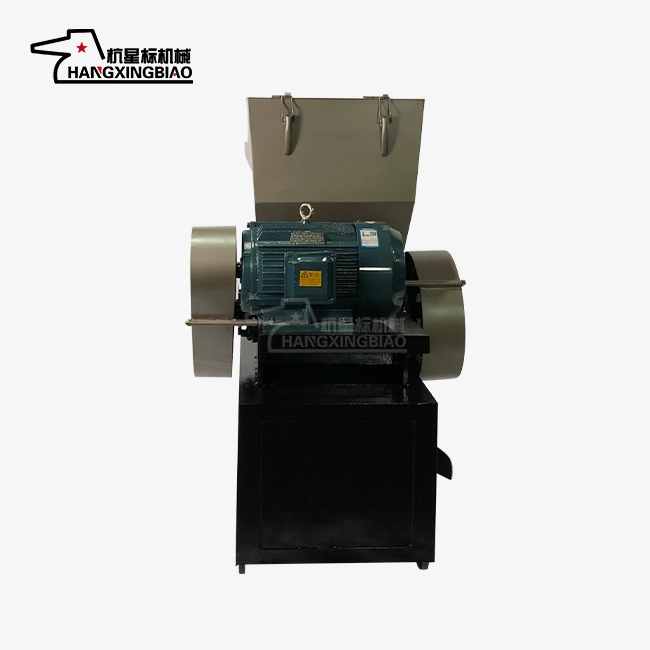
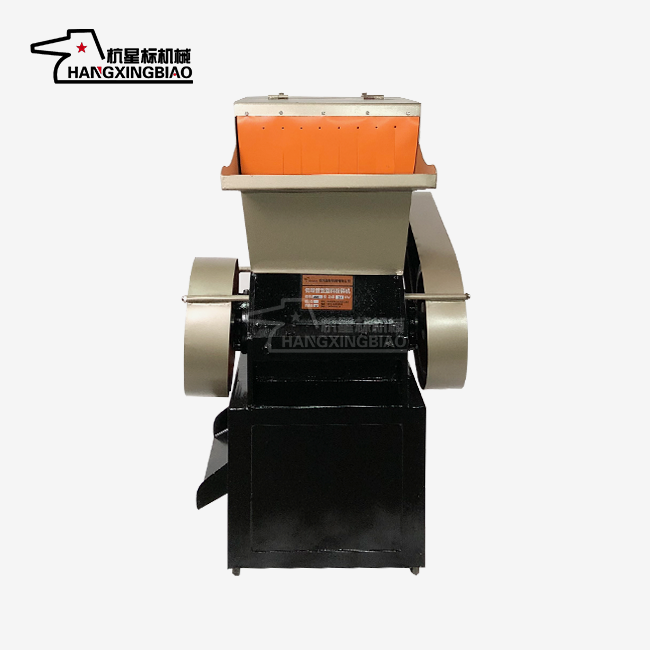
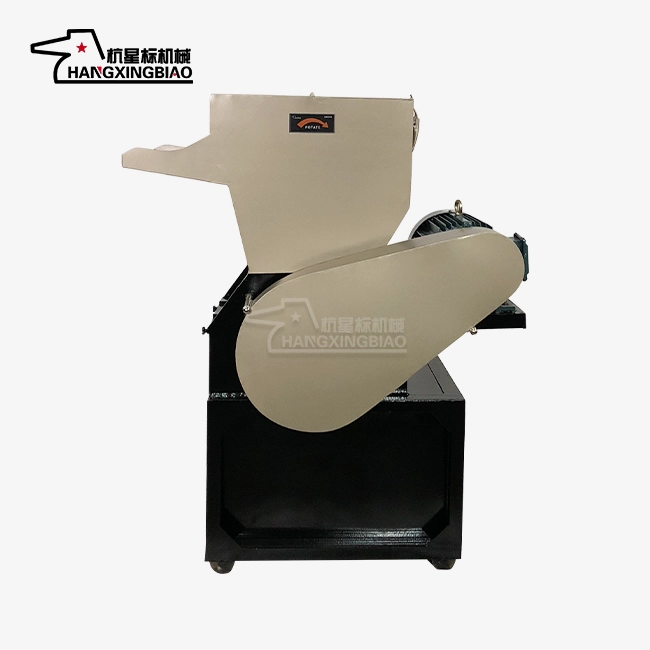
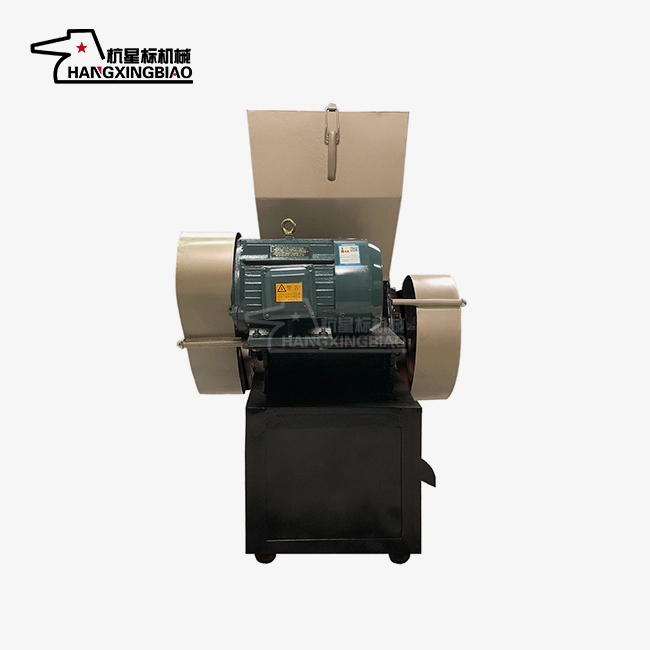
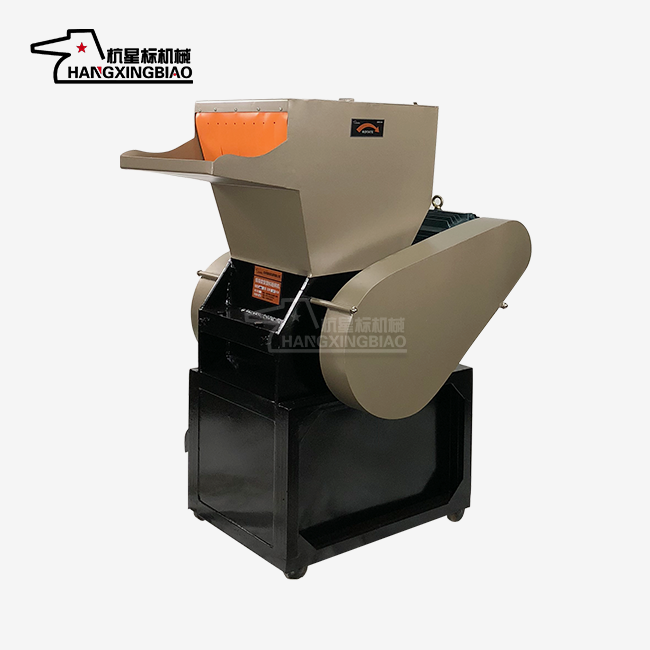
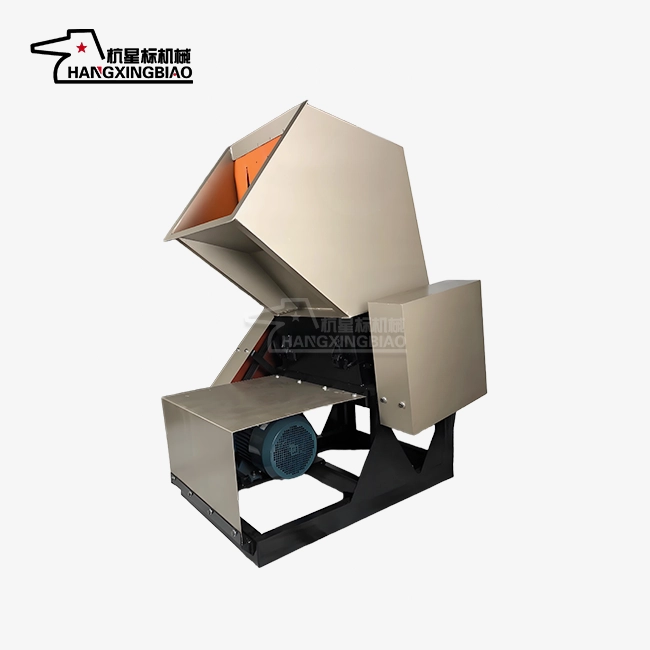
There are many reliable plastic shredding choices for small businesses. However, to find the right plastic shredder, you need to carefully consider performance, cost-effectiveness, and operational needs. Modern plastic shredders made for small businesses are very flexible and can quickly and easily cut through a wide range of materials, from injection-molded parts to plastic strips. These tools break the old rules of only adapting to one material, so businesses can deal with a wide range of waste streams while still making money. To get the best return on investment for growing businesses, it's important to choose equipment that strikes a mix between crushing capacity, energy efficiency, and maintenance needs.
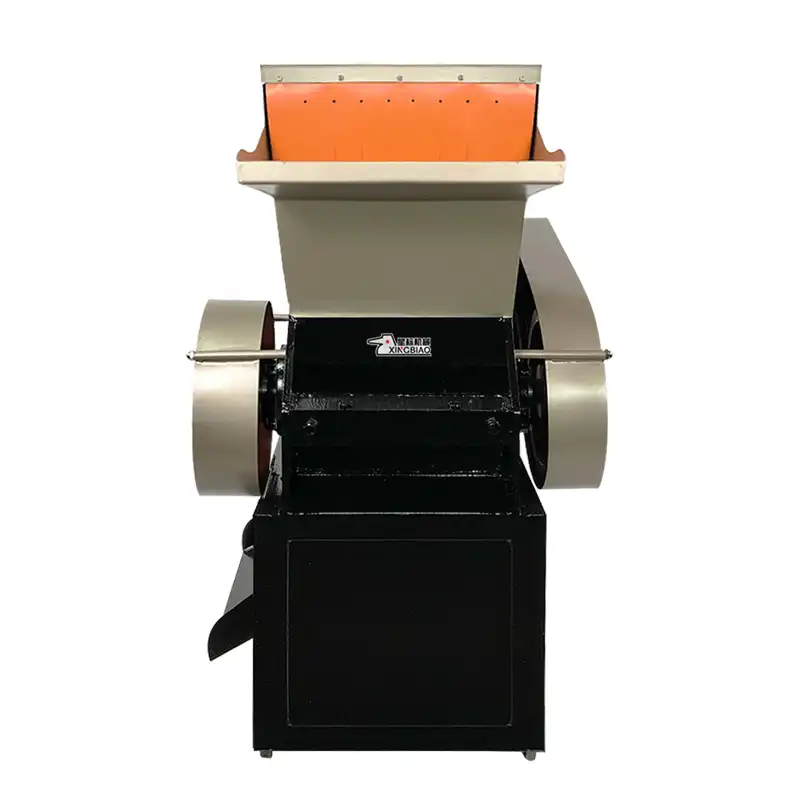
Why Focus on Plastic Shredding Equipment for Small Businesses?
When it comes to dealing with trash and processing materials, small businesses face problems that bigger companies don't always see. The plastic recycling business has grown a lot, and each year more than 300 million tons of plastic waste are made around the world. This opens up huge chances for small businesses to start recycling businesses that make money and help the environment at the same time.
Plastic shredding machines are the building blocks of good trash management plans. A lot of plastic scrap is made by small manufacturers through processes like injection molding, extrusion, and quality control rejects. Instead of throwing these things away as trash, businesses can use on-site shredding services to cut down on dumping costs and make extra money by selling the materials again.
The economic gains go beyond cutting down on waste. Small recycling plants can handle different kinds of plastic trash, like films, containers, car parts, and electronic housings. Modern shredders can handle a wide range of materials, from soft, bendable plastics to stiff engineering polymers. This makes them useful for a wide range of business methods.
Selection Criteria for Optimal Plastic Shredders
To choose the best plastic shredding equipment, you need to look at several things that have a direct effect on how well the business runs and how much money it makes. For small companies with small capital budgets, the price-to-performance ratio is the most important thing to think about. The equipment has to give reliable results while keeping the costs of buying and running it low.
Long-term worth is based on how durable something is and how well it was built. The high-strength steel structure and stress relief treatment make sure that the machine will work reliably even when it is under constant loads. Blade materials like SKD-11 and D2 mold steel are very resistant to wear, so they don't need to be replaced as often and maintenance downtime is shorter.
Processing versatility lets companies handle different types of materials without having to buy a lot of different tools. Being able to work with both hard and soft plastics, as well as rubber, wood, and paper, makes the most of the tools and the money that can be made.
Energy saving has a direct effect on how profitable a business is. Advanced motor matching and optimized blade designs can cut power use by over 20% while increasing crushing efficiency. This means lower utility costs and more competition in places where prices matter a lot.
Total cost of ownership is affected by how easy it is to do maintenance and get replacement parts. Downtime and upkeep costs are kept to a minimum with quick-change screen structures, open designs that are easy to clean, and reliable supplier support.
Top Plastic Shredder Models for Small Business Applications
Standard Plastic Crusher Series
Standard plastic shredders are the most common choice for small businesses that want to start recovering plastic. These tools are very reliable and can work with a lot of different materials, such as plastic films, woven bags, bottles, and containers.
Key features include breaking chamber sizes that range from 300mm to 600mm to accommodate different sizes of input materials. Motor power usually falls between 7.5kW and 37kW, which is enough to provide enough torque for steady material processing. The rotor design includes cutting rotors that are perfectly balanced and have blade segments that can be replaced. This makes upkeep cheap.
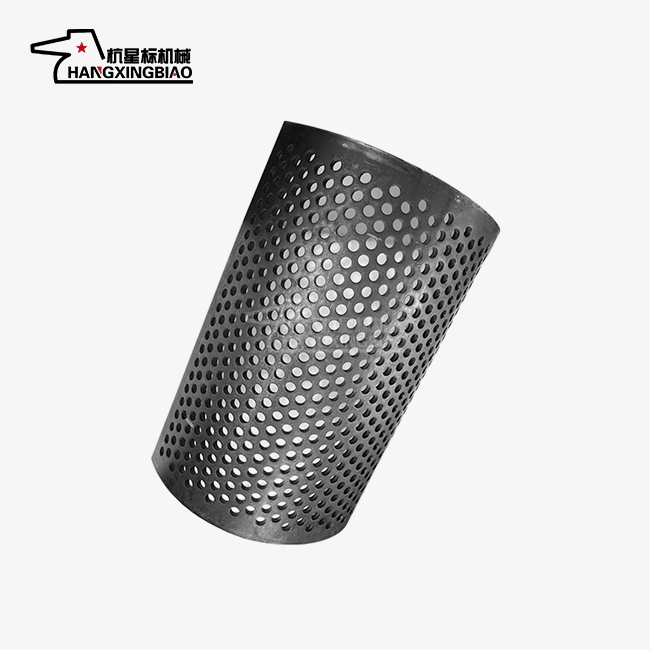
High-quality steel is welded together during construction, and the whole process is designed to relieve stress. This gets rid of the chance of deformation during long periods of operation. Specially designed blade arrangements in the cutting area improve material flow and lower energy use. Screens with holes from 6 mm to 50 mm give you fine control over the size of the particles that come out.
One benefit of using them is that they make very little noise (below 85dB), which makes them good for buildings in cities. The quick-change screen method lets products be switched out quickly and without a lot of downtime. Some safety features are emergency stops, overload protection, and safety interlocks that stop the machine from running by mistake while it's being serviced.
Post-consumer plastic trash, manufacturing scrap, and agricultural films are all great materials for these crushers to work with. Small recycling businesses are helpful because they can handle contaminated materials and keep the quality of their output constant. They are available to new businesses and businesses that are growing because they don't require a lot of money to get started.
Heavy-Duty Industrial Shredders
Heavy-duty industrial shredders are good for small companies that need to process a lot of material or materials that are hard to cut, like thick-walled containers, auto parts, and electronic housings. These strong tools are built better and have stronger drive systems.
The design calls for cutting sections that are reinforced and made of ultra-high-strength steel. Blade materials are made from high-quality tool steels that have been vacuum-heated and processed in a freezer to get hardness levels above 60 HRC. This makes sure that the tool lasts longer, even when it's working with rough materials.
The motor options range from 45kW to 132kW, which gives you a lot of torque for working with thick materials. Drives with variable speeds can be optimized for different kinds of materials and the output characteristics that are wanted. The hydraulic system makes it possible to adjust the blades and move them for repair without having to move them by hand.
Automatic overload reversing is one of the more advanced features. It stops jamming and blade damage when it meets materials that are too big or don't work with the machine. Intelligent control systems keep an eye on working parameters and give diagnostic information to help plan preventative maintenance.
When it comes to tough materials like tire sidewalls, big containers, and multi-layer packaging, these shredders do a great job. The strong structure allows for continuous use with little maintenance needed. Although it costs more at first, the increased productivity and flexibility make the costs worth it for companies that process large amounts of data.
Small businesses gain from better material recovery rates and fewer needs to outsource. Being able to process materials that were previously problematic creates new ways to make money and greatly lowers the cost of getting rid of trash.
Specialized Film and Fiber Shredders
Specialized film and fiber shredders are needed to handle the unique problems that come up when working with textiles, farming films, and flexible plastics. Traditional crushing equipment often has trouble feeding and wrapping materials, but these specialty units do a good job of fixing those problems.
New ideas in design include changing the shape of the blades so they slice through materials instead of impacting them. This keeps materials from wrapping around spinning parts. Feed systems have anti-bridging devices and material conditioning parts that get tough materials ready to be processed effectively.
Different cutting chamber designs have different flow patterns for materials and more space between parts. This keeps stringy materials from building up, which could lead to jams or uneven processing. With variable speed control, workers can find the best way to cut different types of material.
The quality of the output stays the same even though the input material changes. Screen designs take into account how different types of shredded films and fibers run, which makes sure that the particles are all the same size. For direct material transfer to equipment further down the line, discharge systems offer pneumatic conveyance choices.
With these specialized shredders, small businesses can get into niche markets like recycling agricultural film, processing packaging trash, and recovering textiles. Being able to work with materials that were previously hard to work with gives you a competitive edge and lets you reach more possible customers.
Some economic perks are less work needed to prepare the materials and more efficient processing. Small businesses can consistently make products that meet the high standards of the recycling industry. This lets treated materials be sold for more money.
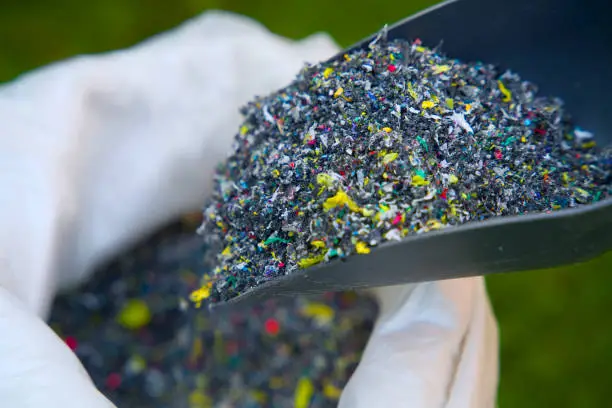
Global Market Characteristics and Regional Considerations
The global market for recycling plastic shows big differences between regions in terms of rules, materials available, and handling needs. Small businesses can choose the best tools and run their operations more efficiently if they know about these traits.
Because of their strict rules, European markets put a lot of emphasis on protecting the earth and using energy efficiently. For small businesses to be successful, they need to look at equipment that has the CE stamp and uses less energy. The Extended Producer Responsibility rules make sure that recycling businesses always have enough materials to work with.
In North American markets, processing speed and operating dependability are very important. The wide range of industries creates a wide range of trash streams that need a wide range of processing options. Equipment that can react to changing material compositions and quality standards is good for small businesses.
Asian markets are good for handling a lot of goods at once and setting prices that are sensitive to costs. Because of tight working schedules, equipment durability becomes very important. As the production sector grows, more scrap material becomes available for small recycling businesses.
In emerging countries, recycling infrastructure isn't always well-established. This gives small businesses the chance to set up processing facilities in those areas. Because technical help is limited, choosing equipment should focus on how reliable it is and how little maintenance it needs.
Purchasing Recommendations and Key Considerations
To successfully buy a plastic shredder, you need to carefully consider your business's needs, your budget, and your growth plans. Small businesses should focus on buying equipment that gives them operational freedom while still keeping the cost of ownership low.
Do a thorough analysis of the information to figure out how it needs to be processed. Testing samples with possible providers is a good way to make sure that the equipment is right for the job and will work as expected. Think about how seasonal changes in the quality and quantity of materials might affect the need for processing.
Look at the total cost of ownership, which is more than just the buying price. Include the amount of energy used, the cost of upkeep, the availability of spare parts, and the amount of training an operator needs. When figuring out the return on investment, you should think about how the investment could lead to higher output and more money coming in.
Choosing the right supplier has a big effect on long-term success. Pick manufacturers that have a history of doing good work, offer good technical support, and have reliable supply lines for spare parts. Think about how close the service is in terms of responsiveness and training ease.
Plan for growth and changing needs in the future. Choose platforms for your tools that can be upgraded and changed as your business needs change. Modular designs let you add small amounts of capacity without having to update all of the equipment.
Industry Trends and Market Summary
The plastic recycling industry continues evolving toward increased automation, energy efficiency, and material recovery optimization. Small businesses must stay current with technological advances to maintain competitiveness. Equipment manufacturers increasingly focus on user-friendly designs that reduce operator skill requirements while improving output consistency. The growing emphasis on circular economy principles creates expanding opportunities for small-scale recycling operations to serve local and regional markets effectively.
Conclusion
Selecting the best plastic shredder for small business applications requires balancing performance requirements with budget constraints while considering long-term operational goals. The equipment options discussed provide proven solutions for diverse processing needs, from standard recycling operations to specialized material handling. Success depends on a thorough evaluation of material characteristics, operational requirements, and supplier capabilities. Modern plastic shredding technology offers small businesses unprecedented opportunities to participate profitably in the growing recycling industry while contributing to environmental sustainability.
FAQ
Q1: What maintenance schedule should small businesses follow for plastic shredders?
A: Regular maintenance includes daily cleaning and inspection, weekly lubrication of bearings and drives, monthly blade condition checks, and quarterly comprehensive inspections. Replace screens when hole enlargement exceeds 20% of the original size. Professional service every 2000 operating hours ensures optimal performance and prevents costly breakdowns.
Q2: How do I determine the right shredder size for my business volume?
A: Calculate your peak processing requirements, including seasonal variations and growth projections. Select equipment with 20-30% excess capacity to handle demand fluctuations. Consider material density variations that affect actual throughput. A 500kg/hour rated machine typically processes 300-400kg/hour in real-world applications with mixed materials.
Q3: What safety considerations are essential for small business shredder operations?
A: Install proper guarding around all moving parts and ensure emergency stop systems are easily accessible. Implement lockout/tagout procedures for maintenance activities. Train operators on proper feeding techniques to prevent material kickback. Maintain housekeeping standards to prevent slip hazards from plastic debris accumulation.
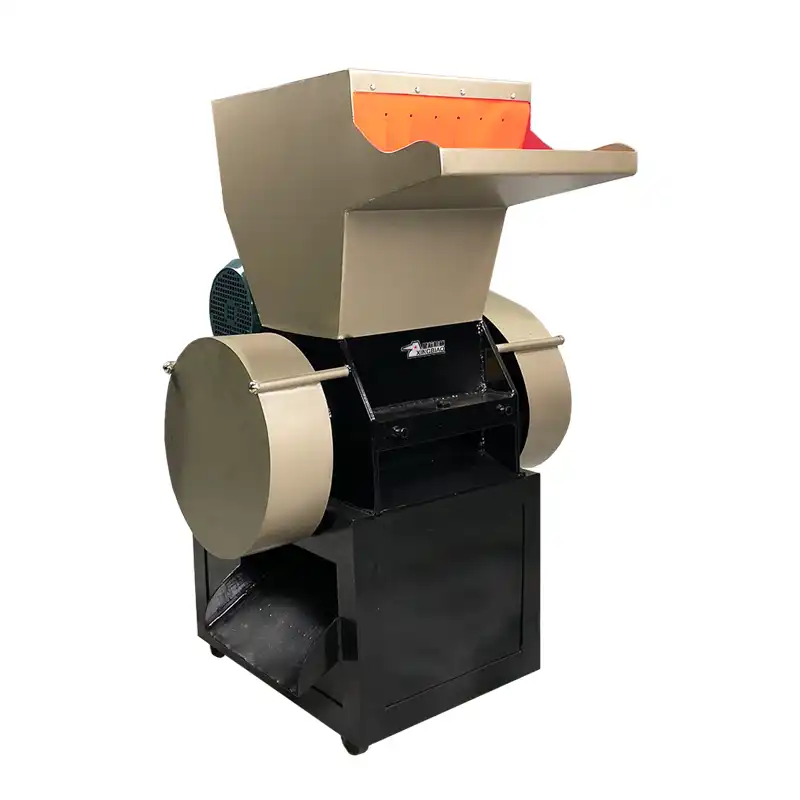
Partner with Xingbiao for Your Plastic Shredding Success
Xingbiao Machinery brings three decades of specialized expertise in plastic recycling equipment manufacturing. Our comprehensive range of plastic shredders serves small businesses worldwide with proven reliability and exceptional performance. As a dedicated plastic shredder manufacturer, we understand the unique challenges facing small operations and provide tailored solutions that maximize productivity while controlling costs. Our engineering team works closely with clients to ensure optimal equipment selection and installation support. Ready to transform your plastic waste into profit? Contact us at postmaster@xingbiaocrusher.com for personalized consultation and competitive pricing.
References
1. Johnson, M. & Williams, R. (2023). "Small Scale Plastic Recycling: Equipment Selection and Economic Analysis." Journal of Sustainable Manufacturing, 15(3), 45-62.
2. Chen, L. et al. (2022). "Comparative Study of Plastic Shredder Technologies for Small Business Applications." International Recycling Review, 28(7), 123-138.
3. Rodriguez, A. & Kumar, S. (2023). "Economic Feasibility of Plastic Waste Processing Equipment for SMEs." Waste Management Technology Quarterly, 41(2), 78-95.
4. Thompson, D. (2022). "Energy Efficiency Optimization in Small-Scale Plastic Shredding Operations." Environmental Technology Letters, 12(4), 234-249.
5. Patel, V. & Anderson, K. (2023). "Maintenance Strategies for Plastic Recycling Equipment in Small Enterprises." Industrial Equipment Management, 19(6), 156-171.
6. Liu, X. & Brown, T. (2022). "Market Analysis of Plastic Shredding Equipment for Emerging Small Business Sectors." Recycling Industry Insights, 33(9), 89-104.