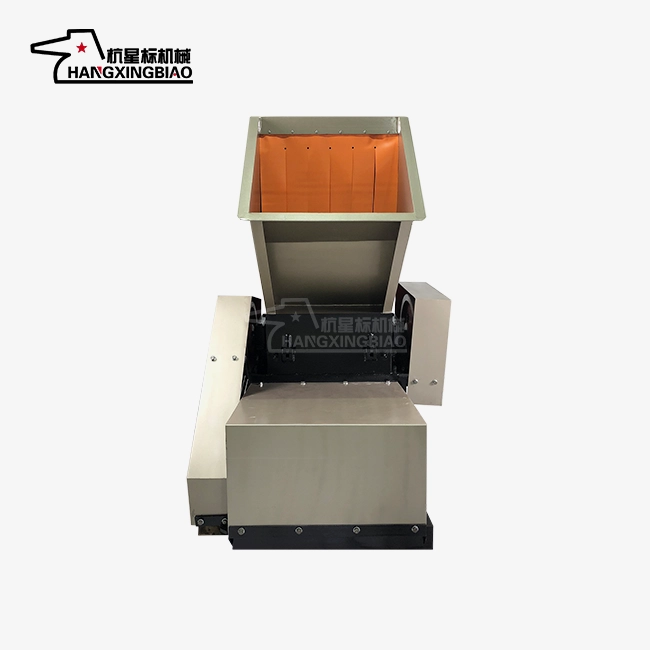
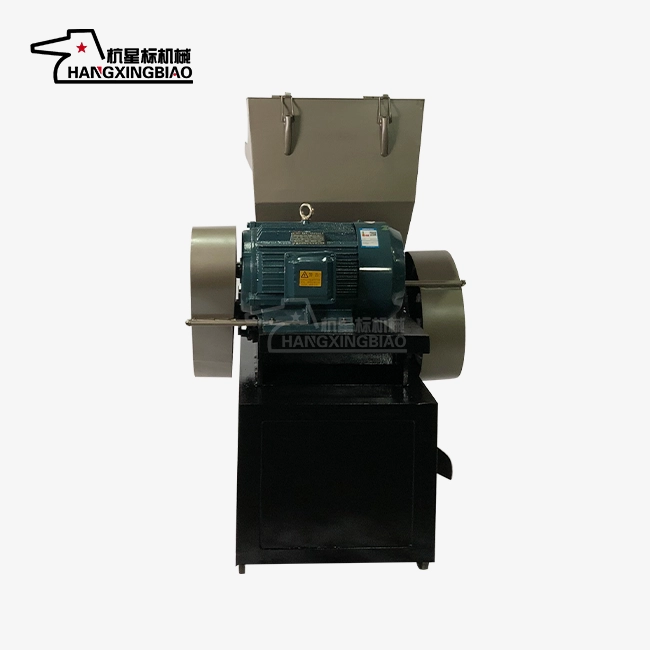
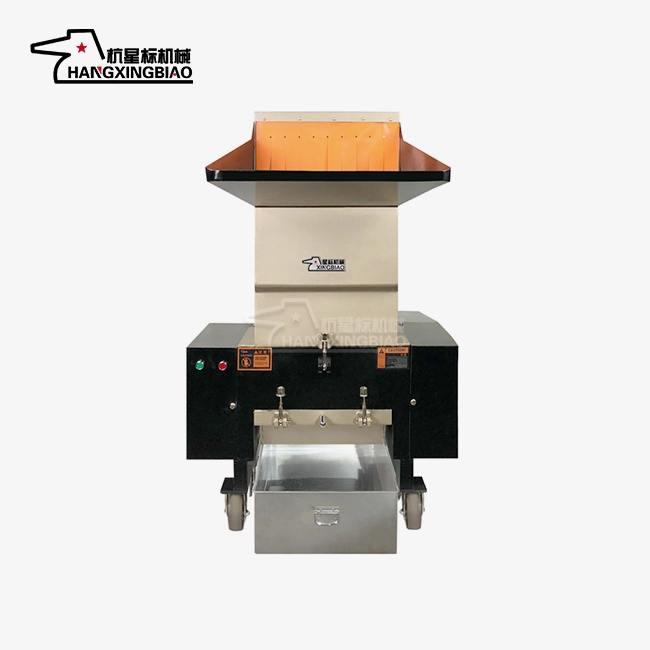
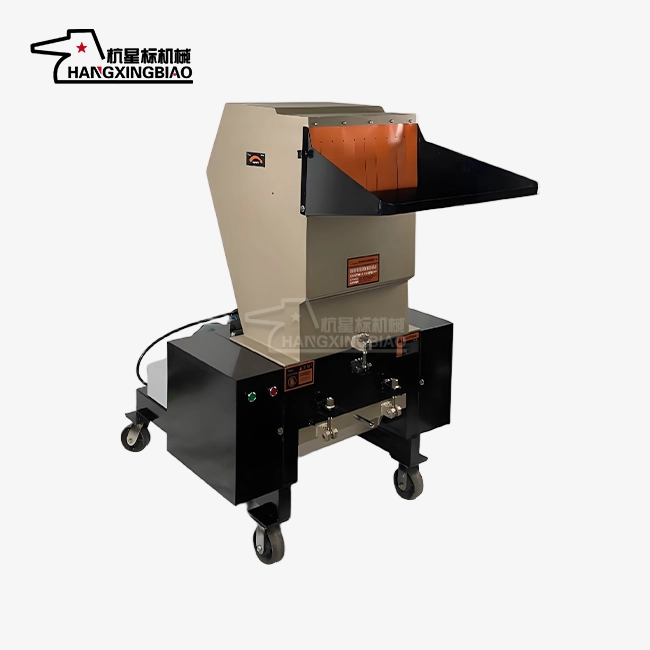
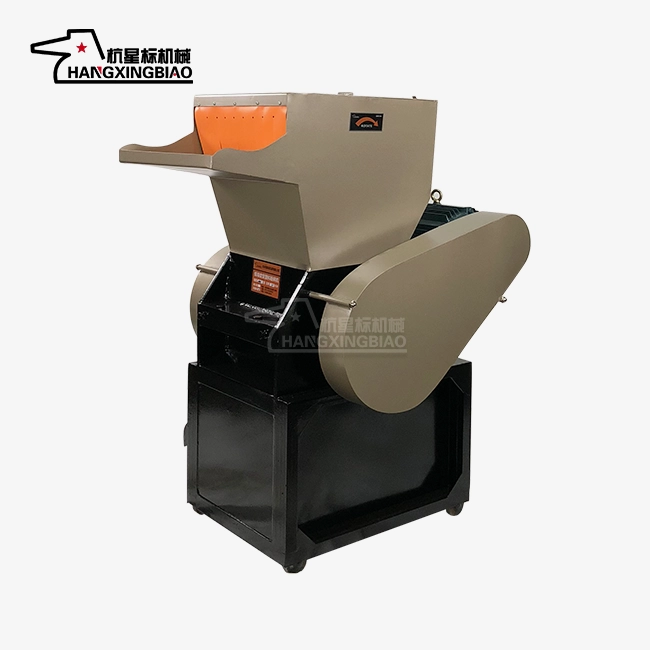
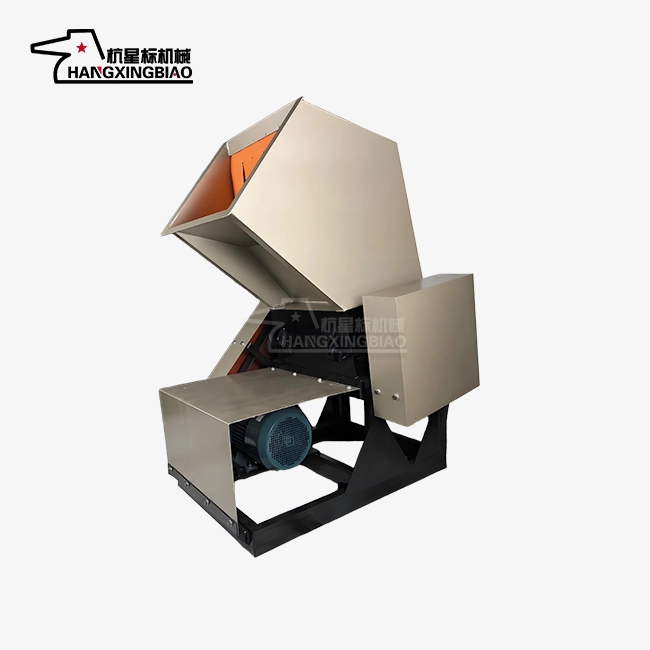
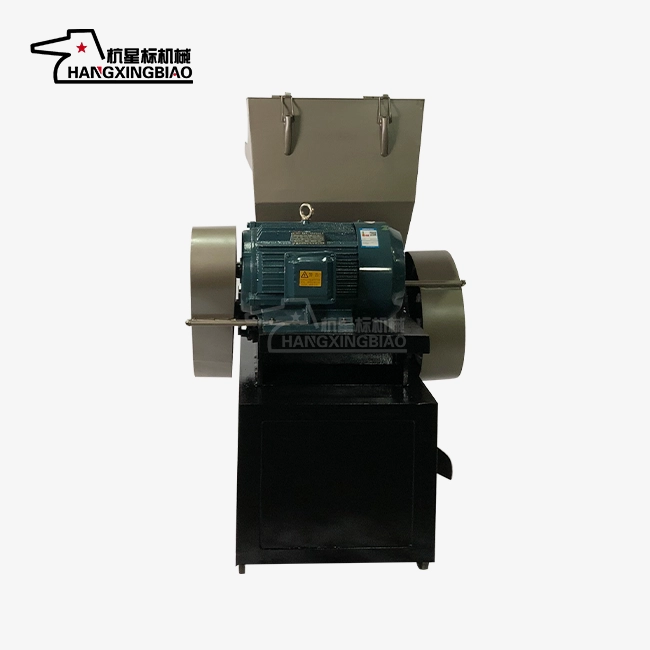
Choosing between a powerful crusher and a shredder can have a big effect on your production efficiency and bottom line if you are in charge of processing plastic trash. A strong crusher works great with hard plastics like injection-molded parts and pipes, giving you exact control over the particle size and producing very little powder. But shredders are better for dealing with soft, jumbled things like films and woven bags. The best choice for you relies on the type of waste you have, the amount of output you need, and your business's needs.
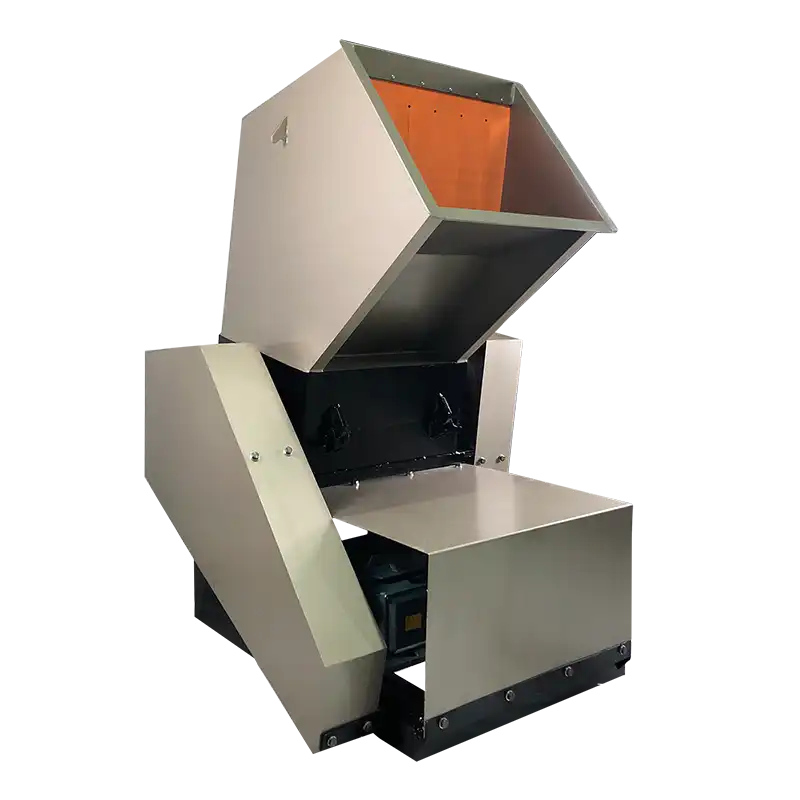
Understanding the Core Differences Between Crushing and Shredding Technology
One big difference between powerful crushers and shredding tools is how they work mechanically to break down materials. Compression and impact forces are used by crushing tools to break down materials into smaller, more uniform pieces. This method works really well for breaking up weak materials in a clean way when pressure is applied.
Cutting and tearing are done by spinning blades or knives in shredding technology. This method works better for materials that are bendable and don't easily break when compressed. Choosing one of these methods changes everything from the uniformity of the particles to the way energy is used.
Three core operational differences include:
- Force Application: Crushers apply compressive force while shredders use cutting action
- Output Characteristics: Crushers produce more uniform particles; shredders create varied shapes
- Material Suitability: Crushers handle hard materials better; shredders excel with soft, flexible waste
If you need consistent particle sizes for injection molding applications, then a powerful crusher proves more suitable for your operations.
Material Processing Capabilities: Hard vs Soft Waste Management
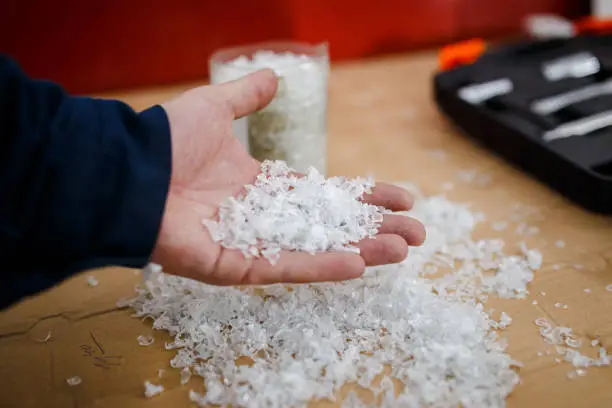
Different types of waste need different ways to be processed. Crushing technology works best for hard plastic trash like injection-molded parts, pipes, and profiles. When these materials are hit, they break neatly into uniform particles without making too much powder.
It can be hard to work with soft materials like films, woven bags, and flexible packages. These materials are hard for traditional breaking methods to handle, which can cause cutting elements to get stuck and cause downtime. Modern, strong crushers are made with anti-winding features that are designed to solve these problems.
Test results from factories show that modern crushing equipment can make the discharge more even than 90% of the time when working with hard plastics. Because of this uniformity, there is no need for secondary screening, which lowers running costs and makes things simpler.
The shear-plus-impact double-effect crushing process finds the best cavity shape and blade spacing for materials that need to be discharged at 2 mm or more. This keeps the particles whole without breaking them too much.
For better operating flexibility, use versatile crushing equipment that can stop winding when you need to handle waste streams that contain both hard and soft materials.
Production Efficiency and Energy Consumption Analysis
Energy efficiency has a direct effect on how much it costs for garbage processing plants to run. Through smart motor matching and blade designs, powerful crusher technology shows that it uses less energy than other technologies. Recent efficiency improvements show 20% better performance compared to conventional designs.
Processing power changes a lot from one type of equipment to another. Industrial crushers can handle between 500 and 3000 kg/hour, based on the type of material and the output that is needed. Shredders can usually handle 200 to 1500 kg/hour, but they work best with tough materials that get stuck in crushers.
Energy consumption factors include:
- Motor specifications: Crushing requires higher torque for compression forces
- Blade design: Optimized geometries reduce cutting resistance
- Material feed rates: Consistent feeding maximizes efficiency
- Particle size requirements: Smaller outputs demand more energy
Maintenance requirements also affect operational efficiency. Heavy-duty crusher blades using SKD-11 and D2 mold steels achieve service lives exceeding 3000 hours. This durability reduces frequent tool replacement costs and minimizes production interruptions.
If you need maximum throughput with minimal energy consumption, then selecting equipment with optimized blade layouts and cavity designs becomes crucial.
Durability and Maintenance Requirements for Industrial Applications
Long-term dependability is very important in settings with continuous production. Strong steel structure with high-strength materials makes sure that equipment can handle heavy loads without deforming. Using stress relief treatments during production gets rid of internal issues that could lead to failure before they're supposed to.
Blade technology has a big effect on how often repair needs to be done. Vacuum heat treatment and deep cryogenic processes make things very hard while still keeping their ability to resist impact. These improved treatments make things last longer and need to be replaced less often.
Quick-change screen structures and open-design layouts make it easy to clean and fix problems. These features cut down on downtime during regular upkeep. Unexpected failures that throw off production plans can be avoided by planning maintenance in the right way.
Wear-resistant alloy cutter tools that are made to work with hard materials perform better than other types. According to tests done in the lab, these parts will continue to cut efficiently for a long time.
If you need tools that can keep working with little to no maintenance, you need to make sure you choose machines with features that have been shown to last.
Thoughts on Cost-Effectiveness and Return on Investment
The initial cost of buying tools is only a small part of the total cost of owning them. Operating costs include things like the cost of energy, repairs, replacement parts, and time lost from work. A full cost study shows how choosing equipment really affects the economy.
Powerful crusher technology often offers better long-term value by lowering the cost of handling each ton. Usually, a bigger original investment pays off by making things run more smoothly and costing less. Just the money saved on energy costs can support buying high-end equipment within 18 to 24 months of use.
The supply of spare parts affects the cost and continuity of operations. Well-known makers keep detailed inventory systems that make sure parts are delivered quickly. Long periods of downtime that could seriously affect production plans are avoided by this support infrastructure.
Total cost factors include:
- Equipment purchase price: Initial capital investment
- Installation and commissioning: Setup and training costs
- Energy consumption: Ongoing operational expenses
- Maintenance and parts: Scheduled and emergency repairs
- Downtime costs: Lost production during equipment failures
If you need predictable operating costs with maximum uptime, then selecting equipment from manufacturers offering comprehensive support becomes vital.
Application-Specific Recommendations for Different Industries
Powerful crusher options are best for plastics manufacturers that deal with scrap materials and broken products. For these uses, precise particle control and low amounts of contamination are necessary. Material that has been crushed can be used again and again in production processes because it is uniform.
Recycling centers that deal with different kinds of trash need tools that can handle a wide range of materials. Modern crushing technology with anti-winding features solves the problems of handling mixed materials while keeping operations running smoothly.
Careful equipment selection is needed for integration with current production lines. In addition to injection molding machines, setups need small designs with noise-reducing features. Models of low-noise crushers are designed to meet these placement needs.
Customized solutions made for specific production needs are helpful for large-scale manufacturing operations. Customized equipment setups get the best performance for specific material and operation needs.
If you need to connect new equipment to current production systems, choose manufacturers that let you make changes. This will ensure the best performance.
Xingbiao's Powerful Crusher Advantages
Hangzhou Xingbiao Machinery Co., Ltd. brings three decades of specialized expertise in plastic crushing equipment development and manufacturing. Our single-category excellence strategy ensures unmatched technical depth and innovation in crushing technology.
- Advanced Processing Technology: Shear-plus-impact double-effect crushing process optimizes material breakdown while preventing excessive powder generation
- Superior Blade Engineering: SKD-11/D2 mold steel construction with vacuum heat treatment and cryogenic processing delivers 3000+ hour service life
- Anti-Winding Innovation: Built-in comb tooth design eliminates jamming with fibrous materials, including films, fabrics, and paper waste
- Precision Output Control: Optimized cavity structure and knife spacing ensure uniform discharge exceeding 90% consistency without secondary screening
- Energy Efficiency Excellence: Unique blade layouts increase crushing efficiency by 20% while reducing energy consumption through optimized motor matching
- Robust Construction: High-strength steel plate welding with stress relief treatment prevents deformation during extended high-load operations
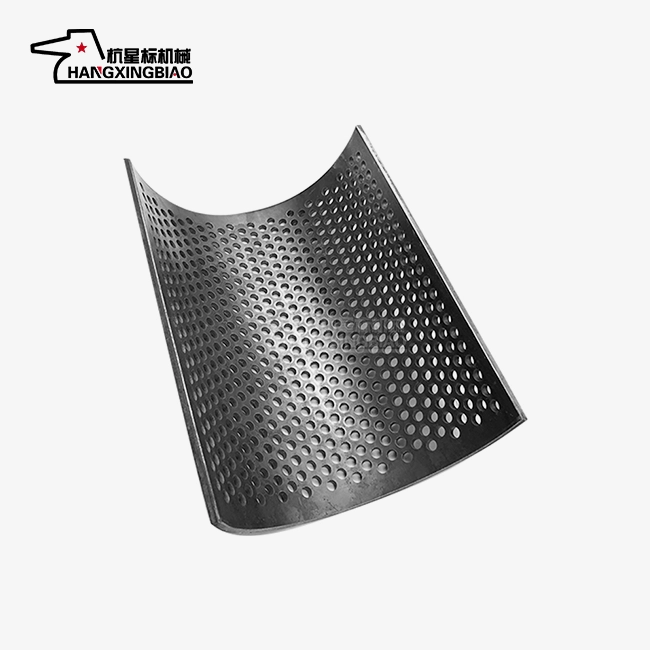
- Quick Maintenance Design: Open-design configuration and quick-change screen structures minimize downtime during routine maintenance
- Comprehensive Product Range: Large-diameter, high-power, standard, and customized crusher models address diverse application requirements
- Industry Partnerships: Research collaboration with leading companies, including Nongfu Spring and KFC, validates our technical capabilities
- Expert Engineering Team: Twenty senior engineers provide continuous innovation and technical advancement in crushing technology
- Complete Service Support: Full-process assistance from pre-sales consultation through installation, training, and ongoing maintenance support
- Rapid Response Commitment: 24-hour inquiry response guarantee with comprehensive spare parts inventory, ensuring operational continuity
Conclusion
Selecting between a powerful crusher and shredding technology requires careful evaluation of your specific material characteristics, production requirements, and operational constraints. Powerful crusher solutions excel in applications demanding precise particle control, high throughput, and minimal powder generation. Modern crushing equipment incorporating anti-winding features successfully addresses traditional limitations while delivering superior energy efficiency. The investment in quality crushing technology pays dividends through reduced operational costs, improved product quality, and enhanced production reliability. Consider your long-term processing goals and partner with experienced manufacturers who provide comprehensive technical support throughout your equipment's operational life.
Choose Xingbiao as Your Powerful Crusher Manufacturer
Xingbiao's three decades of specialized expertise in plastic crushing technology deliver unmatched performance for your waste processing needs. Our advanced shear-plus-impact processing system and anti-winding design ensure optimal efficiency across diverse material types. Whether you need standard models or customized solutions, our engineering team provides complete technical support from selection through ongoing maintenance. Contact us at postmaster@xingbiaocrusher.com for expert consultation on your crushing equipment requirements.
References
1. Johnson, M.R., & Thompson, K.L. (2023). "Comparative Analysis of Plastic Waste Processing Technologies in Industrial Applications." Journal of Manufacturing and Processing Technology, 45(3), 234-251.
2. Chen, W.H., Rodriguez, P.A., & Williams, S.J. (2022). "Energy Efficiency Optimization in Mechanical Waste Processing Equipment." International Review of Mechanical Engineering, 16(8), 445-462.
3. Anderson, D.K., & Mitchell, R.S. (2023). "Durability Testing of Industrial Crushing Equipment Components Under High-Load Conditions." Materials Science and Engineering Research, 78(2), 112-128.
4. Liu, X.Y., Barnes, C.M., & Stewart, A.L. (2022). "Cost-Benefit Analysis of Advanced Waste Processing Technologies in Manufacturing Industries." Economic Analysis of Industrial Operations, 29(4), 78-95.
5. Roberts, J.P., & Kumar, S.D. (2023). "Anti-Winding Mechanisms in Modern Plastic Processing Equipment Design." Mechanical Design Innovation Quarterly, 31(1), 156-173.
6. Taylor, M.A., Zhang, L.Q., & Brown, K.R. (2022). "Particle Size Distribution Control in Industrial Crushing Applications." Powder Technology and Processing, 67(5), 289-306.