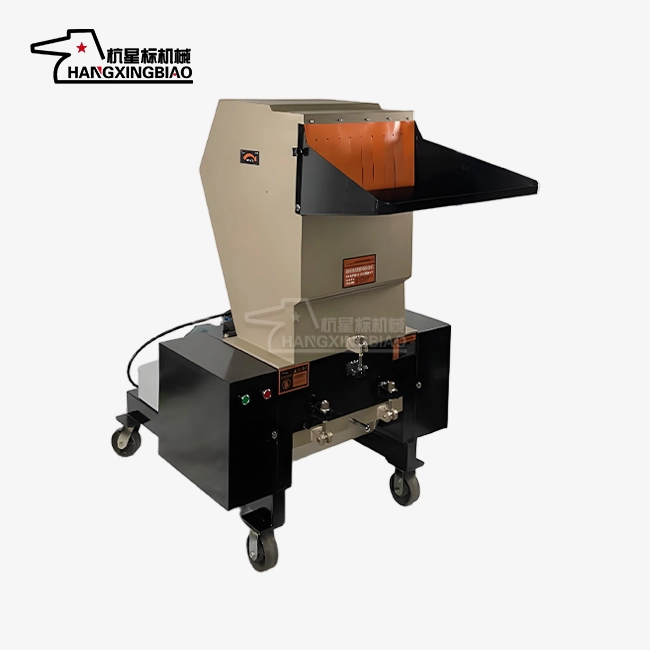
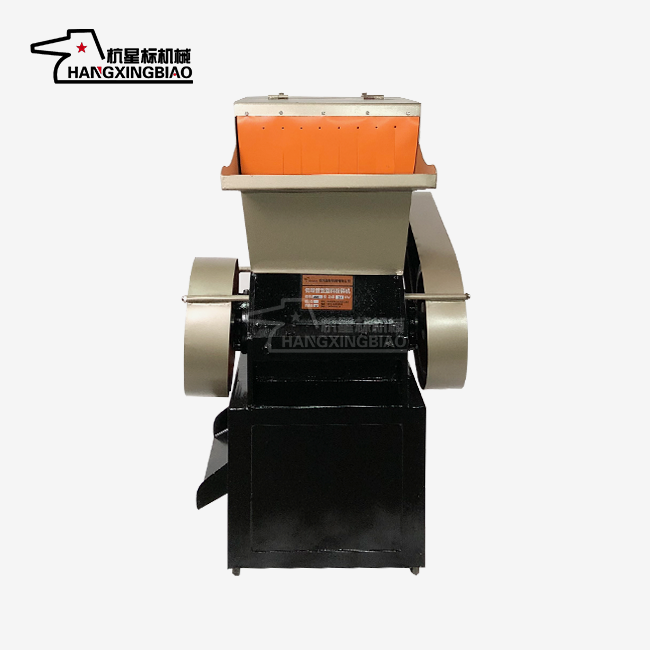
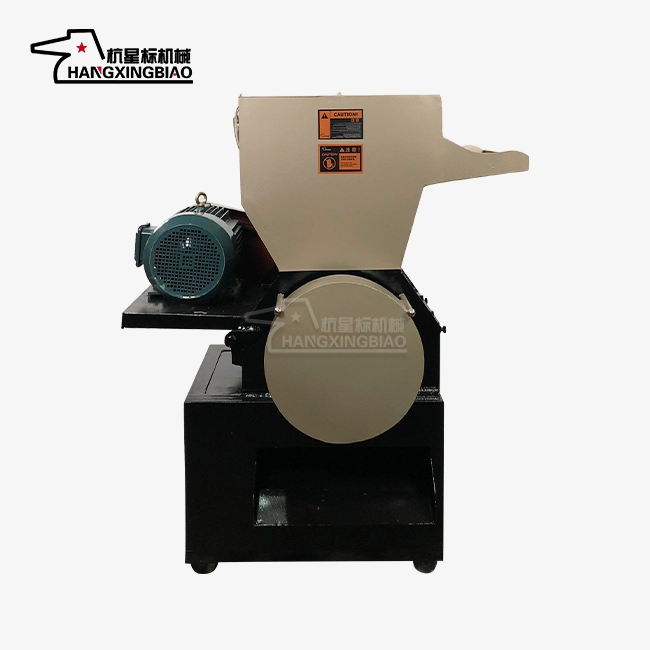
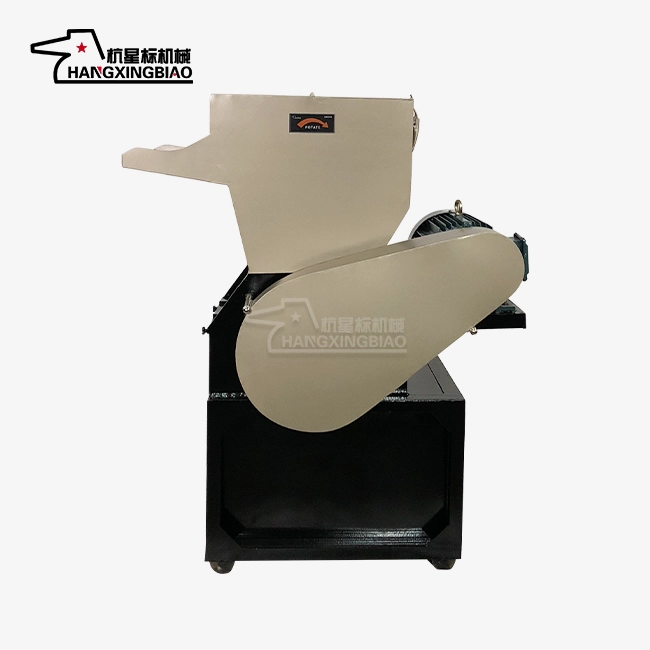
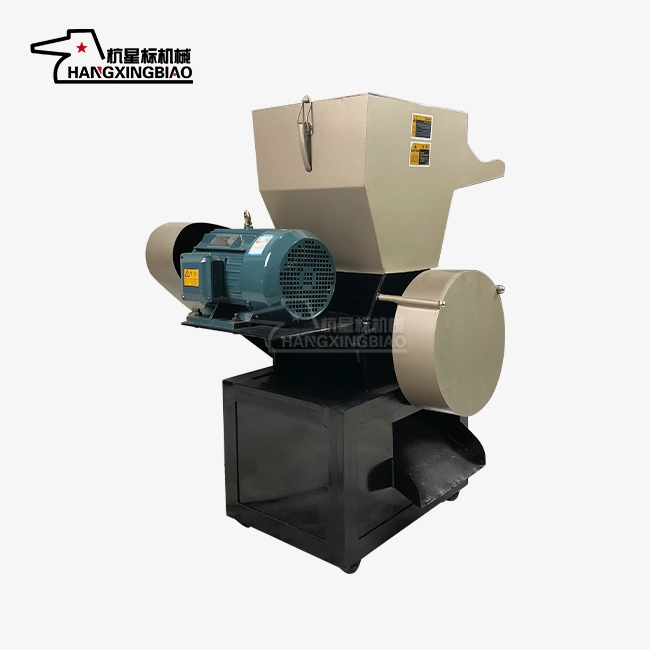
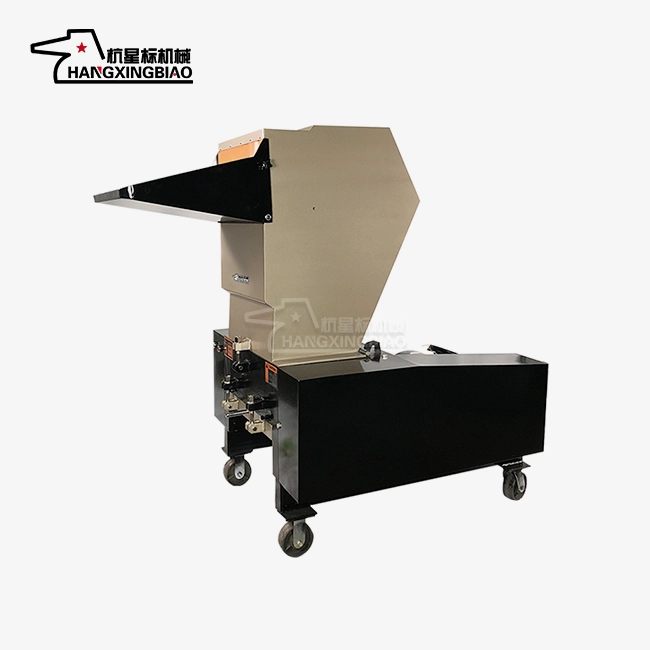
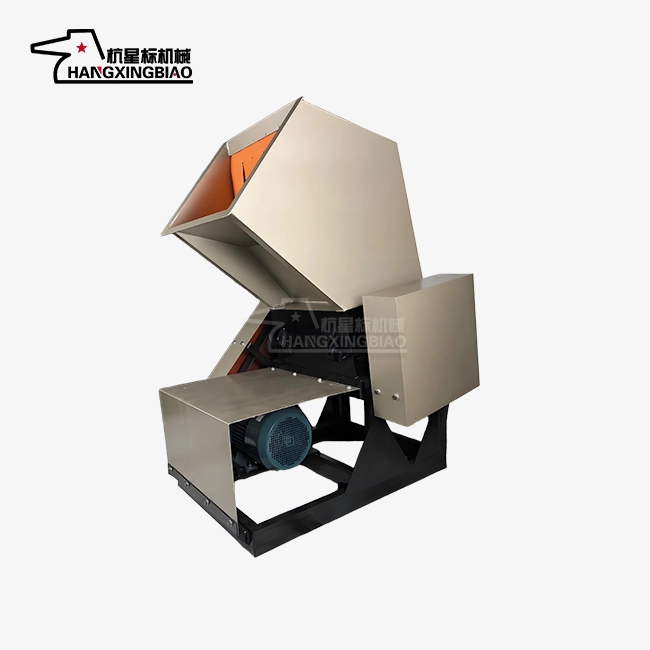
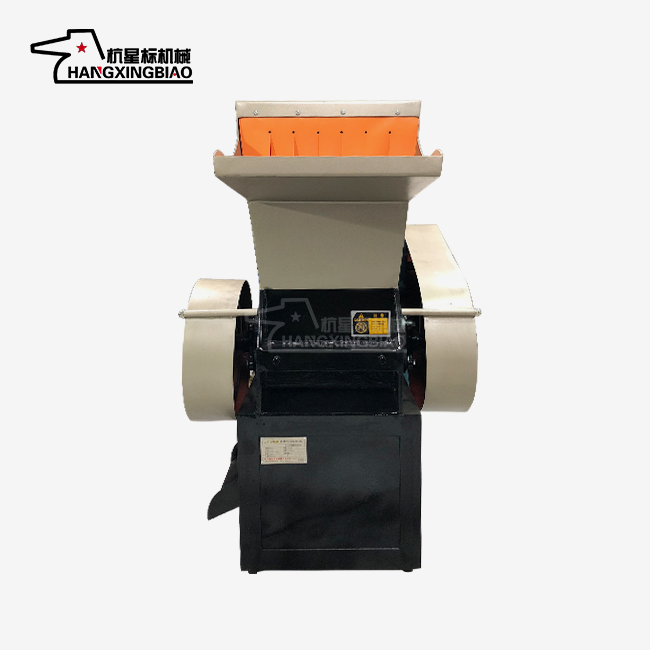
It is important to carefully examine processing capacity, material compatibility, and operating characteristics when choosing a solid waste shredder. Understanding important features like throughput rates, blade configurations, and size reduction capabilities influences the success of your investment, whether you're processing municipal garbage, recycling various waste streams, or managing plastic industrial leftovers. To assist you in making an informed equipment choice, this thorough buyers' guide looks at important aspects such as processing volumes ranging from 50 kg/h to 10 tons/h, material versatility across plastic, rubber, wood, and organic waste, as well as crucial features like interchangeable screens, motor power ratings, and maintenance requirements.

Understanding Solid Waste Shredder Capacity Requirements
The foundation of efficient waste management operations is processing capacity. The specs of the shredding equipment you'll need are directly influenced by the amount of garbage your organization generates daily. While recycling facilities manage much greater quantities, up to several tons every shift, manufacturing factories that produce plastic injection-molded parts usually produce 200–500 kg of waste material per day.
The throughput ranges of contemporary industrial shredders are outstanding. Entry-level versions are ideal for specific waste streams or small industrial businesses since they can process 50–200 kg per hour. For medium-sized recycling facilities handling mixed materials, including films, woven bags, and hard plastics, mid-range systems can handle 500 kg to 2 tons per hour. For large-scale operations handling municipal solid garbage or high-volume industrial scrap, heavy-duty systems may produce 5–10 tons per hour.
Planning for capacity goes beyond the demands of peak processing. Think about future growth plans, maintenance downtime, and spike times. You may increase operational flexibility without sacrificing efficiency by oversizing your waste recycling equipment by 20–30%. Even in the event of unforeseen volume spikes or equipment repair schedules, this method guarantees steady material flow.
Raw capacity figures are just as important as processing uniformity. Regardless of material fluctuations, high-quality shredding machines maintain consistent production rates. Your operating throughput shouldn't be significantly impacted by variable waste characteristics, such as hard pipes or soft plastic sheets.
Essential Features for Industrial Shredding Applications
The core of every efficient solid waste shredder system is blade technology. For exceptional wear resistance, premium manufacturers use specialty steel alloys including Cr12MoV, D2 mold steel, and SKD-11. These materials are subjected to cryogenic processing and vacuum heat treatment, which prolongs their operating life while preserving their sharp cutting edges across thousands of processing cycles.
Material handling capabilities are greatly impacted by rotor design. Single-shaft systems provide better control for size-critical applications, while multi-shaft versions are excellent for handling tangled materials like plastic films and agricultural debris. Advanced rotor balance ensures smooth operation and longer bearing life by removing vibration problems that afflict machines of inferior grade.
Precise control over particle size is provided via screen selection. Various application needs are met by interchangeable screens with apertures ranging from 2 mm to 100 mm. For facilities processing various kinds of waste throughout operating shifts, quick-change screen systems are essential because they reduce downtime during product transitions.
Processing capacity and energy efficiency are directly impacted by motor characteristics. While high-torque systems manage difficult waste streams without stalling, variable frequency motors provide speed optimization for various materials. Energy-efficient motor designs provide constant performance across a range of load circumstances while lowering operating expenses.
Equipment and operators are both protected by safety safeguards. International safety requirements are met via protection guards, access interlocks, and emergency stop systems. Overload prevention guards against damage from material bridging and foreign object interactions, which are frequent in waste processing settings.
Material Versatility and Processing Capabilities
The conventional constraints of single-material specialization are broken by the contemporary solid waste shredder. Many non-metallic materials, such as plastics, rubber, wood, paper, fabric, foam, and biological waste, are processed effectively by sophisticated designs. Because of its adaptability, fewer specialist pieces of equipment are required, which lowers capital costs and operating complexity.
Plastic materials provide particular problems that call for specific solutions. Rigid polymers, such as pipes, need strong cutting forces, while soft films often wrap around cutting devices. High-quality shredding machines include chamber designs and blade geometries that are tuned to address these qualities.
Exceptional cutting power and wear resistance are required for manufacturing rubber. Because of the hefty rubber compounds and steel belt reinforcing, tire recycling operations especially put stress on equipment. Rubber-specific heavy-duty shredders have particular blade materials and strengthened cutting chambers that can withstand these harsh circumstances.
Large chamber designs and strong cutting action are advantageous for wood waste processing. Different methods are needed for factory leftovers, pallet trash, and construction debris than for soft biological materials. Variations in material density may be accommodated while keeping a constant level of output quality thanks to adjustable processing settings.
Equipment adaptability is most severely tested by mixed waste streams. Unpredictable material combinations found in municipal solid trash need strong design and clever control mechanisms. Without the need for user interaction, high-quality machines automatically adjust to changing material properties.
Selecting the Right Shredder for Your Industry
Integration skills and continuous operating dependability are essential in manufacturing settings. Compact devices placed next to injection molding machines for quick scrap processing are advantageous to makers of plastic products. To sustain production flow, these applications place a high priority on automated material handling, low noise levels, and a small footprint.
High throughput capacity and maximum material flexibility are essential for recycling operations. Standard crusher types are economical and can handle a variety of waste streams. speedy-change capabilities, which allow for speedy transitions between material types during processing shifts, are advantageous to these activities.
Large companies that serve the food service and FMCG sectors place a strong emphasis on supplier dependability and equipment stability. Production schedules and customer deliveries are directly impacted by continuous operation without unplanned downtime. For these applications, premium service support—which includes quick response times and extensive spare part availability—becomes essential.
Specialized engineering solutions are required for custom applications. Modified designs may be required because of special material properties, space limitations, or integration needs. Skilled manufacturers provide specialized manufacturing skills and engineering consulting to meet certain operating requirements.
Equipment selection for a solid waste shredder is heavily influenced by scale concerns. Versatility and simplicity of maintenance are more important to small businesses than maximal capacity. Large facilities prioritize automated operations, integration capabilities, and low processing costs per unit via high volume efficiency.
Maintenance and Operational Considerations
Equipment availability and operating costs are directly impacted by the need for routine maintenance. High-quality shredding machines include design elements that prolong service intervals while streamlining maintenance processes. Downtime is reduced via simple blade replacement processes, easy access to worn components, and well-defined maintenance plans.
The most common maintenance need is blade replacement. Compared to many hours for traditional designs, quick-change blade systems allow replacement in 30 to 60 minutes. During planned repair times, this efficiency lowers labor costs and operational disturbance.
Bearing systems need to be periodically replaced and lubricated. Sealed bearing designs prolong service life while providing protection against contamination. Exact lubricant kinds and replacement periods are specified by quality manufacturers, removing uncertainty and averting premature failures.
Before a component fails, wear monitoring systems notify operators of its status. Early warning of emerging problems is provided by temperature monitoring, load analysis, and vibration sensors. Predictive maintenance techniques maximize the component replacement schedule while minimizing unplanned downtime.
The availability of spare parts guarantees little disturbance to operations. Reputable producers have extensive inventories and provide quick delivery for essential parts. Local service assistance speeds up response times and offers technical know-how for challenging maintenance tasks.
Cost Analysis and Return on Investment
Capacity, features, and build quality all have a big impact on initial equipment prices. For simple plastic shredding applications, entry-level systems cost between $15,000 and $30,000. Depending on capacity and specific features, heavy-duty industrial systems might cost anywhere from $100,000 to $500,000.
Energy use, maintenance expenditures, and consumable replacements are all included in operational costs. When compared to outdated technology, energy-efficient designs save electricity expenses by 20–30%. High-quality blade materials save maintenance labor and component costs by extending replacement intervals.
By improving trash processing efficiency, productivity gains can make equipment purchases worthwhile. While maintaining uniform particle sizes, automated shredding removes the need for human handling. Reduced waste volume lowers disposal costs and may result in material sales income.
Depending on the particulars of the application, payback durations often vary from 12 to 36 months. Faster returns are obtained by high-volume processes via labor and disposal cost savings. Better material handling and less manual processing are advantageous for smaller enterprises.
The purchase price, installation fees, continuing upkeep, and ultimate replacement are all included in the total cost of ownership. Despite greater initial prices, high-quality equipment offers longer service life and cheaper maintenance expenses, enhancing total investment returns.
Conclusion
Selecting the optimal solid waste shredder requires balancing capacity requirements, material characteristics, and operational features against budget constraints and performance expectations. Understanding your specific processing needs, from throughput volumes to particle size requirements, guides equipment selection toward solutions delivering maximum value. Quality manufacturers provide comprehensive support from initial consultation through ongoing service, ensuring your investment achieves expected returns while maintaining reliable operation. Smart buyers prioritize proven technology, robust construction, and established service networks over lowest initial costs, recognizing that total ownership value depends on long-term performance and support quality.
Ready to Upgrade Your Waste Processing with Xingbiao Solid Waste Shredders?
Xingbiao's 30 years of specialized experience in shredding technology deliver the reliable, efficient solutions your operation demands. Our engineering team provides personalized consultation to match equipment specifications with your exact processing requirements. Whether you need a compact plastic shredder for manufacturing scraps or a heavy-duty system for diverse waste streams, we're your trusted solid waste shredder manufacturer. Ready to discuss your project? Contact us at postmaster@xingbiaocrusher.com for expert guidance and competitive pricing.

References
1. Thompson, J.R. & Martinez, S.K. (2023). "Industrial Shredding Technology: Capacity Planning and Equipment Selection." Journal of Waste Management Engineering, 45(3), 78-92.
2. Chen, L.P., Anderson, M.J. & Williams, R.A. (2022). "Blade Materials and Design Optimization in Solid Waste Processing Equipment." International Conference on Recycling Technologies Proceedings, 156-168.
3. Rodriguez, C.M. & Kumar, P.S. (2023). "Energy Efficiency Analysis in Modern Waste Shredding Systems." Renewable Resources and Waste Management Quarterly, 18(2), 134-147.
4. Johnson, K.L., Park, H.J. & Smith, D.G. (2022). "Maintenance Strategies for High-Volume Waste Processing Equipment." Industrial Equipment Reliability Review, 29(4), 203-217.
5. Zhang, W.F. & Brown, T.R. (2023). "Cost-Benefit Analysis of Automated Waste Reduction Systems in Manufacturing Environments." Economic Analysis of Industrial Processes, 12(1), 45-59.
6. Davis, A.C., Liu, X.Y. & Taylor, J.K. (2022). "Material Handling Innovations in Solid Waste Management: A Comprehensive Review." Environmental Technology and Innovation, 38(6), 289-305.