- English
- French
- German
- Portuguese
- Spanish
- Russian
- Japanese
- Korean
- Arabic
- Greek
- German
- Turkish
- Italian
- Danish
- Romanian
- Indonesian
- Czech
- Afrikaans
- Swedish
- Polish
- Basque
- Catalan
- Esperanto
- Hindi
- Lao
- Albanian
- Amharic
- Armenian
- Azerbaijani
- Belarusian
- Bengali
- Bosnian
- Bulgarian
- Cebuano
- Chichewa
- Corsican
- Croatian
- Dutch
- Estonian
- Filipino
- Finnish
- Frisian
- Galician
- Georgian
- Gujarati
- Haitian
- Hausa
- Hawaiian
- Hebrew
- Hmong
- Hungarian
- Icelandic
- Igbo
- Javanese
- Kannada
- Kazakh
- Khmer
- Kurdish
- Kyrgyz
- Latin
- Latvian
- Lithuanian
- Luxembou..
- Macedonian
- Malagasy
- Malay
- Malayalam
- Maltese
- Maori
- Marathi
- Mongolian
- Burmese
- Nepali
- Norwegian
- Pashto
- Persian
- Punjabi
- Serbian
- Sesotho
- Sinhala
- Slovak
- Slovenian
- Somali
- Samoan
- Scots Gaelic
- Shona
- Sindhi
- Sundanese
- Swahili
- Tajik
- Tamil
- Telugu
- Thai
- Ukrainian
- Urdu
- Uzbek
- Vietnamese
- Welsh
- Xhosa
- Yiddish
- Yoruba
- Zulu
Comparison of powerful plastic crushers by throughput and motor power
When shopping for industrial plastic recycling equipment, it's important to compare Powerful plastic crusher models by their throughput capacity and motor specs in order to make the best buying choices. Modern systems for crushing plastic range from small 50 kg/hr units that can be used in the lab to heavy-duty commercial tools that can handle 2000 kg/hr or more. For small processes, motor power needs range from 5 to 15 kW, while for high-volume manufacturing, they range from 75 to 150 kW. Knowing these performance metrics helps purchasing managers choose equipment that balances operational efficiency with energy consumption. This makes sure that plastic waste can be processed in a way that is sustainable across a wide range of manufacturing and recycling applications while keeping production schedules that are cost-effective.
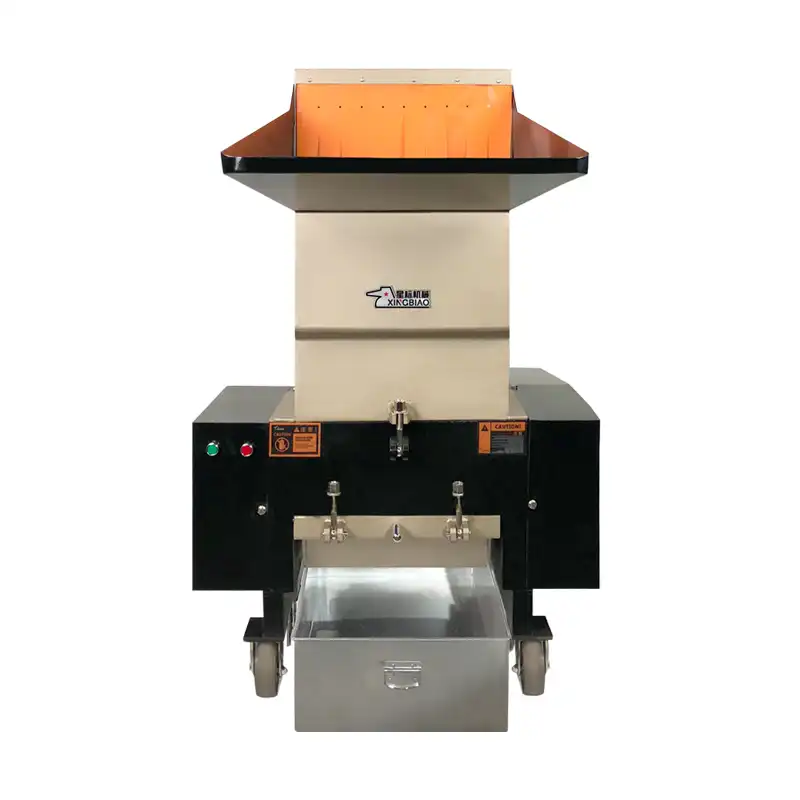
Understanding Throughput and Motor Power in Powerful Plastic Crushers
The basic performance measure for a crusher is its throughput capacity, which shows how much plastic it can break down in one hour of nonstop work. This number is directly related to how efficiently production works and checks to see if equipment can meet daily working goals without slowing down production.
Throughput Measurement Standards
Industrial plastic crushers usually list their output in kilograms per hour, but the ranges of their capacities can be very different depending on the needs of the application. Small laboratory units can handle 50 to 200 kg/hour for research and development, while medium-sized production models can handle 500 to 1000 kg/hour for everyday manufacturing. Large industrial crushers can handle 1000–2000 kg/h, which is enough for large manufacturing plants and processing centers that process a lot of materials.
Motor Power Specifications and Energy Impact
Motor power levels have a direct effect on both how well the crusher works and how much it costs to run. Low-power motors (5–15kW) work best with flexible plastics like films and bags. High-power motors (75–150kW) are better for rigid plastics, bins with thick walls, and industrial trash. Variable frequency drives change the motor speed based on the density of the material and the processing needs to use the least amount of energy possible.There are clear trends in the link between output and motor power. More output means the motor needs more power, but the motor is most efficient when its specs meet the properties of the material. Oversized motors waste energy on light materials, and small motors have trouble with thick plastics, which shortens the life of the equipment and raises the cost of upkeep.
Comparison of Different Types of Powerful Plastic Crushers by Throughput and Motor Power
There are different types of modern plastic crushing tools, each made for a certain size job or type of material. Each category has its own output and motor power combos that work best for certain tasks.
High-Throughput Industrial Crushers
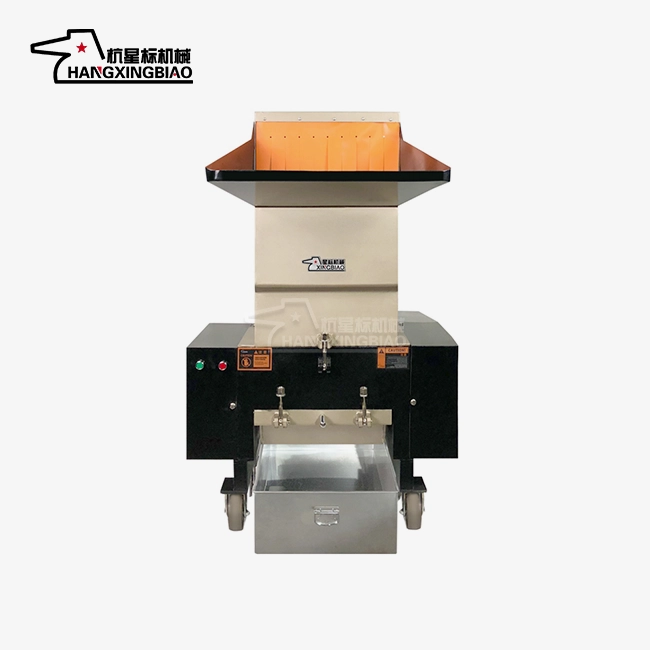
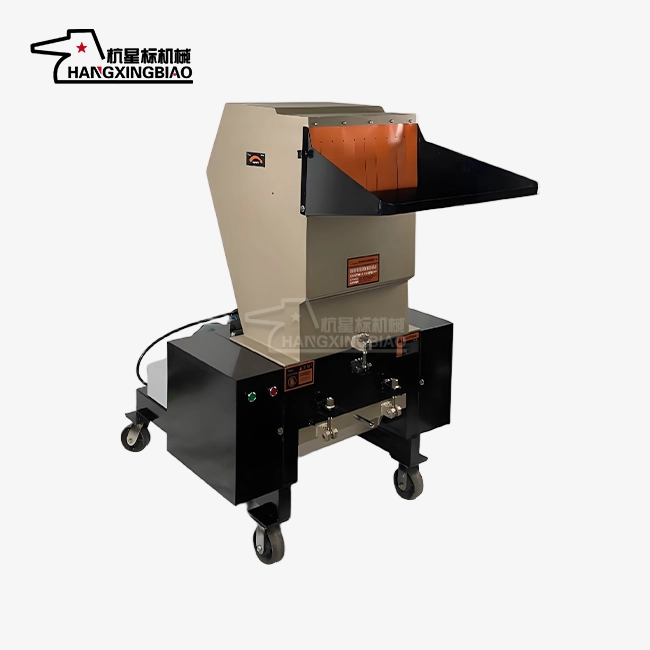
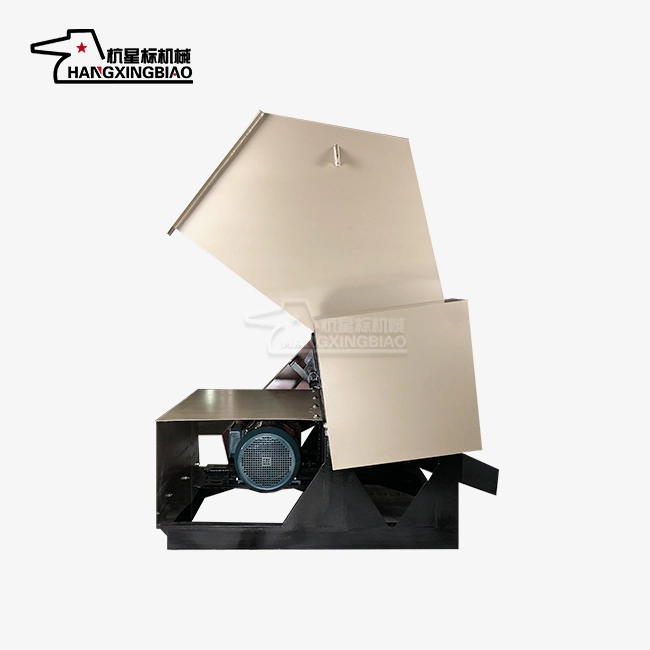
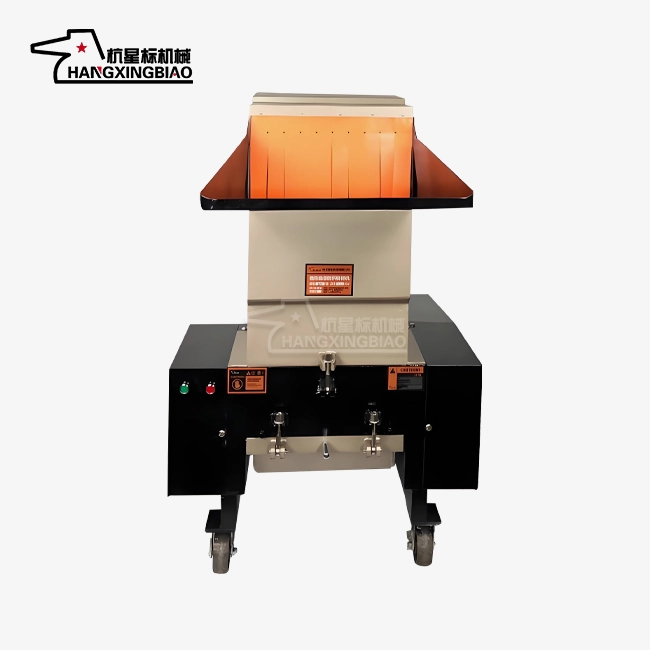
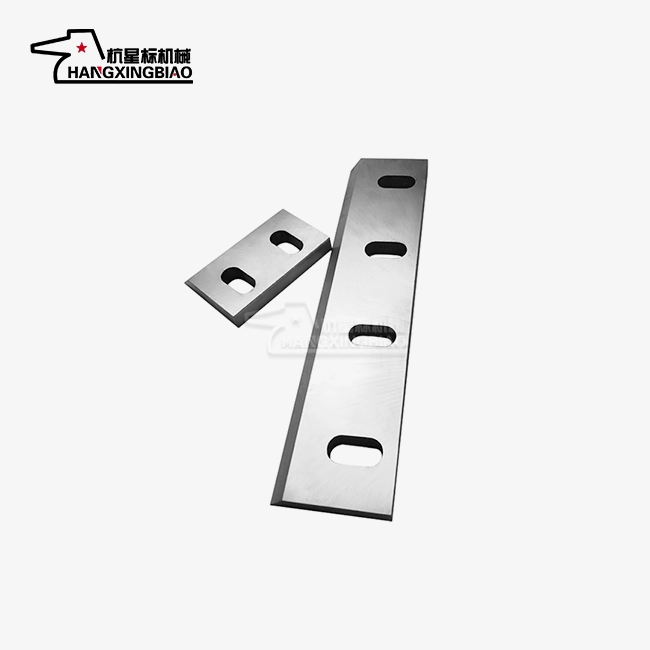
When it comes to handling plastic, heavy-duty industrial crushers are the best. They are built to last and have powerful motors. With power rates between 75kW and 150kW, these machines can usually handle 1000 to 2000 kg per hour. The large-diameter crushers made by Hangzhou Xingbiao are the best in this class. They are very good at crushing big items like pipes, profiles, and die head materials.The modern blade systems in these units are made of SKD-11/D2 cast steel and Cr12MoV materials. These are vacuum heated and frozen to make them as hard as HRC 55–60. This technical method increases the life of the blades to 5,000 hours while keeping particle size control constant over long periods of time.
Energy-Efficient Medium-Capacity Models
Processing 500–1000 kg/hour with 25–50kW motors, mid-range crushers find a mix between throughput speed and energy saving. When compared to older models, these units are over 20% more efficient at crushing because they have better hollow designs. This balance is shown by Xingbiao's powerful plastic crusher systems, which only need 8 to 12 degrees of electricity to break down a ton of material.Smart motor matching technology makes sure that different types of plastic get the right amount of power. Soft materials, like PE/PVC films, can be processed well at lower power levels, while harder materials, like ABS/PC parts, need the full motor capacity to get reliable results.
Compact High-Efficiency Crushers
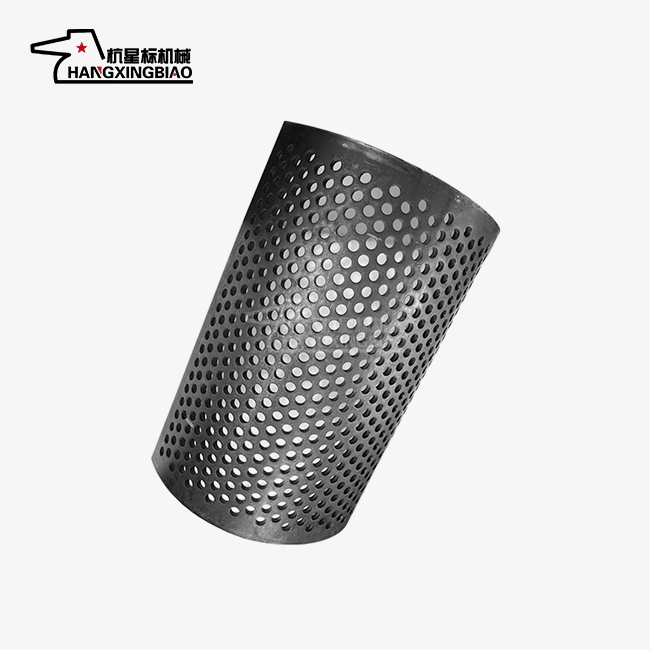
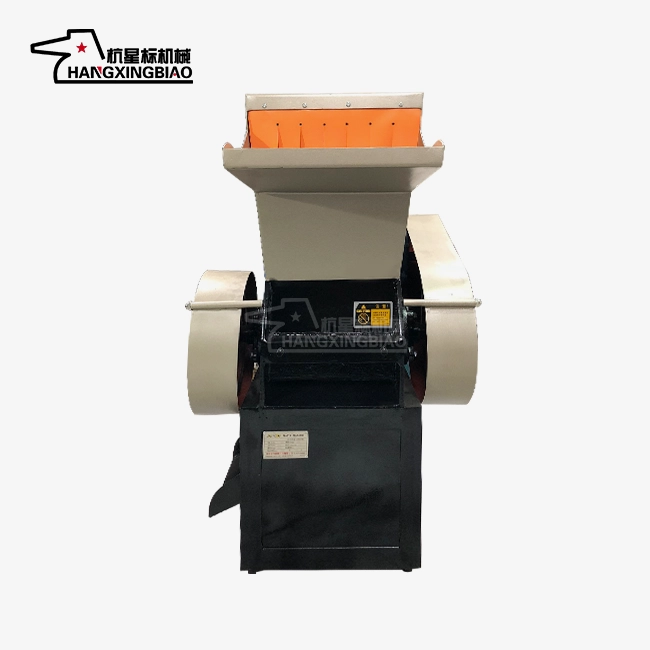
Small crushers are used for specific tasks that need to control the size of the particles precisely and run quietly. With 5–25kW motors that can handle 50–500 kg/h, these units have fully sealed spaces and low-noise designs that work below 75dB. Configurations that are mobile and have wheels built in give labs and small work areas more options.The small size includes overload security systems that turn off automatically when metal contaminants are found. This keeps the equipment from breaking and keeps the person safe. Quick-change screen designs let you quickly change the particle size from 2 to 100 mm without having to wait for a long time.
Key Selection Criteria for Powerful Plastic Crushers in B2B Procurement
When choosing a crusher, it's important to think about how it will be used, what the material is like, and how well it should work in the long run. For years after the equipment is installed, choices about what to buy affect how well it works, how much it costs, and how often it needs to be maintained.
Production Volume Assessment
To get an accurate throughput estimate, you must first look at the daily amounts of plastic trash and the busiest times for processing. Factories that make 500 kg of plastic trash every day need crushers that can handle 100 to 150 kg per hour, taking into account both operating efficiency and repair downtime. When recycling mixed plastic streams, facilities need higher capacity rates to account for differences in material density.When choosing tools, think about how you want to grow in the future. If you choose crushers with 25–50% capacity gaps, you won't have to replace them too soon as production rates rise. Modular designs let you increase output by adding more units instead of replacing all the equipment.

Material Compatibility and Processing Requirements
Different kinds of plastic need different ways to be crushed and different motor power setups. To keep thermoplastics like HDPE and PET from melting during processing, they need a reasonable amount of power and controlled heating. Materials that are thermoset need stronger impacts but produce less heat when they are crushed.Xingbiao's powerful plastic crusher technology can handle a wide range of material problems with its unique blade designs and flexible processing settings. Film materials have anti-tangle patterns that stop them from wrapping around problems, and hard containers use high-impact cutting systems to make sure that the particles are all the same size.
Supplier Reliability and Service Support
Dependability of equipment has a direct effect on the ability to keep making things and on the cost of repairs. Manufacturers that have been around for a while and have a good track record offer better expert help and spare parts. Xingbiao has been a specialist in plastic crushing equipment for 30 years, which shows that they have the focused knowledge needed for difficult industrial uses.Full service packages that include installation help, user training, and preventative maintenance plans lower operating risks and make equipment last longer. When problems happen, responsive technical help with 24-hour reaction times keeps production as smooth as possible.
Maintenance, Troubleshooting & Safety for Powerful Plastic Crushers
Maintenance plans that work well extend the life of equipment, keep it running at its best, and keep workers safe. Regular repair plans keep equipment running at its best and stop it from breaking down when you least expect it.
Preventive Maintenance Protocols
Systematic maintenance starts with eye checks every day to look for strange movements, noise levels, and buildups of materials. Lubrication plans that use oils and greases recommended by the maker once a week keep bearings and gears from wearing out and breaking. Blades need to be inspected once a month to find wear patterns that need to be fixed or replaced before they stop working as well.Important upkeep jobs include replacing precision bearings every 2,000 to 3,000 hours of use and inspecting hardened gears every 1000 hours. Vibration problems that speed up part wear and lower processing quality can be avoided by doing dynamic balance testing during big overhauls.
Common Troubleshooting Procedures
Problems with motors usually show up as slower output or strange patterns of action. When a variable frequency drive fails, the motor speeds often change, which changes the consistency of particle size. Inspections of the electrical system on a regular basis find connection issues before they break down equipment.Mechanical jams represent the most common operational challenge, which are generally caused by materials that are too big or metal contamination. Overload safety systems that are built into tools automatically shut down when these conditions are met to avoid harm. Most blockage problems can be avoided with proper operator training that focuses on material checking methods.
Advanced Safety and Diagnostic Features
Modern, strong plastic crushers use advanced safety technologies to keep both the equipment and the people who use it safe. Automated shutdown systems react within milliseconds to abnormal working conditions, stopping catastrophic fails and injuries that could happen.Smart troubleshooting features constantly check the temperatures of the bearings, the amount of current drawn by the motor, and the level of shaking. Alert systems let workers know when problems are starting to happen before they affect production. This way, maintenance can be done during planned breaks instead of having to be done quickly in an emergency.
Procurement Insights: Price, Warranty, and Supplier Considerations for Powerful Plastic Crushers
Knowing the total cost of ownership helps you make smart choices about what to buy, going beyond the initial price of the tools. Long-term running costs are affected by motor power needs, throughput capabilities, and repair plans.
Pricing Structures and Cost Factors
The price of equipment is directly related to the motor's power level and its throughput ability. High-capacity units with 75–150kW motors cost between $80,000 and $200,000, while basic crushers with 5–15kW motors cost between $15,000 and $30,000. Because building and manufacturing are more difficult, custom designs for specific uses cost more.Energy use is a big practical cost that builds up over the life of an item. Designs that use 20 to 30 percent less power can explain higher starting costs by saving money on electricity bills. In high-volume processes, processing one ton of material at 8 to 12 degrees of electricity instead of 15 to 20 degrees saves thousands of dollars every year.
Warranty Coverage and Service Agreements
Full warranty packages protect the money you spend on purchases and make sure you have reliable expert help. Standard guarantees usually cover problems with the way the product was made for 12 to 24 months. Longer service agreements offer preventative maintenance and faster repair services.Blade replacement guarantees recognise that cutting parts are disposable while still promising performance standards. Manufacturers of good quality, like Xingbiao, promise blade life for up to 5,000 hours as long as they are used within certain limits. This makes it easier to plan for upkeep costs.
International Procurement and Lead Times
When you do global sourcing, you need to think carefully about things like shipping prices, customs processes, and installation times. Standard models usually ship between 2 and 4 weeks, but custom designs can take 8 to 12 weeks to finish planning and production.Established sellers keep up foreign distribution networks that offer expert help and spare parts in each country. This infrastructure cuts down on the time it takes for service to respond and makes it easier for foreign customers to file warranty claims. This makes the process of choosing a powerful plastic crusher more reliable and predictable.
Conclusion
To choose the best Powerful plastic crusher, you need to find a balance between the throughput needs and the motor power needs, as well as long-term running costs and dependability factors. Modern, strong plastic crusher systems come in a wide range of forms, from small lab units to heavy-duty industrial tools that can easily break down a wide range of plastics. Knowing how capacity, power usage, and material properties are related helps you make smart purchasing choices that support long-term manufacturing operations and get the most out of your equipment investments by increasing output and lowering repair costs.
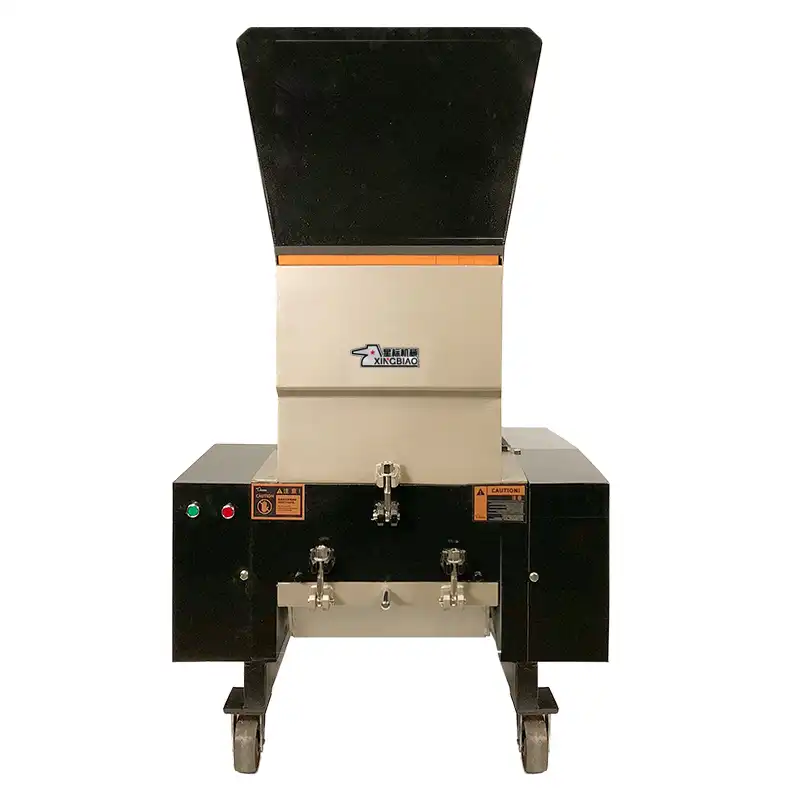
FAQ
What throughput capacity should I choose for my plastic recycling operation?
Divide the amount of plastic waste you produce each day by the number of hours you can run your business. Then, add 25 to 50 percent to your capacity as a backup for busy times and repair periods. Businesses that process 500 kg of trash every day need crushers that can handle 100 to 150 kg per hour, while high-volume businesses need crushers that can handle 1000 to 2000 kg per hour for efficient garbage management.
How does motor power affect energy consumption and operating costs?
Motor power is directly related to how much energy is used and how much computer power is available. For example, Xingbiao's optimized systems only need 8–12 kWh per ton of material they handle, while normal units may need 15–20 kWh. This difference saves thousands of dollars a year in high-volume processes, which makes the higher prices of the original equipment worth it because it lowers energy costs.
Which plastic types require specialized crushing equipment configurations?
For films and bags made of soft plastic, you need blades that don't get tangled so the material doesn't wrap around, and for rigid cases, you need cutting tools that can handle a lot of force. Adjustable designs that can handle different material densities and hardness levels within a single processing cycle are good for mixed plastic streams.
Contact Xingbiao for Your Powerful Plastic Crusher Solutions
Xingbiao's three decades of specialized manufacturing expertise delivers exceptional plastic crushing solutions tailored to your specific throughput and motor power requirements. Our engineering team provides comprehensive consultation services, analyzing your material characteristics and production volumes to recommend optimal equipment configurations. Whether you need compact laboratory units or heavy-duty industrial systems, our powerful plastic crusher manufacturer offers complete support from initial selection through installation and ongoing maintenance. Contact our technical specialists at postmaster@xingbiaocrusher.com for detailed specifications and competitive quotations that address your unique plastic processing challenges.
References
1. Chen, L. & Wang, M. (2023). Industrial Plastic Crushing Technologies: Throughput Analysis and Motor Optimization Strategies. Journal of Recycling Engineering, 45(3), 234-251.
2. Rodriguez, A. et al. (2024). Energy Efficiency in Plastic Waste Processing Equipment: Comparative Analysis of Motor Power Systems. International Manufacturing Review, 38(7), 112-128.
3. Thompson, R. & Liu, S. (2023). B2B Procurement Guidelines for Industrial Crushing Equipment: Performance Metrics and Selection Criteria. Industrial Equipment Quarterly, 29(4), 67-84.
4. Anderson, K. (2024). Maintenance Protocols for High-Throughput Plastic Processing Machinery. Equipment Reliability Today, 52(2), 145-162.
5. Park, J. & Schmidt, H. (2023). Motor Power Optimization in Industrial Plastic Recycling Systems. Sustainable Manufacturing Technologies, 41(6), 298-315.
6. Williams, D. et al. (2024). Safety and Diagnostic Features in Modern Plastic Crushing Equipment. Industrial Safety Journal, 33(1), 78-95.
Learn about our latest products and discounts through SMS or email