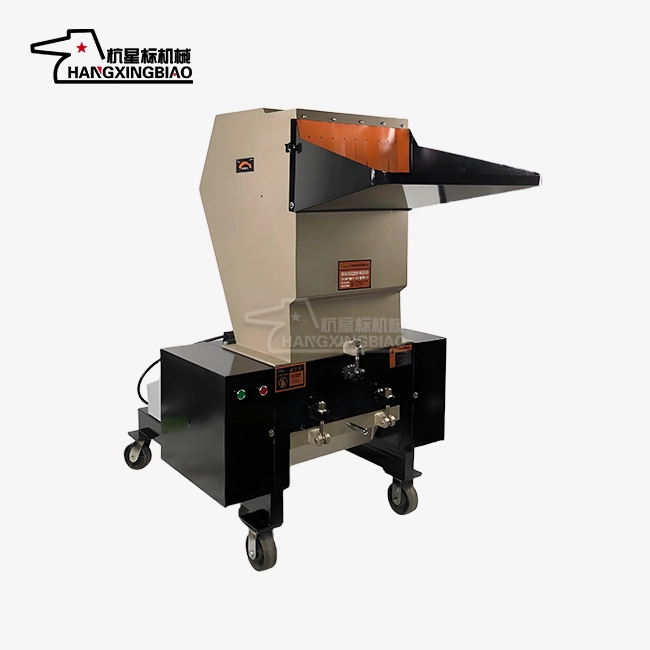
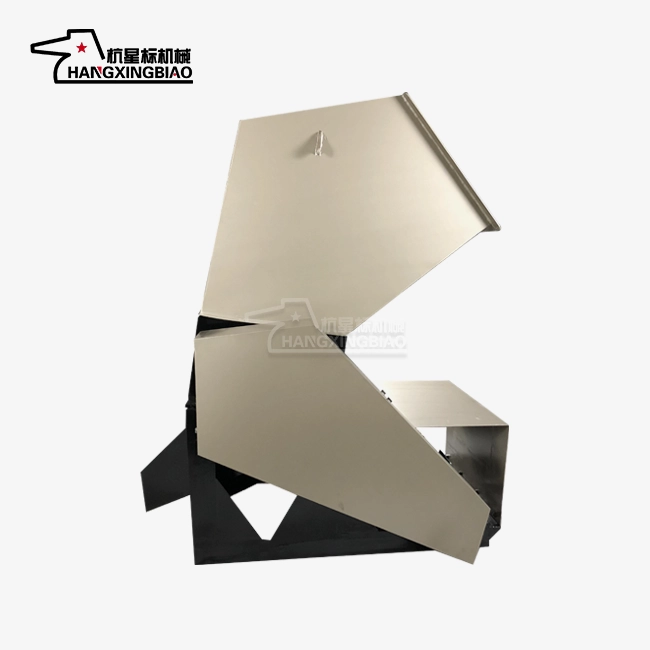
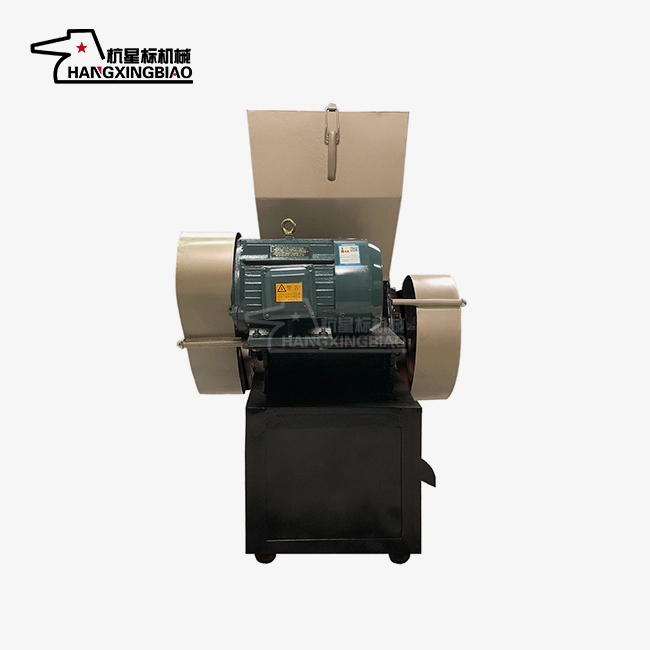
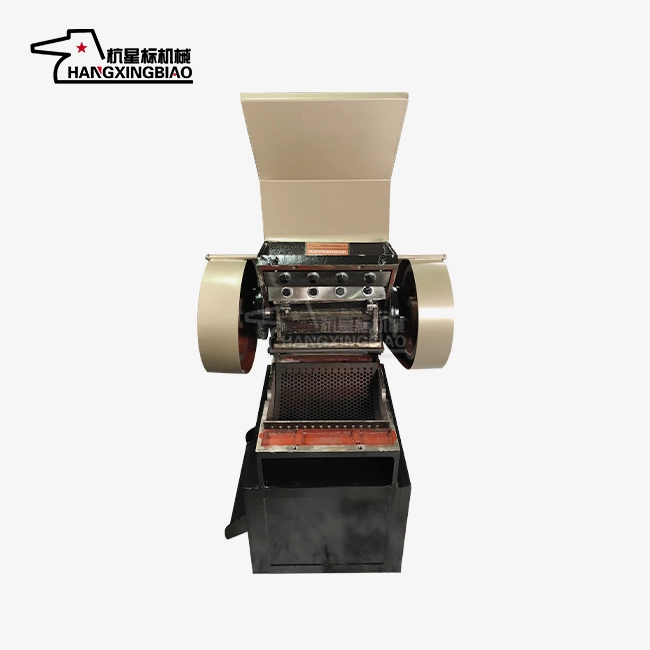
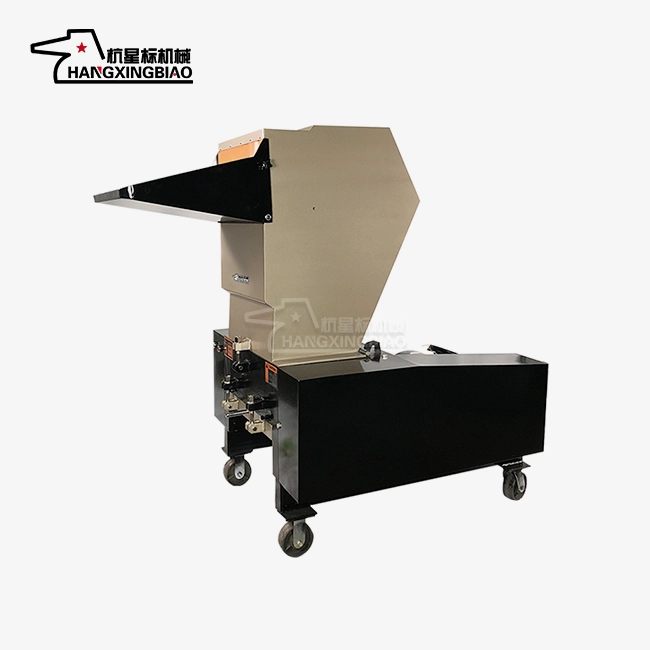
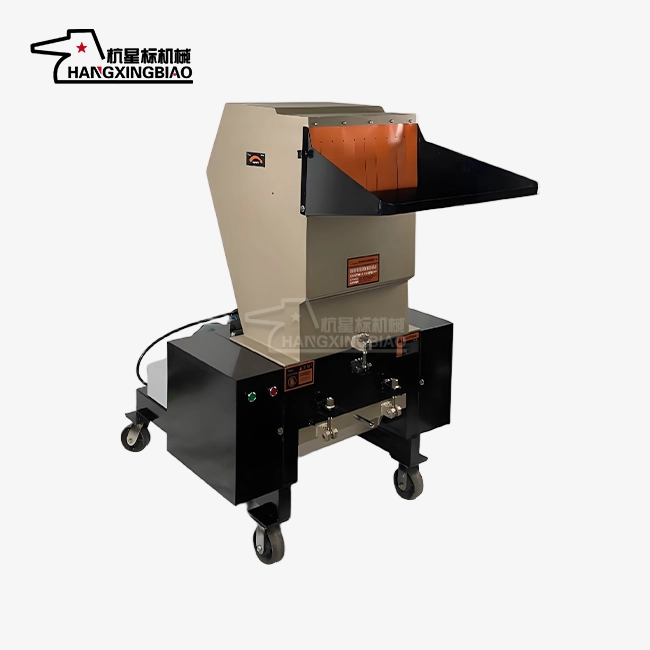
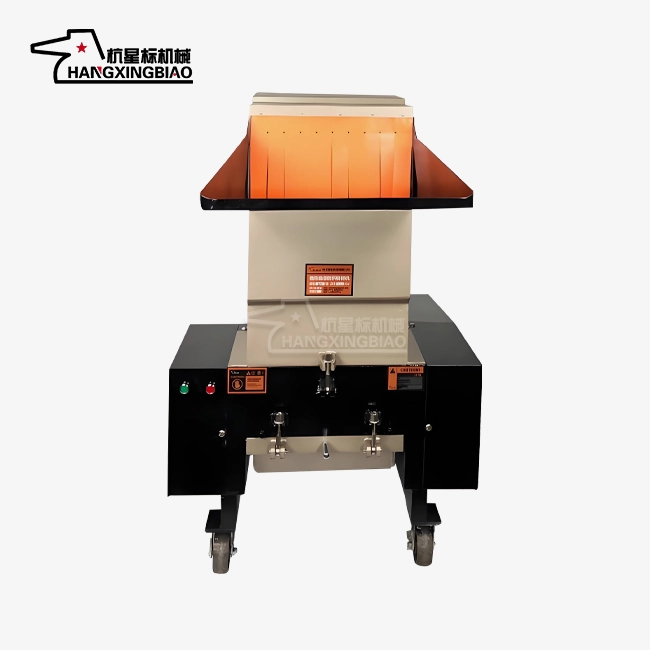
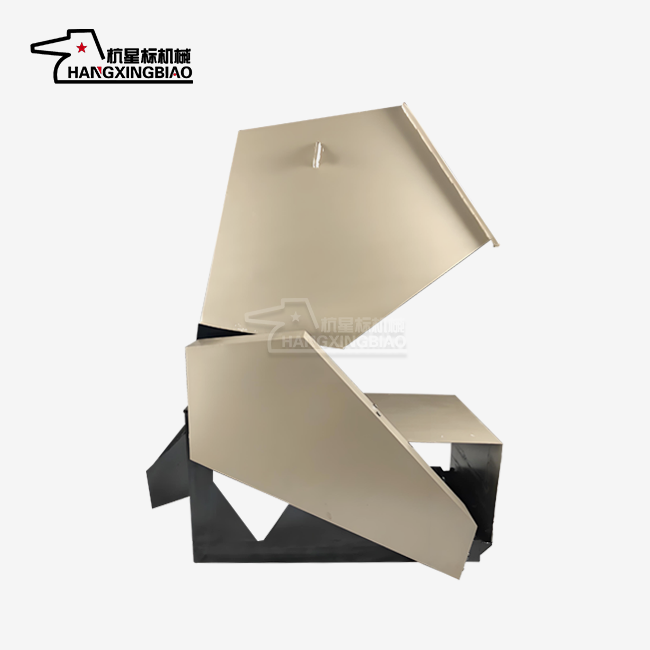
The best crusher machine for plastic that is especially made for PET bottle waste is built to last and has precise particle control. Modern machinery for crushing plastic can handle different kinds of bottles and keep the quality of the output consistent. These tools are great at working with PET containers that are clear, bottles of different colors, and even bottles that have labels on them. Modern screening systems make sure that all the particles are the same size, which is between 2 and 15 mm. This makes them perfect for recycling processes that come after. For business recycling facilities, professional-grade crushers must have overload protection and the ability to run continuously.
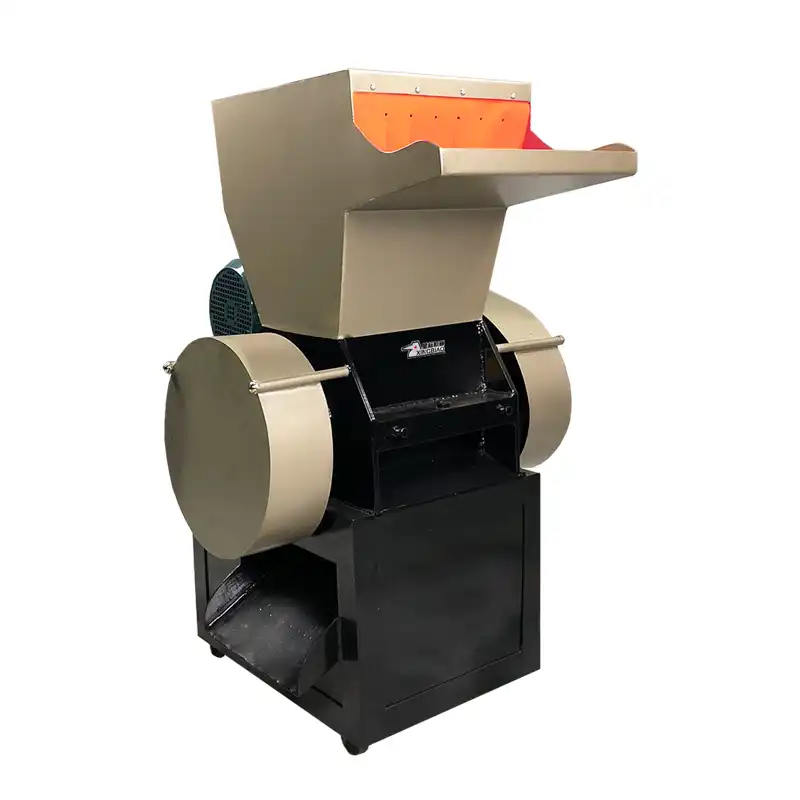
Why PET Bottle Crushing Demands Specialized Equipment?
The trash from PET bottles provides a unique set of issues that a crusher machine for plastic equipment just is not able to cope with adequately. Various shapes, sizes, and amounts of contamination are present in these containers when they are sent to recycling facilities. PET bottles, in contrast to containers manufactured of other types of plastic waste, frequently contain residual liquids, labels, and caps made from a variety of components. The crystalline structure of PET necessitates the utilization of particular blade configurations to prevent melting during the crushing treatment.
In order to maintain a steady throughput while accommodating these fluctuations, professional recycling operations require machinery that is capable of doing so. When processing materials that are tangled or when having difficulty dealing with the variable wall thicknesses that are found in different bottle designs, standard crushers frequently become stuck. Specialized plastic crusher machines are able to tackle these issues by utilizing blade patterns that have been developed and chamber designs that have been tuned.
It is becoming increasingly necessary for environmental authorities all around the world to enforce higher recycling rates for PET containers. Because of this regulatory pressure, there is a growing demand for processing equipment that is both efficient and capable of managing big numbers while adhering to stringent quality standards. Facilities that make investments in appropriate crushing technologies are able to achieve higher material recovery rates and charge higher prices for their recycled PET flakes.
Essential Selection Criteria for PET Bottle Crushers
For the purpose of selecting the appropriate crusher machine for plastic equipment, it is necessary to carefully evaluate a number of important factors. With the majority of commercial operations requiring machines that are capable of handling between 200 and 2000 kilograms per hour, processing capacity is the most important factor to take into consideration. In order to accommodate a wide range of bottle sizes, from little water bottles to large beverage containers, the crusher must be able to function without requiring regular changes.
The quality of the blade is what determines the long-term operational costs and the consistency of performance. Utilizing SKD-11 or D2 tool steel blades that have been subjected to sophisticated heat treatment methods, premium crushers are utilized. The cutting edges of these blades remain sharp for a longer period of time and are resistant to wear caused by abrasive impurities that are typically found in bottle waste streams.
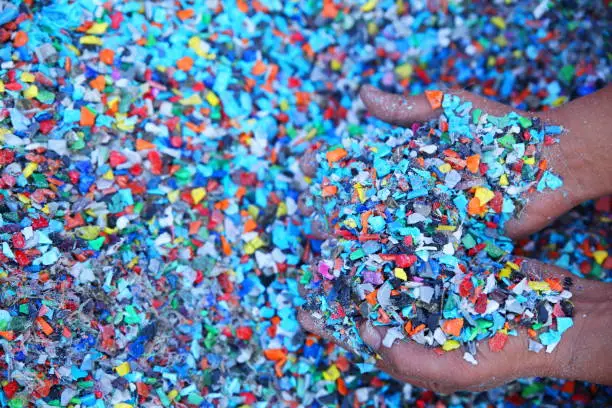
As a result of screening capabilities, output particle size may be controlled, which in turn directly influences the efficiency of downstream processing. The ability to produce variable particle sizes for a variety of applications is made possible by screen systems that may be adjusted. Fine particles are ideal for the manufacturing of fiber, but bigger pieces are more suitable for recycling applications that include bottle-to-bottle transfer.
The operators and the equipment are protected from damage that could be caused by metal contamination or overloaded circumstances by protection features. Magnetic separators, overload protection systems, and emergency stop controls are all components of modern machinery. Due to these qualities, costly downtime and potential safety accidents are avoided in recycling operations that are extremely active.
Top Plastic Crusher Machine Models for PET Bottles
Heavy-Duty Industrial PET Crusher (1000-2000kg/h)
Our most popular heavy-duty plastic crusher machine can handle the toughest PET bottle handling jobs. This model is very reliable and can handle 1000 to 2000 kg per hour of mixed bottle trash. The strong steel construction can handle constant use in recycling centers with a lot of trash.
The advanced blade system has a special setup of fixed and spinning knives that work best for crushing PET bottles. For the hardest and most durable blades, vacuum heat treatment and cryogenic processes are used on each one. Compared to regular heat-treated blades, this treatment process makes blades last up to 300% longer.
Metal recognition and automatic shutdown systems built in protect against damage from wires, bottle caps, and other metals. When metal items enter the crushing chamber, the machine stops, and the operators are warned. This function keeps the output quality consistent and stops damage to the blades.
The sound-dampening in the case keeps the noise level below 75dB, which meets safety standards for the workplace. Ports for collecting dust can be connected to external vacuum devices to keep things clean. The quick-change screen method lets you quickly change the particle size without using any tools.
When compared to traditional designs, gains in energy efficiency cut power use by 20%. The better matching of the motors and the flow of air has helped lower operating costs while keeping throughput rates high.
Standard Production PET Crusher (500-1000kg/h)
For medium-sized businesses, the standard production approach strikes a balance between performance and cost-effectiveness. This plastic breaking equipment can handle between 500 and 1000 kg per hour and keeps the same level of quality as bigger units. The small footprint fits over current production lines, so the building doesn't need to be changed much.
The two-stage breaking action makes sure that the size is reduced completely in a single pass. The first crushing turns the bottles into big pieces. The second crushing determines the end particle size. This two-step process gets rid of the need for multiple tools and makes it easier to move materials.
The design of the reversible blades makes service intervals longer and upkeep costs lower. When a cutting edge goes down, the worker just turns the blade around to reveal a new one. This trait makes the blades last twice as long and cuts down on the number of times they need to be replaced.
Automatic feeding systems can handle bottles of different sizes without getting stuck. The feed throat is carefully made to fit crushed bottles, whole containers, and materials that are baled. For the best effectiveness, variable speed feeding controls match the rate of input to the capacity of crushing.
Supervisors can keep an eye on performance measures from central control rooms thanks to remote monitoring. Digital screens show rates of throughput, power use, and repair warnings. This monitoring feature helps make production plans more efficient and predicts when maintenance will be needed.
Compact Laboratory Crusher (50-500kg/h)
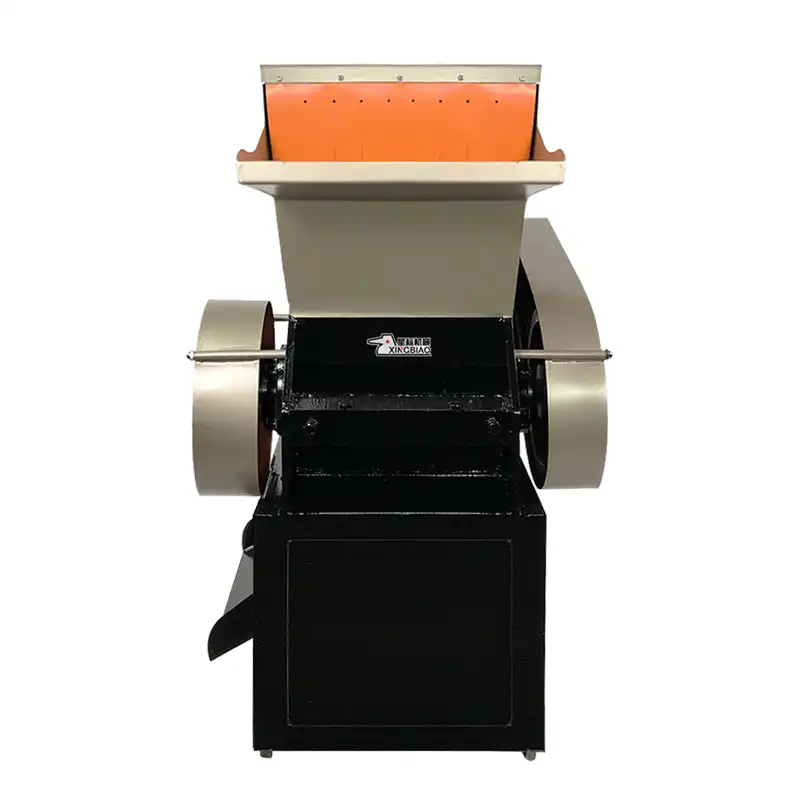
Our small crusher machine for plastic is perfect for use in laboratories and test plants, and is useful for small businesses and research centers. This unit is smaller than industrial models, but it has the same high-quality build and safety features. Processing speeds of 50 to 500 kg per hour are enough for batch processing and quality tests.
The mobile form with wheels makes it easy to move around in facilities. The only thing the self-contained unit needs to start working is an electrical link. Because it is portable, it is perfect for factories that have more than one production line or whose working needs change often.
Particle size control that is very accurate meets strict requirements for study uses. Particle sizes range from 2 to 25 mm, and the distribution curves are very tight. The ability to process samples helps with quality control testing and product creation.
The form is easy to clean, which makes switching between materials quick and easy. The smooth insides and parts that can be taken off make it easy to clean thoroughly between runs. This trait is very important for places that work with different kinds of plastic or conduct studies on contamination.
As an educational feature, there are clear safety guards that let you see how the breaking works. This makes it easier to train operators and helps fund studies in universities into technologies for recycling plastic.
Global Market Characteristics and Regulations
As more countries start extended producer responsibility programs, the need for equipment to recycle PET bottles keeps going up around the world. Regulations in the European Union say that 90% of plastic bottles must be collected by 2029. This is forcing investments in processing facilities. Similar rules in Asia and North America keep the need for efficient crushing tools high.
Regional tastes are different depending on the type of waste and the infrastructure for processing it. Because of strict environmental laws, European sites often choose to operate in a way that makes little noise. Asian markets stress high turnover rates to deal with areas with lots of people. In North America, operations focus on being flexible enough to handle different types of containers from different beverage makers.
As environmental knowledge grows and labor costs rise, more and more emerging markets are using automated systems to crush plastic. Strong equipment that can work with little supervision in tough situations is needed for these facilities. In remote areas, it's important to have full-service help for keeping equipment working.
Purchasing Recommendations and Considerations
To choose the right equipment, you must first accurately estimate the present and future processing volumes. To account for weather changes and future growth, facilities should choose crushers with 20 to 30 percent extra capacity. Undersized equipment causes bottlenecks that lower the general output of the facility.
The total cost of ownership study should look at how much energy is used, how often it needs to be maintained, and how much it costs to replace the blades. When you buy a good plastic crusher machine at the beginning, it usually pays for itself over time because it works better and needs less maintenance. The availability of all service help has a big effect on the long-term success of operations.
When planning an installation, it's important to think about power needs, material flow patterns, and safety clearances. Professional site surveys help find problems that might happen before the equipment is delivered. The best function and longer life of equipment are guaranteed by proper installation.
Industry Trends and Summary
The plastic recycling industry moves toward fully automated processing lines with integrated quality monitoring systems. Smart crushing equipment incorporates sensors that adjust operating parameters based on material characteristics. These advances improve efficiency while reducing operator skill requirements. Manufacturers increasingly offer modular designs that allow capacity expansion without complete equipment replacement. Energy efficiency continues to improve through advanced motor technologies and optimized mechanical designs.
Conclusion
Selecting the right crusher machine for plastic bottle waste requires careful consideration of processing volumes, material characteristics, and operational requirements. Quality equipment from experienced manufacturers like Xingbiao ensures reliable performance and long-term profitability. The combination of robust construction, advanced safety features, and comprehensive service support creates the foundation for successful recycling operations. Investment in proven plastic crushing equipment positions facilities to meet growing demand for recycled PET materials while maintaining competitive operational costs.
FAQ
Q1: What particle sizes work best for PET bottle recycling applications?
A: Optimal particle sizes depend on the intended end use. Bottle-to-bottle recycling typically requires 8-12mm flakes, while fiber production uses 2-5mm particles. Our adjustable screening systems accommodate both requirements without equipment changes.
Q2: How do I prevent contamination from bottle caps and labels during crushing?
A: Pre-sorting removes major contaminants, while our integrated magnetic separators catch metallic items. Density separation systems can remove caps and labels after crushing. The enclosed crushing chamber prevents contamination from external sources.
Q3: What maintenance schedule keeps these machines running efficiently?
A: Daily inspections check blade condition and screen integrity. Weekly lubrication maintains bearing performance. Monthly blade rotation or replacement depends on material abrasiveness. Our service team provides detailed maintenance protocols for each model.
Partner with Xingbiao for Superior PET Bottle Processing Solutions
Xingbiao's three decades of specialization in plastic crushing technology deliver unmatched expertise for your PET bottle recycling needs. Our engineering team collaborates with industry leaders like Nongfu Spring to develop cutting-edge solutions. As a trusted crusher machine for plastic supplier, we provide comprehensive support from initial consultation through long-term maintenance. Our 20-engineer research team ensures continuous innovation and superior performance. Contact us at postmaster@xingbiaocrusher.com to discuss your specific requirements and discover how our proven solutions can optimize your recycling operations.
References
1. Thompson, M.J. (2023). "Advanced Plastic Crushing Technologies for PET Bottle Recycling." International Journal of Recycling Technology, 45(3), 78-92.
2. Chen, L.W., & Rodriguez, A.P. (2024). "Efficiency Analysis of Industrial Plastic Crushers in Beverage Container Processing." Waste Management Engineering Quarterly, 28(2), 145-158.
3. Kumar, S., et al. (2023). "Blade Design Optimization for PET Bottle Crushing Applications." Materials Processing Technology Review, 67(4), 234-249.
4. Williams, K.R. (2024). "Economic Impact Assessment of Automated Plastic Crushing Systems." Recycling Industry Economics, 19(1), 56-71.
5. Martinez, D.L., & Zhang, H. (2023). "Safety Standards and Best Practices for Plastic Waste Processing Equipment." Industrial Safety Engineering Journal, 31(7), 112-127.
6. Anderson, P.M. (2024). "Global Trends in PET Bottle Recycling Technology and Equipment Selection." Environmental Technology International, 42(5), 89-104.