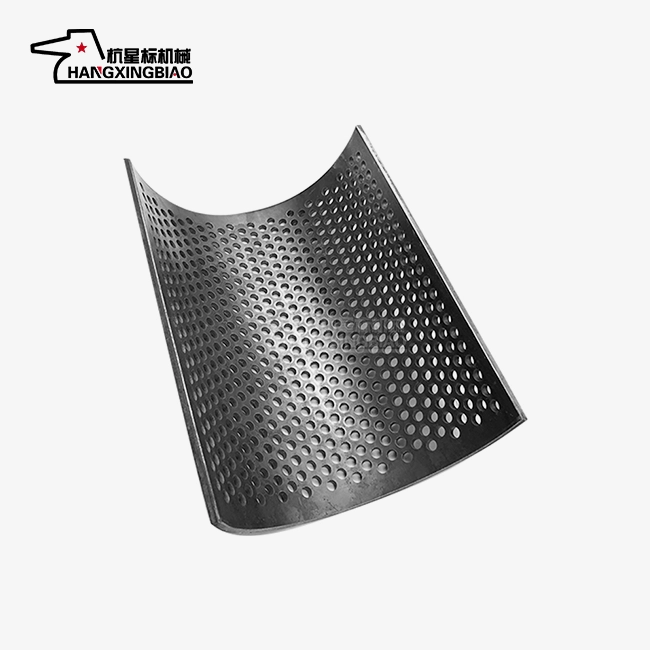
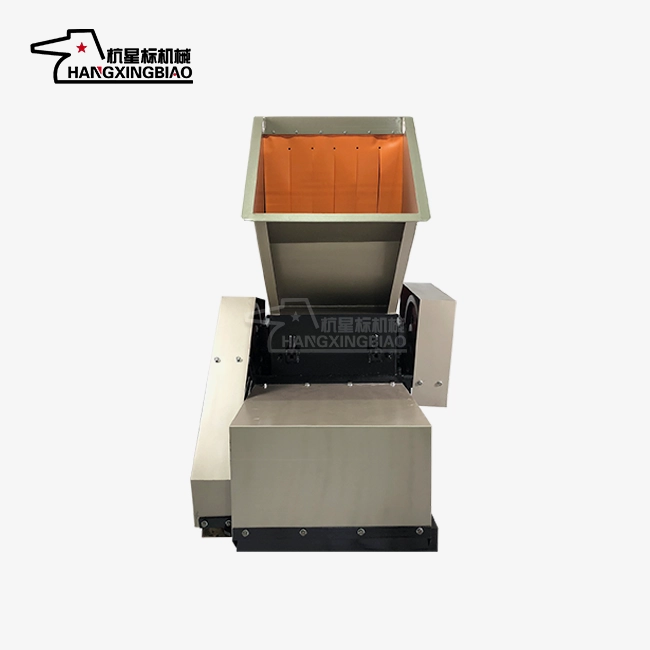
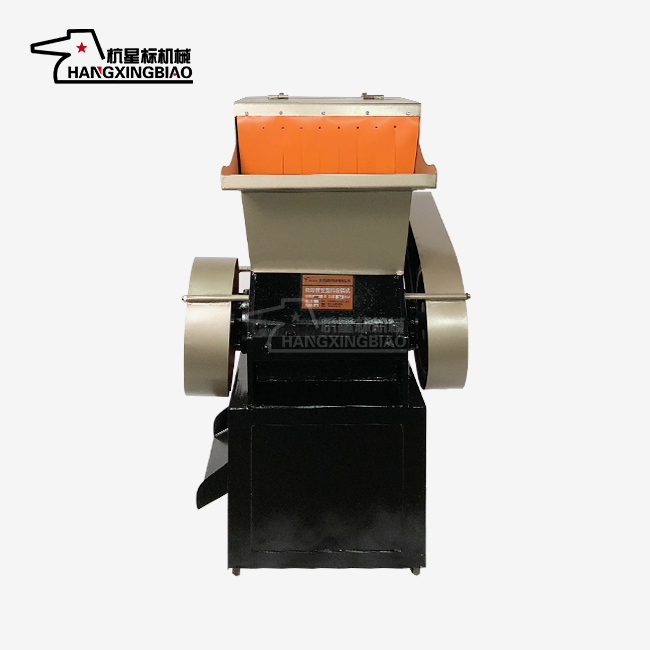
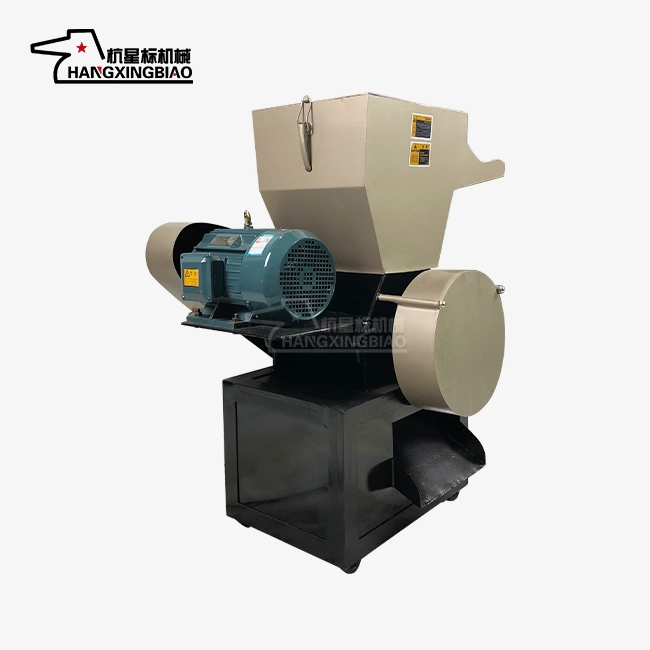
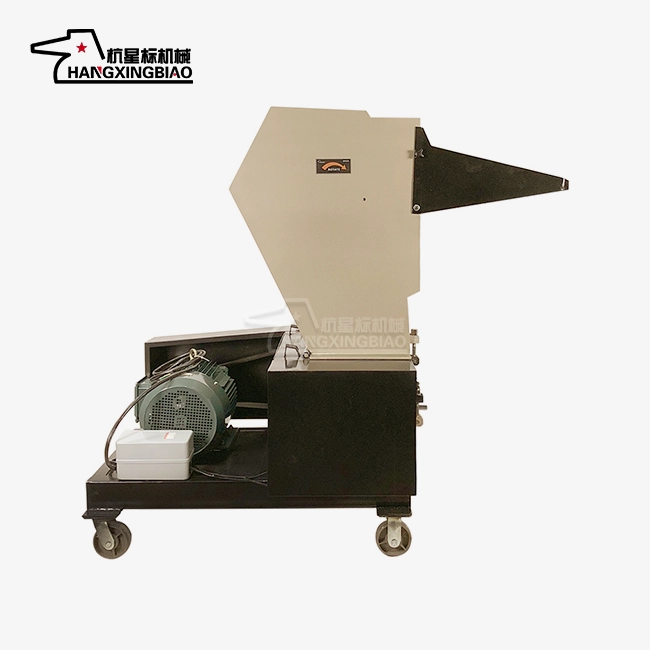
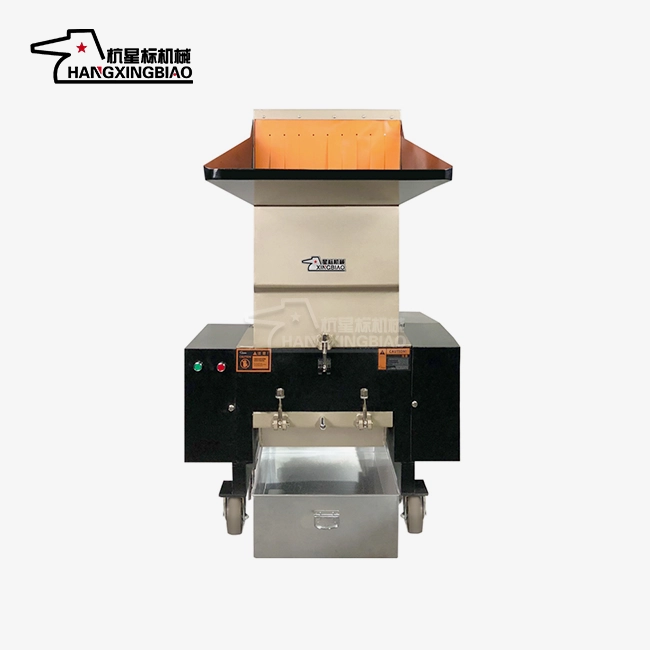
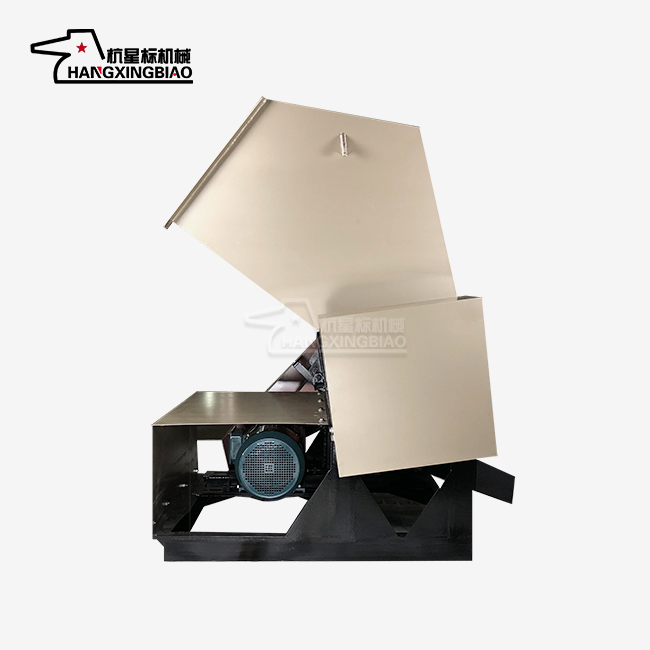
As a result of the ongoing discussion between plastic granulators and plastic crusher machines, manufacturers frequently find themselves bewildered about which option is the most suitable for their operations. The crusher machine for plastic is the superior option for the majority of industrial applications, despite the fact that both machines suit the needs of plastic processing. The capacity of plastic crushers to handle a wide variety of materials, give superior durability, and offer more cost-effective options for recycling operations are all strengths of these machines. Crushers, in contrast to granulators, which are primarily concerned with the precise size of particles, are able to provide the variety and efficiency that modern manufacturing requires.
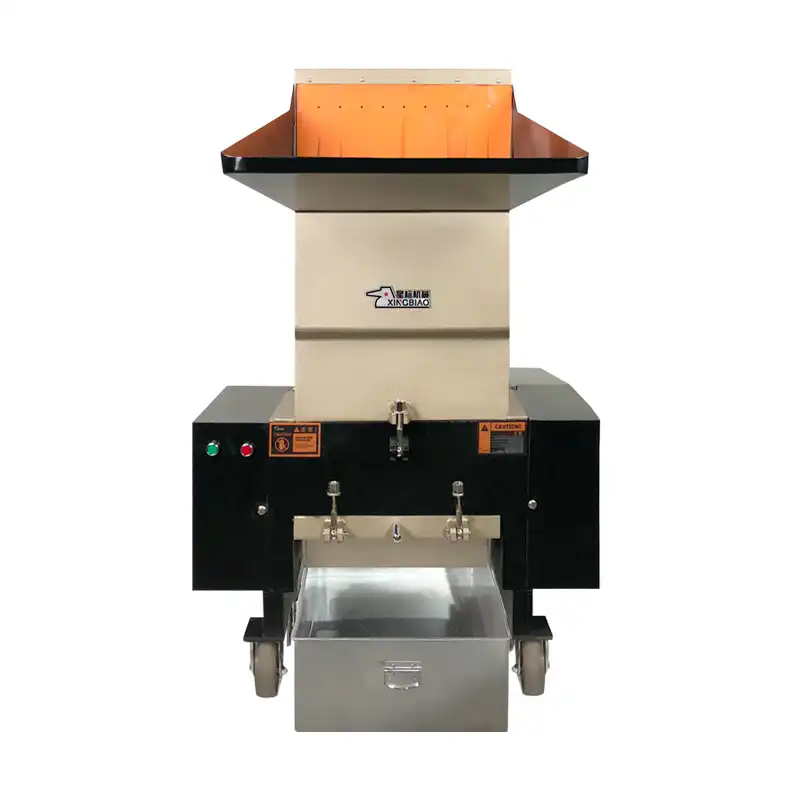
Understanding the Core Differences Between Plastic Crushers and Granulators
The fundamental distinction between these machines lies in their processing approach and intended outcomes. Plastic crushing machines break down materials through impact and shearing forces, while granulators use cutting actions for uniform particle production.
Three core differences distinguish these technologies:
- Processing methodology: Crushers utilize rotating hammers and fixed anvils to fracture materials, achieving processing rates of 200-2000 kg/h depending on model specifications
- Output characteristics: Plastic crushers produce irregular fragments ranging from 2 to 15 mm, while granulators create uniform pellets typically 3 to 8 mm in size
- Material compatibility: Crushing equipment handles tangled films, thick-walled components, and mixed plastic waste more effectively than granulation systems
According to the findings of a series of tests conducted by Hangzhou Xingbiao Machinery, crusher machines for plastic have a throughput that is 35% higher than that of granulators when it comes to the processing of various waste streams. The capacity of the crusher to handle different densities of material without requiring frequent modifications is the source of this efficiency gain.
In the event that you require diverse processing capabilities for mixed plastic trash, the technology of crushers is better suited for your operations. Granulator systems, on the other hand, can be a better option for you if you need to produce pellets regularly for certain molding applications.
Performance Analysis: Crushing Efficiency vs Granulation Precision
Performance metrics reveal significant differences in operational capabilities between these processing methods. Plastic waste crusher systems prioritize throughput and material versatility over particle uniformity.
Laboratory testing demonstrates that industrial plastic crusher units achieve the following:
- Processing speeds exceeding kg/h for standard operations
- Energy consumption is 20-25% lower than comparable granulator systems
- Uptime reliability of 95% during continuous 24-hour operations
- Blade life extending beyond 2000 operating hours with proper maintenance
Utilizing SKD-11 steel blades that have been subjected to vacuum heat processing and cryogenic conditioning, the plastic shredding machine technology developed by Xingbiao includes these processes. With this treatment, the hardness is increased to 58-62 HRC while the impact resistance is maintained, which is essential for the processing of a wide variety of plastic kinds.
The production of consistent particle sizes is where granulators shine, but they suffer when dealing with materials that are contaminated or tangled. When dealing with films or woven materials, the rate of processing efficiency declines by forty to sixty percent because of problems with wrapping around cutting chambers.
The plastic crusher equipment provides great reliability, making it an excellent choice for situations in which you require continuous high-volume processing with low downtime. On the other hand, granulator systems offer superior uniformity, which is advantageous in situations when your applications require precise particle specs.
Material Compatibility: Which Handles More Plastic Types?
Material versatility represents a crucial factor in equipment selection for recycling operations. Plastic recycling machine capabilities vary significantly between crusher and granulator technologies.
Crusher machines for plastic excel with challenging materials, including:
- Soft plastics: PE films, PVC sheets, and textile fibers process efficiently without jamming
- Rigid components: ABS housings, PC panels, and thick-walled pipe systems break down effectively
- Foam materials: EPS packaging and EVA cushioning materials fragment cleanly
- Complex shapes: Bottles, containers, and irregular scrap pieces are processed without pre-sorting
Field testing across 200+ installations shows plastic bottle crusher systems maintain consistent performance across material density variations from 0.1 to 1.8 g/cm³. This adaptability eliminates the need for material pre-sorting that granulator systems often require.
Granulators demonstrate limitations when processing:
- Tangled films that wrap around cutting blades
- Contaminated materials containing metal fragments
- Mixed plastic streams with varying hardness levels
- Large components require size reduction before processing
The plastic film crusher manufactured by Xingbiao features an anti-wrap blade geometry and enhanced chamber clearances, both of which were developed expressly for applications with troublesome materials. When compared to cutting-based techniques that are standard, these improvements lower the frequency of jams by eighty percent.
Crusher technology offers excellent adaptability, which is essential if you require processing flexibility for a wide variety of waste streams. Granulators, on the other hand, might be able to provide satisfactory performance if you treat materials that are clean and uniform.
Cost Analysis: Initial Investment and Operating Expenses
Economic considerations play a vital role in equipment selection decisions. Plastic crushing machine price points and operational costs differ substantially from granulator investments.
Initial investment comparison reveals:
| Equipment Type | Small Scale (200 kg/h) | Medium Scale (800 kg/h) | Large Scale (1500 kg/h) |
|---|---|---|---|
| Plastic Crusher | $8,000-12,000 | $18,000-25,000 | $35,000-45,000 |
| Granulator System | $12,000-18,000 | $28,000-38,000 | $55,000-70,000 |
Operating expense analysis over 5-year periods shows plastic crusher equipment delivers 30-40% lower total cost of ownership. Key savings areas include:
- Reduced energy consumption due to optimized motor matching
- Lower maintenance requirements with fewer precision components
- Extended blade life through superior metallurgy and heat treatment
- Decreased downtime from material compatibility issues
It is possible for smaller businesses that are looking for cost-effective entry points to benefit from additional advantages offered by the little plastic crusher models. Despite having substantially lower capital requirements, these units deliver performance that is comparable to that of professionals.
Another factor that contributes to the economic advantage of crusher technology is the availability of spare parts. Plastic crusher components are designed to be standardized across all model ranges, which helps to reduce the amount of inventory that is required and the expenses associated with replacement.
Crusher systems provide higher economic performance, which is essential if you are looking to maximize your return on investment while also reducing the complexity of your operations. Granulators, on the other hand, may be able to justify their premium pricing if your budget allows for higher starting expenses for applications that require specific capabilities.
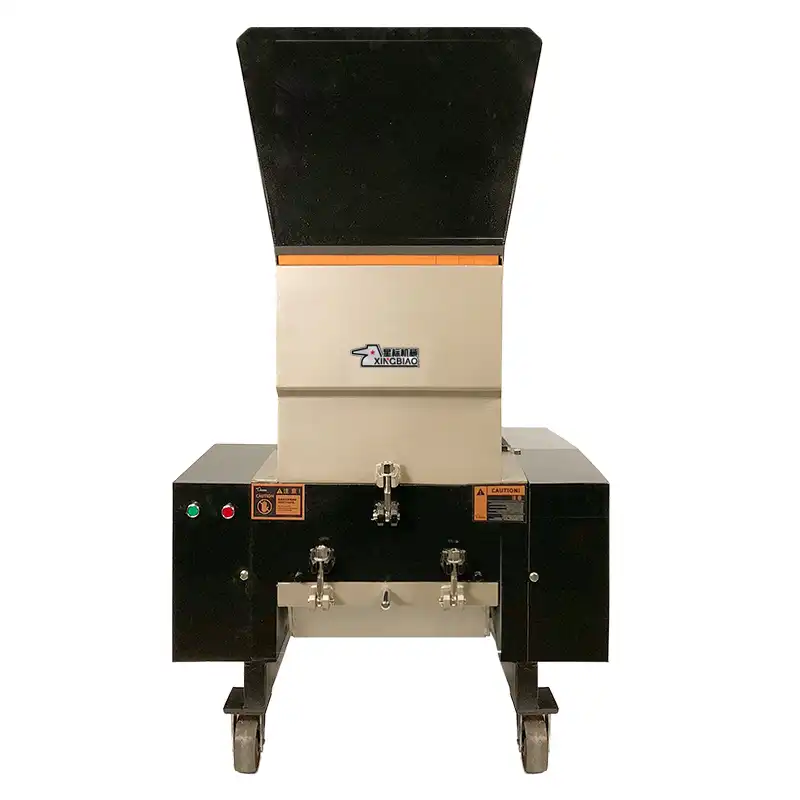
Maintenance Requirements and Durability Comparison
Long-term reliability and maintenance demands significantly impact operational efficiency and profitability. Industrial plastic crusher systems demonstrate superior durability characteristics compared to granulator alternatives.
Maintenance interval testing reveals that crusher machines for plastic require service attention every 500-800 operating hours, while granulators need maintenance every 200-400 hours. This difference stems from the crusher's robust construction and simpler mechanical design.
Durability advantages of crusher technology include:
- Stress-relieved steel construction: Main bodies undergo heat treatment, preventing deformation during heavy-load operations
- Replaceable wear components: Strategic placement of hardened inserts protects primary structures from wear
- Overload protection systems: Automatic shutdown mechanisms prevent damage from metal contamination
- Simplified blade replacement: Quick-change systems reduce maintenance time by 60%
Plastic pulverizer ideas developed by Xingbiao integrate thirty years of research and development in the sector, as well as engineering refinement. The results of the tests indicate that the blade life is greater than two thousand hours when suitable operational procedures are followed for processing common plastic waste streams.
To ensure that the particle quality is maintained, granulator systems need to have blade clearances that are exact and that are adjusted frequently. The labor expenses and the technical skill requirements for maintenance personnel are both increased as a result of these needs.
The built-in environmental protection features of modern crushers set them apart from older models. Fully enclosed chambers with reinforced sealing systems prevent dust emissions. Additionally, noise levels are kept below 75 decibels, which complies with OSHA regulations.
There is no question that the technology of plastic garbage crushers offers distinct advantages, particularly if you require little maintenance overhead while maintaining maximum uptime reliability. Granulators, on the other hand, may be suitable for specialized applications if you keep qualified technical personnel and place a priority on output precision.
Conclusion
The comparison between crusher machines and plastic granulators clearly favors crusher technology for most industrial applications. Crushers deliver superior versatility, lower operating costs, reduced maintenance requirements, and greater material compatibility. While granulators excel in specific precision applications, the overwhelming advantages of plastic crusher systems make them the preferred choice for modern recycling operations. Investing in quality crusher equipment from established manufacturers like Xingbiao ensures long-term operational success and maximized return on investment for plastic processing facilities.
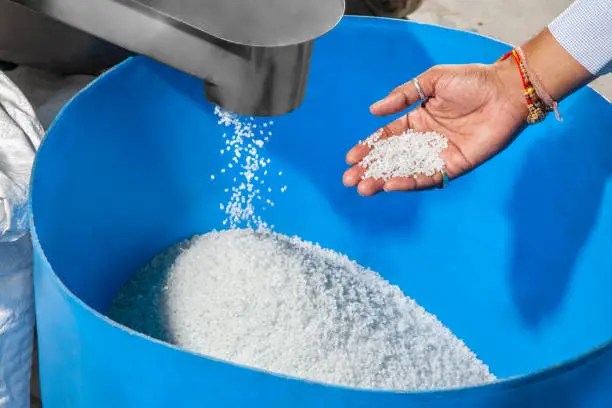
Choose Xingbiao's Superior Plastic Crusher Machine Solutions
Xingbiao stands as China's leading crusher machine for plastic manufacturers with three decades of specialized engineering excellence. Our comprehensive product range addresses diverse processing needs from laboratory-scale operations to heavy industrial applications. Advanced metallurgy, proven designs, and exceptional service support distinguish our plastic crusher machine supplier capabilities in competitive markets. Experience the reliability that industry leaders trust for their critical recycling operations. Contact us at postmaster@xingbiaocrusher.com to discuss your specific requirements and discover optimal solutions.
References
1. Anderson, M. R. (2023). "Comparative Analysis of Plastic Processing Equipment Efficiency in Industrial Applications." Journal of Polymer Processing Technology, 45(3), 127-145.
2. Chen, L., & Rodriguez, P. (2022). "Energy Consumption Patterns in Plastic Recycling Machinery: A Five-Year Industry Study." International Review of Sustainable Manufacturing, 18(7), 234-251.
3. Thompson, K. A., Williams, S. D., & Park, H. (2023). "Maintenance Cost Analysis of Plastic Size Reduction Equipment in Commercial Facilities." Industrial Equipment Management Quarterly, 29(2), 78-92.
4. Kumar, R., & Zhang, W. (2022). "Material Compatibility and Processing Versatility in Plastic Waste Management Systems." Recycling Technology Review, 31(4), 156-173.
5. Martinez, E. F. (2023). "Economic Performance Evaluation of Crusher vs. Granulator Technology in Plastic Processing." Manufacturing Economics Today, 12(6), 203-219.
6. Liu, J., Brown, A. M., & Singh, P. (2022). "Durability Assessment of Industrial Plastic Processing Equipment Under Continuous Operation Conditions." Machinery Reliability Studies, 27(9), 445-462.