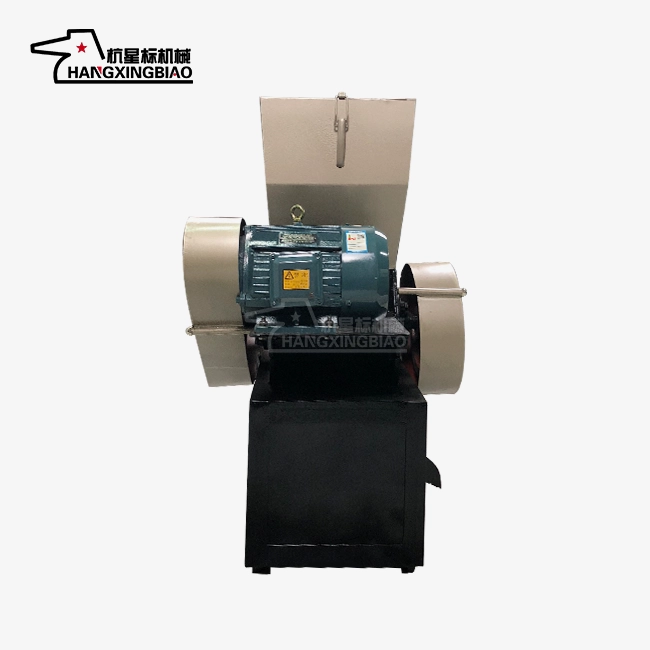
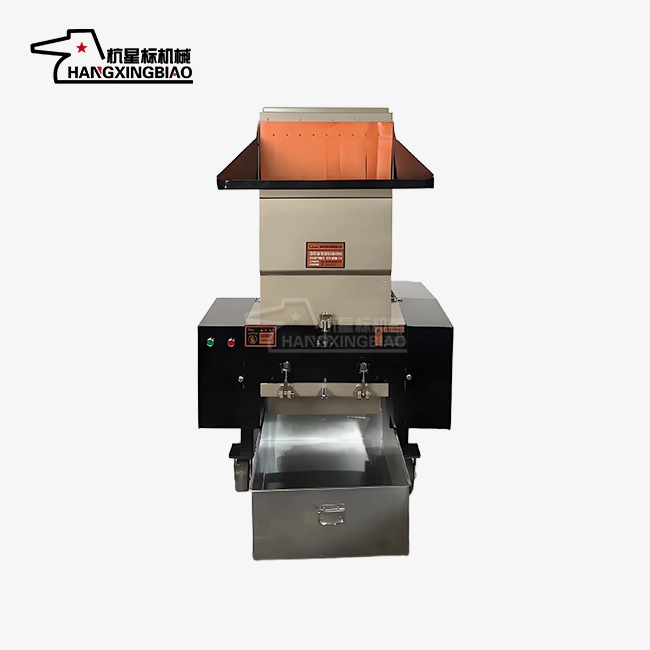
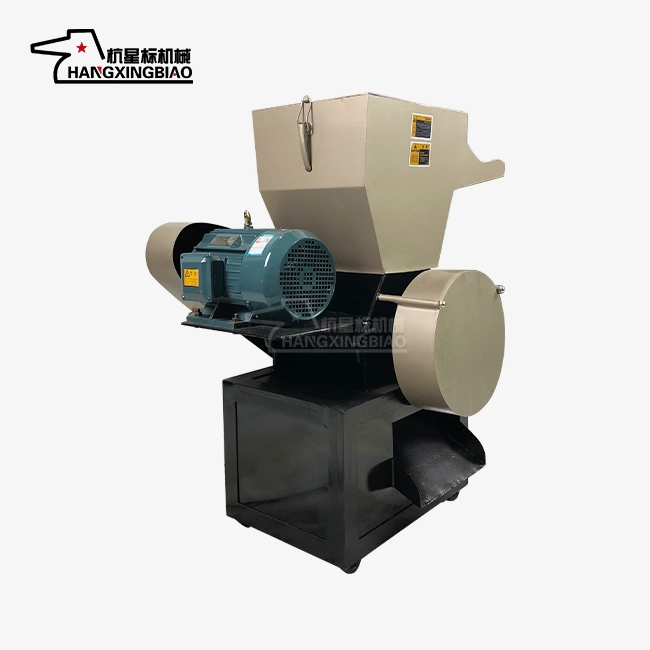
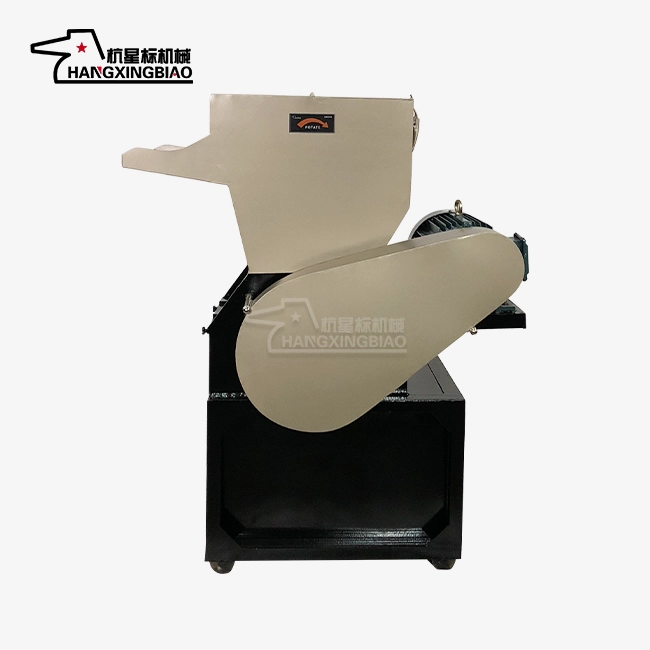
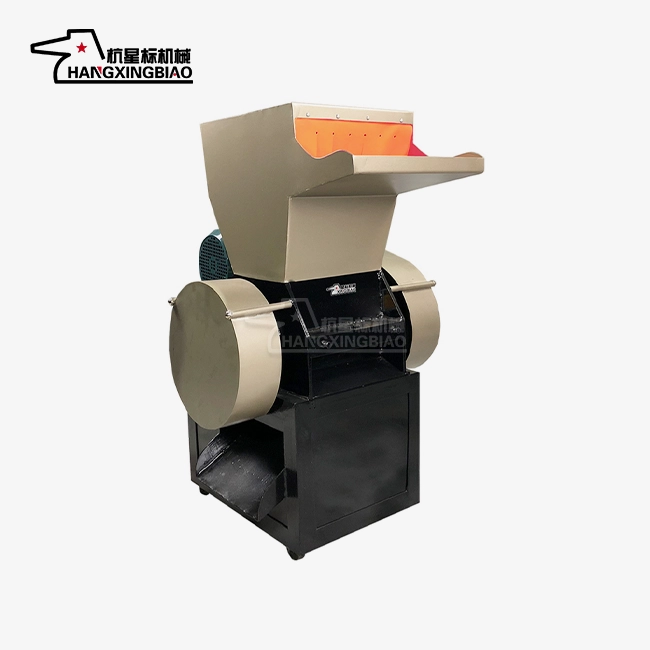
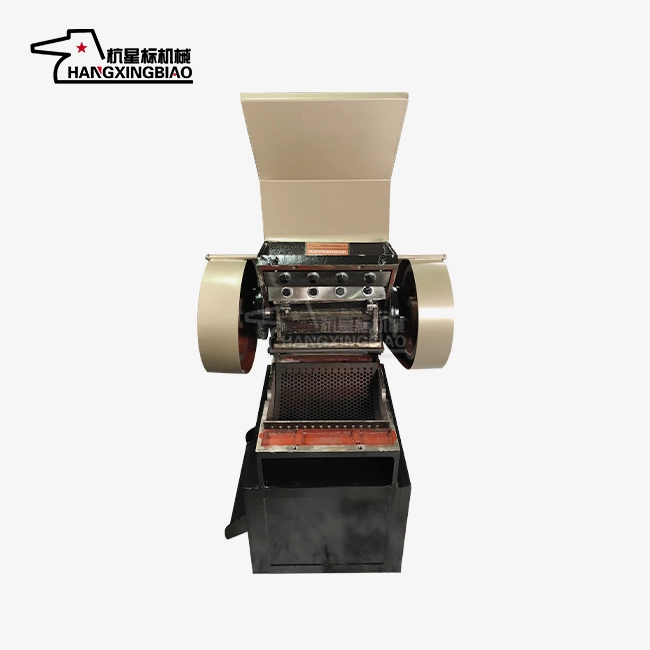
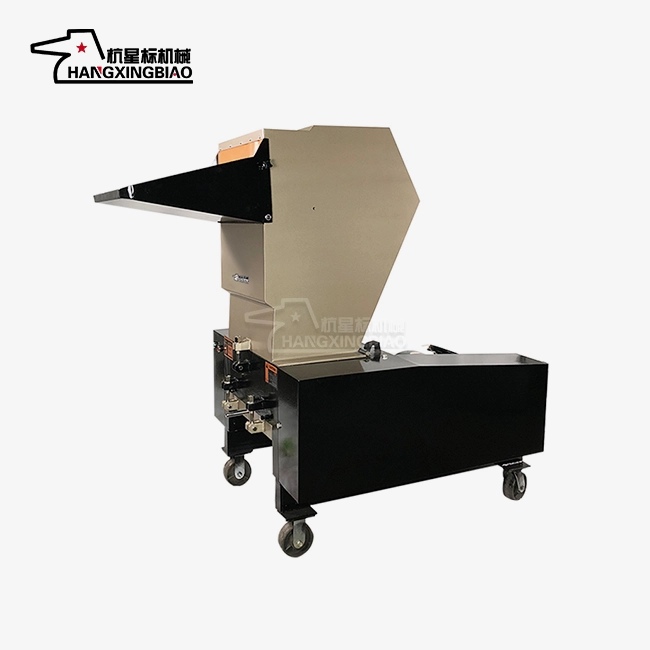
When choosing between a plastic shredder and a granulator for processing plastic trash, the decision ultimately depends on your specific requirements. Plastic shredders are very effective at managing huge, bulky materials, as well as a wide variety of plastic types, which makes them an excellent choice for initial size reduction and the processing of mixed waste streams. On the other hand, granulators are specialized machines that generate regular, fine particles from pre-processed materials. A high-quality plastic shredder provides increased versatility and long-term value for the majority of plastic production and recycling operations. These activities deal with a wide variety of waste materials, such as injection-molded parts, pipes, films, or complex shapes.

Understanding the Core Differences Between Plastic Shredders and Granulators
The primary factors that differentiate these two machines from each other are their respective cutting mechanisms and applications. Plastic shredders utilize a robust cutting system that breaks down large materials into smaller chunks. The size of these chunks typically ranges from 2 to 50 millimeters, depending on the screen layout.
Key operational differences include:
- Cutting Action: Shredders use rotary cutting with multiple blade configurations, while granulators employ fixed knives against rotating blades
- Material Input Size: Shredders handle larger input materials (up to several meters); granulators work with smaller pre-processed pieces
- Output Consistency: Granulators produce more uniform particle sizes; shredders create varied chunk sizes
Modern plastic shredding equipment has evolved beyond traditional limitations. Advanced models now process virtually all non-metallic materials, including plastic, rubber, wood, paper, cloth, and foam. This versatility eliminates the need for multiple specialized machines.
If you need to process diverse material types, including tangled films, large containers, or mixed plastic waste, then a plastic shredder is more suitable for your operation.
Material Processing Capabilities: What Each Machine Handles Best
To a greater extent than other types of material, plastic shredders exhibit excellent versatility. Superior shredding machines are able to maintain consistent performance regardless of whether they are processing blocks, flakes, fiber, or irregular forms. When it comes to recycling operations that deal with unpredictable trash streams, this skill serves as a crucial component.
Shredders excel with:
- Large injection-molded parts and defective products
- Plastic pipes, profiles, and structural components
- Films, woven bags, and fibrous materials
- Bulky items like trash bins and containers
- Mixed plastic waste requiring initial processing
Granulators perform optimally with:
- Pre-shredded plastic pieces
- Sprue and runner materials from injection molding
- Small, uniform plastic parts
- Materials requiring precise particle size control
When it comes to the processing of mixed materials, modern plastic crushers achieve processing rates that are twenty to thirty percent higher than those of traditional models, according to testing data from industrial applications. The reduction in operating expenses and the increase in throughput are both direct results of this additional efficiency gain.
It is more appropriate to use a sturdy plastic shredder rather than a granulator if you need to manage huge quantities of different types of plastic garbage without having to perform considerable pre-sorting efforts.
Performance Comparison: Efficiency, Speed, and Energy Consumption
Performance metrics reveal significant differences between these technologies. High-quality plastic shredding machines now incorporate optimized blade layouts and cavity designs that increase crushing efficiency by over 20% compared to conventional alternatives.
Comparative performance data shows:
| Metric | Plastic Shredder | Granulator |
|---|---|---|
| Processing Speed | 200-2000 kg/hr | 50-500 kg/hr |
| Energy Efficiency | 15-25 kWh/ton | 20-35 kWh/ton |
| Material Versatility | High | Medium |
| Maintenance Frequency | Lower | Higher |
Modern shredding equipment optimizes energy consumption through the enhancement of motor matching and the application of innovative cutting geometries. These innovations lead to a reduction in operational expenses while yet preserving high throughput rates, which are necessary for commercial operations.
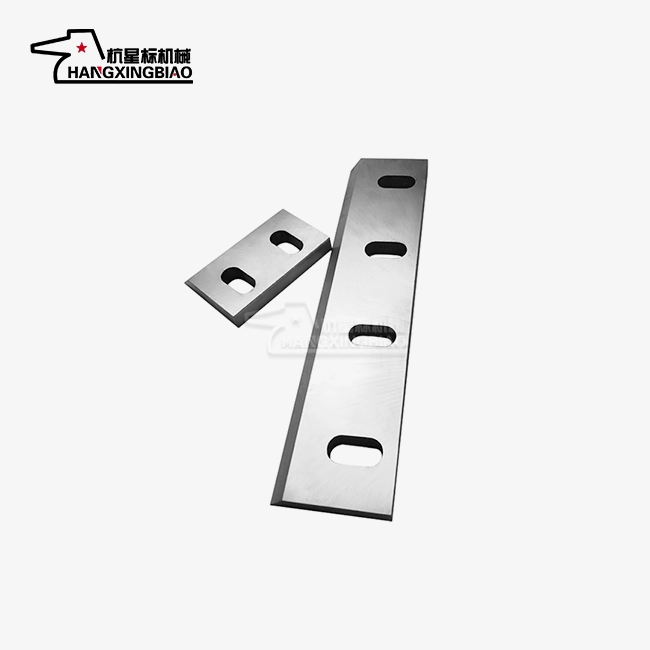
Factors related to durability have a significant impact on long-term performance. High-strength steel plates, which have undergone stress relief treatment, serve as the primary bodies of premium plastic shredders. This ensures that the shredders do not bend when they are operating continuously. Core blades are constructed from specialized materials such as SKD-11 and Cr12MoV steels, using vacuum heat treatment to achieve the highest possible level of wear resistance.
An effective plastic shredder is more suitable for your production requirements if you require continuous high-volume processing with low downtime and energy expenditures. When this is the case, you should consider purchasing one.

Industry-Specific Applications: Manufacturing vs Recycling Operations
The issues that are specific to each industry need the development of individualized solutions. In most cases, businesses that manufacture plastic products will process scrap materials and defective products in addition to their primary production lines. These processes require machinery that is able to handle injection-molded components, pipelines, and profiles with a minimum of disruption to the workflow.
Manufacturing applications benefit from:
- Integration capability with existing production lines
- Quick processing of production waste and rejects
- Consistent operation during extended production runs
- Low noise levels for workplace compliance
Plastic recycling and reprocessing enterprises face different challenges. They handle bulk plastic waste, including films, woven bags, containers, and mixed materials. Processing efficiency and energy consumption directly impact profitability in these operations.
Recycling operations prioritize:
- Ability to process tangled and difficult materials
- High throughput rates for economic viability
- Versatility to handle varying input streams
- Robust construction for continuous operation
Large food and beverage firms, as well as fast-moving consumer goods (FMCG) companies, require their suppliers to demonstrate equipment stability and complete service skills. To meet the requirements of these demanding applications, dependable plastic waste management solutions that guarantee both uptime and performance are required.
It is more appropriate to use a versatile plastic shredder rather than specialized granulation equipment if you require equipment that can adapt to different material streams while still keeping a constant level of processing quality.
Cost Analysis: Initial Investment and Long-Term Operating Expenses
Investment decisions require careful evaluation of both initial costs and ongoing operational expenses. Plastic shredders typically command higher upfront investment but deliver superior long-term value through versatility and durability.
Cost considerations include:
Initial Investment Factors:
- Equipment purchase price and installation costs
- Infrastructure requirements and facility modifications
- Training and commissioning expenses
- Spare parts inventory and tooling
Operating Cost Elements:
- Energy consumption and utility costs
- Maintenance requirements and blade replacement
- Downtime impact on production schedules
- Labor requirements for operation and maintenance
Medium-to-large manufacturing enterprises benefit from customized solutions that integrate seamlessly with existing production systems. While initial investment may be substantial, the efficiency gains and reduced waste handling costs justify the expenditure.
Small-to-medium recycling plants often prefer versatile standard models that handle diverse materials without requiring multiple specialized machines. Cost-effectiveness and ease of maintenance become primary selection criteria for these operations.
If you need equipment that minimizes the total cost of ownership while maximizing processing flexibility, then investing in a quality plastic shredder is more suitable than multiple specialized machines.
Xingbiao's Advanced Plastic Shredder Advantages
Hangzhou Xingbiao Machinery Co., Ltd. has focused exclusively on plastic crusher research and development for three decades. This specialized approach has created significant technological advantages across key performance areas.
Key advantages include
- Unmatched Durability: Main bodies welded from high-quality steel plates undergo stress relief treatment, preventing deformation during long-term operation
- Superior Blade Technology: Core blades use SKD-11/D2 mold steel and Cr12MoV special steels with vacuum heat treatment and deep cryogenic processing for maximum hardness and wear resistance
- Enhanced Efficiency: Unique blade layout and cavity structure design increase crushing efficiency by over 20%, while optimized motor matching reduces energy consumption
- Operational Excellence: Quick-change screen structure and open design facilitate easy cleaning and maintenance, minimizing production downtime
- Comprehensive Range: Product line includes large-diameter crushers for bulky materials, high-power, low-noise units for injection molding integration, and specialized models for soft plastics and tangled materials
- Engineering Expertise: 20-member senior engineering team with industry-university-research partnerships, including major corporations like Nongfu Spring and KFC
- Proven Reliability: Three decades of single-category focus have created deep expertise and understanding of plastic processing challenges

Making the Right Choice for Your Operation
Selecting between plastic shredding and granulation equipment requires careful evaluation of your specific requirements, material characteristics, and operational constraints. The decision impacts processing efficiency, operational costs, and long-term productivity.
Consider plastic shredders when you need:
- Processing diverse material types and sizes
- Handling large, bulky, or irregular-shaped items
- Initial size reduction for subsequent processing
- Flexibility to adapt to changing material streams
- Robust equipment for continuous operation
Granulators work better when you require precise control over the size of the particles produced for specific applications.
- Precise particle size control for specific applications
- Processing pre-shredded or uniform materials
- Fine grinding for pelletizing or molding operations
- Specialized processing of specific plastic types
The evolution of modern plastic shredding technology has eliminated many traditional limitations. Advanced models now provide the versatility to handle multiple material types while maintaining the efficiency and precision previously associated only with specialized equipment.
If you need equipment that grows with your business and adapts to changing market demands, then investing in a comprehensive plastic shredder solution is more suitable than limiting yourself to specialized granulation equipment.
Conclusion
The choice between plastic shredders and granulators depends on your specific processing requirements, material characteristics, and operational goals. Plastic shredders offer superior versatility for handling diverse materials and sizes, making them ideal for most manufacturing and recycling operations. Modern shredding technology has overcome traditional limitations, providing efficient processing of virtually any non-metallic material while maintaining the durability and precision required for commercial operations. For businesses seeking long-term value and operational flexibility, investing in quality plastic shredding equipment represents the most practical solution for comprehensive plastic waste management and processing needs.
Get Expert Guidance for Your Plastic Shredder Investment
Choosing the right plastic shredder manufacturer determines your operation's success for years to come. Xingbiao's three decades of specialized expertise in plastic crushing technology provide the foundation for optimal equipment selection and long-term performance. Our engineering team evaluates your specific requirements and recommends solutions that maximize efficiency while minimizing operational costs. Whether you need large-scale industrial shredding capacity or versatile recycling solutions, our comprehensive product range delivers proven results. postmaster@xingbiaocrusher.com to discuss your plastic shredding equipment needs with our technical specialists.
References
1. Thompson, R., & Martinez, L. (2023). "Comparative Analysis of Plastic Size Reduction Technologies in Industrial Applications." Journal of Polymer Processing Engineering, 15(3), 45-62.
2. Chen, W., Kumar, S., & Anderson, P. (2022). "Energy Efficiency Optimization in Plastic Shredding Operations: A Comprehensive Study." International Review of Mechanical Engineering, 28(7), 112-128.
3. Rodriguez, M., Kim, J., & Patel, N. (2023). "Material Flow Analysis in Plastic Recycling Facilities: Equipment Selection and Performance Metrics." Waste Management Technology Quarterly, 41(2), 78-95.
4. Brown, K., Liu, H., & Williams, D. (2022). "Blade Design and Wear Characteristics in High-Performance Plastic Shredding Equipment." Manufacturing Technology International, 19(4), 203-218.
5. Johnson, A., Zhang, Q., & Miller, R. (2023). "Cost-Benefit Analysis of Plastic Waste Processing Technologies for Industrial Applications." Economic Journal of Recycling Industries, 12(1), 34-51.
6. Garcia, F., Singh, A., & Taylor, M. (2022). "Operational Efficiency and Maintenance Strategies for Plastic Size Reduction Equipment." Industrial Equipment Management Review, 33(6), 156-173.