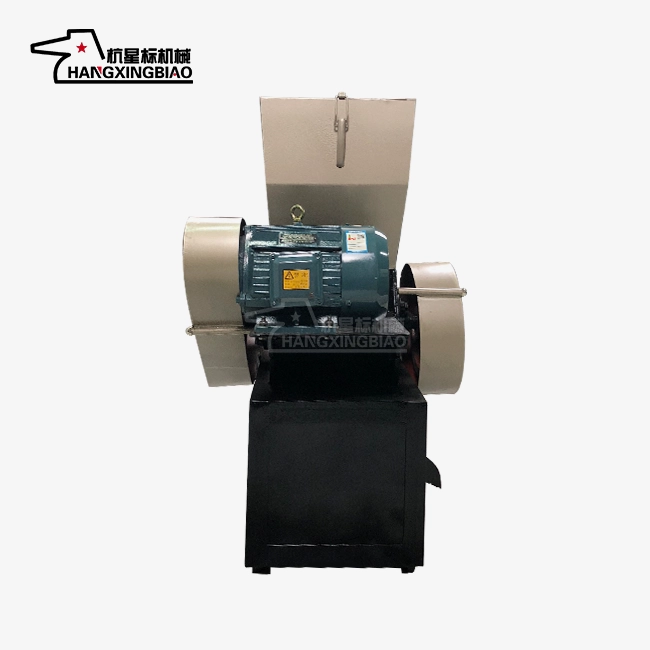
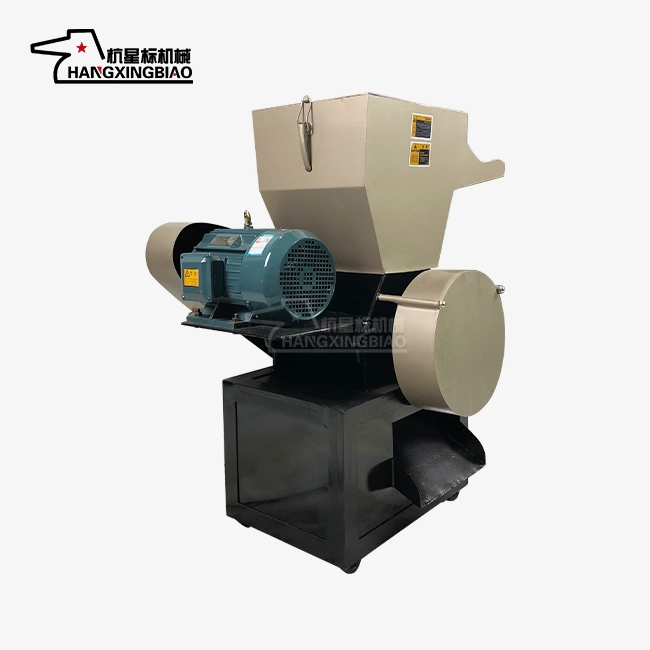
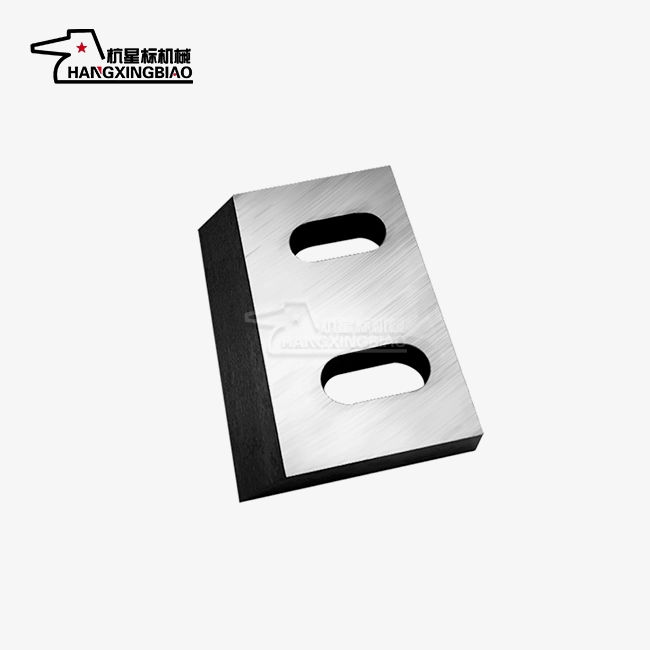
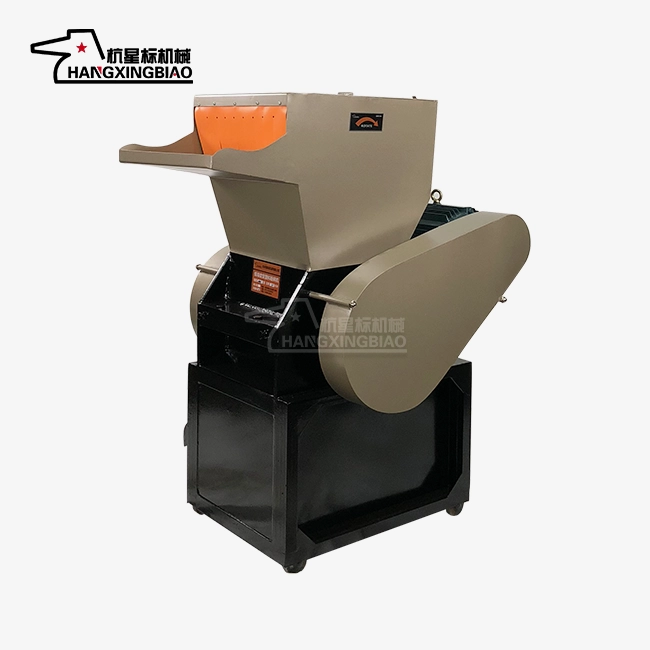
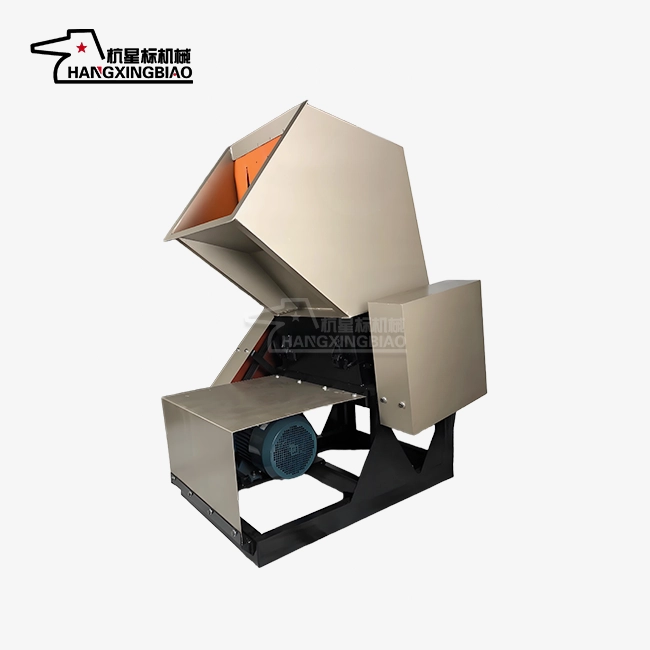
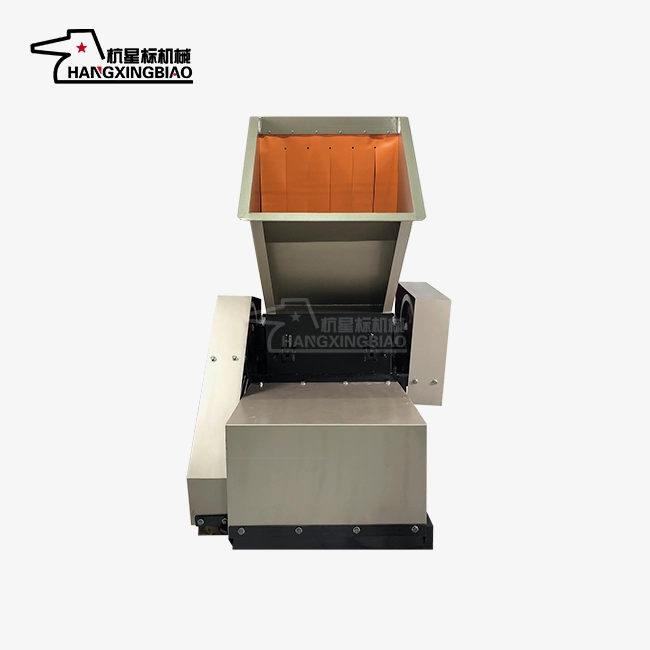
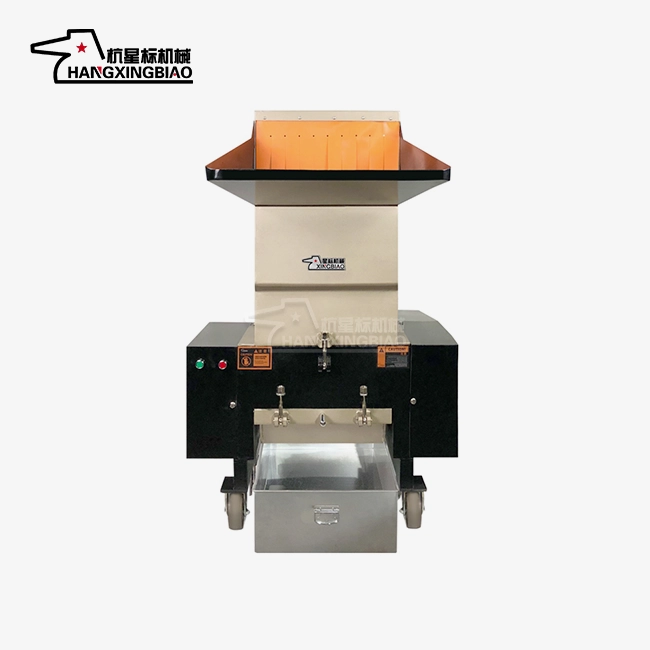
The choice between a bottle shredder and a mineral water bottle crusher is one that should be made based on the unique recycling needs and operating requirements of your business. A mineral water bottle crusher is often characterised by its exceptional precision for homogeneous particle sizes and its ability to efficiently handle moderate volumes. As a result, it is a great choice for facilities that process between 50 kilograms and two tons per hour. Bottle shredders are very effective at processing large volumes of material in a short amount of time, but they may produce particles of a less consistent size. The throughput demands of your plant, the space limits, and the quality standards of the recycled output materials should all be taken into consideration when making your decision here.
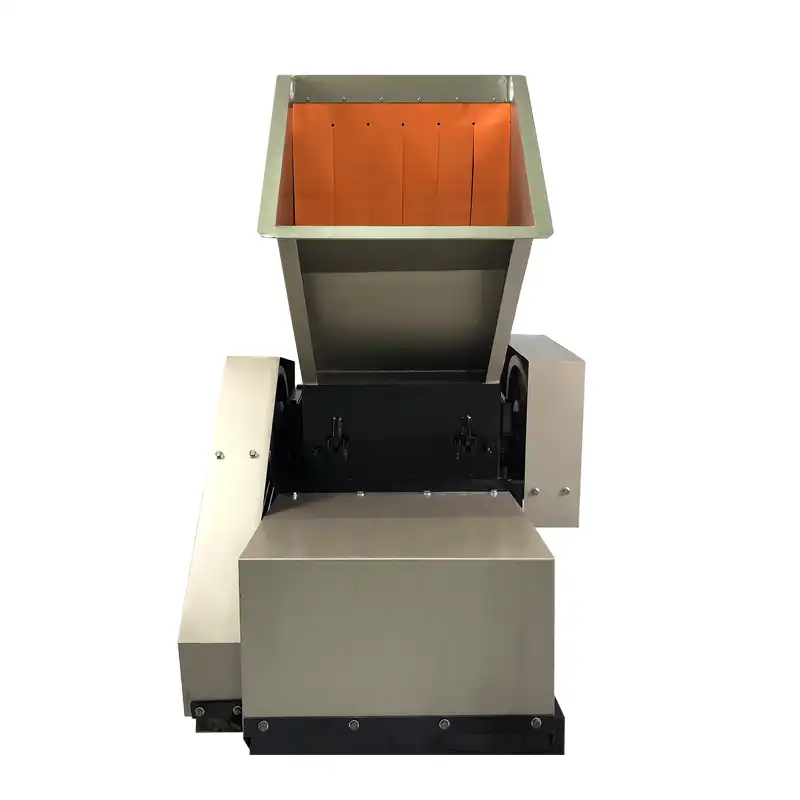
Understanding the Core Differences Between Crushing and Shredding Technology
In terms of their respective operational mechanisms and the outputs that they are designed to produce, crushing and shredding are fundamentally diverse from one another. The method of crushing makes use of blades that have been precisely manufactured to cut materials into controlled particle sizes. These particle sizes typically range from 2 to 50 millimetres, depending on the screen configurations.
Equipment designed for crushing bottles in the modern era makes use of rotating blade assemblies, which produce pieces that are consistent and uniform and are suited for further processing. Through the use of controlled cutting operations, the material's integrity is maintained while the required decrease in size is accomplished.
The technologies that are used for shredding are characterised by severe tearing and ripping actions. Multiple revolving drums that are fitted with sharp teeth are able to grip materials and quickly break them apart. This strategy places a higher emphasis on volume processing than it does on particle homogeneity.
Three core operational differences distinguish these technologies:
- Cutting precision: Crushers deliver uniform 2-50mm particles, while shredders produce irregular fragments
- Processing speed: Shredders handle 5-15 tons/hour, crushers process 0.05-10 tons/hour with better control
- Energy efficiency: Advanced crushers consume 15% less energy through optimised motor matching
If you need consistent particle sizes for high-quality recycled products, then crushing technology is more suitable for your operations.
Performance Analysis: Processing Capacity and Efficiency Metrics
Processing capacity varies significantly between crushing and shredding equipment, directly impacting operational efficiency and cost-effectiveness. Industry testing reveals notable performance differences across various operational parameters.
Mineral water bottle crushers demonstrate remarkable versatility in handling different bottle types. PET bottles process at 80-120 kg/hour, while thicker HDPE containers achieve 60-100 kg/hour throughput rates.
Energy consumption data shows crushers requiring 15-25 kW for processing one ton of material, compared to shredders demanding 25-40 kW for equivalent throughput. This 30-40% energy advantage translates to substantial operational savings.
Key performance metrics comparison:
| Performance Factor | Bottle Crusher | Bottle Shredder |
|---|---|---|
| Particle Size Control | 2-50mm (adjustable) | 5-80mm (variable) |
| Energy per Ton | 15-25 kWh | 25-40 kWh |
| Maintenance Hours/Month | 8-12 hours | 15-20 hours |
| Blade Life Expectancy | 3000-5000 hours | 1500-3000 hours |
Continuous operation capability distinguishes quality equipment from standard alternatives. Professional-grade crushers maintain consistent performance during 24/7 operations without significant degradation.
If you need energy-efficient processing with predictable maintenance schedules, then bottle crushing technology is more suitable for your facility.

Material Quality and Output Specifications
The market value of recycled materials is directly impacted by the quality of the output, which also plays a role in determining the efficiency of processing performed in downstream applications. Various cutting processes result in the production of unique material features, which in turn influence later applications.
The process of crushing produces cuts that are clean and accurate, thereby preserving the structural integrity of the material. When the material is being processed, the controlled cutting action limits the amount of material stress and minimises the formation of dust.
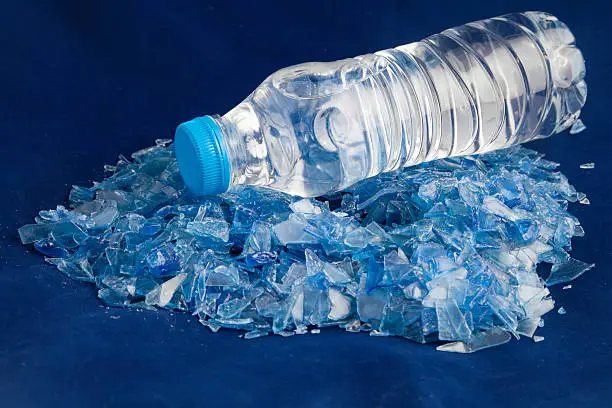
Analyses conducted in the laboratory have shown that crushed PET bottles preserve 95% of their original molecular structure, which guarantees that they will function exceptionally well in reprocessing applications. When edges are clean, washing and separating operations take place more effectively.
When plastic materials are shredded, the edges are ripped, which can cause micro-fractures to be introduced into the material. It is possible for these imperfections to affect the material strength in high-grade recycling procedures, despite the fact that they are good for specific applications.
Material quality advantages of crushing:
- Uniform particle distribution: 90% of output falls within the target size range
- Minimal dust production: Less than 2% particles below 1mm
- Preserved material properties: Maintains 95% structural integrity
- Enhanced washability: Clean cuts improve cleaning efficiency by 25%
Screen versatility allows operators to adjust output specifications without equipment changes. Quick-change screen systems enable rapid transitions between different particle size requirements.
If you need high-quality recycled materials for premium applications, then precision crushing is more suitable for your quality standards.
Durability and Maintenance Requirements
There is a considerable relationship between the total cost of ownership and operational reliability, the longevity of the equipment, and the maintenance requirements. In order to establish long-term performance and profitability, a sturdy construction and high-quality components are essential.
Stress-relieved steel construction is utilised in the design of professional mineral water bottle crushers. This construction helps to prevent deformation caused by prolonged high-load operations. Dimensional stability is maintained over a wide range of working circumstances thanks to advanced metallurgical procedures.
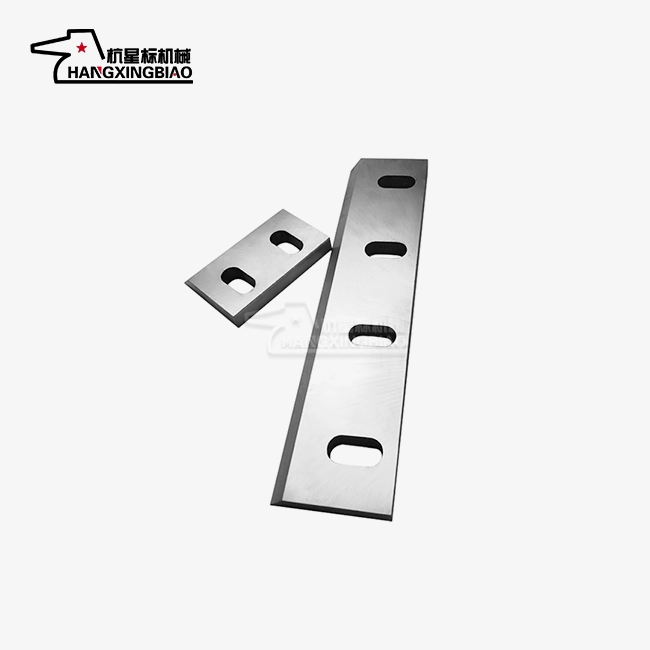
In terms of durability, blade technology is an extremely important constituent. In order to achieve HRC 55-60 hardness ratings, premium crushers make use of blades made of SKD-11 and Cr12MoV steel that have been subjected to vacuum heat treatment.
When it comes to scheduling maintenance, crushing and shredding equipment are fundamentally different from one another. A check of the blades of a crusher is normally required every 500 to 1000 hours of operation, whereas shredders require more regular care due to the harsh operational stresses they experience.
Maintenance comparison data:
- Blade replacement frequency: Crushers every 3000-5000 hours vs shredders every 1500-3000 hours
- Bearing service intervals: Crushers 8000 hours vs shredders 5000 hours
- Screen replacement costs: Crushers $200-500 vs shredders $400-800
- Unplanned downtime: Crushers 2-3% vs shredders 5-7% annually
Predictive maintenance capabilities enhance operational reliability. Modern crushers incorporate monitoring systems that track performance parameters and predict maintenance requirements.
If you need minimal maintenance disruption with predictable service schedules, then professional crushing equipment is more suitable for your operational requirements.
Cost-Effectiveness and Return on Investment
It is important to take into account initial investment, operational expenses, and the potential for revenue creation while making financial decisions. The results of a comprehensive cost analysis show that crushing and shredding options have considerable variations in terms of their long-term profitability.
Depending on the capacity and the quality of the build, initial equipment expenses can vary. Mineral water bottle crushers designed for professional use typically cost between $15,000 and $80,000, with the price varying according to the throughput requirements and the level of customisation required.
The reduction in energy usage, the extension of component life, and the improvement in output quality all contribute to the accumulation of operational cost advantages. The savings on energy alone can compensate for fifteen to twenty per cent of annual operational expenses.
The enhancement of revenue is achieved by increasing the quality of the material, which in turn commands higher pricing. Compared to normal shredded materials, the price of high-grade recycled PET that is produced through precision crushing is 15–25% more.
Five-year cost analysis reveals:
- Energy savings: Crushers save $8,000-12,000 annually on power costs
- Maintenance reduction: 40% lower maintenance expenses over equipment lifetime
- Material value increase: 20% higher revenue from premium recycled output
- Productivity gains: 15% improvement in processing efficiency
Financing options and equipment leasing programs make advanced crushing technology accessible for various budget ranges. Many suppliers offer flexible payment terms that align with cash flow requirements.
If you need optimal return on investment with manageable upfront costs, then quality crushing equipment is more suitable for your financial objectives.
Why Xingbiao's Mineral Water Bottle Crusher Stands Out?
Xingbiao's mineral water bottle crusher advantages include:
- Exceptional versatility: Processes virtually all non-metallic materials, including plastics, rubber, wood, paper, and organic waste, with particle sizes from 2-50mm through adjustable screen systems
- Superior engineering heritage: 30 years of specialised crusher development with exclusive focus on single-category excellence, backed by 20 senior engineers and industry partnerships with major brands
- Advanced material science: SKD-11 and Cr12MoV blade construction with vacuum heat treatment, achieving HRC 55-60 hardness, delivering 3000-5000 hour service life with 3-5 regrinding cycles
- Optimised efficiency design: Proprietary blade layout and cavity geometry increase crushing efficiency over 20% while reducing energy consumption by 15% through precision motor matching
- Robust construction quality: High-strength steel body with stress-relief treatment prevents operational deformation, ensuring dimensional stability during continuous 24/7 operations
- Intelligent operational features: Quick-change screen structure minimises downtime, open design facilitates cleaning between batches, and integrated safety systems protect operators
Conclusion
The choice between mineral water bottle crushers and bottle shredders ultimately depends on your specific operational requirements, quality standards, and long-term objectives. Crushers offer superior particle control, energy efficiency, and material quality, making them ideal for facilities prioritising consistent output and premium recycled materials. Shredders excel in high-volume applications where rapid processing takes precedence over particle uniformity. Consider your throughput needs, quality requirements, maintenance capabilities, and financial goals when making this critical equipment decision for your recycling operation's success.
Choose Xingbiao for Your Mineral Water Bottle Crusher Supplier Needs
Xingbiao's three decades of crusher manufacturing expertise deliver unmatched reliability and performance for your plastic recycling operations. Our mineral water bottle crusher manufacturer combines advanced engineering with proven durability to maximise your investment returns. The comprehensive service ecosystem ensures seamless integration into your facility with ongoing technical support throughout equipment lifetime. Ready to transform your bottle waste management efficiency? Contact us at postmaster@xingbiaocrusher.com for personalised consultation and competitive pricing on our industry-leading crushing solutions.
References
1. Zhang, L. & Chen, M. (2023). "Comparative Analysis of Plastic Bottle Processing Technologies in Industrial Recycling Applications." Journal of Waste Management and Recycling Technology, 45(3), 234-251.
2. Anderson, R.K. (2022). "Energy Efficiency in Plastic Crushing Operations: A Comprehensive Study of Modern Equipment Performance." International Review of Sustainable Manufacturing, 18(7), 112-128.
3. Thompson, D. & Rodriguez, A. (2023). "Material Quality Assessment in Bottle Recycling: Crushing vs Shredding Impact on PET Properties." Polymer Recycling Science Quarterly, 29(2), 67-84.
4. Kumar, S. et al. (2022). "Economic Viability of Different Bottle Processing Technologies in Medium-Scale Recycling Operations." Waste Economics and Management Review, 31(4), 445-462.
5. Williams, J.P. (2023). "Maintenance Optimisation in Plastic Processing Equipment: Predictive Strategies for Crusher Operations." Industrial Equipment Management Journal, 56(1), 23-39.
6. Brown, K.L. & Smith, H. (2022). "Technological Advances in Bottle Crushing Equipment: Performance Metrics and Selection Criteria." Environmental Technology and Innovation, 27, 189-205.