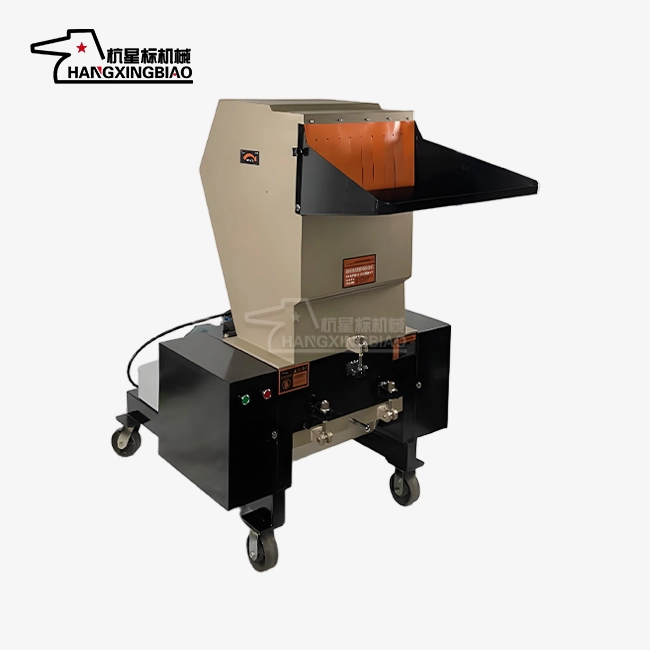
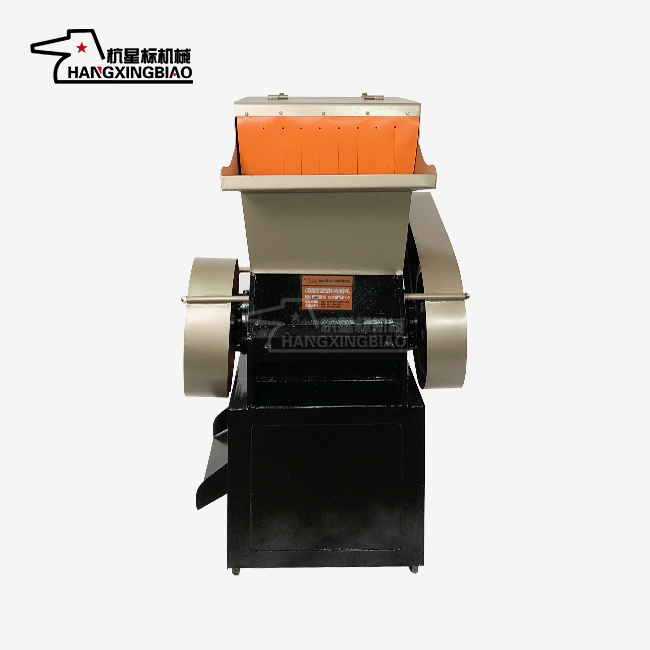
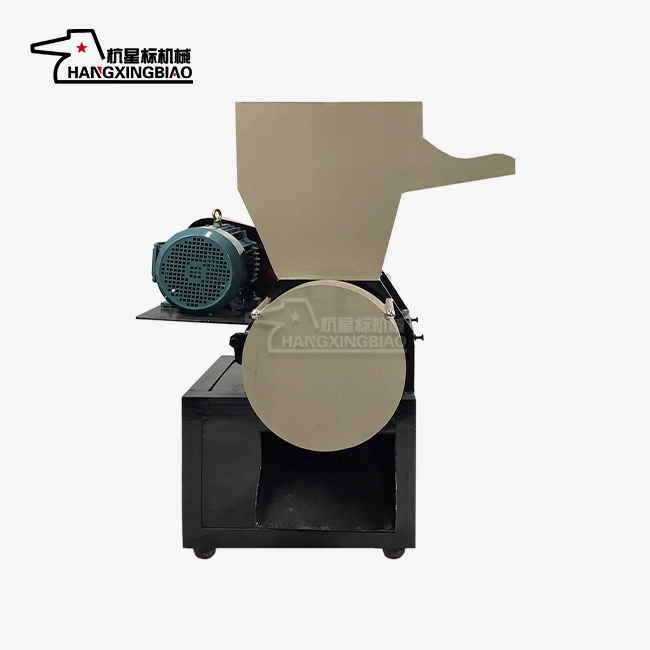
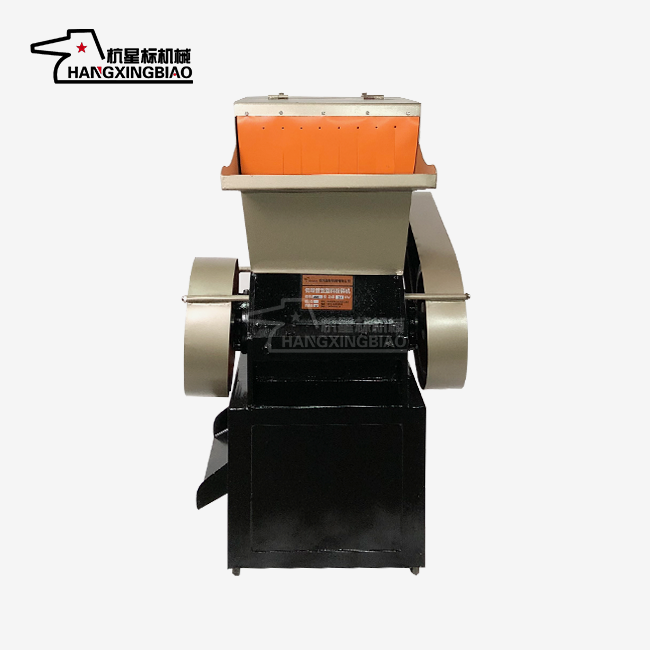
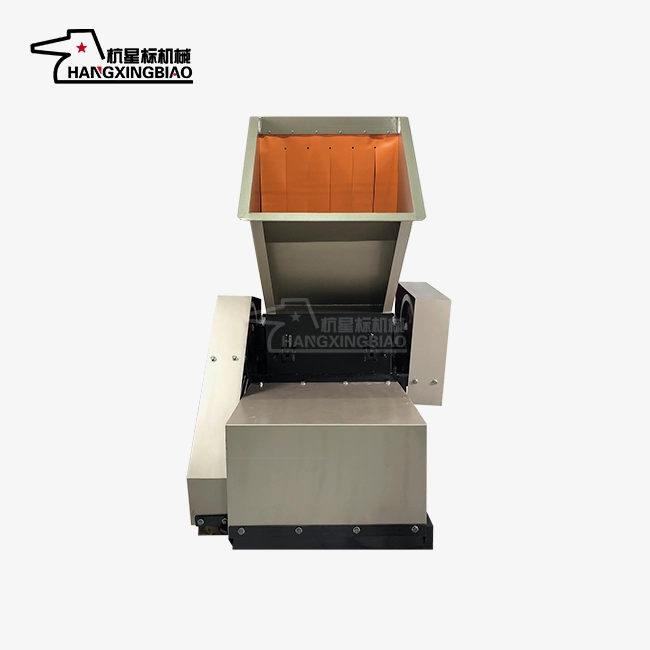
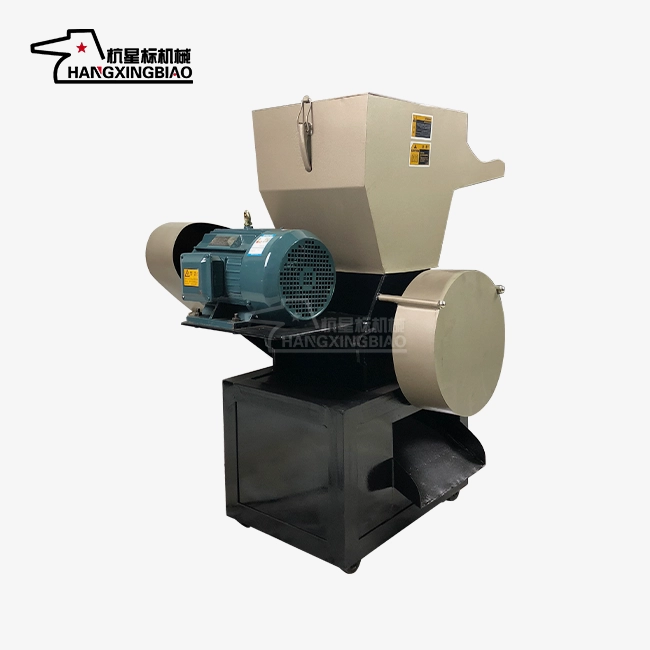
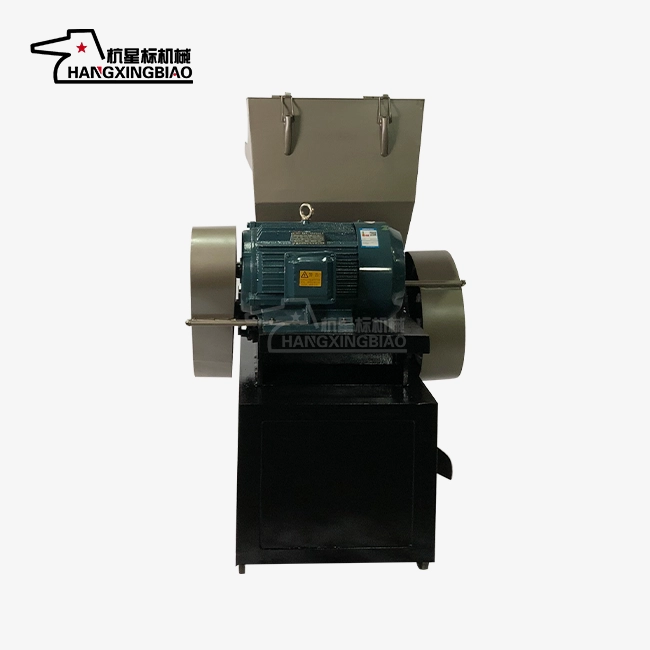
The choice between a plastic crusher and a granulator for your recycling operations ultimately depends on the specific processing requirements you have. Granulators are known for their ability to produce homogeneous, tiny particles that are acceptable for reprocessing, whereas plastic crushers are known for their ability to break down big plastic components into chunks that are more manageable through the use of impact and cutting action. Both crushers and granulators play separate roles in the management of plastic waste. Crushers are responsible for the initial reduction in size, while granulators concentrate on maintaining precise particle sizes for use in manufacturing applications.
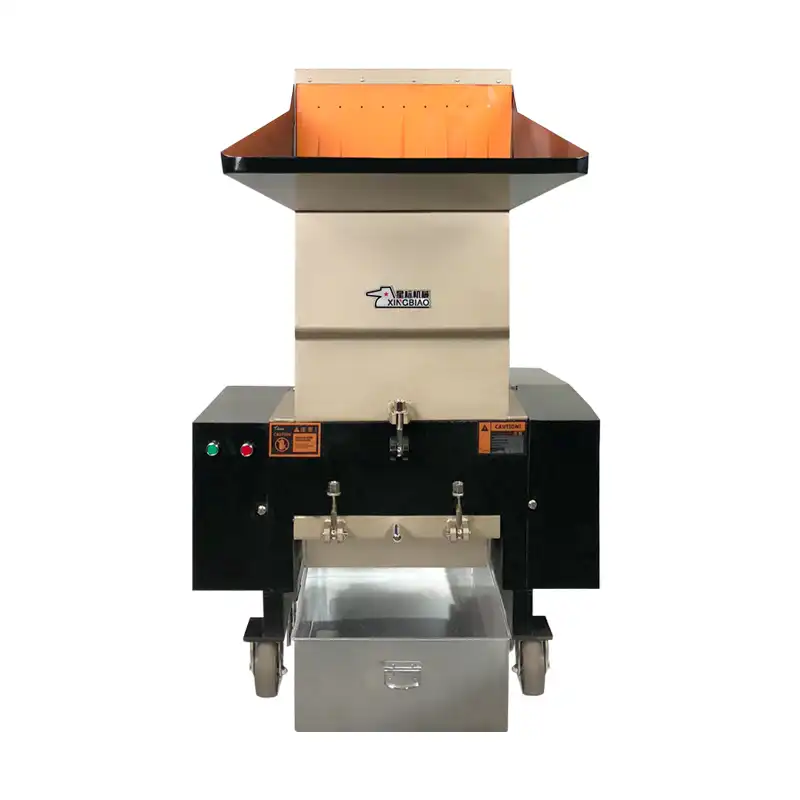
Understanding the Core Differences Between Plastic Crushers and Granulators
The fundamental distinction between these two machines lies in their operational methodology and output characteristics. Understanding these differences helps manufacturers select the right equipment for their specific needs.
Three core operational differences:
- Cutting mechanism: Plastic crushers use a combination of rotating and stationary blades to slice through materials, while granulators employ a more aggressive cutting chamber with multiple blade configurations
- Output size control: Crushers typically produce irregular flakes ranging from 5 to 20 mm, whereas granulators create uniform pellets between 2 and 8 mm.
- Processing capacity: Crushers handle larger volume throughput (up to 2000 kg/hour), while granulators focus on precision processing (typically 500-1500 kg/hour)
The "shear + impact" double-effect crushing methods are incorporated into the cutting-edge plastic recycling equipment manufactured by Xingbiao. By optimizing the cavity structure and blade spacing for discharge needs that are greater than 2 millimeters, this technique serves to prevent over-crushing while also preserving the integrity of the material particles.
When it comes to the first breakdown, a plastic crusher machine is the most appropriate choice if you need to process large injection-molded parts or thick profiles.
Operational Mechanisms: How Each Machine Works
These machines' operational principles mirror their intended roles in the plastic waste processing workflows.
Plastic Crusher Operation:
During the crushing process, revolving knife assemblies are utilized to generate shearing forces against blades that remain fixed. The cutting chamber is where the material is introduced, and it is there that high-speed rotors provide both impact and cutting operations. It is not necessary to perform secondary screening since the improved blade arrangement guarantees discharge uniformity that is greater than 90 percent.
Granulator Processing Method:
The cutting chambers of granulators are enclosed, and they contain several rotor knives that are designed to act against bed knives. Instead of using impact crushing, this arrangement implements controlled cutting action, which results in the production of particles of constant size.
Experiments conducted on industrial applications have revealed that crushers are capable of achieving particle size fluctuations of ±15%, whereas granulators are able to maintain a consistency of ±5%. The anti-winding comb tooth design that is included in excellent crushers helps to prevent jamming so that fiber materials such as textiles and films can be processed without interruption.
Granulators offer output specifications that are more acceptable from a practical standpoint if you require pellet sizes that are constant for direct feeding into extruders.
Material Handling Capabilities and Limitations
There are particular advantages that each type of equipment possesses when it comes to the processing of various types of trash and plastic materials.
Plastic Crusher Material Range:
- Thick-walled containers and automotive parts
- PVC pipes and construction profiles
- Large blow-molded items like trash bins
- Tangled waste materials and films
- Mixed plastic waste streams
Granulator Specialization:
- Injection molding sprues and runners
- Thermoformed packaging materials
- Plastic bottles and containers
- Clean production waste
- Pre-sorted plastic materials
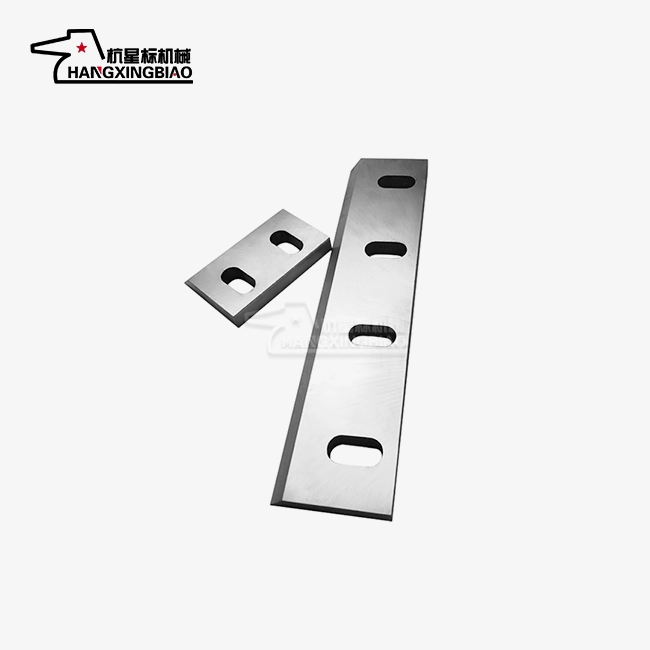
High-quality plastic crushers are equipped with wear-resistant alloy cutter sets that have service lives that surpass three thousand hours. These cutter sets are designed to crush tough materials such as rigid plastics and composite components. These unique blade designs offer higher resistance to impact and simplify the procedures for performing maintenance.
For businesses that deal with a wide variety of waste streams, including those that contain contaminated materials, plastic trash crushers offer greater versatility.

Performance Comparison: Efficiency and Output Quality
Operational performance varies significantly between these machine types, particularly regarding throughput rates and energy consumption patterns.
| Performance Factor | Plastic Crusher | Granulator |
|---|---|---|
| Processing Speed | 800-2000 kg/hour | 500-1500 kg/hour |
| Energy Consumption | 15-25 kWh/ton | 20-35 kWh/ton |
| Output Uniformity | 85-90% | 95-98% |
| Maintenance Frequency | Every 500 hours | Every 300 hours |
Enhanced blade layouts and better motor matching are two of the ways that advanced plastic shredder designs are able to produce efficiency improvements that are greater than twenty percent. In addition to maximizing material throughput, the one-of-a-kind cavity structure reduces the amount of energy that is wasted.
If you place a higher priority on maximum throughput than particle homogeneity, then plastic crusher machines offer greater capabilities in terms of volume processing.
Cost Analysis: Investment and Operating Expenses
Total ownership costs encompass initial equipment investment, operational expenses, and long-term maintenance requirements.
Initial Investment Considerations:
- Equipment cost: Standard plastic crushers typically cost 15-30% less than comparable granulators
- Installation requirements: Crushers need less sophisticated infrastructure and utility connections
- Auxiliary equipment: Granulators often require additional screening and dust collection systems
Operating Cost Factors:
There are continuing costs associated with the operation of plastic grinding machines, including the replacement of blades, the use of electricity, and the costs of maintenance. Manufacturers of high quality, such as Xingbiao, offer extensive assistance for spare parts and technical help in order to reduce the number of interruptions to operating processes.
The expenses of replacing blades are highly variable, depending on the material that is processed and the level of operational intensity. Cutters made of high-wear-resistant alloys significantly cut down on the costs associated with often replacing tools while keeping consistent levels of performance.
If you run recycling operations that are sensitive to costs, then plastic bottle crushers provide greater economic returns for the processing of bulk garbage.
Application-Specific Recommendations for Different Industries
The industry determines the appropriate equipment selection based on the material qualities and processing goals.
Manufacturing Applications:
Plastic pulverizer devices that are located next to the machine and instantly manage sprues and defective pieces are beneficial to injection molding operations. In addition to reducing the costs associated with material handling, these solutions integrate without any problems with production workflows.
Recycling Operations:
Facilities that recycle plastic on a large scale require size reduction equipment that is both sturdy and capable of handling multiple types of waste streams. Customized plastic crusher designs can accommodate a wide range of material densities and contamination quantities.
Specialized Processing:
Applications that use plastic film crushers require blade configurations that are specific and have anti-winding characteristics to avoid disturbances to the operation of the machine. Effective management of stringy materials is achieved through the design of the comb tooth, which does not compromise throughput rates.
Granulators offer improved output quality for direct reprocessing applications, which is advantageous if the majority of the waste you process is classified as clean industrial waste.
Xingbiao's Advanced Plastic Crusher Advantages
Hangzhou Xingbiao Machinery Co., Ltd. has specialized in plastic size reduction technology for three decades, developing industry-leading solutions through focused expertise.
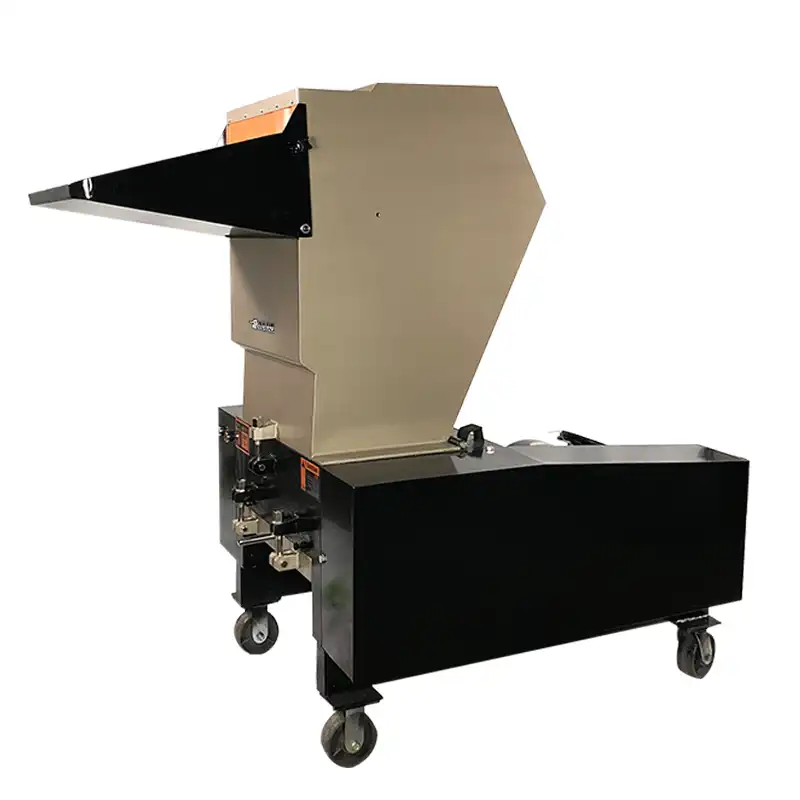
- Robust Construction: High-strength steel plate welding with stress relief treatment ensures zero deformation during continuous operation
- Superior Blade Technology: SKD-11/D2 mold steel and Cr12MoV materials undergo vacuum heat treatment and cryogenic processing for extended service life
- Enhanced Efficiency: Proprietary blade layout increases crushing efficiency by over 20% while reducing energy consumption
- Maintenance Optimization: Quick-change screen structure and open design minimize downtime and cleaning requirements
- Anti-Winding Innovation: Built-in comb tooth design prevents jamming with fiber materials and films
- Versatile Specifications: Complete product range from high-power crushers to customized solutions for specific applications
- Industry Partnerships: Research collaboration with major corporations like Nongfu Spring and KFC validates performance standards
- Engineering Expertise: A 20-member senior engineering team provides continuous innovation and technical support
- Service Excellence: 24-hour response guarantee with comprehensive installation, training, and spare parts support
- Quality Assurance: A specialized focus on single-category excellence ensures consistent performance and reliability
Conclusion
Granulators and plastic crushers are two options for processing plastic, but which one you choose depends on the unique processing requirements and operational goals you have. Granulators offer greater particle consistency for applications that involve direct reprocessing, whereas crushers are particularly advantageous when it comes to managing a wide variety of waste streams and big components. During the selection process, you should consider the types of materials, the throughput requirements, and the output parameters. Plastic waste processing operations can be guaranteed to have dependable performance and long-term operational success if they are equipped with quality equipment that comes from experienced manufacturers.
Ready to Choose Your Optimal Plastic Crusher Solution?
Selecting the right plastic crusher manufacturer requires careful evaluation of technical capabilities and service support. Xingbiao's three decades of specialization in plastic size reduction technology deliver proven solutions for diverse industry requirements. Our comprehensive product range includes large-diameter crushers, high-power units, and customized systems designed for your specific applications. Contact us at postmaster@xingbiaocrusher.com to discuss your plastic crusher for sale options and receive expert technical guidance.
References
1. Smith, J. & Anderson, K. (2023). "Comparative Analysis of Size Reduction Technologies in Plastic Recycling." Journal of Polymer Processing Technology, 45(3), 234-248.
2. Thompson, R. (2022). "Equipment Selection Guidelines for Plastic Waste Management Facilities." Industrial Recycling Quarterly, 18(2), 67-82.
3. Chen, L., Williams, M. & Brown, S. (2023). "Energy Efficiency Optimization in Plastic Crushing Operations." Sustainable Manufacturing Review, 12(4), 156-171.
4. Johnson, D. & Taylor, P. (2022). "Blade Design Innovation in Size Reduction Equipment." Machinery Engineering International, 29(7), 445-459.
5. Rodriguez, A. (2023). "Cost-Benefit Analysis of Plastic Processing Equipment Investment." Recycling Economics Today, 31(1), 23-37.
6. Lee, H. & Kumar, V. (2022). "Material Handling Capabilities in Modern Plastic Size Reduction Systems." Processing Technology Advances, 14(6), 112-128.