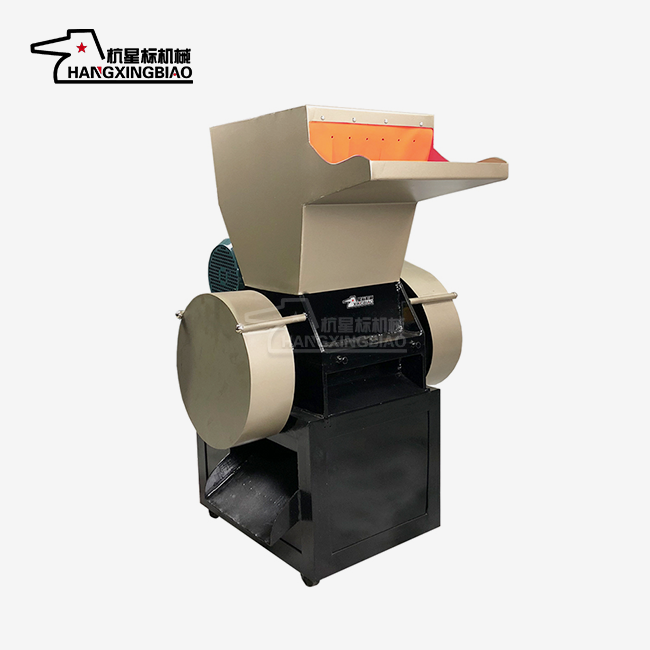
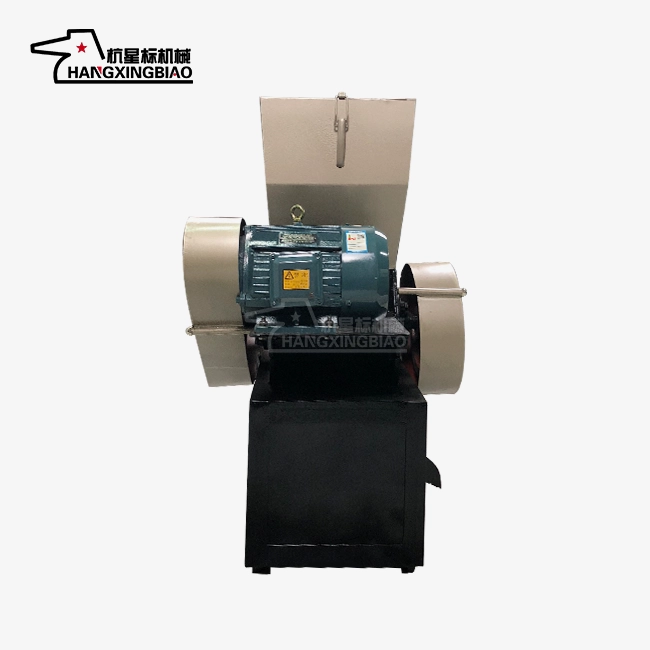
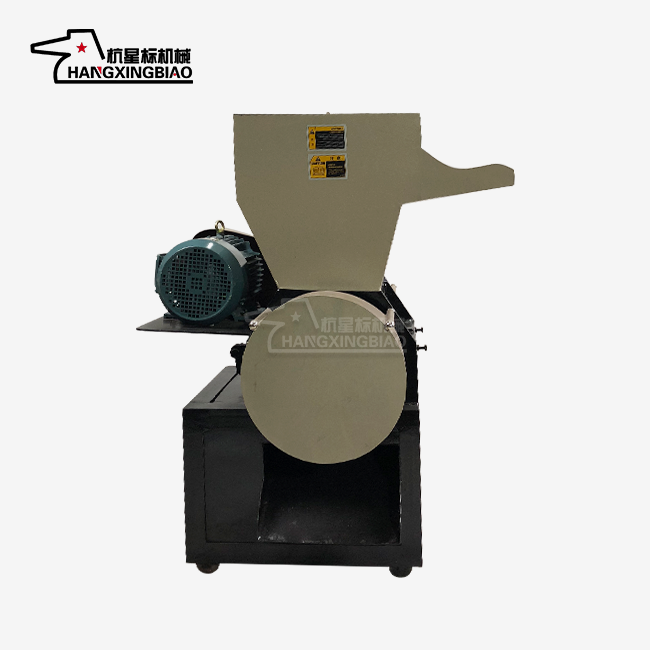
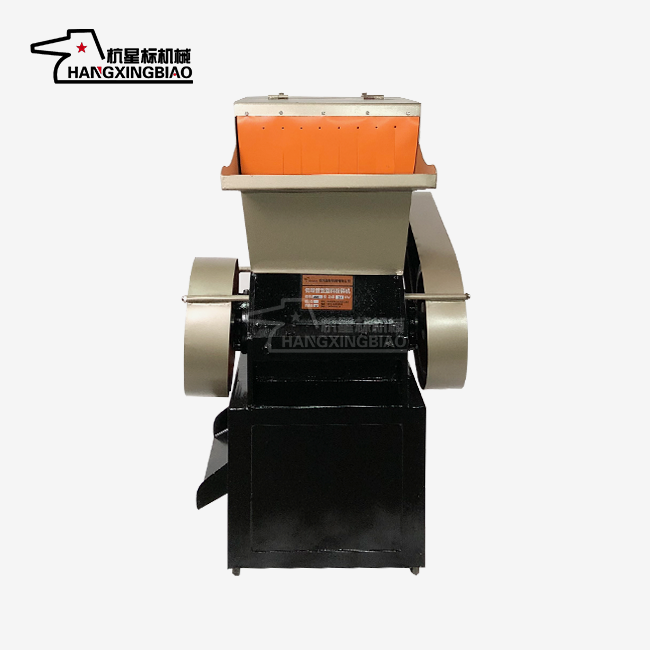
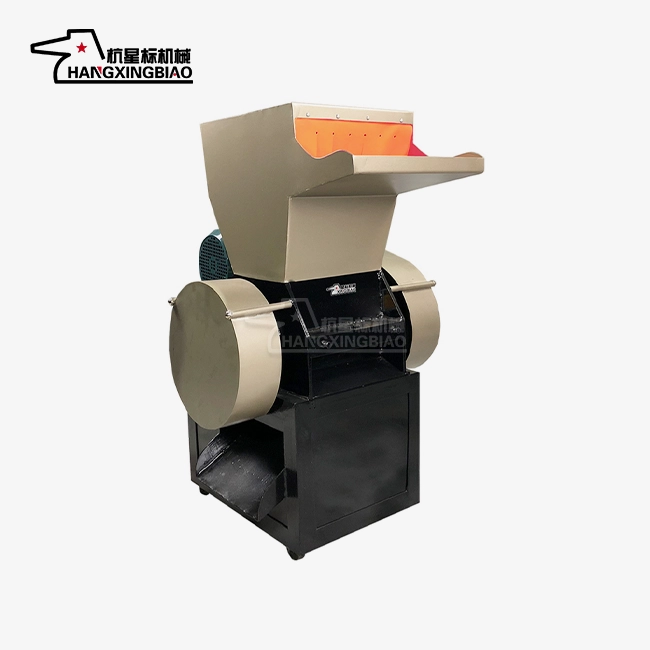
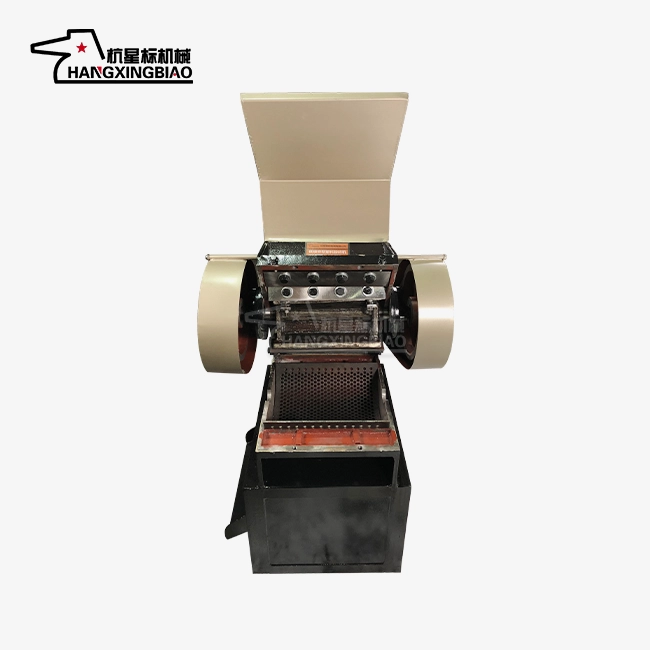
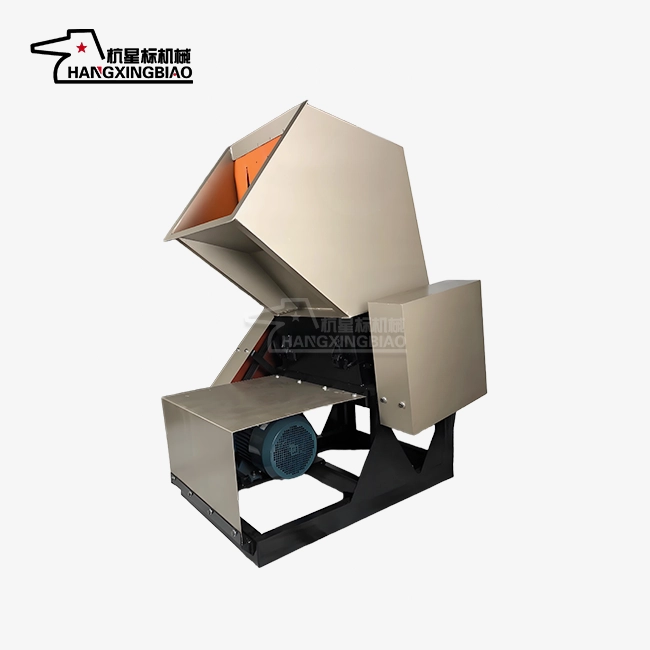
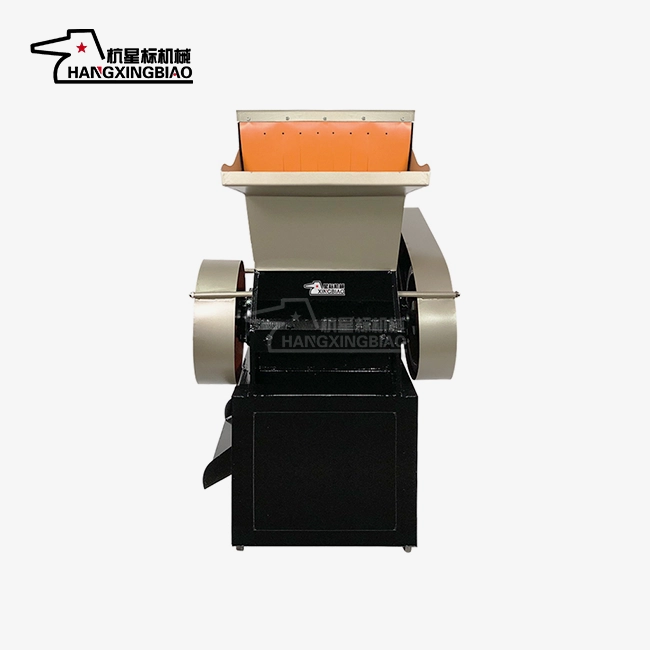
To ensure that your facility is equipped with industrial crushers, it is necessary to carefully plan and pay attention to the important variables that will ensure optimal performance. For plant managers, this detailed handbook leads them through the necessary installation processes, beginning with the preparation of the site and ending with the commissioning of the equipment. Installing the crusher correctly increases its efficiency, lengthens the lifespan of the equipment, and reduces the amount of time it is idle. Applying these proven installation standards ensures reliable operation from the start, whether you are installing aggregate crushing systems or plastic processing equipment. With the appropriate installation strategy, you can avoid costly operating issues and make certain that your crushing equipment achieves the productivity benefits that your manufacturing plant requires.
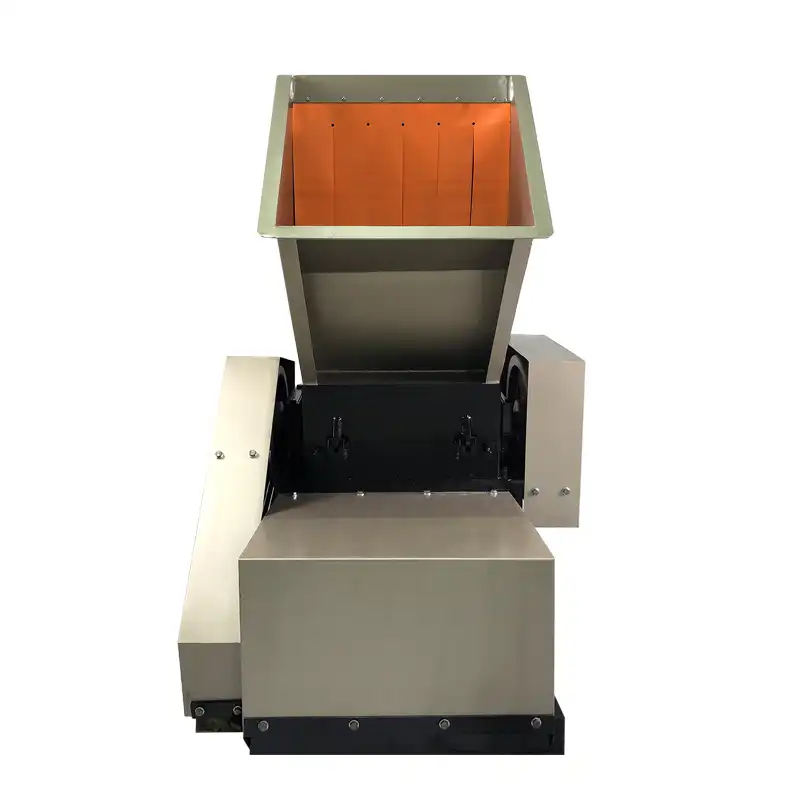
Pre-Installation Planning and Site Assessment
The first step toward a successful installation of a crusher is to conduct a comprehensive site survey and to plan strategically. You should determine whether or not your facility is structurally capable of supporting massive crushing equipment. It is necessary for the majority of industrial crushers to have foundations made of reinforced concrete that are able to withstand vibrations and dynamic loads. The depth of the foundation can usually be anywhere from 1.5 to 3 meters, depending on the size of the equipment and the condition of the soil.
It is necessary to give serious consideration to the electrical infrastructure. There is a common requirement for crushing machines to have three-phase electrical connections that have acceptable amperage ratings. Prepare a plan for the installation of control systems, emergency shutdown mechanisms, and electrical panels. Make certain that the electrical capacity of your facility is in accordance with the specifications of the equipment to avoid power-related performance concerns.
Workflow optimization influences the success of an installation. Position the crushing equipment to minimize material handling distance and optimize output flow. When choosing the ideal positioning of the crusher, be sure to consider the placement of the conveyor, storage spaces, and maintenance access. The right structure can cut down on operational expenses while also increasing overall productivity.
Foundation Requirements for Crusher Equipment
The operation of industrial crushers is built on a solid foundation that has been constructed with a strong base. For concrete foundations to adequately absorb operating vibrations, the weight of the equipment must be increased by two to three times. In applications that require heavy-duty construction, use concrete of a high grade with a compressive strength of at least 25 MPa (megapascals), which is a unit of pressure measuring the concrete's ability to withstand loads without failing.
Systems that isolate vibrations are incorporated into the design of the foundation. Rubber pads or spring mounts should be used to reduce vibration between the equipment and the foundation. In addition to protecting the adjacent structures, this strategy lowers the levels of noise, which is especially significant for establishments that are located close to residential areas or sensitive equipment.
An accurate alignment with the manufacturer's standards is required for the placement of anchor bolt fixtures. Incorrectly aligned anchors generate stress concentrations, which ultimately result in the premature breakdown of equipment. When it is difficult to achieve precise locations during concrete pouring operations, you should make use of adjustable anchor systems.
Electrical and Power System Setup
The installation of electrical systems requires a level of experience in industrial power systems. To meet the requirements of starting currents and operational loads, motor control centers need to be of the appropriate size. Variable frequency drives enhance energy efficiency and offer smooth startup characteristics for larger crushing systems.
Integration of safety systems protects both personnel and equipment. The crushing system should be outfitted with emergency stop buttons, safety interlocks, and overload protection systems throughout its entirety. Lockout and tagout capabilities guarantee that maintenance activities are carried out safely and in accordance with regulations.
Power quality factors have an impact on the performance of the equipment. The installation of voltage regulators and equipment for power factor correction is necessary to keep the electrical conditions stable. Your crushing operation will benefit from cleaner electricity because it will reduce motor temperature and improve the lifespan of components.
Mechanical Assembly and Alignment Procedures
Precision mechanical assembly guarantees the highest possible performance from the crusher. The first step is to carefully position the equipment while employing lifting equipment that has been calibrated. For the purpose of preventing damage to the installation, heavy machinery necessitates the utilization of specialist rigging techniques and certified lifting personnel.
When it comes to shaft alignment tolerances, professional attention is required. Any misalignment will result in increased bearing wear and will decrease the reliability of the machine. In order to achieve precise coupling and drive system installation, laser alignment equipment should be utilized. Proper alignment can increase bearing life by 300–500% when compared to improperly aligned installations.
Belt tensioning and pulley alignment are two factors that influence the efficiency of power transfer. It is important to keep the belt tensions at the manufacturer's specifications in order to maximize power transfer while avoiding premature belt failure. Regular tension monitoring can prevent energy losses, which can escalate operational expenses.
Safety Considerations During Installation
Comprehensive safety standards safeguard the operations of the facility as well as the installation processes. It is important to develop comprehensive safety protocols that cover lifting activities, electrical work, and entering places that are confined. All personnel are required to undergo safety training that is tailored to the activities involved in crusher installation.
When operating in proximity to towering crushing equipment, fall prevention measures become very necessary. When maintenance people need to have regular access to certain areas, permanent fall arrest anchors and safety railings should be installed. Installation phases may necessitate the use of temporary platforms.
Hazardous energy control can prevent accidents during installation and commissioning. It is important to implement energy isolation techniques for systems that are electrical, hydraulic, and pneumatic. Ensure that energy isolation is checked before personnel enter spaces containing equipment.
Testing and Commissioning Process
Systematic testing validates installation quality and equipment readiness. Begin with static inspections verifying bolt torques, alignment measurements, and safety system functionality. Document all test results for warranty compliance and maintenance planning.
No-load testing identifies installation issues before material processing begins. Monitor vibration levels, bearing temperatures, and electrical parameters during initial operation. Address any anomalies before proceeding to loaded operation tests.
Production testing demonstrates crusher performance under actual operating conditions. Start with light loads and gradually increase to rated capacity while monitoring all critical parameters. This phased approach prevents damage and ensures reliable operation.

Common Installation Mistakes to Avoid
Foundation shortcuts create long-term operational problems. Inadequate curing time or incorrect concrete grades compromise structural integrity. Allow a minimum 28-day curing period before heavy equipment installation to ensure foundation strength.
Electrical installation errors cause equipment damage and safety hazards. Improper grounding, inadequate wire sizing, and incorrect motor connections lead to costly failures. Engage qualified electrical contractors familiar with industrial crushing equipment requirements.
Rushed commissioning procedures often overlook critical adjustments. Inadequate lubrication, improper belt tensions, and skipped calibration steps reduce equipment performance and reliability. Follow the manufacturer's commissioning checklists completely for optimal results.
Integration with Existing Production Lines
Seamless integration maximizes crushing system value within existing operations. Evaluate material flow patterns and identify optimal connection points for new equipment. By planning integration tasks for scheduled maintenance windows, you can reduce production interruptions.
Control system integration enables automated operation and process optimization. Connect crusher controls to existing SCADA systems for centralized monitoring and control. Real-time data collection supports predictive maintenance and performance optimization initiatives.
Material handling system coordination ensures efficient production flow. Coordinate conveyor speeds, storage capacities, and feed rates across all equipment. Balanced system design prevents bottlenecks and maximizes overall productivity.
Maintenance Access and Service Planning
Thoughtful installation planning includes maintenance considerations from the beginning. Provide adequate clearances for component removal and replacement activities. Overhead crane access or portable lifting equipment requirements affect initial positioning decisions.
Service point accessibility reduces maintenance time and costs. Ensure the positioning of lubrication points, inspection ports, and adjustment mechanisms to facilitate simple access. Well-planned maintenance access improves equipment uptime and extends service intervals.
Spare parts storage planning supports efficient maintenance operations. Designate secure storage areas for critical components near crushing equipment. Proper storage conditions preserve component quality and reduce replacement delays.
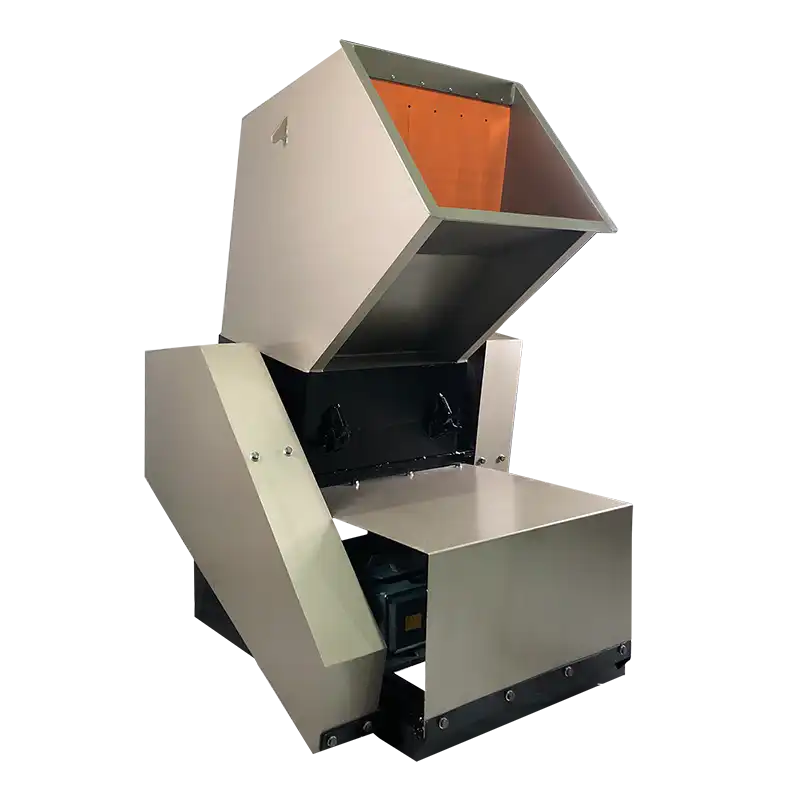
Conclusion
Successful industrial crusher installation requires careful attention to foundation design, electrical systems, mechanical alignment, and safety protocols. Proper planning prevents costly mistakes and ensures reliable long-term operation. Following manufacturer guidelines and industry best practices maximizes equipment performance while minimizing operational disruptions. Professional installation support from experienced suppliers like Xingbiao provides valuable expertise that protects your investment and accelerates production startup.
Ready to Install Your Industrial Crushers? Partner with Xingbiao
Xingbiao brings three decades of specialized industrial crusher expertise to your installation project. Our professional engineering team provides comprehensive support from initial planning through final commissioning, ensuring your crushing equipment delivers optimal performance. As a leading industrial crusher manufacturer, we understand the critical installation details that determine long-term success. Contact us at postmaster@xingbiaocrusher.com to discuss your installation requirements and receive expert guidance.
References
1. Smith, J.R. & Johnson, M.K. (2023). Industrial Equipment Installation Standards for Manufacturing Facilities. Journal of Factory Engineering, 45(3), 234-251.
2. Chen, L. & Williams, P.A. (2022). Foundation Design Principles for Heavy Industrial Machinery. International Conference on Industrial Infrastructure Proceedings, 156-172.
3. Rodriguez, C.M. (2023). Electrical Safety in Industrial Crusher Installation and Operation. Safety Engineering Quarterly, 18(2), 89-104.
4. Thompson, K.L., Davis, R.J. & Anderson, S.P. (2022). Mechanical Alignment Techniques for Crushing Equipment. Manufacturing Technology Review, 39(4), 412-428.
5. Wang, H. & Miller, D.G. (2023). Commissioning Procedures for Industrial Processing Equipment. Process Engineering Handbook, 2nd Edition, Chapter 12, 301-335.
6. Brown, A.T., Lee, J.H. & Garcia, M.R. (2022). Maintenance Planning for Industrial Crushing Systems. Plant Engineering and Maintenance Journal, 67(8), 78-92.