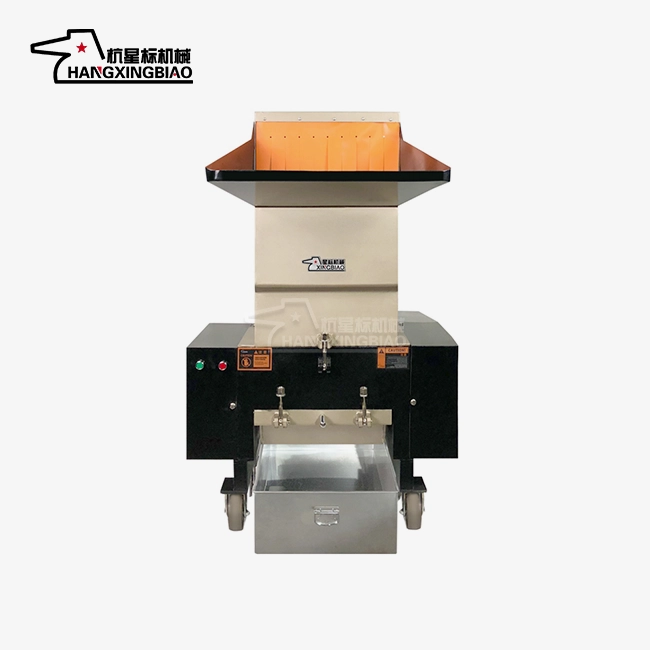
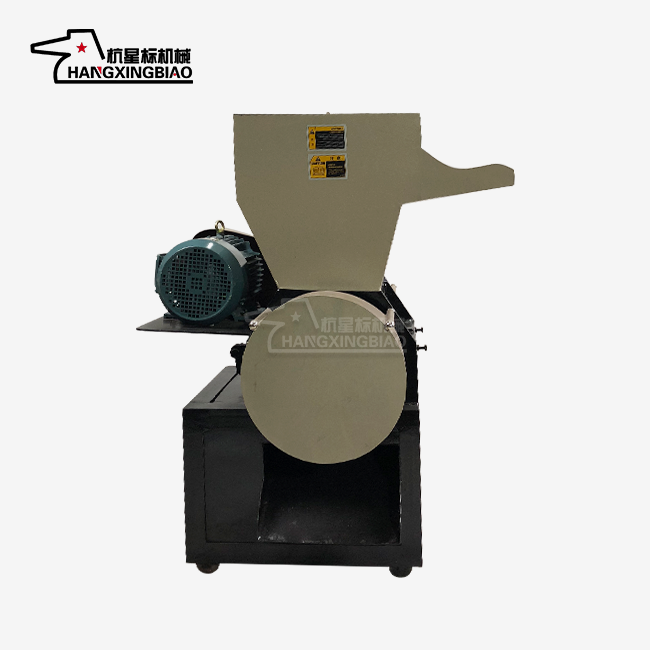
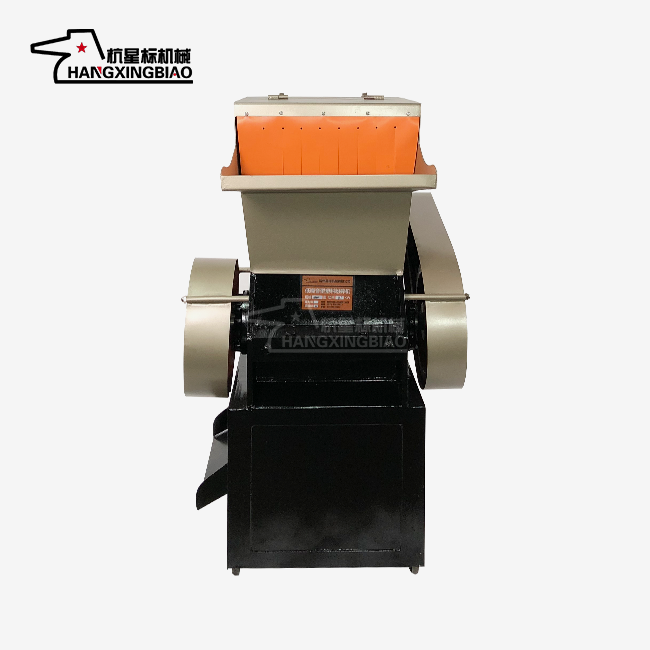
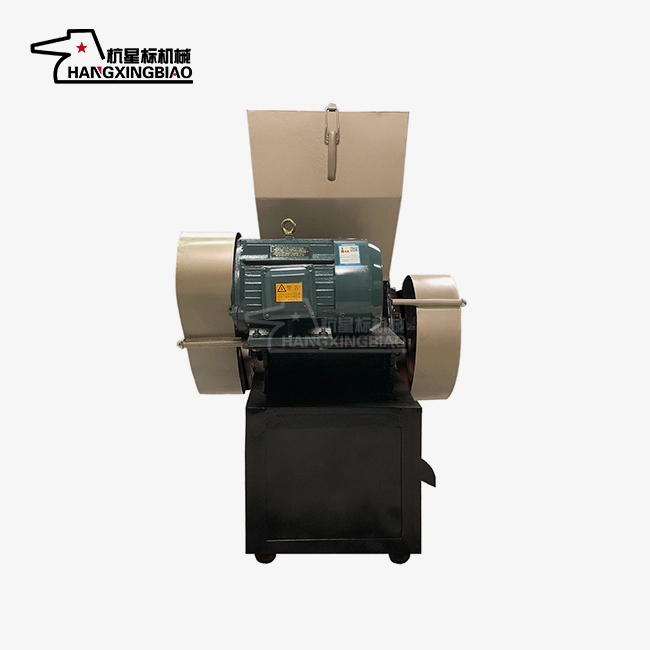
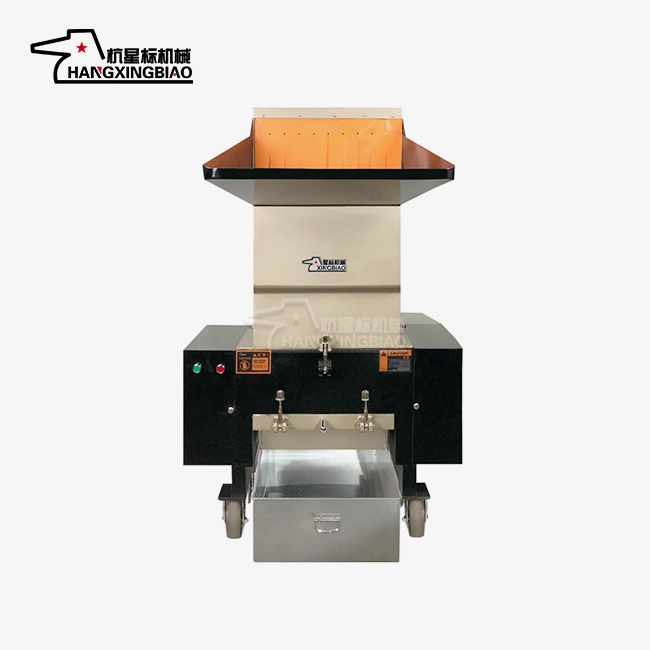
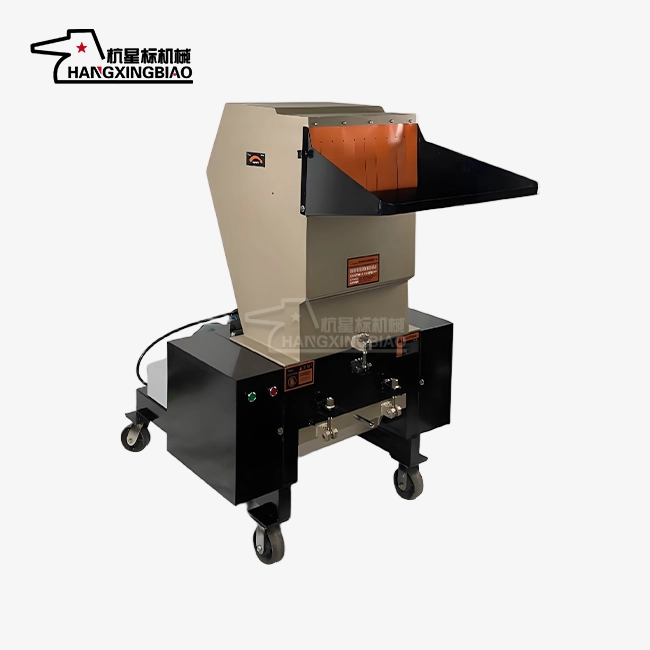
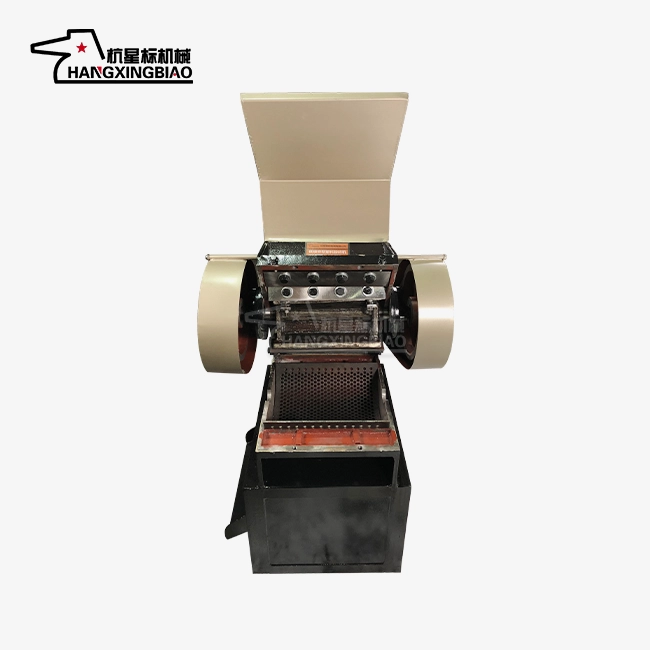
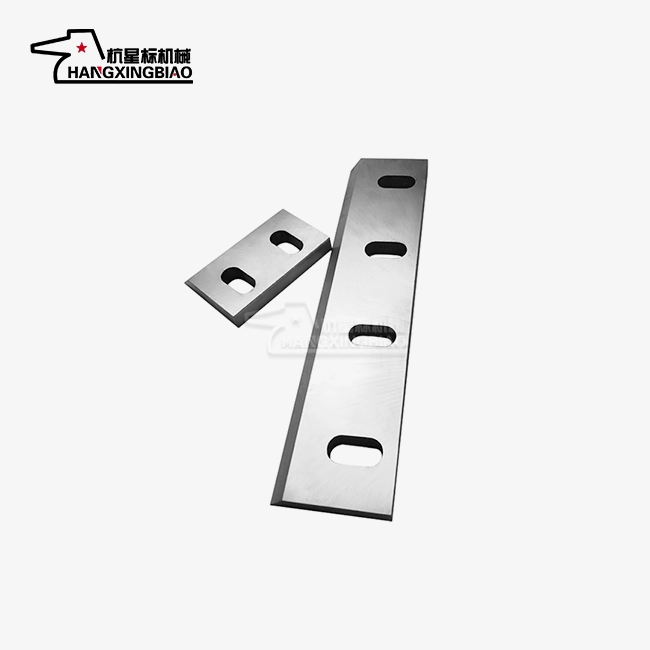
To find trusted plastic crusher suppliers around the world, you need to carefully look at manufacturers, distributors, and companies that sell specialized equipment. There are many verified sellers on the global market, from well-known companies like Hangzhou Xingbiao Machinery Co., Ltd., to regional distributors in Asia, Europe, and North America. Plastic shredders, granulators, and full-size reduction systems are just a few of the complete options that leading suppliers usually offer. Good makers offer strong technical support, easy access to spare parts, and the ability to customize equipment configurations to meet the needs of a wide range of industries.

Why Does Global Sourcing Matter for Plastic Crushing Equipment?
The plastic recycling business has grown at a speed that has never been seen before. This has increased the need for high-tech crushing tools in all areas of manufacturing. With global sourcing, you can get specialized technologies and low-cost options that might not be available in your country.
International providers often have decades of experience with technology that reduces the size of plastic parts. This experience leads to better equipment design, longer-lasting parts, and new features that solve problems in the business. This information has been collected to help businesses that make injection-molded parts, pipes, and profiles.
Access to Advanced Technology Solutions
Leading companies worldwide are manufacturing advanced plastic crushing equipment that employs two distinct processing methods. These systems use shear and impact to get the best particle size distribution while keeping the purity of the material.
Advanced cavity designs and blade configurations meet discharge needs that are higher than 2 mm. This keeps the material from being crushed too much and makes sure that the particle output rate is uniformly above 90%, so there is no need for extra screening.
Cost Efficiency and Competitive Pricing
With global sourcing, you can compare prices from different areas and manufacturers. This level of competition leads to new ideas while keeping prices for plastic crushing tools reasonable.
When you buy in bulk and work directly with manufacturers, you can often save a lot of money. When buying multiple pieces or integrating a whole production line, economies of scale help medium- to large-sized manufacturing companies the most.
Understanding Different Types of Plastic Crushing Equipment
The plastic crushing equipment market encompasses various machine types designed for specific applications and material characteristics. Understanding these distinctions helps buyers select appropriate equipment for their operational requirements.
Standard Plastic Crushers for General Applications
Standard plastic crushers can break down a wide range of materials, such as rigid plastics, containers, and made parts. Typically, these units feature adjustable screen systems and processing capacities suitable for small to medium-sized recycling businesses.
When working with cloth, paper, and film, built-in anti-winding comb tooth designs keep things from getting stuck. This trait is crucial for places that deal with mixed waste streams or materials that are fibrous.
High-Capacity Industrial Shredders
Big plastic parts, lines, profiles, and die head materials can all fit through large-diameter crushing systems. These strong tools are made of high-strength steel and have been treated with a stress relief process to keep them from deforming while they are in use.
High-wear-resistant alloy cutting sets, which are designed to withstand significant wear and tear, last longer than 3000 hours. They are usually made from SKD-11/D2 mold steel and Cr12MoV special steels. This makes the tools last longer, which saves money on repair costs and cuts down on production downtime.
Specialized Film and Fiber Processors
Plastic film crushers address the unique challenges posed by flexible materials, woven bags, and tangled trash streams. These machines use specialized blade shapes and chamber designs to prevent material from wrapping around the cutting devices.
Optimizing energy use is still very important for film processing businesses that do many films. When compared to regular systems, advanced motor matching and blade layout designs make crushing more than 20% more efficient.
Global Supply Chain Analysis for Plastic Crushing Equipment
The worldwide plastic crushing equipment market exhibits distinct regional characteristics influenced by local manufacturing capabilities, technological advancement, and market demand patterns.
Asian Manufacturing Hubs
Most of the world's plastic crushers come from Asian sources, mostly from China, Taiwan, and South Korea. These areas have a wide range of manufacturing options, from basic units to highly customized ones.
Well-known businesses like Hangzhou Xingbiao Machinery Co., Ltd. show their expert focus by constantly researching and developing new products. Their 20 senior engineers and 30-year dedication to producing outstanding products in a single category show how much knowledge is available in this area.
Industry-university research partnerships with big businesses make sure that equipment designs meet the needs of real-world operations. This way of working together leads to new ideas in plastic recycling machine technology.
European Technology Leaders
Precision engineering, environmental compliance, and advanced automation are things that European makers put a lot of emphasis on. The plastic crushing equipment that these companies make often comes with complex control systems and tracking tools.
European suppliers are appealing for uses that need approved equipment performance because they have strict quality standards and follow the rules. Large FMCG (fast-moving consumer goods) and food and beverage companies often choose these providers because they put a lot of stress on having stable equipment and professional service.
North American Market Dynamics
The North American market sells both domestically made goods and strategically imported specialized tools. A lot of the time, local sellers offer great customer service after the sale and quick access to spare parts.
North American suppliers are excellent at integrating new products with current production lines. This knowledge is useful for medium- to large-sized manufacturing companies that want to add other tools to their injection molding machines without any problems.

Comparing Different Sourcing Channels
Multiple procurement channels exist for acquiring plastic crushing equipment, each offering distinct advantages and potential limitations. Understanding these options helps buyers select optimal sourcing strategies.
Direct Manufacturer Relationships
Advantages:
- Competitive pricing through elimination of intermediary markups
- Direct technical support and customization capabilities
- Comprehensive warranty coverage and spare parts availability
- Access to latest technology developments and upgrades
Considerations:
- Minimum order quantities may be higher
- Longer lead times for customized equipment
- International shipping and logistics coordination required
Regional Distributors and Dealers
Advantages:
- Local technical support and service capabilities
- Faster delivery times and reduced shipping costs
- Established relationships with local service providers
- Familiarity with regional regulations and standards
Considerations:
- Limited equipment customization options
- Higher pricing due to distributor margins
- Potential stock limitations for specialized models
B2B Marketplace Platforms
Advantages:
- Wide supplier selection and easy comparison shopping
- Transparent pricing and specification information
- Buyer protection and verification systems
- Streamlined communication with multiple suppliers
Considerations:
- Variable supplier quality and reliability
- Limited technical support during evaluation phase
- Potential communication barriers with overseas suppliers
Supplier Verification and Quality Assessment
Thorough supplier evaluation prevents costly mistakes and ensures long-term equipment performance. Systematic assessment procedures help identify reliable partners capable of meeting specific operational requirements.
Technical Capability Assessment
Check the technical knowledge of the supplier by talking in detail about the needs of a particular application. Qualified suppliers should know the material's properties, production issues, and the best equipment setup.
Ask for full scientific details, such as the materials used for the blades, the motor's specs, and the capacity ratings. Professional suppliers provide detailed documentation that includes performance factors and operating instructions for the equipment.
Visiting a manufacturing facility, either in person or virtually, shows what the facility can make and how it checks for quality. Modern machining tools, well-organized production areas, and structured quality control systems are all things you should look for.
Quality Control and Certification Standards
Check to see if the supplier follows quality standards like ISO 9001, CE marking, or other related certifications. These qualifications demonstrate your commitment to adhering to regulations and implementing a systematic approach to quality management.
Find out where the materials are coming from, especially for important parts like crusher blades and drive systems. Good sellers use high-quality materials and have strict rules for inspecting goods before they come in.
Performance verification, safety testing, and durability evaluations should all be part of the production testing process. We thoroughly test equipment before sending it out to ensure it meets certain performance standards.
Service and Support Capabilities
Check out the infrastructure for after-sales support, such as technical hotlines, the supply of spare parts, and the ability to provide field service. Reliable providers keep full support systems up to date to keep equipment downtime to a minimum.
Training programs for operating and maintaining equipment show that the seller wants the customer to succeed. When you get the right training, practical risks go down and equipment lasts longer.
Promised response times for technical questions and service requests show how reliable a seller is. Professional groups usually say they'll answer customer questions within 24 hours.

Practical Procurement Guidelines
Successful plastic crusher procurement requires attention to numerous technical and commercial details. Following systematic evaluation procedures reduces risks and ensures optimal equipment selection.
Minimum Order Quantities and Payment Terms
Standard plastic crusher units can be ordered in numbers as low as one unit, which makes them easy for small- to medium-sized recycling plants to get. Customized tools or large orders may require higher minimum quantities.
Payment terms are very different between areas and suppliers. Typically, suppliers require a down payment of 30–50%, with the remaining balance due prior to shipment. For qualified buyers, established providers may be able to offer more flexible terms.
Letters of credit are a way to protect foreign transactions, especially when buying expensive equipment. This way of paying protects the interests of both the buyer and the seller in foreign deals.
Delivery Timeframes and Logistics
Standard equipment delivery usually takes between 4 and 8 weeks, but the duration depends on where the seller is located and how busy production is at the moment. Customized methods for pulverizing plastic may take 8 to 12 weeks to finish.
When you ship something internationally, you need to carefully plan how to handle paperwork, customs clearance, and local delivery. Logistics coordination is often helped by experienced suppliers to make sure that equipment shipping goes smoothly.
During the procurement process, help for installation and commissioning should be made clear. Some providers help with installation on-site, while others rely on detailed instructions and support from afar.
Common Procurement Pitfalls
Inadequate design development leads to equipment mismatches and poor performance. Before starting to talk to suppliers, make sure you have a complete record of the material's properties, capacity needs, and operating limitations.
If you don't check the prices and availability of spare parts, you could end up with high long-term running costs. Make commitments regarding the cost and accessibility of replacement parts during the preliminary discussions for the purchase.
If you don't pay enough attention to electricity needs and local code compliance, you may have to make expensive changes after delivery. Early on in the evaluation process, check the electrical specs and safety requirements.
Industry-Specific Requirements and Applications
Different industries impose unique requirements on plastic crushing equipment based on material types, processing volumes, and operational constraints. Understanding these requirements guides appropriate equipment selection.
Plastic Manufacturing Enterprise Needs
Businesses that make plastic goods need tools that can work with injection-molded parts, pipes, profiles, and other stiff materials. For these applications to work, they need to be able to run continuously and connect to other production systems.
When processing many scrap materials and broken goods, the durability of the equipment becomes very important. A strong steel structure and wear-resistant parts make sure that the machine will work reliably for a long time.
Consider the noise levels when installing tools near injection molding machines. Low-noise plastic grinder designs let multiple machines work at the same time without stopping production.
Recycling and Reprocessing Operations
Plastic recycling centers deal with a wide range of trash, such as films, woven bags, tires, and containers. Because of this, we need tools that can handle many different types of materials well.
Energy use has a direct effect on how profitable high-volume recycling businesses are. Motor matching that works better refers to the process of aligning motors to optimize performance, and cutting mechanisms that work well together are tools designed to efficiently cut materials, both of which aim to use less power while keeping working capacity the same.
Managing complex waste streams requires the ability to handle tangled materials. Anti-winding designs keep processing throughput steady and stop working interruptions.
Supply Chain Integration Requirements
Large FMCG and F&B corporations require suppliers capable of providing comprehensive technical support throughout the equipment lifecycle. This includes selection guidance, installation support, and ongoing maintenance assistance.
Equipment standardization facilitates maintenance procedures and spare parts management across multiple facilities. Standardized designs reduce training requirements and simplify operational procedures.
Supplier stability and long-term viability become crucial considerations for corporations making substantial equipment investments. Established suppliers with proven track records provide confidence in long-term support availability.
Conclusion
Sourcing plastic crushing equipment from verified global suppliers requires systematic evaluation of technical capabilities, service support, and commercial terms. The worldwide market offers extensive options ranging from specialized manufacturers to regional distributors, each providing unique advantages for different applications. Success depends on thorough requirement definition, comprehensive supplier assessment, and careful attention to procurement details. Established suppliers like Hangzhou Xingbiao Machinery Co., Ltd. demonstrate the expertise and dedication necessary for long-term partnerships. Their specialized focus, advanced technology, and comprehensive support capabilities exemplify the qualities buyers should seek when selecting plastic crushing equipment suppliers.
FAQ
Q1: What are the typical lead times for plastic crusher delivery?
A: Standard plastic crusher machines typically require 4-8 weeks for delivery, while customized equipment may take 8-12 weeks. Delivery times vary based on supplier location, current production schedules, and equipment complexity. International shipping adds 2-4 weeks depending on destination and logistics arrangements.
Q2: How do I determine the right crusher size for my application?
A: Crusher selection depends on material types, processing volumes, and particle size requirements. Evaluate your maximum part dimensions, hourly throughput needs, and available installation space. Professional suppliers provide selection guidance based on detailed application requirements and operational constraints.
Q3: What maintenance requirements should I expect for plastic crushing equipment?
A: Regular maintenance includes blade inspection and replacement, screen cleaning, and lubrication of moving parts. Quality equipment with high wear-resistant alloy cutters typically requires blade replacement after 3000+ operating hours. Establish maintenance schedules based on processing volumes and material abrasiveness.
Partner with Xingbiao for Reliable Plastic Crusher Solutions
Hangzhou Xingbiao Machinery Co., Ltd. stands as your trusted plastic crusher manufacturer with three decades of specialized expertise in plastic size reduction technology. Our comprehensive range includes standard crushers, large-diameter systems, and customized solutions designed to meet diverse industrial requirements. With 20 senior engineers and established industry partnerships, we deliver advanced equipment featuring dual-effect crushing processes and anti-winding designs. Ready to enhance your plastic recycling operations? Contact us at postmaster@xingbiaocrusher.com for expert consultation and competitive pricing on our complete plastic crushing equipment line.
References
1. Smith, J.A. "Global Trends in Plastic Recycling Equipment Technology." Industrial Machinery Review, 2023.
2. Chen, L. "Comparative Analysis of Plastic Crusher Design Methodologies." Journal of Polymer Processing Equipment, 2023.
3. Williams, R.K. "Supply Chain Optimization for Industrial Crushing Equipment." Manufacturing Technology Today, 2022.
4. Thompson, M.E. "Energy Efficiency in Plastic Size Reduction Systems." Recycling Technology Quarterly, 2023.
5. Davis, A.L. "Quality Assessment Criteria for Plastic Processing Machinery Suppliers. "Industrial Equipment Standards, 2022.
6. Johnson, P.R. "International Procurement Strategies for Plastic Recycling Equipment." Global Manufacturing Insights, 2023.