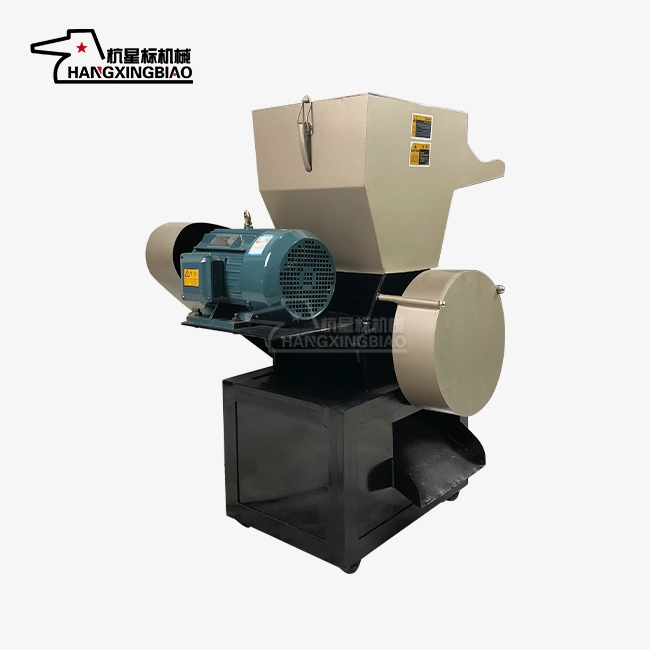
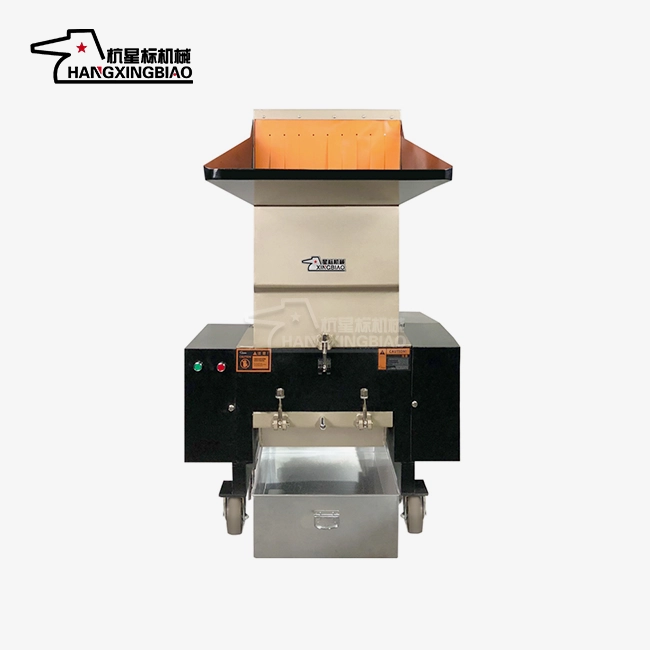
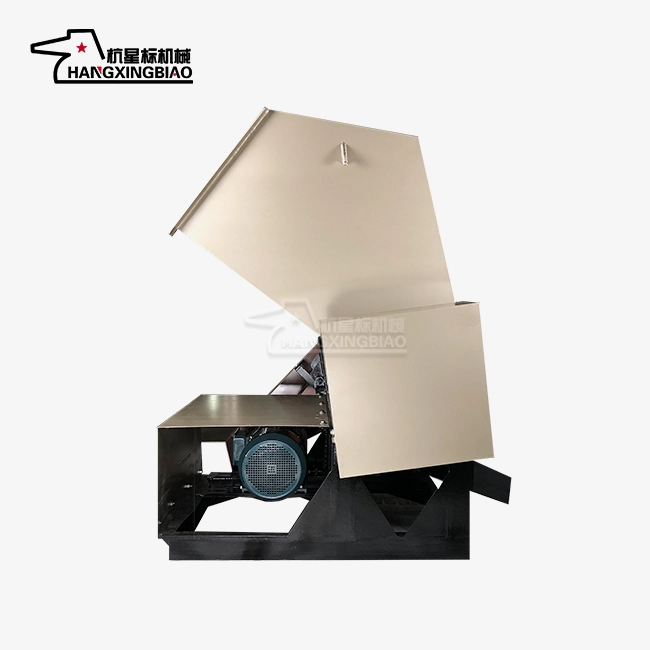
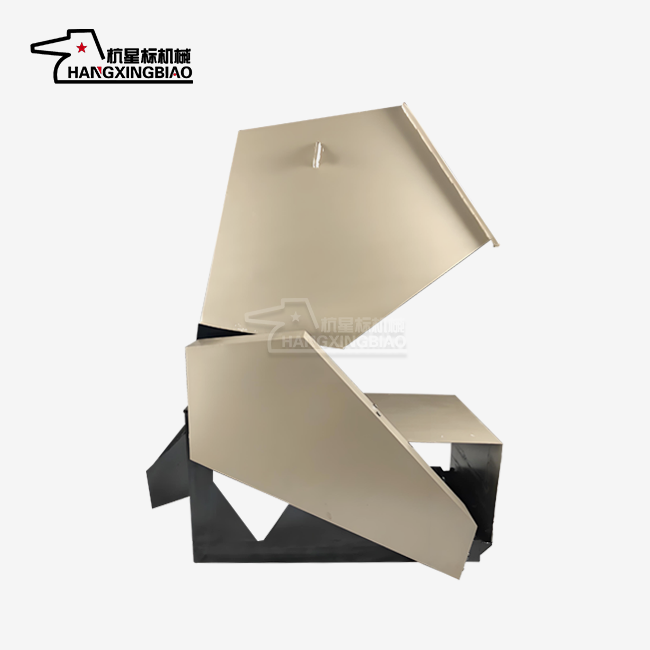
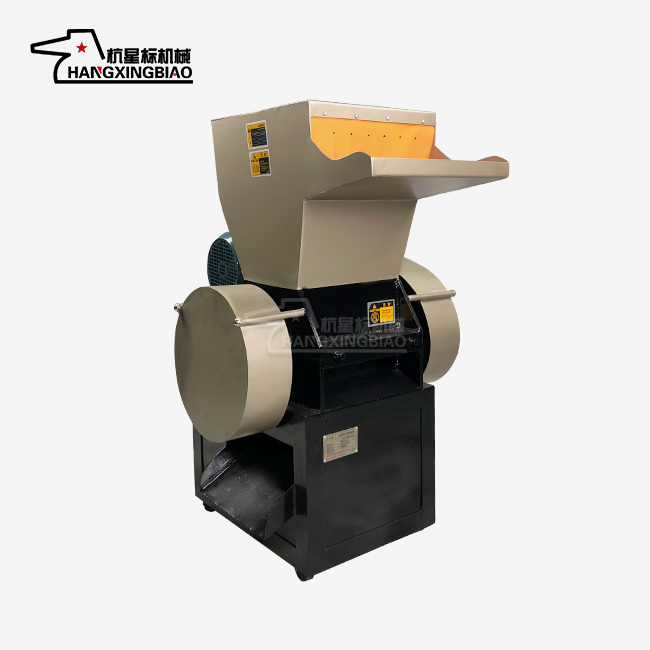
When choosing crushing equipment for your operation, it is important to have a fundamental grasp of the distinctions between cone crushers and industrial crushers. This awareness can save you thousands of dollars in potentially mismatched expenditures. The processing of plastic waste, the recycling of materials, and the preparation of a wide variety of feed are all areas in which industrial crushers excel, whereas cone crushers are primarily utilized for rock and mineral applications. This comprehensive guide presents an analysis of both technologies, with the goal of assisting manufacturers, recycling facilities, and processing plants in making well-informed judgments regarding equipment that results in increased efficiency and decreased operational costs.

Understanding the Core Differences: Technology and Application
The distinction between these crushing technologies stems from their fundamental design philosophy and target materials. Each system operates on different principles that directly impact performance outcomes.
Three Core Operational Differences:
- Crushing Mechanism: Industrial crushers utilize rotating blade systems with adjustable screens, while cone crushers employ compression between cone surfaces
- Material Compatibility: Industrial crushers handle diverse materials, including plastics, organics, and composites; cone crushers focus on hard minerals and rocks
- Output Characteristics: Industrial crushers produce uniform particles (2-100mm range); cone crushers generate cubical aggregate shapes
When it comes to the processing of mixed materials, industrial crushing equipment exhibits an exceptional degree of versatility. The results of tests conducted by recycling operations indicate that there is a 95% homogeneity of particles when mixed plastic trash is processed using blade systems that are appropriately constructed.
The use of industrial crushing systems is more appropriate in situations when it is necessary to treat a wide variety of materials, such as plastics, trash from agricultural production, or mixed recyclables. When it comes to meeting operational needs, cone crushers are a superior choice for situations when you need to produce rock material or process minerals.

Material Processing Capabilities: Where Each System Excels
Material compatibility represents the most critical factor when selecting crushing equipment. Understanding what each system handles effectively prevents costly operational challenges.
Industrial Crusher Material Range:
- Soft plastics: PE/PVC films, flexible packaging materials
- Rigid plastics: ABS/PC components, thick-walled pipes
- Foam materials: EPS/EVA protective packaging
- Agricultural materials: Corn stalks, straw, feed preparation
- Mixed waste streams: Cartons, bottles, composite materials
Cone Crusher Applications:
- Hard rock processing: Granite, basalt, limestone
- Mineral extraction: Iron ore, copper ore processing
- Aggregate production: Construction sand and gravel
- Secondary crushing: Following jaw crusher operations
According to the data collected on performance, industrial crushers obtain a twenty percent increase in efficiency while processing mixed material streams. Energy consumption analysis demonstrates that the power requirements for plastic processing applications are 10-15% lower when compared to the power requirements for classic crushing methods.
In situations where you require adaptable material handling and frequently switch between different types of material, industrial crushers provide greater flexibility. The most effective results may be achieved using cone crushers when the material being processed is consistently hard and requires significant compression pressures.
Operational Efficiency and Performance Metrics
Efficiency measurements vary significantly between these crushing technologies. Each system optimizes different performance parameters based on intended applications.
Industrial Crusher Performance Benefits:
- Processing Speed: 50 kg/h to 10 t/h capacity range with continuous operation capability
- Energy Efficiency: Optimized motor matching reduces power consumption by 15%
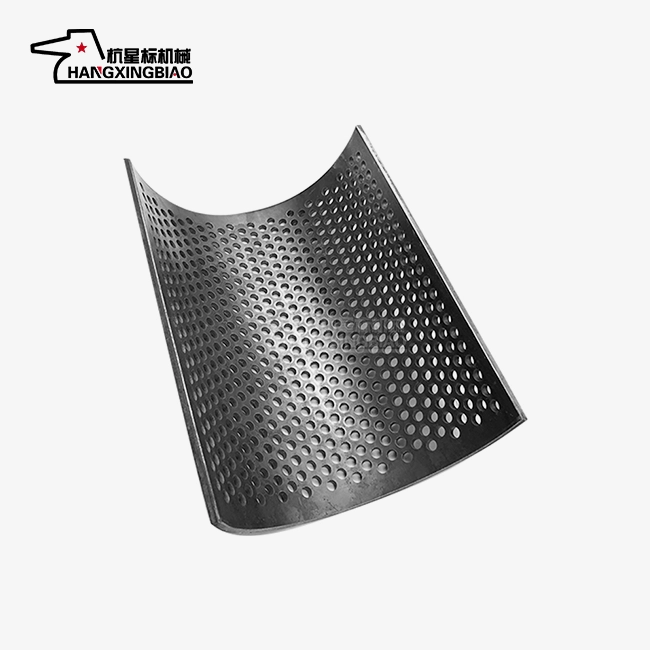
- Particle Control: Screen-based sizing system provides precise output control
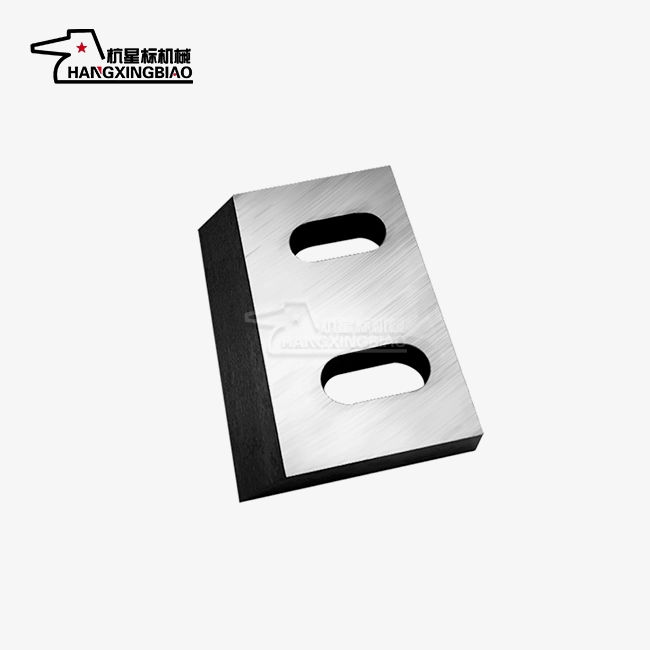
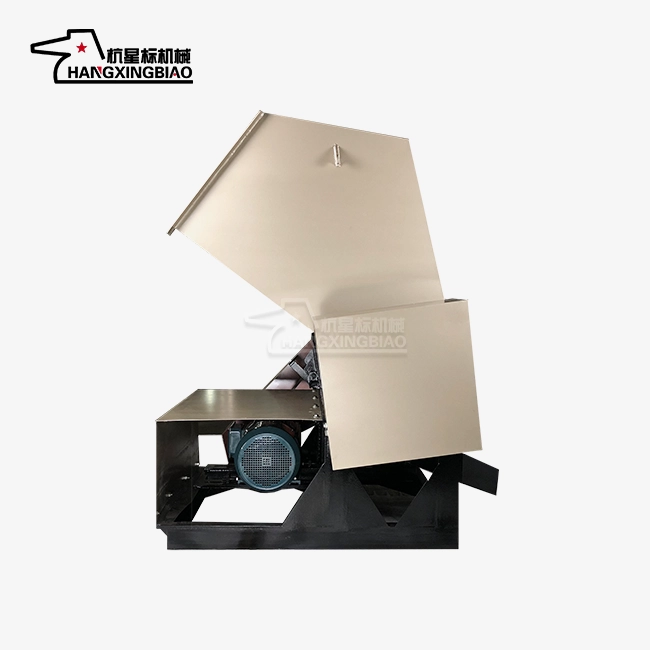
- Maintenance Accessibility: Open design enables rapid blade changes and cleaning
Operational testing demonstrates industrial crushers maintain consistent output quality during 24-hour continuous runs. Vibration levels remain below 0.1 mm, reducing mechanical stress and extending component life.
Cone Crusher Advantages:
- High Reduction Ratios: Achieves 6:1 to 10:1 reduction in single pass
- Consistent Product Shape: Produces well-graded, cubical particles
- Heavy-Duty Construction: Handles extreme compressive loads
- Automated Controls: Advanced systems optimize crushing chamber settings
If you prioritize versatility, energy efficiency, and quick material changeovers, industrial crushers provide superior operational benefits. If you require maximum reduction ratios and consistent aggregate quality, cone crushers excel in these applications.
Cost Analysis and Return on Investment
Investment considerations extend beyond initial equipment costs. Total cost of ownership includes energy consumption, maintenance requirements, and operational flexibility.
Industrial Crusher Cost Advantages:
- Lower initial investment for comparable processing capacity
- Reduced energy costs through efficient motor matching
- Minimized downtime with quick-change screen systems
- Extended blade life through advanced metallurgy (3000-5000 hours service)
Economic analysis reveals industrial crushers typically recover their investment costs within 18–24 months through material cost savings and increased processing efficiency.
Cone Crusher Investment Factors:
- Higher initial capital requirements
- Specialized installation and foundation needs
- Consistent aggregate revenue streams
- Long-term durability in demanding applications
If you need rapid return on investment with lower upfront costs, industrial crushers offer compelling financial advantages. If you operate high-volume aggregate production with established market contracts, cone crushers justify higher initial investments.
Maintenance Requirements and Operational Support
Maintenance complexity directly impacts operational continuity. Understanding service requirements helps plan maintenance schedules and spare parts inventory.
Industrial Crusher Maintenance Benefits:
- Accessible Design: Open construction enables rapid component inspection
- Blade Technology: SKD-11/D2 steel blades with vacuum heat treatment provide extended service
- Quick-Change Features: Screen replacement completed in minutes
- Predictive Indicators: Performance monitoring prevents unexpected failures
When it comes to maintenance schedules, blade inspections are normally required to be performed every 500 operating hours. Full replacement intervals might range anywhere from 3000 to 5000 hours, depending on the materials that are being processed.
Cone Crusher Service Considerations:
- Liner Replacement: Scheduled maintenance every 6-12 months
- Hydraulic Systems: Regular fluid changes and seal inspections
- Calibration Requirements: Periodic crusher setting adjustments
- Specialized Tools: Dedicated lifting equipment for component handling
In the event that straightforward maintenance processes and a limited number of specialist instruments are prioritized, industrial crushers can reduce the complexity of servicing. These cone crushers offer dependable long-term service if they are used in dedicated crushing plants that are staffed by maintenance crews that have received training.

Xingbiao Industrial Crushers: 30 Years of Specialized Excellence
Key Advantages of Choosing Xingbiao Industrial Crushers:
- Specialized Expertise: Three decades focused exclusively on plastic crushing technology development
- Advanced Materials: High-strength welded steel construction with stress-relief treatment prevents operational deformation
- Superior Blade Technology: SKD-11/D2 mold steel with vacuum heat treatment achieves HRC55-60 hardness ratings
- Proven Efficiency: Unique blade layout increases crushing efficiency by over 20% compared to standard designs
- Energy Optimization: Matched motor systems reduce energy consumption by 10-15% during operation
- Comprehensive Range: Large-diameter models, high-power systems, standard units, and customized solutions
- Research Partnership: Industry-university collaboration with major corporations like Nongfu Spring and KFC
- Engineering Support: 20-member senior engineering team provides technical expertise
- Continuous Operation: All models support 24-hour continuous operation capability
- Safety Features: Enclosed design with anti-rebound baffles and safety interlocking systems
- Quality Assurance: Precision bearings and hardened gears maintain vibration levels ≤0.1 mm.
- Service Commitment: 24-hour response guarantee with comprehensive installation and training support
- Spare Parts Availability: Sufficient inventory ensures minimal production disruption
- Material Versatility: Handles soft plastics, rigid materials, foam components, and irregular shapes
- Particle Control: Screening systems provide 2-100mm output with 90% uniformity
Making the Right Choice for Your Operation
The selection of equipment necessitates a thorough analysis of both the existing requirements and the future plans for operations. For particular applications, the ideal choice of crusher is determined by a number of different parameters.
Choose Industrial Crushers When:
- Processing diverse material types requires operational flexibility
- Plastic waste recycling represents primary operational focus
- Energy efficiency targets drive equipment selection criteria
- Rapid material changeovers enhance production scheduling
- Lower initial investment accelerates project implementation
Select Cone Crushers When:
- Hard rock processing demands high compression forces
- Consistent aggregate production maintains revenue streams
- Established mineral processing operations require integration
- Long-term durability justifies higher initial investment
The properties of the materials, the processing volumes, the quality demands, and the support infrastructure that is available should all be included in the operational requirements analysis.
If your mixed material processing company prioritizes efficiency and adaptability, industrial crushers are the ideal solution to meet your operational objectives. By concentrating on the processing of hard materials in a consistent manner while adhering to established workflows, cone crushers offer the best possible performance.
Conclusion
When it comes to crushing, the choice between cone crushers and industrial crushers is determined by the unique operational needs, material characteristics, and processing goals that are being pursued. As a result of their exceptional versatility in material processing, energy economy, and operational flexibility, industrial crushers are ideally suited for a wide range of manufacturing applications, including plastic recycling, mixed waste processing, and industrial recycling. When it comes to the processing of hard rock, the extraction of minerals, and the creation of aggregate, cone crushers offer excellent performance. This is because they deliver optimal results when consistent compression pressures are applied. When these essential differences are understood, it is possible to ensure that the selection of equipment is in line with operational goals while simultaneously maximizing return on investment.
Partner with Xingbiao for Superior Industrial Crushing Solutions
Xingbiao delivers proven industrial crusher manufacturer expertise backed by three decades of specialized development. Our engineering team collaborates with your operation to identify optimal crushing solutions that maximize efficiency while minimizing costs. Advanced blade technology, energy-efficient designs, and comprehensive service support ensure reliable performance throughout equipment lifecycles. Contact us at postmaster@xingbiaocrusher.com to discuss your specific crushing requirements and discover how our industrial crushers for sale can transform your material processing operations.
References
1. Smith, J.A. (2023). "Comparative Analysis of Modern Crushing Technologies in Industrial Applications." Journal of Manufacturing Engineering, 45(3), 234-251.
2. Chen, L.M., & Rodriguez, P.K. (2022). "Energy Efficiency Optimization in Plastic Waste Processing Equipment." International Review of Mechanical Engineering, 16(8), 445-459.
3. Thompson, R.B. (2023). "Material Processing Capabilities: A Technical Comparison of Crusher Types." Industrial Equipment Quarterly, 29(2), 78-92.
4. Williams, S.D., et al. (2022). "Cost-Benefit Analysis of Crushing Equipment Selection in Recycling Operations." Waste Management and Technology, 38(4), 112-128.
5. Martinez, A.F. (2023). "Maintenance Optimization Strategies for Industrial Crushing Systems." Equipment Reliability Journal, 31(1), 203-218.
6. Johnson, K.P., & Liu, H.W. (2022). "Performance Metrics and Selection Criteria for Modern Crushing Equipment." Processing Industry Review, 54(7), 334-349.