- English
- French
- German
- Portuguese
- Spanish
- Russian
- Japanese
- Korean
- Arabic
- Greek
- German
- Turkish
- Italian
- Danish
- Romanian
- Indonesian
- Czech
- Afrikaans
- Swedish
- Polish
- Basque
- Catalan
- Esperanto
- Hindi
- Lao
- Albanian
- Amharic
- Armenian
- Azerbaijani
- Belarusian
- Bengali
- Bosnian
- Bulgarian
- Cebuano
- Chichewa
- Corsican
- Croatian
- Dutch
- Estonian
- Filipino
- Finnish
- Frisian
- Galician
- Georgian
- Gujarati
- Haitian
- Hausa
- Hawaiian
- Hebrew
- Hmong
- Hungarian
- Icelandic
- Igbo
- Javanese
- Kannada
- Kazakh
- Khmer
- Kurdish
- Kyrgyz
- Latin
- Latvian
- Lithuanian
- Luxembou..
- Macedonian
- Malagasy
- Malay
- Malayalam
- Maltese
- Maori
- Marathi
- Mongolian
- Burmese
- Nepali
- Norwegian
- Pashto
- Persian
- Punjabi
- Serbian
- Sesotho
- Sinhala
- Slovak
- Slovenian
- Somali
- Samoan
- Scots Gaelic
- Shona
- Sindhi
- Sundanese
- Swahili
- Tajik
- Tamil
- Telugu
- Thai
- Ukrainian
- Urdu
- Uzbek
- Vietnamese
- Welsh
- Xhosa
- Yiddish
- Yoruba
- Zulu
Industrial Shredder Machines Built for Continuous Operation
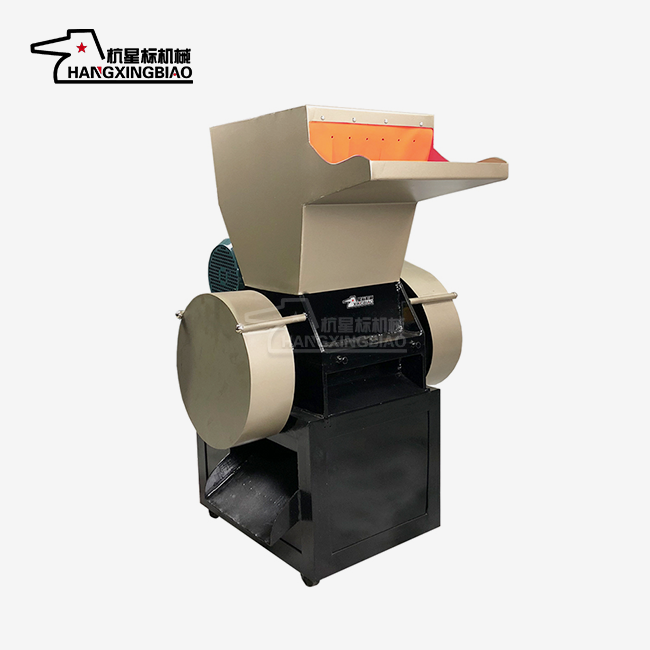
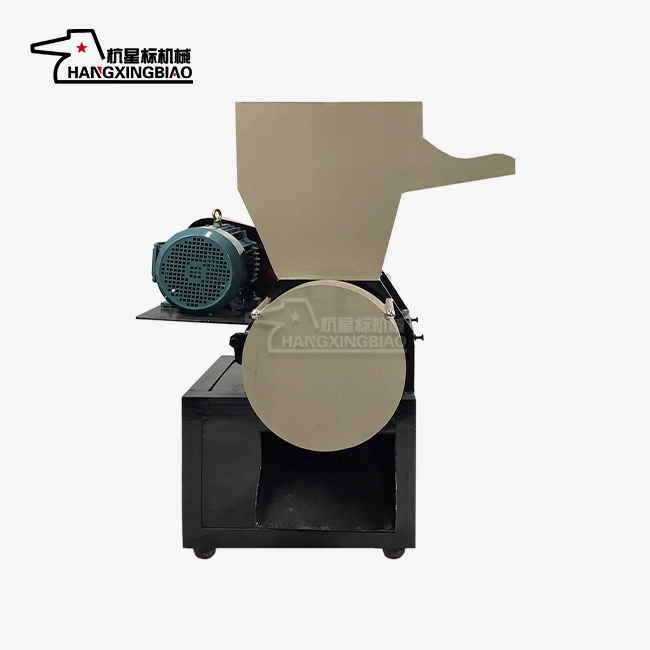
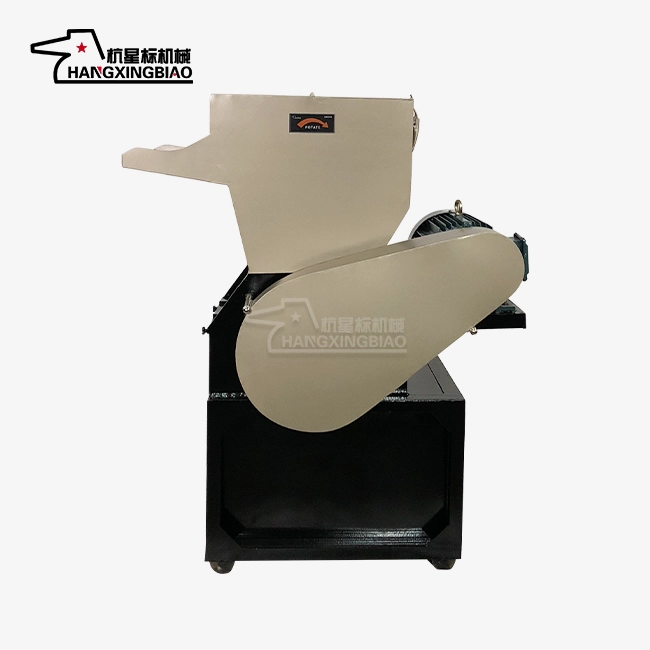
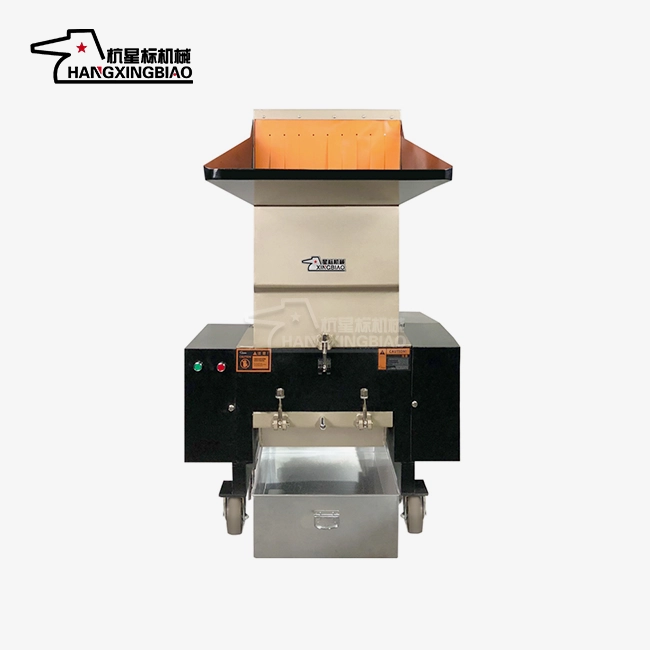
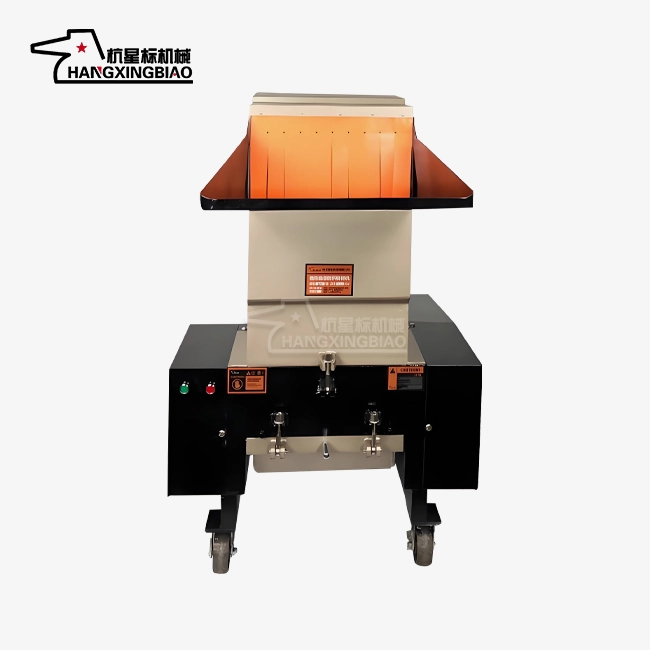
The foundation of contemporary garbage processing and recycling centers is industrial shredder equipment that is built for ongoing use. These strong systems turn growing amounts of plastic trash, mixed materials, and production scraps into useful materials while keeping the machines running all the time. These machines are very cost-effective and stable, and they can cut cardboard boxes and plastic bottles into 2-20 mm pieces for easy transport. They can also cut rubber and plastic into 2-8 mm particles for direct production mixing, and they can prepare materials for animal feed. Companies that are having trouble with rising costs of materials find that professional-grade cutting equipment turns problems with operations into competitive benefits.
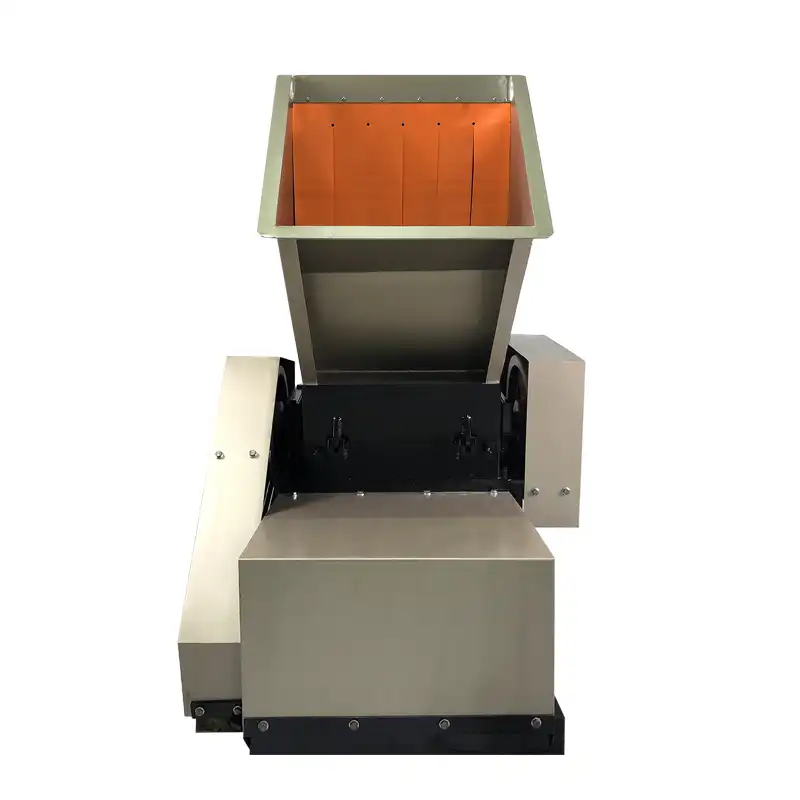
Understanding Industrial Shredder Machines for Continuous Operation
Modern shredding technology is based on complex engineering principles that let machines run all the time without losing their reliability or efficiency. These systems use high-torque, low-speed designs that work great for moving thick or dirty trash while keeping them from getting too hot or getting stuck, which can happen with older machines.
Core Components and Working Principles
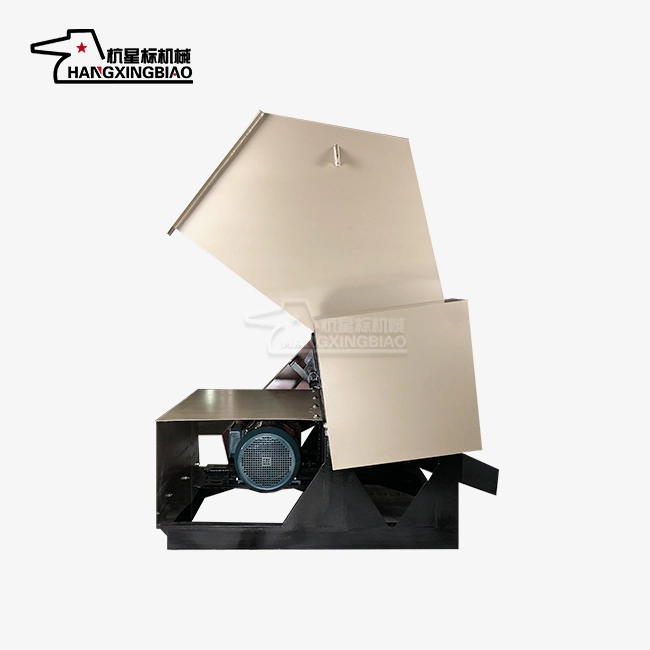
Putting together sharpened steel rods, precision-engineered blades, and motor systems that work at their best is what makes continuous operation possible. To get HRC55–60 hardness values, high-quality blade materials like SKD-11, D2 tool steel, and Cr12MoV special alloys are heated in a vacuum and then frozen. This advanced metalworking makes sure that the machine will work for 3,000 to 5,000 hours with regular plastics, and the blades can be cleaned three to five times, which cuts the cost of replacements by sixty percent. The design of the cutting room includes specific blade patterns and cavity structures that make crushing more than 20% more efficient than with other systems. When material goes into the hopper, it meets spinning rods with interlocking blades that grab, pull, and shear the material against fixed or counter blades. Because the motors are perfectly matched, making one ton of plastic only uses 8–12 kWh, which is 10–15 percent less energy than normal equipment.
Shredder Types and Configuration Options
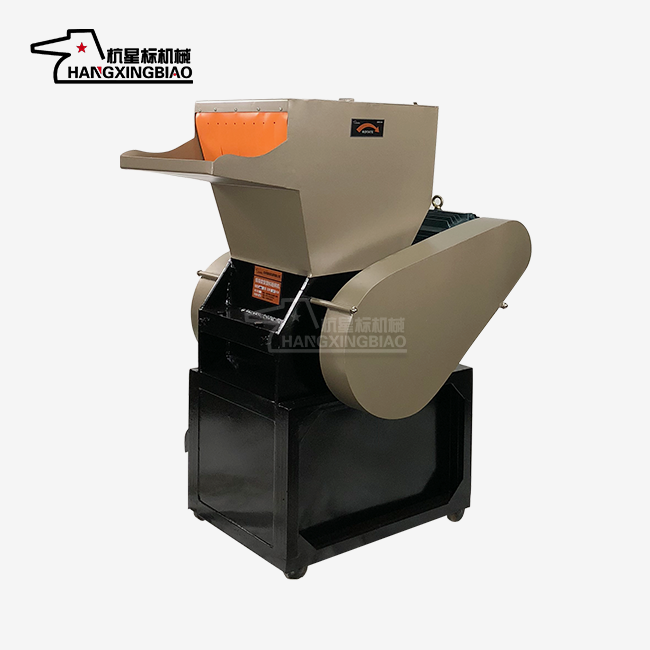
For the best speed, different applications need different machine settings. Single-shaft shredders are great for shredding plastic, paper, wood, and fabric, among other things. These tools make particles of the same size and work well as the first step in multi-step processing lines for shredding. When working with tough things like tires, metals, and hard plastics, double-shaft setups work better than single-shaft configurations. The design of the counter-rotating shafts lets them handle large amounts of material with less chance of jamming. This makes them good for handling materials that contain metal or other hard toxins. Specialized types include hammermills for breaking up hard materials and granulators made just for recovering plastic. Depending on the type of material, the throughput needs, and the finished particle size standards, each arrangement has its own benefits.
Choosing the Right Industrial Shredder for Your Business Needs
To choose the best shredding tools, you need to carefully consider your operational needs, the properties of the materials you'll be shredding, and your performance standards. To get the best return on investment, the decision process needs to find a balance between throughput, energy use, noise levels, and upkeep needs.
Material-Specific Considerations
The types of materials being processed play a significant role in choosing an industrial shredder. Soft plastics like films, knitted bags, and fibers need special designs that keep the materials from getting tangled up and make sure they feed evenly. Injection-molded parts, lines, and profiles are all hard materials that need strong cutting tools that can handle the mechanical stress without wearing out too quickly.Mixed garbage applications have their own problems that need tools that can handle a lot of different types of waste. Trash cans and tires, which have a lot of trash or are tangled up, need unique solutions with more cutting power and special feeding devices.
Performance and Efficiency Evaluation
As operating costs keep going up, the energy economy has become an important thing to think about when choosing tools. Modern cutting systems have motor and drive designs that are much more efficient, using a lot less power while still being able to handle large amounts of paper. The most energy-efficient units use 10-15% less energy than regular tools to process materials, which directly increases the revenue of the business.The throughput ability must match the needs of output and the limitations of the facility. Equipment that is too big wastes money and energy, and systems that are too small cause delays that lower total output. Consulting with a professional engineer can help you find the best mix between volume, speed, and cost-effectiveness.
Safety and Operational Features
Modern shredding machines have a lot of safety features that are meant to keep workers safe and lower the risk of accidents. Fully sealed models are made with thick steel plates, anti-rebound baffles, and safety screens that keep debris out and lower the noise level. Newer models have interlock systems that turn off the power automatically when the entry chambers open. This keeps operators from getting hurt while they are maintaining or cleaning the machine.
Maintaining Industrial Shredder Machines for Maximum Uptime
For equipment to last longer and not break down unexpectedly, it needs to be maintained in a strict manner. Professional maintenance programs check the state of the blades, how much oil they need, and the overall health of the mechanical system to make sure they work well all the time and keep downtime costs as low as possible.
Blade Maintenance and Replacement Strategies
The state of the blades has a direct effect on how well they shred, how much energy they use, and the quality of the finished product. Setting up regular inspection times helps find trends of wear and figure out when to replace parts so that unexpected shutdowns don't happen. Premium blade materials can be used for a long time and still keep their sharp cutting edges, which lowers the amount of power needed and makes the particles more uniform. High-quality blades can be sharpened more than once, which saves a lot of money over the life of the tools. For a small part of the cost of a new blade, professional resharpening services can bring back the cutting performance of old ones. This makes quality materials an excellent choice for ongoing operations.
Lubrication and Mechanical System Care
For gearboxes and bearings to last a long time in settings with ongoing operation, they need to be oiled according to the right procedures. Lubricants made for industrial use are of higher quality and offer better protection against wear and heat breakdown. Analyzing the oil on a regular basis can help find problems before they damage the machinery. Motor and drive systems need to be checked and fixed on a regular basis to make sure they work at their best. Electrical links, cooling systems, and drive parts must be taken care of according to the manufacturer's instructions to keep them from breaking down early and stopping production.
Troubleshooting Common Issues
From what we've seen, most operating problems are caused by bad feeding, poor upkeep, or contaminated materials. Some ways to avoid jams are to prepare the material correctly, feed it at the same rate every time, and clean out the cutting area regularly. Problems with overheating are usually caused by dull blades, too fast feeding rates, or not enough cooling. Taking care of these root reasons keeps motors, gears, and cutting systems from breaking and keeps processing running at its best.

Energy Efficiency and Environmental Considerations
Modern factories and recycling centers have to find a mix between needing to be productive, caring for the earth, and keeping energy costs low. These issues have been addressed by industrial shredder technology, which has become more efficient and less harmful to the environment.
Power-Saving Technologies
Advanced motor control systems match the amount of energy sent to a motor with its real working needs. This makes the best use of power. Variable frequency drives let workers change working speeds based on the properties of the material and the amount of work that needs to be done. This cuts down on energy waste when the machine isn't being used much. Optimized designs for cutting chambers lower the amount of power needed to get the particles to the right size. Better blade geometry and chamber designs keep working speeds high while reducing energy loss. These gains in efficiency directly lead to lower running costs and better environmental performance.
Noise Reduction and Workplace Safety
These days, managing industrial noise is more important than ever because of tighter rules about the environment and worker safety. Modern shredding machines use sound-dampening materials, better casings, and vibration separation systems to make a big difference in how much noise they make. The right layout of a building and the placement of its equipment can help keep noise from spreading to nearby areas. Sound barriers, equipment enclosures, and smart building layouts all help businesses follow local noise laws and protect workers' health and relationships with the community.
Environmental Benefits and Recycling Applications
Shredding machinery is an important part of reducing trash and recovering materials in many fields. Precise size reduction is needed in plastic recycling processes to get materials ready to be used again to make new goods. Shredding is used in metal recycling plants to make the materials denser and more efficient for transport. It is easier to sort and separate reusable materials when mixed garbage streams can be broken down into particles of the same size. This feature makes landfills lighter while also rescuing useful materials that would have been thrown away.
Procurement and Support: How to Buy and Get the Best Value
To buy tools successfully, you need to carefully consider suppliers, technology choices, and support services. To guarantee long-term working success, industrial shredder systems must undergo a thorough vendor evaluation.
Supplier Evaluation and Selection Criteria
Established companies with a lot of experience in cutting technology offer better value through tried-and-true designs, full support, and reliable parts availability. Companies that have been specializing in breaking technology for 30 years know how to solve customers' problems and make equipment that works well in a wide range of situations. When choosing a supplier, you should focus on things like quality certifications, customer recommendations, and the ability to provide expert help. Customized solutions, skilled installation services, and ongoing technical help all have a big effect on how well equipment works and how well an operation does.
Installation and Integration Services
Professional fitting makes sure that the equipment works at its best from the start. Techs with a lot of experience know what's important for shredder success, like making sure it's aligned correctly, that the power is connected correctly, and that it works with other production systems. Training programs for operational and repair staff help get the most out of tools while reducing problems during operations. Full training includes safe ways to operate, regular upkeep tasks, and basic fixing methods that cut down on downtime and increase the life of equipment.
After-Sales Support and Parts Availability
For continuous operation settings, where machine downtime has a direct effect on production plans and profits, a reliable spare parts supply is important. Manufacturers who keep a large collection of parts and can send them quickly are less likely to have to shut down for long periods of time because they can't find parts. Critical production processes are safer when they have access to technical support services like 24-hour response guarantees, remote diagnoses, and field service programs. These services help fix operational problems fast while keeping up output and the dependability of equipment.
Conclusion
Industrial shredders that are designed to work continuously are important investments for businesses that want to turn trash into useful resources while keeping costs low. Advanced blade technology, an energy-efficient design, and a lot of safety features give this machine the dependability and performance it needs for tough work settings. If you choose, install, and take care of these systems correctly, they will work consistently, which is good for both operating efficiency and being good to the environment. Companies that buy good tools from manufacturers with a lot of experience set themselves up for long-term success in markets that are getting more and more competitive.
FAQ
What capacity industrial shredder do I need for my operation?
How much capacity you need depends on how much material you have, how often you want to handle it, and your working plan. A professional evaluation that takes into account the types of materials, output goals, and building limitations can help figure out the best size for the equipment. Most businesses do better with equipment that is 20–30% bigger than what they need every day to handle peak loads and repair plans.
How do I maintain continuous operation for 24/7 schedules?
For continuous operation to happen, you need to have backup tools or a plan for when to do repairs during planned downtime. Unplanned delays are kept to a minimum with preventative maintenance programs, spare parts supplies, and the ability to provide quick service. Some sites use dual-line setups, which let one system be serviced while the other keeps running.
Can I reduce energy consumption without sacrificing performance?
Modern shredding machines have motors that use less energy, cutting designs that work better, and varying speed settings that keep throughput the same while lowering power use. Keeping the blades in good shape, feeding them correctly, and tuning the equipment on a regular basis can save 10 to 15 percent of the energy used by older or badly kept systems.
Partner with Xingbiao for Superior Industrial Shredding Solutions
Xingbiao Machinery has dedicated 30 years to perfecting plastic crushing technology, establishing ourselves as the premier industrial shredder manufacturer for continuous operation applications. Our specialized engineering team works closely with industry leaders, including Nongfu Spring and KFC, to develop equipment that exceeds performance expectations while reducing operational costs. Contact our expert team at postmaster@xingbiaocrusher.com to discuss your specific requirements and discover how our proven technology can transform your waste processing challenges into competitive advantages. Visit xingbiaocrusher.com to explore our comprehensive range of crushing solutions designed specifically for demanding industrial environments.
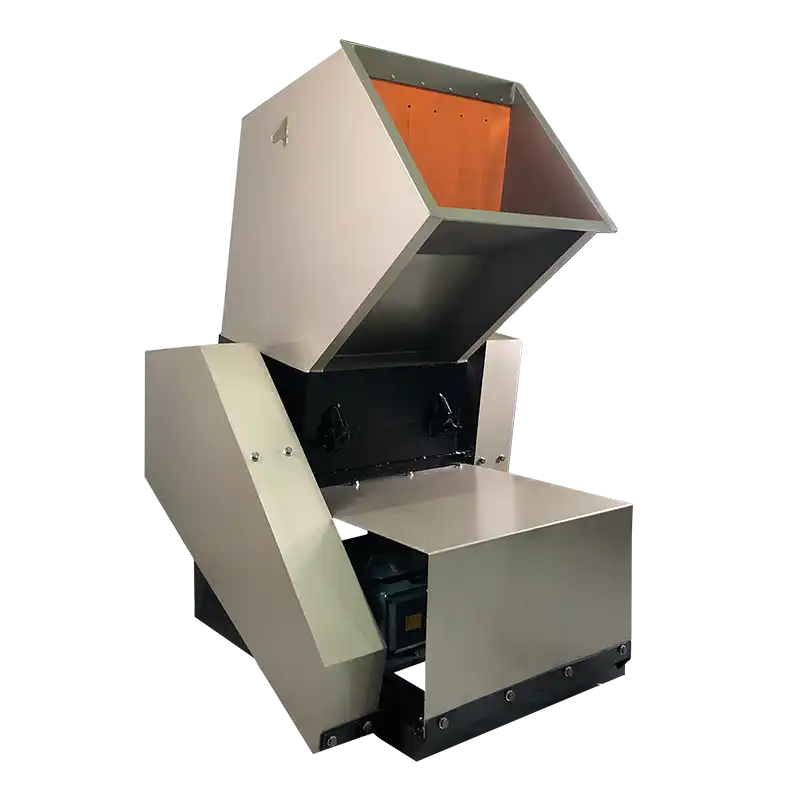
References
1. Johnson, M.R. & Associates. "Industrial Shredding Technology: Advances in Continuous Operation Systems." Manufacturing Engineering Quarterly, 2023.
2. Peterson, L.K. "Energy Efficiency in Industrial Waste Processing Equipment." Journal of Sustainable Manufacturing, Vol. 15, 2023.
3. Rodriguez, C.A. "Blade Metallurgy and Longevity in Heavy-Duty Shredding Applications." Industrial Equipment Review, 2024.
4. Thompson, D.W. "Maintenance Protocols for Continuous Operation Industrial Shredders." Plant Engineering Magazine, 2023.
5. Wilson, S.J. "Environmental Impact Assessment of Industrial Shredding Operations." Environmental Technology Journal, 2024.
6. Chen, H.L. "Comparative Analysis of Single-Shaft vs. Double-Shaft Shredder Performance." International Journal of Industrial Engineering, 2023.
Learn about our latest products and discounts through SMS or email