- English
- French
- German
- Portuguese
- Spanish
- Russian
- Japanese
- Korean
- Arabic
- Greek
- German
- Turkish
- Italian
- Danish
- Romanian
- Indonesian
- Czech
- Afrikaans
- Swedish
- Polish
- Basque
- Catalan
- Esperanto
- Hindi
- Lao
- Albanian
- Amharic
- Armenian
- Azerbaijani
- Belarusian
- Bengali
- Bosnian
- Bulgarian
- Cebuano
- Chichewa
- Corsican
- Croatian
- Dutch
- Estonian
- Filipino
- Finnish
- Frisian
- Galician
- Georgian
- Gujarati
- Haitian
- Hausa
- Hawaiian
- Hebrew
- Hmong
- Hungarian
- Icelandic
- Igbo
- Javanese
- Kannada
- Kazakh
- Khmer
- Kurdish
- Kyrgyz
- Latin
- Latvian
- Lithuanian
- Luxembou..
- Macedonian
- Malagasy
- Malay
- Malayalam
- Maltese
- Maori
- Marathi
- Mongolian
- Burmese
- Nepali
- Norwegian
- Pashto
- Persian
- Punjabi
- Serbian
- Sesotho
- Sinhala
- Slovak
- Slovenian
- Somali
- Samoan
- Scots Gaelic
- Shona
- Sindhi
- Sundanese
- Swahili
- Tajik
- Tamil
- Telugu
- Thai
- Ukrainian
- Urdu
- Uzbek
- Vietnamese
- Welsh
- Xhosa
- Yiddish
- Yoruba
- Zulu
Powerful pulverizer vs standard crusher: which is better?
When looking at industrial crushing equipment, the choice between a powerful pulverizer and a normal crusher has a big effect on how well it works and how much money it makes in the long run. Powerful pulverizers usually have a wider range of uses and can work with more materials. They can break down almost any non-metallic material, from plastics to medicines, into particles that can be any size between 2 and 50 mm. Standard crushers work great for large amounts of material, but different materials often need more than one machine. The best choice for you will depend on the types of materials you use, how you need to handle them, and the size of your business.
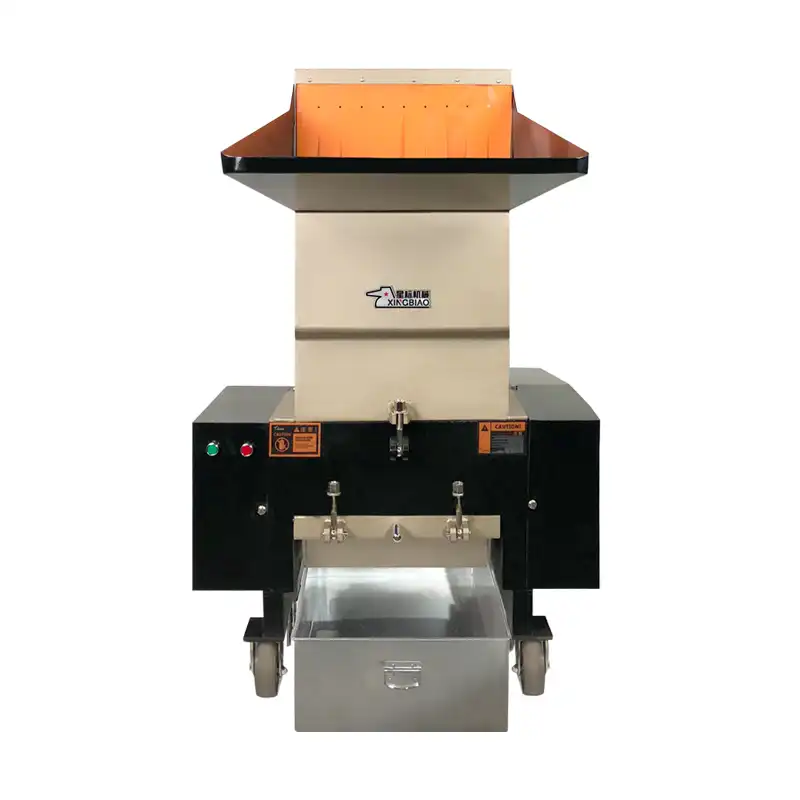
Understanding the Equipment — Powerful Pulverizer and Standard Crusher
Advanced Pulverizer Technology and Applications
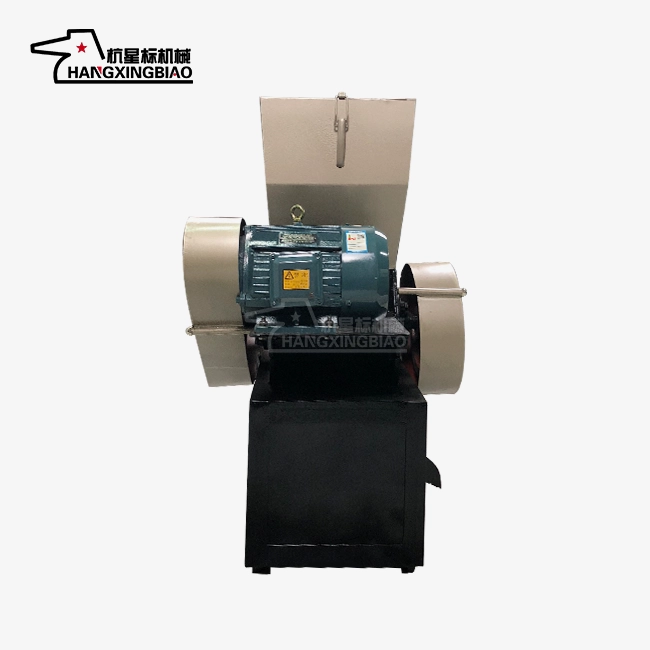
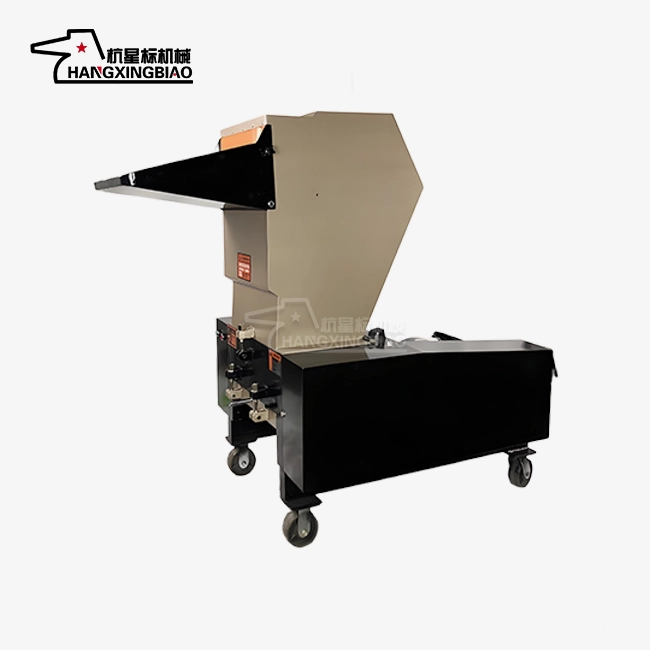
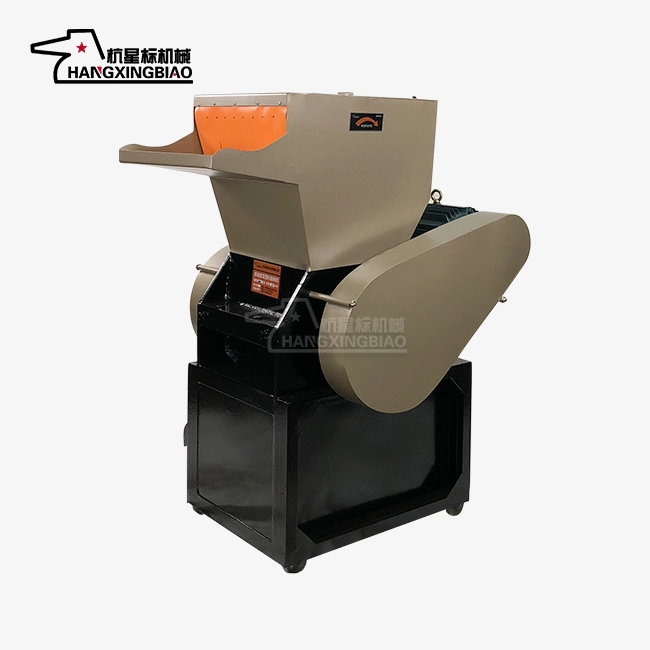
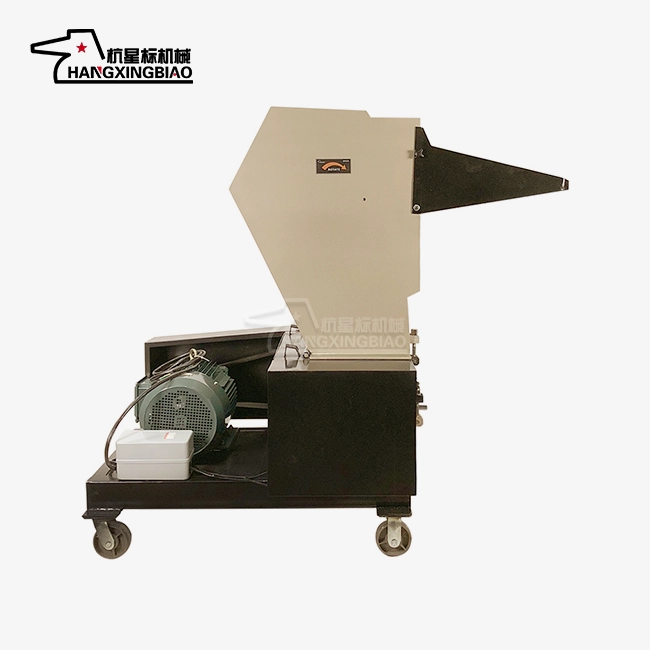
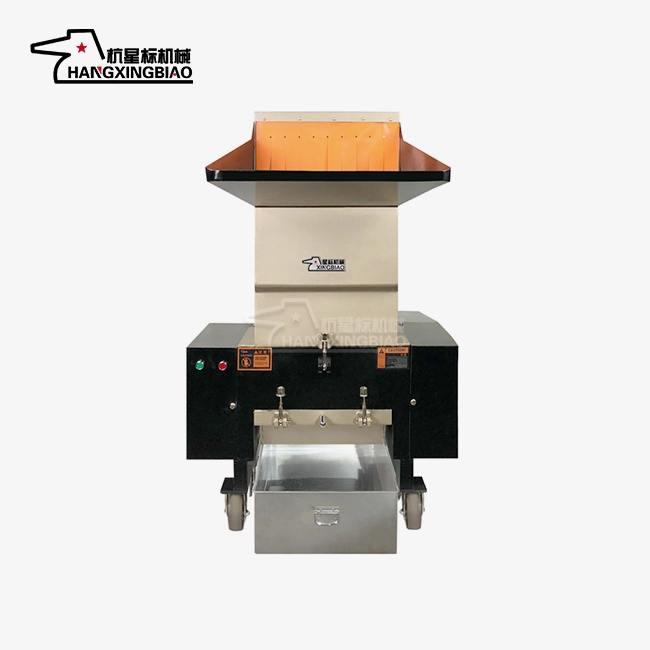
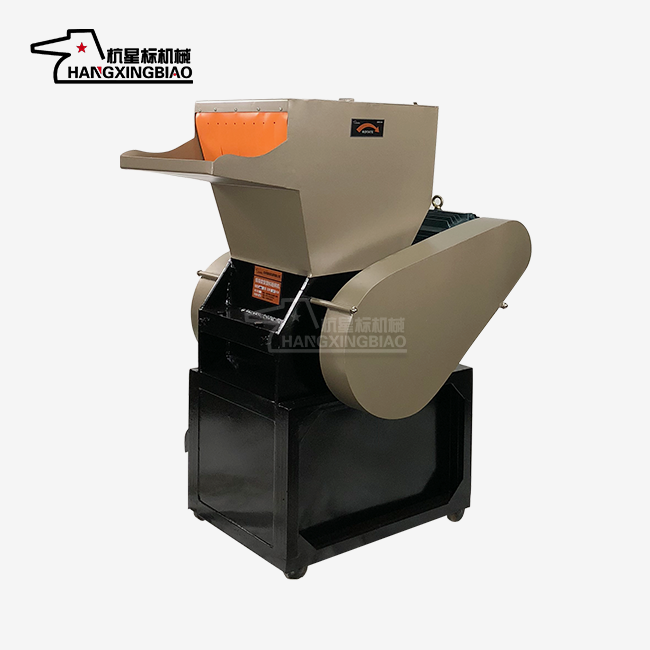
Pulverizers today are specialized tools made for fine and ultra-fine breaking tasks in many industries, such as chemical processing, mining, and the production of cement. These machines stand out because they can process a lot of materials at once, use energy more efficiently, and have strong parts that are designed to work with difficult materials. Modern crushing technology gets around the old problems of only being able to work with one type of material. It can now work well with almost all non-metallic materials, except for rocks and metals. This includes foam, plastics, rubber, wood, paper, cloth, medicines, grains, feeds, and different kinds of industrial trash. These tools can consistently crush blocks, flakes, fibers, and other odd shapes into stable coarse and medium-sized pieces. It can be used in a lot of different processing situations, such as cleaning for recycling, recovery of industrial scrap, processing feed, and preparation of pharmaceuticals. This flexibility means that you don't need as many specialized tools, which saves money on equipment and makes operations simpler.
Standard Crusher Characteristics and Limitations
Standard crushers, like jaw crushers, cone crushers, and impact crushers, are still widely used in the material and building industries because they are reliable for medium to large-scale crushing jobs. These tools work best in high-throughput situations with regular types of materials and known working conditions. Standard crushers, on the other hand, often need to be set up in certain ways for different materials, which limits their operating freedom. Material changes may mean that machines need to be adjusted or replaced completely, which can make operations more difficult and cause more downtime. Their design usually focuses on single-use applications instead of the ability to work with a variety of materials that current production processes need.
Performance and Efficiency Comparison
Processing Capacity and Throughput Analysis
When you compare performance measures, you can see that these types of equipment can handle data in very different ways. Advanced pulverizers work more efficiently than older ones. Small units can handle 50–500 kg/hour, and industrial models can handle 1–10 tons/hour while running 24 hours a day, seven days a week. The powerful pulverizer works 15-20% more efficiently than regular equipment, so it doesn't have the problems with material building up and getting stuck that happen with regular breakers. This better performance directly leads to more work getting done and fewer delays in operations. Processing efficiency changes a lot depending on the properties of the material. Pulverizers work the same way with different kinds of materials, but normal crushers might work less efficiently with materials that aren't within their ideal design limits.
Energy Consumption and Operational Costs
Energy efficiency is a very important thing to think about when choosing tools, especially for buildings that are always running. Compared to older crushing equipment, modern pulverizers use 10-15% less energy because they have more efficient motor designs and better transfer systems. The cost benefits are easy to see when you look at specific energy needs. Using modern pulverizer technology, only 8 to 12 kilowatts of power are needed to process one ton of plastic. Less energy use directly increases profits and lessens damage to the earth, which supports efforts to be more sustainable. Standard crushers usually use more energy per unit of material they break down, especially when they're working with materials that aren't in their best range of performance. This increased consumption compounds over time, significantly affecting operational budgets in high-volume settings.
Suitability for Industrial Use and Application Scenarios
Material Compatibility and Processing Requirements
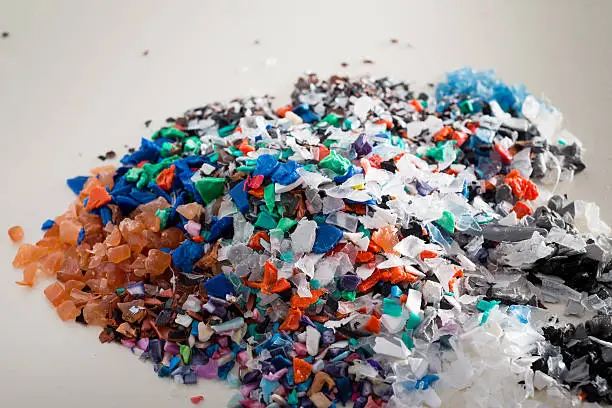
Choosing the right crushing tools relies a lot on the properties of the material and the working requirements. Modern pulverizers are great at breaking down a wide range of materials. They can handle soft films and woven bags as well as hard plastics, thick pipes, and odd-shaped cases without having to change any parts or make any changes to how they work. Controlling particle size is what sets advanced tools apart from more basic options. Pulverizers can make exact control by using screens that are changeable from 2 to 100 mm, tool speeds that can be changed, and different knife setups. They can make large particles (5-50 mm) or medium particles (2-12 mm) that are more than 90% uniform. This level of accuracy gets rid of the need for extra screening, which speeds up the working process. Standard crushers work best with certain types of materials, but may not be able to handle a wide range of materials or very specific size needs. This limitation makes operations less flexible and may need more processing steps to get the desired results that are wanted.
Scalability and Operational Flexibility
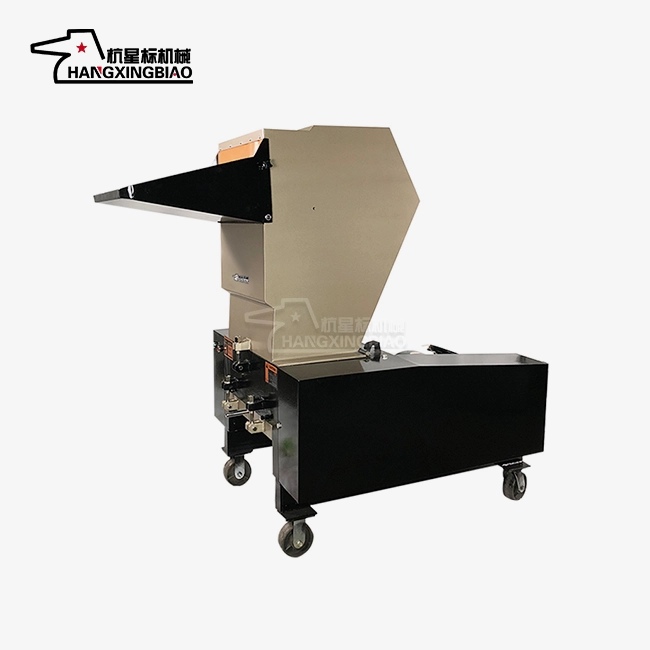
For industrial operations to run smoothly, their tools need to be able to change to meet changing material and output needs. Advanced pulverizers come in a variety of configurations, such as mobile units with universal wheels that can be moved around easily, fixed medium-sized models that can be integrated into a production line, and large systems that include granulators and conveyor systems. Coverage ranges from small-scale testing (50 kg/h) to large-scale recycling operations (10t/h), giving businesses the flexibility to grow as their needs do. This adaptability meets both current working needs and plans for future growth without the need to replace all the equipment.
Cost Considerations and Procurement Insights
Investment Analysis and Total Cost of Ownership
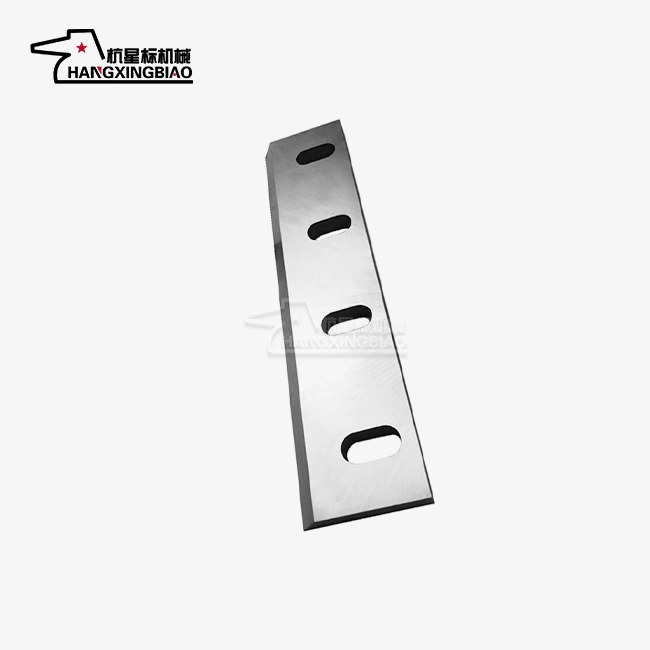
When purchasing, workers are looking at different types of crushing tools; they need to understand the full financial effects. Different types of tools have very different starting prices, but the total cost of ownership includes many things, such as how much energy it uses, how often it needs to be maintained, and how well it works. More advanced pulverizers are more cost-effective because they use less energy, have parts that last longer, and need less upkeep. Core parts made of SKD11, high-speed steel, and Cr12MoV materials can be used for 3,000 to 5,000 hours and can be resharpened three to five times, which makes them three to five times more useful and cuts replacement costs by sixty percent compared to normal steel options. The quick return on investment is clear from the benefits of reusing scrap. By crushing injection molding scraps, 30–50% more raw materials can be used. This is because treated materials are mixed with new inputs for direct recycling uses, which lowers annual costs by a large amount.
Financing and Procurement Strategies
Professionals in procurement should know about the different ways to pay for things, such as lease agreements, payment plans, and savings for buying in bulk. These options give businesses more freedom in how they run their businesses while still meeting their cash flow needs and capital allocation goals. Warranty terms and networks for after-sales help have a big effect on how much something costs altogether. Comprehensive support systems lower operating risks and make sure that equipment works the same way for as long as it is used.
Safety, Compliance, and Best Operational Practices
Safety Protocol Implementation
For tasks involving crushing tools, complete security systems are required by industrial safety standards. Modern designs for powerful pulverizers include safety features like thick steel chambers, anti-rebound baffles, external shields, and interlock systems that turn off the power automatically when safety barriers open. This keeps people from getting hurt by mistake. Training programs for workers and operating rules make sure that equipment is used safely and efficiently. Proper training lowers the chance of accidents and raises the general speed of operations by making the best use of all tools. Legal compliance and lower operational risks are both ensured by regulatory compliance in key areas, such as European and American norms. Compliance documentation backs up working decisions and makes sure that insurance coverage standards are met.
Maintenance and Reliability Optimization
Preventive repair plans make tools last longer and cut down on unplanned downtime. Modern equipment designs make it easier to do repairs by using easy layouts that cut the time needed for service by about half. Quickly cleaning cavities, changing colors, and having maintenance spots that can be seen allow for daily checks and greasing without having to take the whole machine apart. These features keep performance at its best while minimizing working interruptions. Precision bearings and drive systems with strengthened gears are more reliable than other types of parts. Dynamic balance testing with measures of vibration amplitudes below 0.1 mm makes sure that the machine works smoothly, and compared to normal crushing models, it has a 40% lower failure rate.
Making the Right Choice — Which Is Better?
Decision Framework and Selection Criteria
To choose the best tools, you need to make sure that the technical skills match the needs of the operation, the requirements of the materials, and your budget. There are a number of important factors that buying professionals must carefully consider when deciding between powerful pulverizers and standard crushers. Material variety is the main factor used for selection. The flexibility of pulverizers is very helpful for businesses that deal with a lot of different types of materials. On the other hand, normal crushers may be enough for businesses that deal with steady streams of materials. Processing output needs, particle size needs, and operating freedom needs are some of the other things that help narrow down the choices of equipment. The cost-benefit analysis looks at more than just the original purchase price. It also looks at things like operating efficiency, the need for upkeep, and the long-term effects on output. Advanced pulverizers usually make up for higher starting costs by being more efficient and having lower ongoing costs.
Real-World Performance Validation
Experience in the industry shows that powerful pulverizer technology improves performance in a wide range of situations. When compared to standard crushing methods, manufacturing facilities say that this method improves material utilization rates, cuts down on working times, and makes operations more flexible. Multi-material processing is especially helpful for recycling operations because it eliminates the need to change tools between types of materials and makes operations simpler. These perks directly lead to higher levels of business efficiency and profit.
Conclusion
When powerful pulverizers are compared to regular crushers, it's clear that advanced pulverizer technology is better for most industry uses. Modern pulverizers are the best choice for companies that want the best breaking options because they work with more materials, use less energy, and can be used in a variety of ways. Standard crushers are still useful for certain single-material tasks, but advanced pulverizers are usually better for all of your industrial breaking needs because they are more flexible and work better.
FAQ
What materials can a powerful pulverizer process effectively?
Modern pulverizers can break down almost any non-metallic object, such as plastics, rubber, wood, paper, cloth, foam, pharmaceuticals, grains, and different kinds of industrial waste. The machinery works consistently with a range of shapes, such as blocks, flakes, threads, and odd ones.
How does energy consumption compare between equipment types?
Modern powerful pulverizer technology uses 8–12 kilowatts of energy per ton of treated plastic, which is 10–15 percent less than traditional breaking equipment. This edge in efficiency has a big effect on running costs in high-volume settings.
What particle sizes can be achieved with different equipment?
Pulverizers can precisely control particle sizes from 2 mm to 50 mm by using screens and operating settings that can be changed. They can achieve over 90% uniformity without the need for extra screening. Standard crushers usually don't let you control the size as precisely, and they may need more working steps.
Contact Xingbiao for Expert Crushing Solutions
Xingbiao Machinery has 30 years of experience in plastic crushing technology and can offer you a wide range of powerful pulverizer options that are designed to meet your unique needs. Our engineering team offers professional advice to help you choose the best equipment setups that will increase output while lowering costs. As a reliable company that makes powerful pulverizers, we offer full support, from the initial meeting to installation, training, and ongoing maintenance. Get in touch with our experts at postmaster@xingbiaocrusher.com to talk about your crushing needs and find out how our advanced grinding technology can help you become more profitable and efficient.

References
1. Industrial Crushing Equipment Performance Analysis and Selection Criteria for Modern Manufacturing Applications, Journal of Industrial Engineering, 2024.
2. Comparative Study of Energy Efficiency in Pulverizing vs. Standard Crushing Technology for Plastic Recycling Operations, Materials Processing Review, 2024.
3. Cost-Benefit Analysis of Multi-Material Crushing Equipment in Manufacturing and Recycling Industries, Industrial Equipment Quarterly, 2023.
4. Safety Standards and Best Practices for Industrial Crushing Equipment Operation and Maintenance, Occupational Safety Engineering, 2024.
5. Advanced Material Processing Technologies: Pulverizer Design Innovation and Performance Optimization, Manufacturing Technology Today, 2024.
6. Economic Impact Assessment of Crushing Equipment Selection on Industrial Processing Operations, Business Process Optimization Review, 2023.
Learn about our latest products and discounts through SMS or email