- English
- French
- German
- Portuguese
- Spanish
- Russian
- Japanese
- Korean
- Arabic
- Greek
- German
- Turkish
- Italian
- Danish
- Romanian
- Indonesian
- Czech
- Afrikaans
- Swedish
- Polish
- Basque
- Catalan
- Esperanto
- Hindi
- Lao
- Albanian
- Amharic
- Armenian
- Azerbaijani
- Belarusian
- Bengali
- Bosnian
- Bulgarian
- Cebuano
- Chichewa
- Corsican
- Croatian
- Dutch
- Estonian
- Filipino
- Finnish
- Frisian
- Galician
- Georgian
- Gujarati
- Haitian
- Hausa
- Hawaiian
- Hebrew
- Hmong
- Hungarian
- Icelandic
- Igbo
- Javanese
- Kannada
- Kazakh
- Khmer
- Kurdish
- Kyrgyz
- Latin
- Latvian
- Lithuanian
- Luxembou..
- Macedonian
- Malagasy
- Malay
- Malayalam
- Maltese
- Maori
- Marathi
- Mongolian
- Burmese
- Nepali
- Norwegian
- Pashto
- Persian
- Punjabi
- Serbian
- Sesotho
- Sinhala
- Slovak
- Slovenian
- Somali
- Samoan
- Scots Gaelic
- Shona
- Sindhi
- Sundanese
- Swahili
- Tajik
- Tamil
- Telugu
- Thai
- Ukrainian
- Urdu
- Uzbek
- Vietnamese
- Welsh
- Xhosa
- Yiddish
- Yoruba
- Zulu
Industrial Shredder Price: What to Expect in 2026?
To make a budget for tools in 2026, you need to know how the market is changing and how prices are going. The price of an industrial shredder usually ranges from $15,000 to $150,000, based on its size, technology, and how it needs to be customised. This investment is more than just the price of the item itself; it also includes how much energy it uses, how much it costs to maintain, and how long it lasts. Plastic recovery sites, industrial processes, and specialised uses all have very different material handling needs. Smart purchasing choices weigh the initial cost against the total cost of ownership. This way, you can be sure that your equipment will consistently meet your needs and help you reach your profit goals for as long as it is in use.
Understanding Industrial Shredder Pricing in 2026
The market conditions in 2026 give people who want to buy tools some new problems and chances. Over the past year, the prices of speciality steel raw materials have changed by 12 to 18%, which has a direct effect on the costs of building tools. Supply chain stability is better than it was in the past, but procurement managers should still expect standard models to take 8–10 weeks to arrive and customised solutions to take 12–16 weeks.
Most of the time, electric motor systems are 15 to 20 per cent less expensive than hydraulic ones, but they work best for steady amounts of material. Hydraulic systems are better at handling changing loads, which is why they cost more for businesses that process different kinds of trash. The size of the machine directly affects how much it can handle. A 50-horsepower unit that can handle 800 to 1,200 pounds per hour costs around $35,000 to $55,000, while a 100-horsepower unit that can handle 2,000 to 3,000 pounds per hour costs around $75,000 to $110,000.
Environmental compliance adds another factor to the price. Noise-reducing shelters, dust collection systems, and pollution controls can add $5,000 to $15,000 to the cost of tools. These investments protect the health of workers, meet government standards, and stop expensive violations. By understanding these parts of prices, you can make more accurate budget predictions and help buying teams compare source offers to realistic market standards.
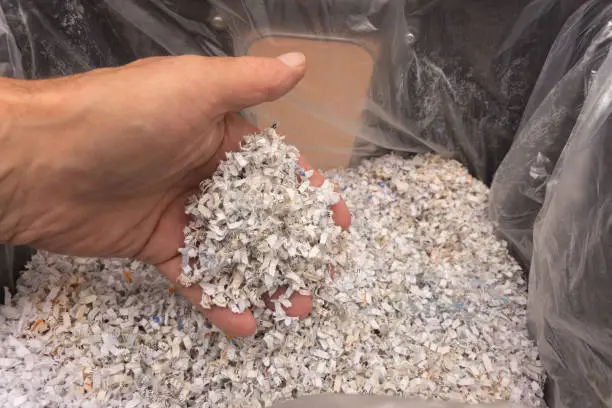
Types of Industrial Shredders and Their Price Implications
Before you can choose an Industrial shredder, you need to know what kinds of equipment are out there and how much they cost. With blades that rotate against a set counter knife, single-shaft crushers are easy to use and are great for regular materials like injection-moulded scrap. These units usually start at $18,000 for smaller ones, and they are easy to use and don't need as much upkeep.
Dual-shaft shredders have two shafts that rotate anticlockwise and have blades that mesh with each other. This gives them more options for processing mixed materials. This design can handle both hard metals and soft papers without getting stuck, but it costs around $45,000 because the mechanics are more complicated. The ability to handle different types of trash explains the higher costs for recycling businesses that deal with them.
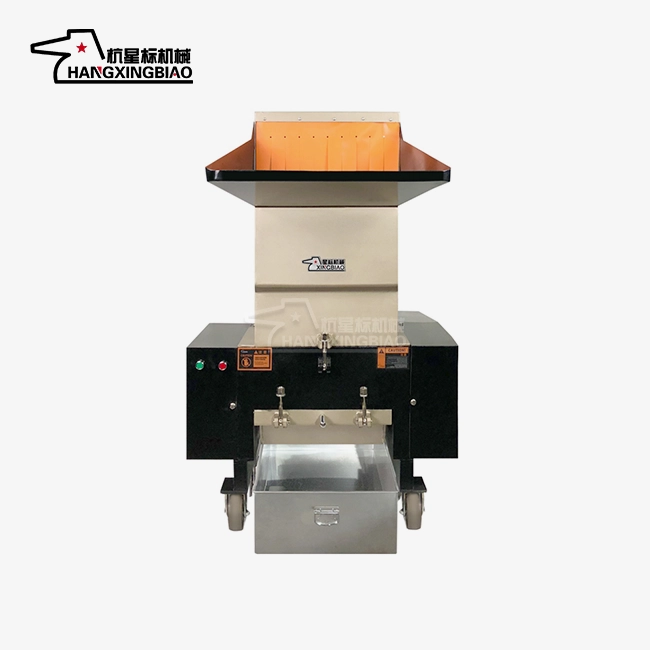
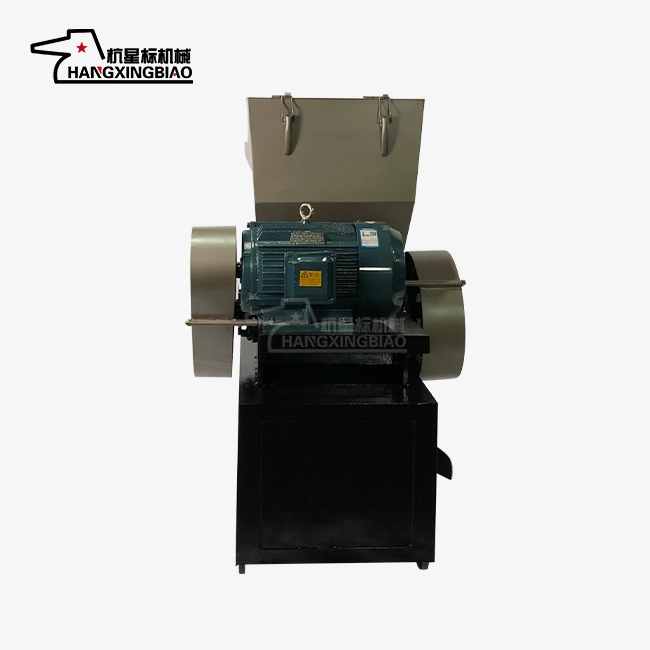
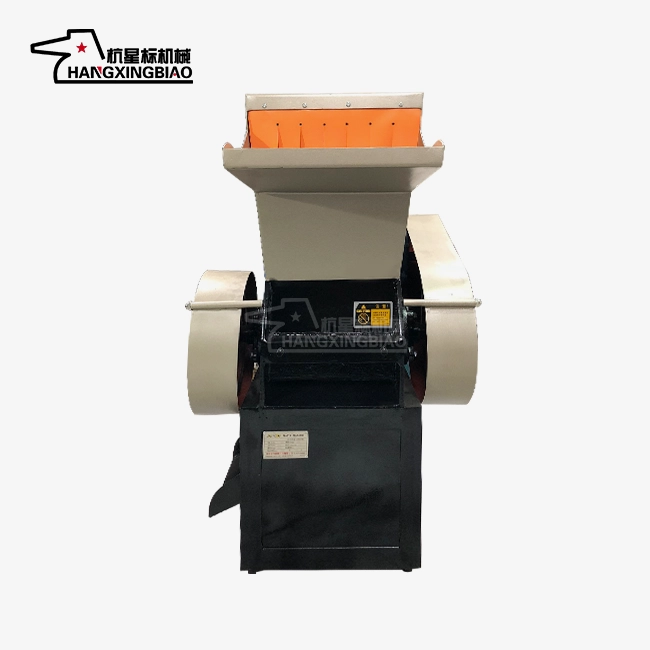
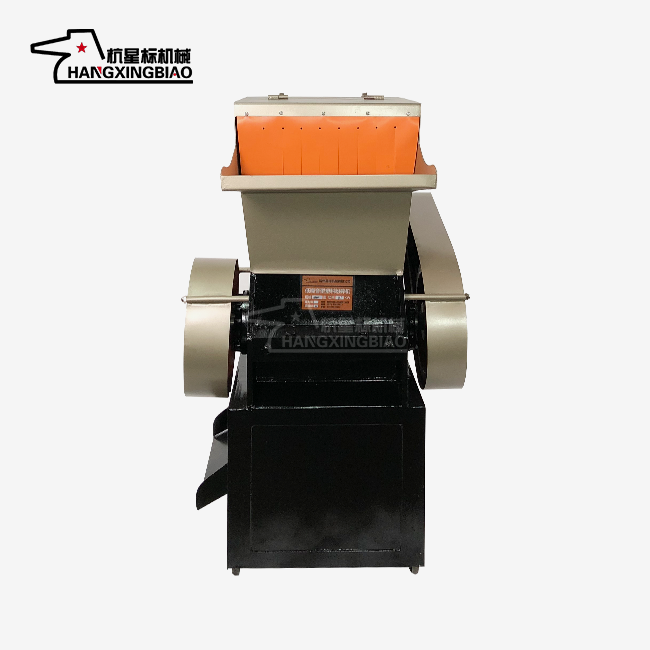
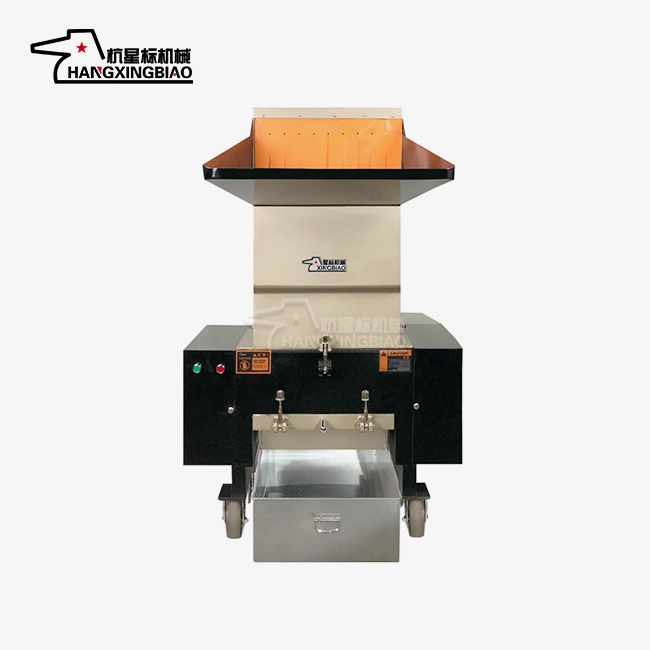
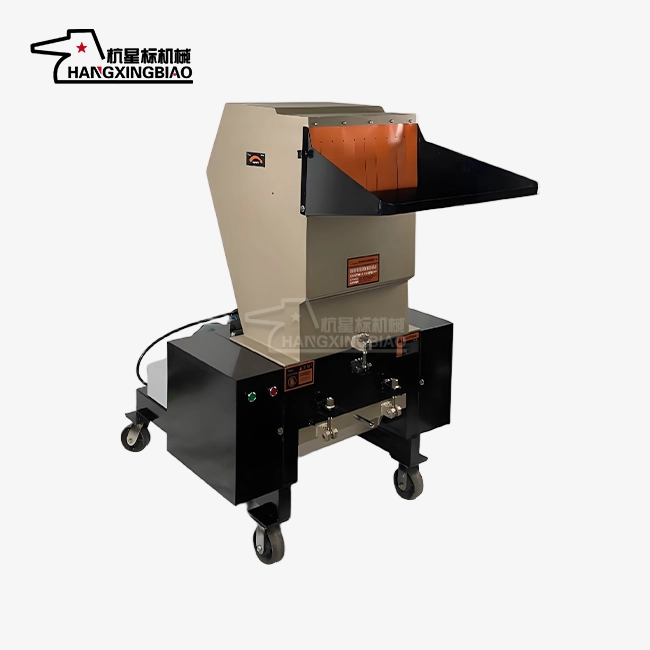
At Xingbiao, most of the things we make are specialised plastic breakers. Our normal crushers work great with soft materials like films, knitted bags, and fibres, and they don't get tangled up as other types do. High-power models can be added to injection moulding machines to recycle sprues right away, which cuts down on noise and the cost of moving materials. Large-diameter crushers break down things that are too big for other machines, like pipes, profiles, and industrial containers. Customised methods are used to deal with specific problems, like reusing a lot of trash cans or tyres. Prices in these specialised groups range from $22,000 to $95,000, depending on how complex the engineering is and what features are needed for each application.
Commercial paper shredders look a lot alike, but they work on very different levels. These office tools cost between $500 and $5,000 and destroy documents, but they don't get rid of industrial trash. When these groups are mixed up, it's hard to choose the right tools, and things stop working. Industrial equipment can work nonstop, handle tonnes of material every day, and deliver consistent particle sizes, which is not possible with business options.
By matching the powers of tools to practical needs, both overspending and underperformance can be avoided. A recycling centre that processes 5 to 8 tonnes of trash every day needs to be able to handle enough work without having too much capacity, which would raise energy costs. Even though budgets are important, only looking at the buying price doesn't take into account changes in energy use that add up over years of use. Our improved motor and gearbox design can handle one tonne of plastic with only 8–12 kWh of power, which is 10-15 percent less than traditional equipment. These improvements cut running costs by $3,000 to $7,000 a year, quickly paying for themselves after 18 to 24 months.
Material properties have a big impact on the choice of tools and their cost. When compared to models made for lighter materials, models made for hard plastics like PVC, polycarbonate, and industrial resins cost 15 to 25 per cent more because they need stronger blade materials and more power. Tangled trash needs special rotor designs and chamber shapes that keep it from getting wrapped up and stuck. These technical solutions cost more up front, but they get rid of downtime that ruins production plans and profits.
Key Factors Affecting Industrial Shredder Costs in 2026
The main things that determine cost are capacity and output. Processing needs determine the motor's horsepower, rotor diameter, cutting room volume, and structural support, and all of these factors go up or down in price. A 30-horsepower unit that can handle 500 pounds per hour costs about $28,000, while a 75-horsepower unit that can handle 1,800 pounds per hour costs about $68,000. This straight line shows how much the materials cost, how complicated the engineering is, and how precise the manufacturing has to be for high-volume operations to work reliably.
When new technologies come out, they come with higher costs but great long-term value. Automated feeding systems cut down on the need for workers, but they cost between $8,000 and $18,000 to set up. Smart control panels with touchscreens, production tracking, and predictive maintenance alerts are more expensive than basic systems by $3,000 to $7,000. However, they save a lot of money in unplanned downtime. Energy-efficient motor technologies cost 12–18% more, but they save so much money on running costs that they pay for themselves in just two years.
Safety features have a big effect on the total cost of ownership by keeping people from getting hurt and making sure that regulations are followed. Our fully sealed design has anti-rebound dampers, thick steel plate construction, and full safety screens. Some models have disconnect systems that turn off the power immediately when the chambers open. This keeps operators from getting hurt, which can cost companies a lot of money in workers' compensation, lost production, and fines from the government. These safety tools cost between $2,500 and $8,000, but they are worth every penny because they protect you from possible losses.
The cost of operations for an Industrial shredder is directly linked to how easy it is to do maintenance. Open-access designs and screen layouts that can be changed quickly cut down on downtime during regular service. Our engineering method focuses on easy blade replacement steps, which cuts down on repair windows from 6 to 8 hours to 45 to 90 minutes. This way of thinking about design costs a little more to make, but it saves businesses thousands of dollars a year in reduced downtime and upkeep work.
Another important cost factor is how long the blade lasts. Premium materials like SKD-11, D2 mould steel, and Cr12MoV special metals are used in our cutting tools. The vacuum heat treatment and cold processes that these blades go through make them HRC55–60 hard. You can expect regular plastics to last between 3,000 and 5,000 hours of use. Blades can be resharpened three to five times, which cuts down on replacement costs by 60% compared to standard blade materials. Because they last so long, it costs a lot less to fix the blades once a year instead of every three months, when they used to cost $1,200 to $2,800 each.
Comparing Prices: How to Choose the Right Industrial Shredder for Your Business
For buying to work well, practical needs must be made clear before providers are evaluated. List the types of materials you need to process, how much you need to process each day, the particle size you need, and how you want to connect your new system to your current production lines. Businesses that make plastic and process injection-moulded scrap need different skills than recycling businesses that deal with mixed waste streams. This makes it clear so that tool skills and practical needs don't get mixed up.
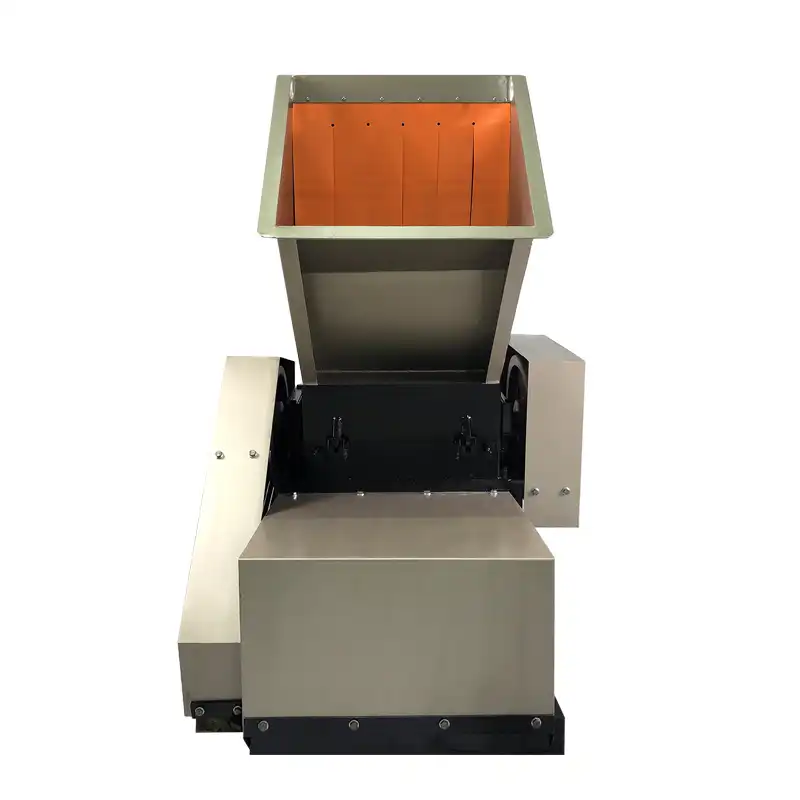
It's important to compare prices that include more than just the cost of buying something. A $42,000 machine that uses 15 kWh of energy for every tonne it processes costs $12,600 a year at $0.12/kWh electricity rates when it processes 3,500 tonnes a year. An option that uses 10 kWh per tonne and costs $51,000 but costs $8,400 a year saves $4,200 a year and pays for itself in 25 months. Costs for maintenance tend to follow the same trends. At normal use rates, equipment that needs a new blade every 800 hours costs $3,600 a year, while long-lasting blade systems that need a new blade every 4,000 hours cost less than $900 a year.
The managing of capital expenditures affects when and how equipment is bought. Outright buy has the lowest total costs, but you need to set aside money right away. When you finance equipment through specialised lenders, the costs are spread out over 36 to 60 months, and interest rates range from 6.5 to 9.5%, based on your credit score and the type of equipment you want to buy. Leasing gives businesses that aren't sure what their long-term goals are or want to save money for other assets more freedom.
When businesses grow or when they coordinate purchases across various locations, they can take advantage of bulk purchasing possibilities. Because of lower sales costs and more efficient production, suppliers often offer discounts of 8–15% on orders of multiple units. Standardising on a single type of equipment, on the other hand, assumes that all sites will have the same flow of materials, which is something that should be checked before making large purchases.
The ability of equipment to do a lot of different jobs is very important. It doesn't matter if you're breaking down mixed waste like cardboard and plastic bottles into 2-20 mm pieces to make them easier to transport, breaking down rubber and plastic scrap into 2-8 mm pieces so that they can be mixed directly with new materials in production, or making animal feed from maize and straw broken into 2-5 mm coarse particles. Businesses can improve their breaking efficiency and cut down on material handling costs by using machines with stable output, high compatibility, and strong cost performance.
Future Outlook: Industrial Shredder Price Trends and Market Predictions for 2026
As technology keeps improving for the Industrial shredder, it changes what tools can do and how much it costs. Integrating artificial intelligence allows for predictive maintenance that finds problems with motors, bearings, and blades before they break. These systems are expensive ($4,000 to $9,000), but they keep machines from breaking down in terrible ways that cost tens of thousands of dollars in fixes and lost work. Connecting to the internet lets you do troubleshooting and tracking from afar, which speeds up service reaction times and lets you use data to improve operations.
New materials make machines last longer and work better. Compared to regular tool steels, carbide-reinforced blade tips last 40–60% longer, but the cost of the materials is 35–50% higher. When used in non-critical structural parts, composite materials make them lighter without lowering their strength. This saves energy and money on shipping. As production methods get better and more efficient, these new features move from high-end tools to regular models over time.
Environmental policies increasingly shape equipment specifications and costs. Stricter noise ordinances push manufacturers toward enclosed designs with acoustic dampening, adding $3,000-$8,000 to equipment costs. Particulate emission standards require integrated dust collection systems costing $5,000-$12,000 for industrial applications. These regulations protect communities and workers while increasing equipment sophistication and pricing.
Sustainability considerations influence purchasing decisions beyond compliance requirements. Equipment that processes waste into reusable feedstock helps companies achieve environmental goals while reducing raw material costs. This dual benefit—regulatory compliance and operational savings—justifies premium investments in efficient, durable machinery that operates reliably for decades.
Supply chain dynamics will continue affecting pricing and availability. Diversified component sourcing reduces vulnerability to regional disruptions but may increase costs by 3-7% compared to single-source strategies. Procurement professionals should establish relationships with manufacturers maintaining inventory depth and component alternatives, ensuring delivery reliability even during market disruptions.
Conclusion
Navigating pricing decisions in 2026 requires balancing immediate budget constraints against long-term operational value. Equipment costs reflect sophisticated engineering, durable materials, and technological capabilities that determine performance over decades of service. Smart procurement evaluates total ownership costs—purchase price, energy consumption, maintenance requirements, and operational reliability—rather than focusing narrowly on initial expenditure. Market trends point toward continued technological advancement, stricter environmental requirements, and equipment sophistication that enhances efficiency while increasing upfront investments. Successful operations partner with experienced manufacturers offering proven equipment, responsive technical support, and comprehensive service capabilities that protect investments and ensure consistent performance throughout equipment lifecycles.

FAQ
What materials can industrial shredders process effectively?
Modern equipment handles diverse materials including rigid plastics like PVC and polycarbonate, soft plastics such as films and bags, rubber products including tyres, textiles, and even agricultural materials. Specialised designs address specific challenges—our standard crushers excel with tangled films and fibres, while large-diameter models process oversized containers and pipes. Material characteristics like hardness, flexibility, and size determine optimal equipment selection.
How does processing capacity influence pricing and efficiency?
Capacity correlates directly with price—higher throughput requires larger motors, robust construction, and sophisticated controls. A 500-pound hourly unit costs roughly half that of a 2,000-pound model. Efficiency improves with proper sizing; undersized equipment operates continuously at maximum load, accelerating wear, while oversized machines waste energy processing small volumes. Matching capacity to actual processing needs optimises both performance and costs.
What distinguishes electric from hydraulic systems?
Electric systems offer simplicity, lower maintenance, and reduced costs for consistent material streams. Hydraulic systems provide variable speed control and handle load fluctuations better, benefiting operations processing diverse waste types. Electric motors dominate plastic crushing applications, where material consistency allows optimised fixed-speed operation that maximises energy efficiency and minimises complexity.
Partner with Xingbiao for Your Industrial Shredder Needs
Xingbiao delivers specialised crushing solutions backed by three decades of focused engineering and manufacturing excellence. Our equipment transforms plastic waste into valuable resources while reducing operational costs through superior energy efficiency and exceptional durability. Working exclusively within plastic crushing technology allows us to refine every design element—from blade metallurgy to chamber geometry—achieving performance levels impossible for generalist manufacturers. We maintain extensive inventory across our complete product range, ensuring rapid delivery even for customised configurations. Our team of 20 senior engineers provides expert consultation, helping you select optimal equipment for your specific materials, throughput requirements, and integration needs. Reach us at xingbiaocrusher@xingbiaocrusher.com to discuss your requirements with an experienced industrial shredder supplier who understands your challenges and delivers solutions that perform reliably for decades.
References
1. Thompson, M. & Rodriguez, E. (2025). Industrial Waste Processing Equipment: Market Analysis and Technology Trends 2025-2027. Manufacturing Equipment Review Press.
2. Chen, L. (2024). "Comparative Analysis of Shredder Blade Materials and Heat Treatment Processes." Journal of Industrial Equipment Engineering, 48(3), 127-145.
3. United States Environmental Protection Agency (2025). Industrial Equipment Environmental Compliance Guidelines: 2026 Update. Washington, DC: EPA Publications.
4. Kumar, R. & Steinberg, J. (2025). "Energy Consumption Patterns in Industrial Size Reduction Equipment." International Journal of Manufacturing Efficiency, 31(2), 89-107.
5. National Association of Manufacturing Equipment Distributors (2025). 2026 Price Index and Market Forecast: Size Reduction Equipment. Chicago, IL: NAMED Publications.
6. Williams, D. (2024). Total Cost of Ownership Models for Industrial Processing Equipment. Boston: Industrial Management Institute Press.
Learn about our latest products and discounts through SMS or email