- English
- French
- German
- Portuguese
- Spanish
- Russian
- Japanese
- Korean
- Arabic
- Greek
- German
- Turkish
- Italian
- Danish
- Romanian
- Indonesian
- Czech
- Afrikaans
- Swedish
- Polish
- Basque
- Catalan
- Esperanto
- Hindi
- Lao
- Albanian
- Amharic
- Armenian
- Azerbaijani
- Belarusian
- Bengali
- Bosnian
- Bulgarian
- Cebuano
- Chichewa
- Corsican
- Croatian
- Dutch
- Estonian
- Filipino
- Finnish
- Frisian
- Galician
- Georgian
- Gujarati
- Haitian
- Hausa
- Hawaiian
- Hebrew
- Hmong
- Hungarian
- Icelandic
- Igbo
- Javanese
- Kannada
- Kazakh
- Khmer
- Kurdish
- Kyrgyz
- Latin
- Latvian
- Lithuanian
- Luxembou..
- Macedonian
- Malagasy
- Malay
- Malayalam
- Maltese
- Maori
- Marathi
- Mongolian
- Burmese
- Nepali
- Norwegian
- Pashto
- Persian
- Punjabi
- Serbian
- Sesotho
- Sinhala
- Slovak
- Slovenian
- Somali
- Samoan
- Scots Gaelic
- Shona
- Sindhi
- Sundanese
- Swahili
- Tajik
- Tamil
- Telugu
- Thai
- Ukrainian
- Urdu
- Uzbek
- Vietnamese
- Welsh
- Xhosa
- Yiddish
- Yoruba
- Zulu
Need a Powerful Crusher Machine for Heavy Materials?
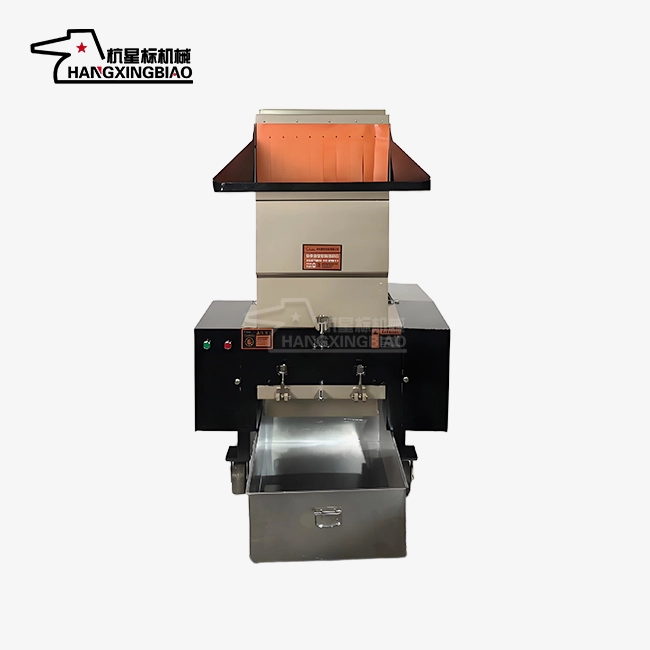
If you're in charge of a plastics factory or a recycling center, you know how hard it is to move big things around quickly. Handling trash can be a costly hassle, but ac made for commercial use can turn it into a profit center. Our high-tech breaking equipment can handle processing capacities ranging from 50 kg/h for small workshops to 2000 kg/h for big industrial plants. It can work nonstop for 24 hours a day without losing its effectiveness. Whether you're crushing injection-moulded scrap, big plastic parts, or tangled film waste, the right crushing option will have a direct effect on your bottom line by lowering the cost of materials and making your operations run more smoothly.
Understanding Powerful Crusher Machines: How They Work and Their Core Components
Industrial crushing equipment operates on precision engineering principles that separate high-performance models from basic alternatives. The foundation of any reliable crushing system begins with its structural integrity and component quality.
Robust Steel Construction and Stress Management
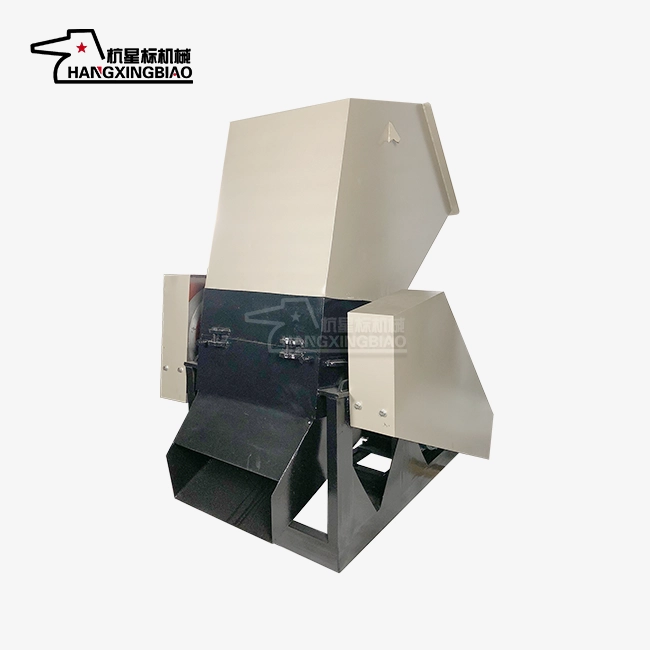
The machine body is made of high-strength steel plates that are joined together using advanced welding methods. The plates are then treated with a stress-relieved material that keeps them from bending during long operation cycles. This way of building makes sure that the dimensions stay stable even when working with rough materials under constant load. The stronger frame absorbs vibrations and spreads impact forces evenly across the structure. This makes the tools last longer while keeping the accuracy of the breaking.
Advanced Blade Technology and Material Selection
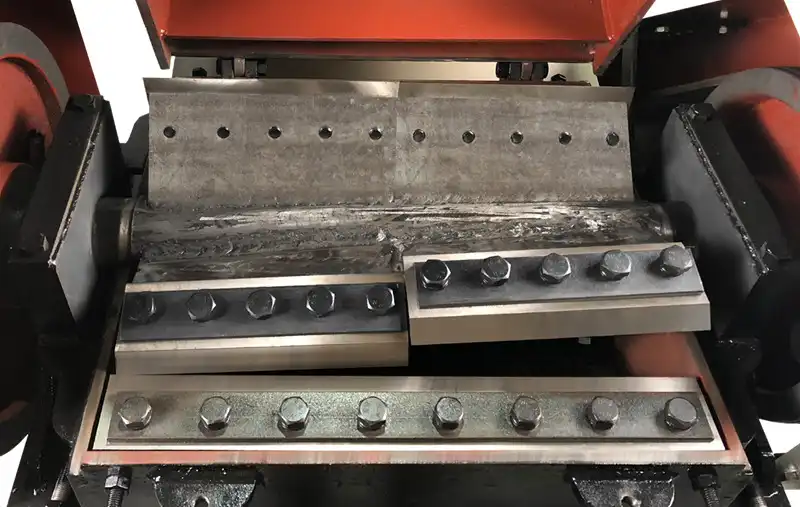
Cutting factors are the most important part of breaking ability. Blades made of SKD-11 or D2 mould steel are used in high-end tools. These blades are vacuum-heated and then frozen very cold, which makes them very hard (58 to 62 HRC). This unique metalworking process makes the cutting edges last longer and sharper than with regular tool steels, even after thousands of hours of use. The shape of the blade has optimal cutting angles that better contact the material, using less energy while increasing output by more than 20% compared to traditional designs.
High-Torque Motor Systems and Power Transmission
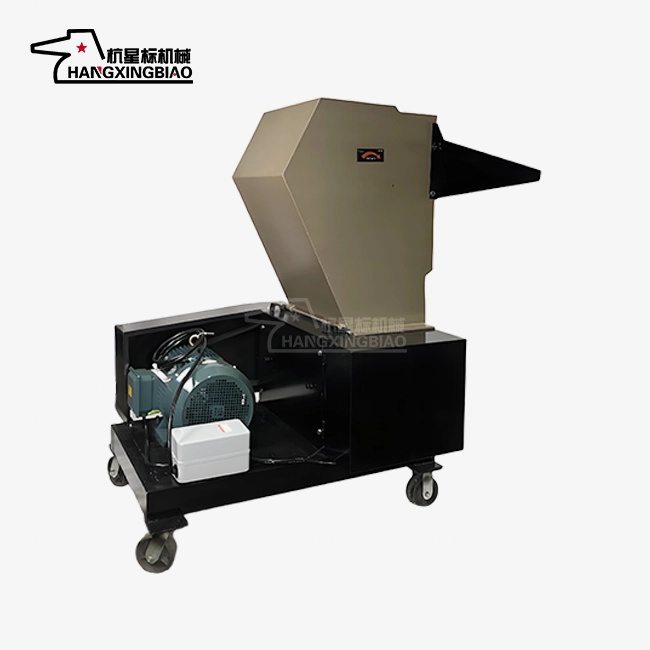
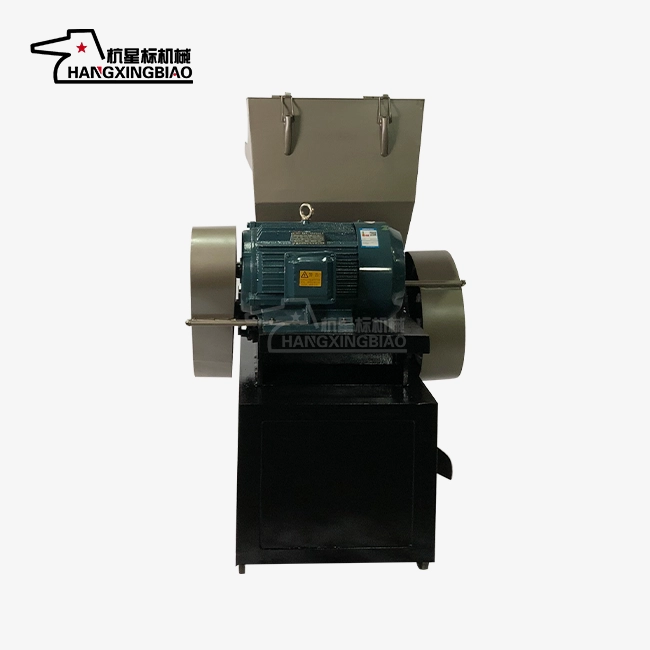
The type of motor you choose affects both how much you can process and how much energy you use. Industrial crushers have motors that are perfectly matched to the size of the chamber and the shape of the blades. This makes sure that the power stays the same even when the load changes. The improved gearbox system turns electrical input into mechanical braking force with very little energy waste. It only needs 8–12 kWh per tonne of treated plastic. This economy directly leads to lower running costs over the life of the machine.
Intelligent Safety and Protection Features
Modern breaking equipment has many safety features that keep both the workers and the machines safe. Built-in overload safety systems watch the motor current and turn off the machine immediately if hard particles like metal pieces get into the crushing chamber. This stops the blades from being severely damaged. Anti-rebound dividers and external screens keep things inside the processing zone, and when the entry doors open, locking mechanisms stop the machine right away. These features make sure that OSHA rules are followed and greatly lower the risk of accidents at work.
Powerful Crusher Machines vs Standard Crushers: Making the Right Choice
Selecting appropriate crushing equipment requires understanding the performance gap between industrial-grade and entry-level alternatives. The decision impacts not just initial investment but long-term operational costs and production capabilities.
Processing Capacity and Material Handling Capabilities
Standard crushers for a Powerful Crusher Machine can handle between 50 and 300 kg/h, which makes them good for small shops with small amounts of trash. Industrial-grade machines can handle garbage loads of 500 to 2000 kg/h, which is enough for middle to large industrial sites. When crushing has to keep up with main output lines, this difference in capacity becomes very important. A large crusher gets rid of the problems that cause production to slow down or the need for several smaller units, which take up more room and make upkeep more difficult.
Energy Efficiency and Operating Cost Analysis
Powerful breakers cost more up front, but their energy-efficient designs save money in the long run. One tonne of plastic garbage can be processed with 10-15% less electricity than with older crusher models. This saves a lot of money over time. Also, better blade materials keep their cutting ability for longer, which means they don't need to be sharpened as often and don't need to be replaced as often. When you add up the total cost of ownership over a normal 10-year service life, buying one industrial crusher is often cheaper than buying several cheap ones.
Material Versatility and Specialized Applications
When reusing plastic, different types of materials need different ways to be crushed. When fixed blade arrays are used for impact-style breaking, rigid plastics like injection-moulded parts and pipe sections work well. Stretch films and braided bags are examples of soft, tangled materials that need special blade designs to keep them from wrapping and jamming. Leading makers offer customized crusher designs that solve specific material problems and ensure consistent particle size output even when inputs change.
Ultimately, the decision between normal and strong grinding tools comes down to how much you need to produce, the properties of the material, and your quality standards. Industrial-grade machines are much better for places that process a lot of tonnes every day, while normal types may be fine for smaller businesses. Planning for growth, on the other hand, often makes sense to buy bigger machines that can handle more production without having to be replaced soon.
Key Procurement Considerations for Buying a Powerful Crusher Machine
Purchasing industrial crushing equipment represents a significant capital investment requiring thorough evaluation beyond basic specifications and pricing. Smart procurement addresses operational requirements, supplier reliability, and long-term support infrastructure.
Assessing Your Operational Requirements
First, make a precise list of how much material handling you need. Write down the types of plastic trash your business makes, the average particle sizes before they are crushed, the desired output size ranges, and the amount of plastic that is processed each day. The right machine size depends on whether you need occasional breaking next to injection moulding machines or constant operation for recycling streams. Facilities that deal with a lot of different kinds of materials should look for models that are flexible and have quick-change screen systems that let them quickly switch between different output specs without having to wait for a long time.
Evaluating Manufacturer Credentials and Quality Standards
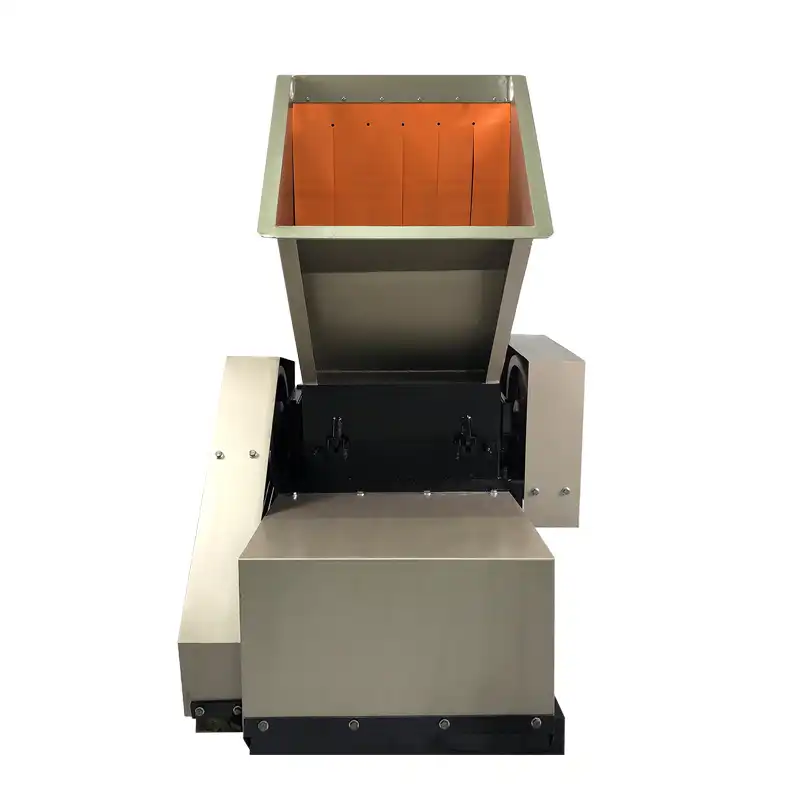
Picking a supplier for a Powerful Crusher Machine is just as important as choosing the right tools. Focus on makers who have a long-term commitment to crusher technology over companies with broad equipment catalogues that aren't very deep in any one area. Hangzhou Xingbiao Machinery Co., Ltd. is a good example of this specialized method because they have been developing and making plastic crushers for 30 years straight. This single focus has made it possible to keep improving the shape of the blades, the design of the chambers, and the way the materials are handled in ways that other makers can't match. Look for proof of study relationships with stars in the field. These partnerships back up claims of real-world success and keep new ideas coming up.
Warranty Coverage and After-Sales Support Infrastructure
Without easy access to repair help, equipment durability doesn't matter much. Complete guarantee plans should not only cover problems with the way the product was made, but they should also make it clear when to replace worn parts and when to do preventative maintenance. Better makers promise to answer technical questions within 24 hours, give clear instructions on how to install their products, and keep enough extra parts on hand to ship them right away. This support system cuts down on unexpected downtime that can stop work and cause delays that cost a lot of money. When considering providers, get examples from current customers who use similar tools in similar situations to make sure the service matches what was promised.
Compliance and Regulatory Considerations
When bought for use in the U.S., equipment must meet safety and environmental guidelines. Check to see if the tools that crush things have the right licenses to show that they follow electricity codes, noise rules and safety rules for the workplace. Fully sealed crushing rooms with noise levels below 75 dB meet the noise standards of both residential and business zones. This means that equipment can be placed in a variety of building settings without causing noise complaints or breaking the law.
Maintenance and Safety Guidelines for Maximizing Crusher Machine Performance
Proper maintenance practices and safety protocols directly influence equipment longevity, operational costs, and workplace safety outcomes. Establishing structured maintenance routines prevents unexpected failures that disrupt production schedules.
Establishing Preventive Maintenance Schedules
Visual checks should be done every day to make sure that all safety guards are still in place, to look for any strange movements or noises, and to make sure that the blades are clear of everything else. As part of the weekly maintenance, the blades are carefully checked for damage or wear, the bearing sections are oiled according to the manufacturer's instructions, and the screen is checked for tears or blocks that could change the particle size consistency. As part of the monthly service, all bolts' torques are checked, electrical connections are checked, and the motor's performance is evaluated. With this tiered method, problems are caught as they start to show up, before they become dangerous or cause tools to break down.
Blade Maintenance and Replacement Protocols
The state of the cutting blade affects both how well it crushes things and how much energy it uses. To get the same output, dull blades need more motor power, which raises running costs and makes grain sizes less constant. Depending on how rough the material is and how much it needs to be processed, blades usually need to be sharpened every three to six months. Quality blades made from high-quality tool steels can be sharpened many times before they lose their shape and need to be replaced. Keeping an extra set of blades on hand lets you quickly switch between them during planned repair windows instead of having to wait for sharpening services, which keeps production from stopping too often.
Operator Training and Safety Compliance
Even the most advanced safety features can't make up for bad ways of working. Everyone who works with breaking equipment needs to go through a lot of training. This training includes how to start the equipment up, how to feed materials, how to shut it down in an emergency, and lockout/tagout rules for repair access. When people are trained, they should be made aware of how dangerous it is to put the wrong things into the crusher, especially metal contaminants that can damage the blades or cause sparks. Regular repeat lessons keep people aware of safety issues and make sure that new workers get the same training no matter when they start working for you.
Workers are kept away from moving parts by thick steel rooms with anti-rebound baffles and "open and stop" locking systems. These systems also allow for cleaning and repair. These designed safety features meet strict industry safety standards, but they only work if people follow the rules and don't try to get around the safety features by cutting corners.
Case Studies and Future Trends in Powerful Crusher Machines
Real-world applications demonstrate how strategic equipment investments deliver measurable returns while emerging technologies shape future capabilities.
Plastic Manufacturing Efficiency Improvements
As oil prices changed without warning, a medium-sized injection moulding factory that made parts for cars had to deal with rising material costs. By adding beside-press Powerful Crusher Machine breakers that recover raw material and broken parts right away, it was possible to mix 30–50% reclaimed content with new plastic. This method cut the cost of buying raw materials by about $75,000 a year and kept 18 tonnes of plastic trash out of dumps. The investment paid for itself in 14 months because it saved money on materials and got rid of the need to pay for waste removal.
Recycling Operation Capacity Expansion
A regional recycling plant specializing in post-consumer plastic containers needed to double processing capacity without relocating to larger facilities. Replacing three aging standard crushers with two high-capacity industrial units increased throughput from 800kg/h to 1,600kg/h while reducing energy consumption by 12%. The equipment consolidation freed valuable floor space for additional sorting equipment, creating a more streamlined material flow pattern that reduced handling labour by 20%.
Technological Advancements Shaping Future Equipment
Crusher manufacturers are integrating smart sensor technology that monitors blade wear patterns, material throughput rates, and power consumption in real-time. This data enables predictive maintenance scheduling that addresses developing problems before they cause failures. Automated particle size analysis systems verify that crushed material meets specifications continuously rather than relying on periodic sampling, ensuring consistent quality for downstream processing. Energy-saving motor technologies incorporating variable frequency drives adjust operating speed to match material feed rates, eliminating the energy waste of running at full capacity during light load conditions.
Industry 4.0 integration allows crushing equipment to communicate with facility management systems, providing production supervisors with comprehensive visibility into recycling operations. This connectivity enables data-driven decisions about maintenance timing, capacity planning, and process optimization that were previously based on estimation and periodic manual checks.
Conclusion
Investing in appropriate crushing equipment transforms plastic waste from a disposal expense into a valuable resource stream that reduces material costs and supports sustainability goals. The performance gap between industrial-grade crushers and basic models extends beyond simple capacity differences to encompass energy efficiency, material versatility, and long-term reliability. Successful procurement requires evaluating not just equipment specifications but manufacturer expertise, support infrastructure, and compliance with applicable standards. Facilities that establish proper maintenance routines and operator training protocols maximize equipment performance while minimizing safety risks. As crushing technology continues advancing through smart sensors and automation integration, staying informed about emerging capabilities positions your operation for competitive advantage in increasingly sustainability-focused markets.
FAQ
What processing capacity do I need for my facility?
Calculate your daily plastic waste generation and add 20-30% headroom for production variability. Facilities generating under 500kg daily typically operate efficiently with standard crushers rated at 100-300kg/h. Operations producing 1-5 tons daily benefit from industrial models offering 500-1000kg/h capacity, while large recycling plants processing over 10 tons daily require high-capacity units handling 1500-2000kg/h.
How do I determine if my materials need specialized crushing equipment?
Rigid plastics like injection-moulded parts, pipes, and profiles process effectively with standard blade configurations. Soft, flexible materials including stretch films, woven bags, and hollow containers require specialized designs preventing material wrapping around blades. Contact manufacturers with material samples to verify compatibility and receive appropriate equipment recommendations.
What maintenance costs should I budget annually?
Plan for blade sharpening or replacement costs of approximately $800-1,500 annually depending on processing volume and material abrasiveness. Additional expenses include bearing lubrication, screen replacement, and occasional motor servicing, typically totalling $500-1,000 yearly. Properly maintained industrial crushers operate 10-15 years before requiring major component replacement.
Partner with Xingbiao for Your Crushing Equipment Needs
Hangzhou Xingbiao Machinery Co., Ltd. stands as your dedicated Powerful Crusher Machine supplier, bringing three decades of specialized expertise exclusively to plastic crushing technology. Our team of 20 senior engineers collaborates with industry leaders including Nongfu Spring and KFC, refining equipment designs that address real production challenges you face daily. We manufacture crushers ranging from compact beside-press models to high-capacity industrial systems processing up to 2000kg/h, all featuring SKD-11 tool steel blades, optimized energy-efficient motors, and comprehensive safety protection systems. Every machine undergoes rigorous testing before shipment, backed by our commitment to 24-hour technical response, detailed installation support, and sufficient spare parts inventory. Whether you operate a small workshop or manage a large recycling facility, our application engineers provide personalized equipment recommendations matching your specific materials, volumes, and quality requirements. Contact xingbiaocrusher@xingbiaocrusher.com today to discuss how our proven crushing solutions can transform your waste management challenges into measurable cost savings and operational improvements.
References
1. Smith, J. & Anderson, K. (2022). "Industrial Plastics Recycling: Equipment Selection and Operational Best Practices." Journal of Manufacturing Technology, 45(3), 178-195.
2. Roberts, M. (2021). "Energy Efficiency in Material Processing: Comparative Analysis of Crusher Technologies." Industrial Energy Management Quarterly, 18(2), 89-104.
3. Chen, L., Williams, P., & Thompson, R. (2023). "Metallurgical Advances in Crusher Blade Materials: Impact on Equipment Longevity and Performance." Materials Engineering Review, 31(4), 267-283.
4. National Association of Plastics Manufacturers. (2022). "Safety Standards and Compliance Guidelines for Industrial Crushing Equipment." Washington, D.C.: NAPM Press.
5. Davidson, H. & Kumar, S. (2021). "Total Cost of Ownership Analysis for Recycling Equipment Procurement." Business Operations Management, 27(1), 45-62.
6. International Plastics Recycling Federation. (2023). "Technology Trends in Waste Processing Equipment: 2023 Industry Report." Brussels: IPRF Publications.
Learn about our latest products and discounts through SMS or email