- English
- French
- German
- Portuguese
- Spanish
- Russian
- Japanese
- Korean
- Arabic
- Greek
- German
- Turkish
- Italian
- Danish
- Romanian
- Indonesian
- Czech
- Afrikaans
- Swedish
- Polish
- Basque
- Catalan
- Esperanto
- Hindi
- Lao
- Albanian
- Amharic
- Armenian
- Azerbaijani
- Belarusian
- Bengali
- Bosnian
- Bulgarian
- Cebuano
- Chichewa
- Corsican
- Croatian
- Dutch
- Estonian
- Filipino
- Finnish
- Frisian
- Galician
- Georgian
- Gujarati
- Haitian
- Hausa
- Hawaiian
- Hebrew
- Hmong
- Hungarian
- Icelandic
- Igbo
- Javanese
- Kannada
- Kazakh
- Khmer
- Kurdish
- Kyrgyz
- Latin
- Latvian
- Lithuanian
- Luxembou..
- Macedonian
- Malagasy
- Malay
- Malayalam
- Maltese
- Maori
- Marathi
- Mongolian
- Burmese
- Nepali
- Norwegian
- Pashto
- Persian
- Punjabi
- Serbian
- Sesotho
- Sinhala
- Slovak
- Slovenian
- Somali
- Samoan
- Scots Gaelic
- Shona
- Sindhi
- Sundanese
- Swahili
- Tajik
- Tamil
- Telugu
- Thai
- Ukrainian
- Urdu
- Uzbek
- Vietnamese
- Welsh
- Xhosa
- Yiddish
- Yoruba
- Zulu
Industrial Plastic Bottle Crusher for Large-Scale Recycling
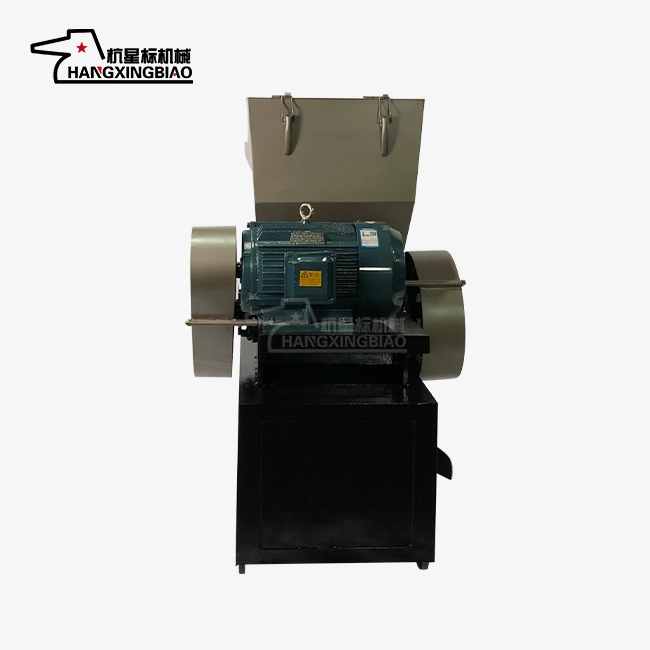
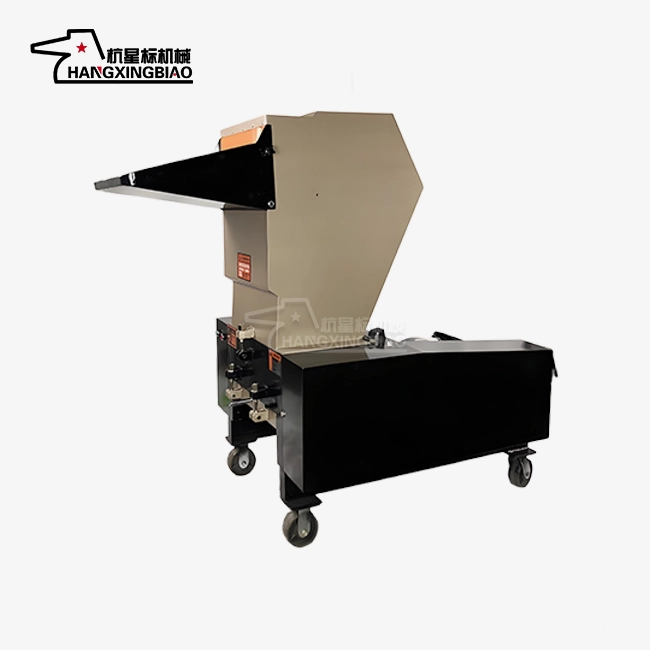
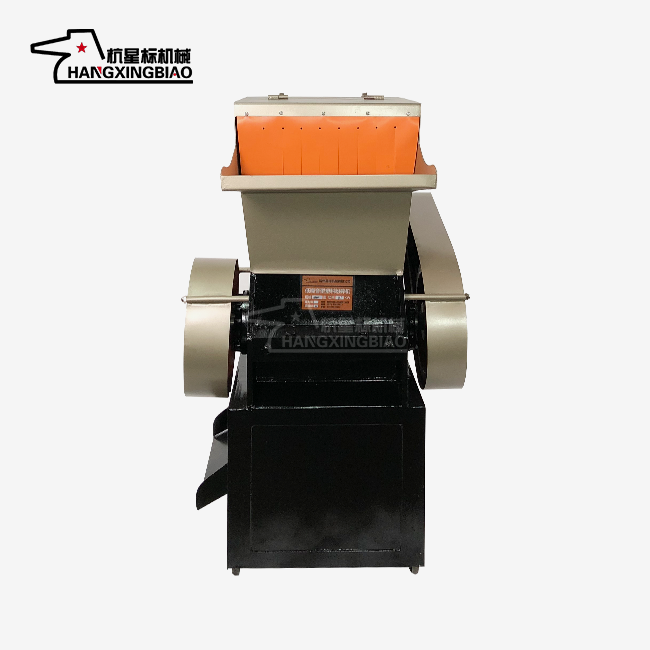
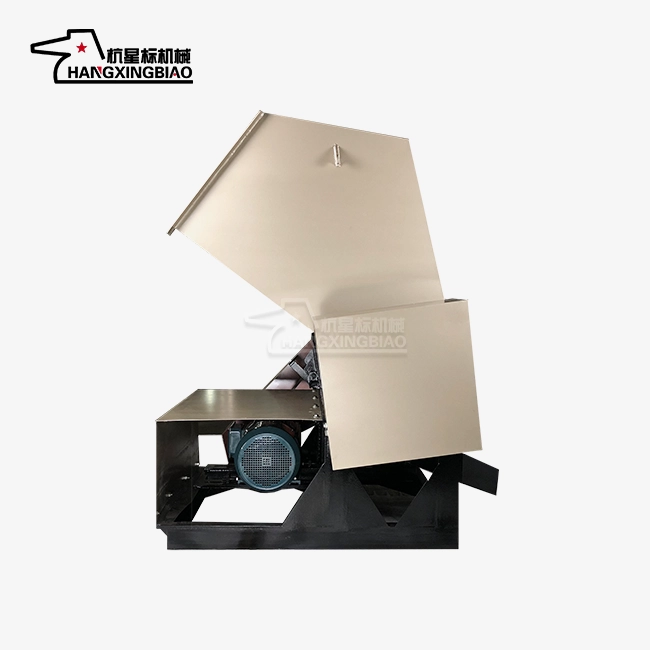
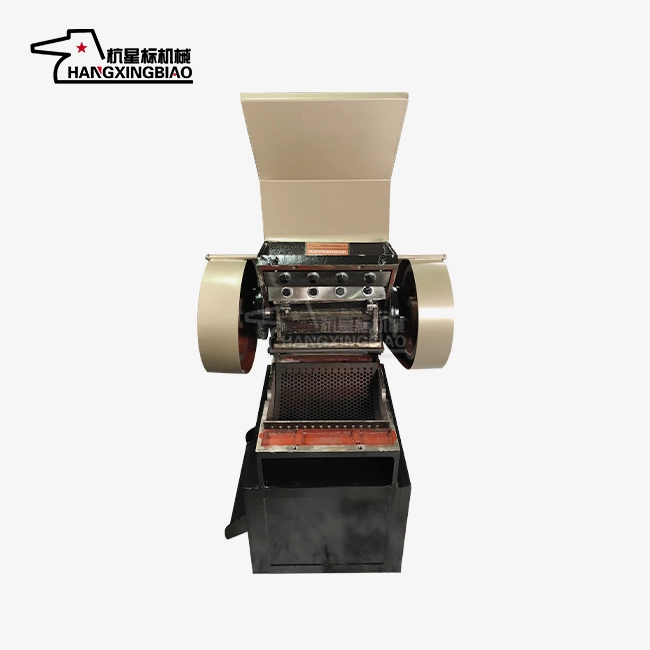
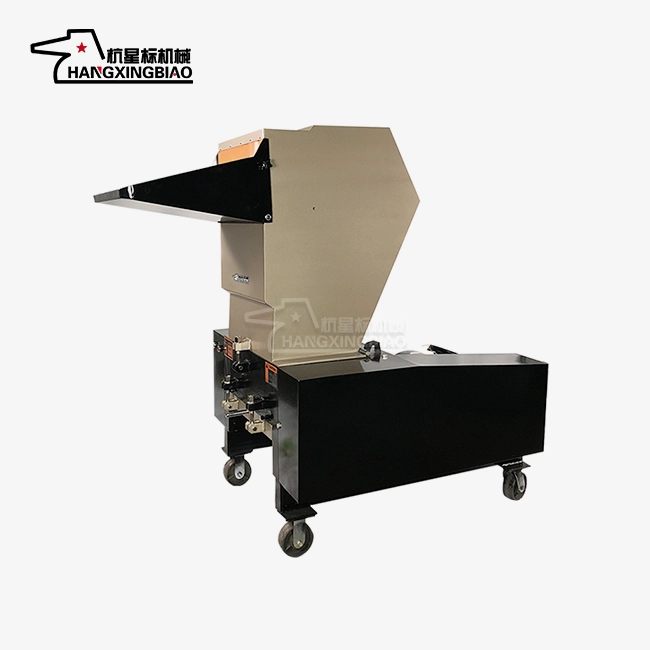
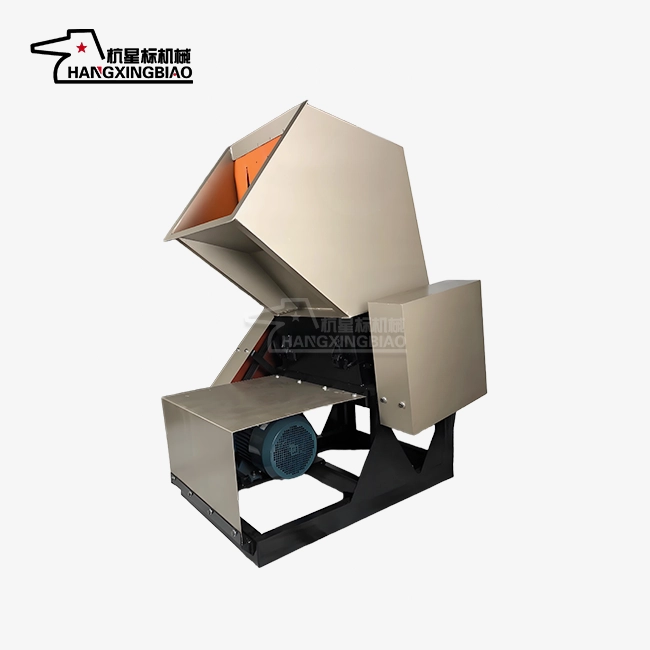
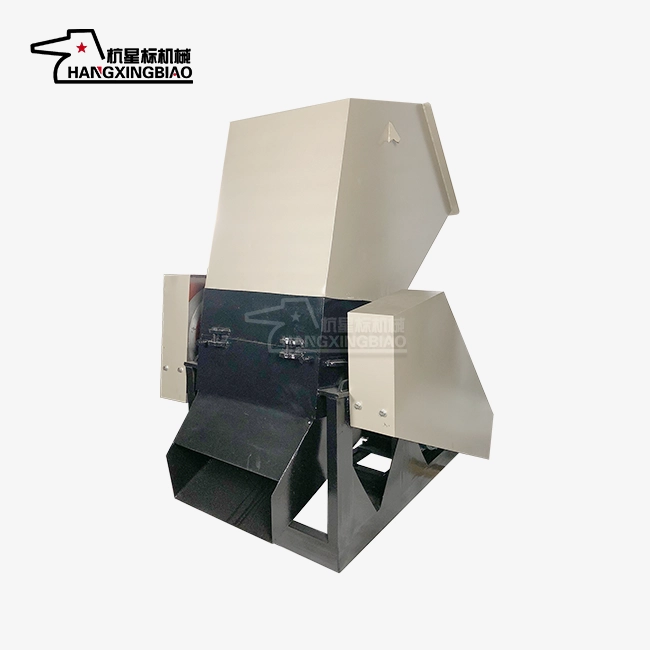
When you recycle thousands of pounds of plastic bottles every day, you need equipment that works reliably without constant attention. A plastic bottle crusher breaks down big pieces of trash into smaller, more regular pieces. This lowers the cost of keeping and gets the materials ready for further processing. Hangzhou Xingbiao Machinery Co., Ltd. has been making breaking equipment for 30 years that can handle all kinds of containers, from light PET bottles to heavy-duty industrial ones. Our systems can handle anywhere from 50 to 2000 kilograms per hour, and they can adapt to activities of all sizes while keeping particles uniform and using as little energy as possible. Whether you're dealing with post-consumer trash or industrial scrap, the right breaking tools will have a direct effect on your prices, output, and the quality of the material you're working with.
Understanding Industrial Plastic Bottle Crushers and Their Role in Recycling
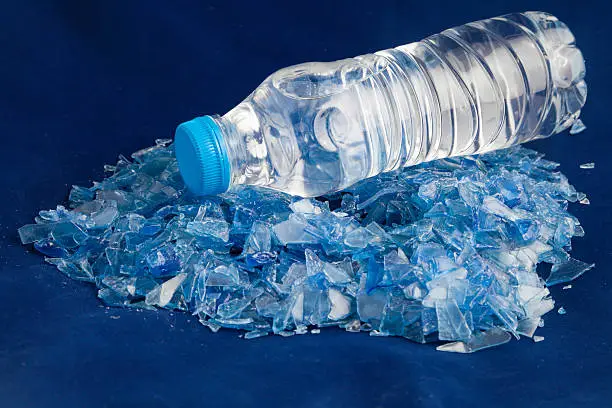
Industrial crushing equipment serves as the gateway between raw waste collection and value-added recycling processes. These machines break down intact bottles into fragments measuring 2 to 15 millimeters, creating feedstock suitable for washing systems, extrusion lines, and pelletizing operations.
How Crushing Technology Differs From Small-Scale Equipment
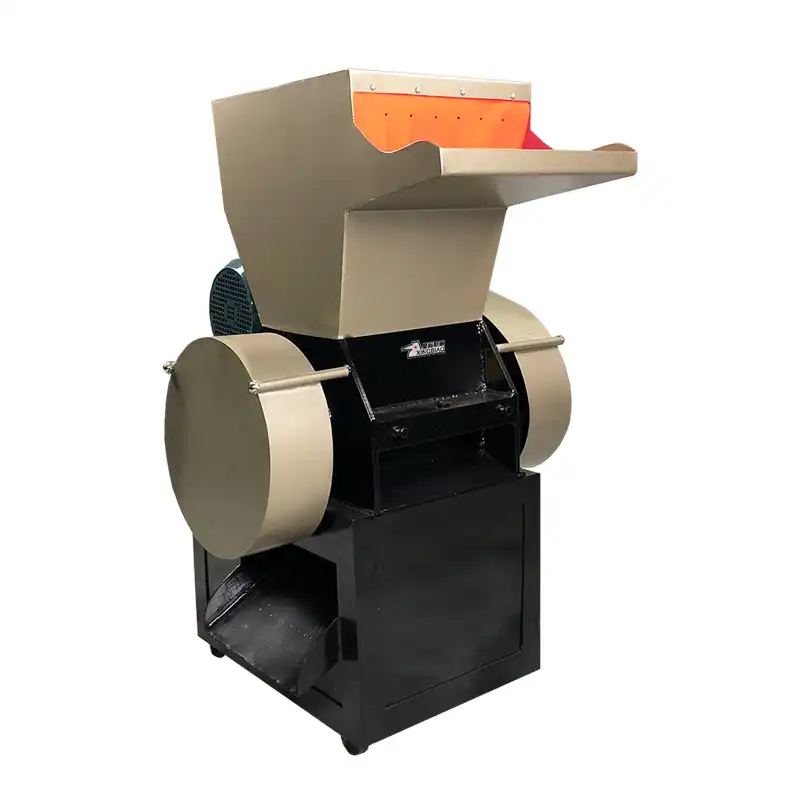
Large-scale crushers have structural supports that aren't found in consumer-grade models. The main frame is made of high-strength steel plates that have been treated to relieve stress. This keeps the plates from bending while they are in use. Motor systems with 7.5 to 150 kilowatts can make cutting forces strong enough to cut through thick-walled packages without getting stuck. Our units can run for 24 hours a day, which is impossible for light-duty equipment that gets too hot after only being used sometimes. Levels of automation separate industrial tools from options that can be done by hand. Electric models have hoppers that are fed by a conveyor belt and keep the flow of materials steady. Automatic models have metal detectors and overload safety. When hard things like steel caps or aluminium seals get into the cutting area, sensors shut it down right away to protect the blade edges. This safety measure keeps sites that handle mixed-source trash streams from having to pay for costly downtime.
Core Crushing Mechanisms and Applications
Different work settings call for different ways of breaking. Electric breakers work well in the beverage business where the material makeup stays the same, like with PET bottles that have plastic caps. The managed input lets the blade shape be optimised for these polymers, which leads to a 90% decrease in volume in a single pass. Automatic systems can handle complicated recycling situations with a mix of plastics, labels, and leftover liquids. Motors with variable speeds change the spinning force based on the mass of the material. This keeps the flow the same when switching from hard HDPE milk jugs to flexible film-label bottles. Environmental guidelines say that facilities near residential areas must have fully sealed chambers with low-noise motors (running at 75 decibels or less). This solves the problem of noise pollution that comes with older open-frame designs.
Which of the tearing, crushing, and compacting methods to use depends on how much output you need. Shredders make uneven pieces that can be used to reduce the size of things before cleaning. By changing screen systems, crushers make regular pieces that match specific mesh sizes ranging from 2 to 100 millimetres. Knowing these differences keeps you from buying the wrong tools, which slows down the processes.
Key Factors to Consider When Choosing a Plastic Bottle Crusher for Large-Scale Use
Selecting crushing equipment requires balancing immediate capacity needs against long-term operational costs. Processing volume stands as the primary specification—a facility handling five tons daily requires fundamentally different machinery than one processing 500 kilograms per shift.
Evaluating Processing Volume and Material Characteristics
The motor power and cutting box size of a Plastic bottle crusher are directly related to the throughput ability. Our basic models can handle between 50 and 500 kilograms of trash per hour, which is enough for small to medium-sized recycling centers that take care of area pickup routes. High-capacity units that can handle up to 2,000 kilograms per hour are used by centralised sites that collect trash from many cities or by big factories that recycle production waste. The properties of the material affect how the blades are arranged and which screens are chosen. Standard blade designs make it easy to crush thin-walled PET drink bottles, but thick injection-molded containers need stronger cutting edges. Soft plastics, like paper packages, need special designs to keep the material from wrapping around the spinning blades, which is a common way for machines to break down and shut down without warning. Hangzhou Xingbiao's customised crusher line handles materials that tend to get tangled by changing the blade pitch and chamber shape. This keeps the machine running smoothly when it's working with woven bags, stretch film, and fiber-reinforced plastics.
Technical Specifications Affecting Long-Term Performance
The cost of running an item over its entire life depends on how efficiently its motor works. When compared to setups that are too big and waste energy when they're only partially loaded, motor matching that is optimised cuts power use by 10 to 15 percent. When systems are set up correctly, processing one tonne of plastic usually only takes 8 to 12 kilowatt-hours. This saves a lot of energy over the millions of pounds that are processed every year. When looking at tools, safety compliance is something that can't be ignored. Safety features like emergency stop controls, guards around moving parts, and electrical grounding that meets OSHA standards keep workers from getting hurt and meet insurance requirements. Facilities that serve major food and drink companies have to go through strict vendor checks. Equipment that doesn't have the right licenses causes legal risks that are greater than the savings from cheap suppliers.
The amount of floor space affects the choice of type, especially when updating. Compact crushers take up very little space and still have enough output for activities that are limited by the way buildings are set up. On the other hand, new sites benefit from large storage hoppers and combined conveyor systems that increase efficiency at the cost of square footage.
Benefits and Environmental Impact of Industrial Plastic Bottle Crushers
Investing in robust crushing equipment generates returns beyond immediate waste processing. Operational efficiency improvements compound over time, while environmental benefits enhance corporate sustainability profiles increasingly scrutinized by partners and regulators.
Operational Advantages Driving ROI
Processing speed gains show up in several places. When you cut the volume by 90%, you need less storage space, which frees up building room for activities that add value. Transportation costs go down in proportion—a truck carrying broken material can carry ten times the weight of bottles that are still whole. This means that facilities moving material to makers far away can save money on shipping costs per pound. When hand-breaking jobs are moved to automatic equipment, worker output goes up. Six workers who used to sort and break bottles by hand can be replaced by two operators watching over a continuous-feed crusher. This frees up workers to do more valuable tasks like quality control and repair. Quick-change screen systems let you change the particle size in less than 15 minutes, so you can meet the needs of a wide range of customers without having to stop work for long periods of time.
In recycled markets, higher prices are justified by better material quality. Even particles between 2 and 10 millimetres go straight into washing and extrusion systems without being screened first. This cuts down on the number of steps that buyers have to go through in the handling process. Metal recognition and other features that control contamination keep the batch pure, which lets you sell higher-grade recovered plastic at higher prices than streams with mixed contamination.
Environmental and Sustainability Contributions
Cutting down on the amount of trash put in landfills with a Plastic bottle crusher relieves stress on their facilities and lowers greenhouse gas emissions from moving trash. By reusing plastic bottles instead of throwing them away, microplastics don't get into the land and rivers, which is a problem that affects marine environments and drinking water sources. Energy savings from recycling are much higher than the production of new plastic. The Association of Plastic Recyclers says that making things from recycled PET uses 76% less energy than making things from petroleum-based synthesis. The crushing equipment that makes these closed-loop systems possible directly helps companies meet their goals for reducing their carbon footprint, which is becoming an increasingly important part of their business practices.
Material recycling methods that work well are needed for circular economy projects to work. Companies that promise to use 50% recovered materials in new bottles depend on breaking activities to provide them with a steady supply of fuel. By keeping these promises, you can form partnerships with big brands that are looking for reliable recycling suppliers. This will help you make steady money even when the commodity market goes up and down.
Maintenance and Safety Guidelines for Industrial Plastic Bottle Crushers
Equipment longevity and operator safety stem from disciplined maintenance protocols and proper training. Preventive care extends operational life while minimizing unexpected failures that disrupt production schedules.
Routine Maintenance Preventing Costly Downtime
Inspections done on a regular basis find wear patterns before a part breaks. Depending on how rough the material is, blade tips need to be sharpened or replaced every 200 to 500 hours of use. Hard plastics wear out faster than soft films. The vacuum heat treatment and cold processes that our SKD-11 and D2 mould steel blades go through make them last 40 percent longer than regular tool steel blades. Lubricating the bearings keeps the rotor running smoothly and stops heat buildup that damages seals and shafts. Most systems only need to be greased once a month, but dirty areas may need to be greased once a week. Xingbiao crushers have quick-access repair buttons that cut service time by half. This means that regular maintenance can be done with less interruption to production. Screen screening makes sure that the particle sizes are all the same and stops stress cracks from causing the mesh to break. Screens that wear unevenly are a sign of problems with the flow of materials or misplaced rotor parts that need to be fixed. Keeping extra screens on hand for quick swaps helps keep production going when something goes wrong, which is especially helpful for businesses that work continuous shifts.
Safety Features and Operator Training
Emergency stop controls within arm's reach of feed zones enable immediate shutdown during unusual conditions. Interlock systems prevent access to cutting chambers while equipment operates, physically blocking entry until complete rotor stoppage occurs. These engineering controls complement administrative safety procedures, creating layered protection reducing injury risk. Overload protection systems safeguard both equipment and personnel. When motor current exceeds normal parameters—indicating jammed material or foreign objects—automatic shutdown prevents blade damage and motor burnout. Alarm notifications alert operators to investigate causes rather than allowing continued operation under fault conditions that escalate into catastrophic failures.
Proper training ensures operators recognize normal operational sounds, vibration levels, and throughput rates. Deviations from baseline performance signal developing problems requiring maintenance attention before complete breakdowns occur. We provide comprehensive installation guidance and operational training with each equipment sale, empowering facility staff to maximize uptime through informed monitoring.
Partnering With Certified Equipment Suppliers
After-sales support quality varies dramatically across equipment vendors. Reliable suppliers maintain adequate spare parts inventory, ensuring rapid shipment when replacement components are needed. Our 24-hour response commitment guarantees technical consultation within one business day, providing troubleshooting assistance that resolves issues without costly service calls. Warranty coverage reflects manufacturer confidence in equipment durability. Comprehensive warranties spanning major components for 12 to 24 months protect against premature failure while incentivizing proper manufacturing quality. Detailed documentation of maintenance activities preserves warranty validity, emphasizing the mutual responsibility between supplier and customer in ensuring equipment longevity.
How to Procure the Best Industrial Plastic Bottle Crusher for Your Recycling Facility
Navigating the equipment marketplace demands systematic evaluation of supplier capabilities, product specifications, and total ownership costs. Informed procurement decisions balance upfront investment against long-term operational expenses and service reliability.
Analyzing Market Offerings and Pricing Trends
Equipment pricing for a Plastic bottle crusher reflects capacity, construction quality, and automation levels. Entry-level electric crushers suitable for 100 to 300 kilograms per hour start around $8,000 to $15,000, addressing small recycling operations with limited budgets. Mid-range automatic systems processing 500 to 1000 kilograms per hour range from $25,000 to $50,000, incorporating advanced controls and heavier construction for demanding applications. High-capacity installations exceeding 1500 kilograms per hour reach $75,000 to $150,000, justified by throughput requirements in large-scale facilities processing regional waste streams. Bulk purchasing provides economies of scale for companies operating multiple locations. Volume discounts ranging from 10 to 20 percent apply when procuring three or more identical units, reducing per-site capital costs while standardizing equipment across facilities to simplify maintenance training and spare parts inventory. Customized configurations addressing unique material challenges or space constraints typically add 15 to 25 percent to base pricing but eliminate operational compromises from forcing standard equipment into mismatched applications.
Evaluating Supplier Credentials and Service Capabilities
Manufacturer experience indicates problem-solving capability when addressing complex recycling challenges. Hangzhou Xingbiao's 30-year focus on crushing technology demonstrates deep expertise absent from diversified machinery suppliers treating crushers as peripheral product lines. Our research partnerships with Nongfu Spring and KFC validate equipment performance in demanding real-world applications, providing reference cases for prospective customers evaluating vendor claims. Certifications from recognized standards organizations confirm quality management and safety compliance. ISO 9001 certification ensures consistent manufacturing processes, while CE marking demonstrates conformity with European safety directives often adopted as best practices in global markets. Requesting documentation of these credentials during supplier evaluation separates professional manufacturers from importers reselling uncertified equipment lacking proper safety features.
Customer testimonials and facility tours provide unfiltered performance insights. Speaking directly with existing equipment users reveals reliability issues, service responsiveness, and actual throughput rates versus manufacturer specifications. Visiting operating installations allows firsthand observation of machine operation, maintenance accessibility, and integration with upstream collection and downstream processing systems.
Structuring Effective Supplier Communication
Detailed quotation requests accelerate procurement timelines by providing complete specifications upfront. Include processing capacity requirements, material types and mix percentages, available electrical service specifications, floor space constraints, and any special environmental considerations like noise limitations or explosion-proof requirements for facilities handling flammable materials. Comprehensive initial information enables accurate proposals without multiple revision cycles. Clarifying warranty terms, spare parts availability, and technical support provisions prevents misunderstandings that create friction during equipment ownership. Confirm response times for service inquiries, identify which components are covered under warranty versus considered consumables, and verify parts shipping logistics to avoid prolonged downtime waiting for international shipments. Establishing these expectations during procurement prevents disappointment when support needs arise.
Conclusion
Selecting industrial crushing equipment determines recycling operation profitability through direct impacts on processing costs, material quality, and operational reliability. Capacity matching, construction durability, safety features, and supplier service capabilities weigh equally in procurement decisions that affect facility performance for years following installation. The environmental benefits of efficient plastic recovery—reduced landfill burden, lower carbon emissions, and circular economy support—amplify the business case for investing in robust crushing systems. Rigorous maintenance protocols and proper operator training preserve equipment functionality while protecting personnel safety. Partnering with experienced specialized manufacturers provides access to proven technology, responsive technical support, and the application expertise that generic suppliers cannot match.
FAQ
What particle sizes can industrial bottle crushers produce?
Most industrial systems accommodate interchangeable screens ranging from 2 to 100 millimeters, allowing particle size adjustments matching downstream processing requirements. Screen changes typically complete in 10 to 15 minutes using quick-release mechanisms, supporting flexible operations serving customers with varying specifications. Uniform particle distribution exceeds 90 percent for properly maintained equipment with sharp blades and appropriate screen mesh selections.
How much energy do large-scale plastic crushers consume?
Energy consumption varies with throughput capacity and material characteristics, typically ranging from 8 to 12 kilowatt-hours per ton of processed plastic. Optimized motor matching and efficient blade geometry reduce power usage by 10 to 15 percent compared to oversized installations. Continuous operation proves more efficient than intermittent cycles due to reduced startup current demands, making automated feed systems advantageous for high-volume facilities.
What maintenance schedule should facilities follow for crushing equipment?
Routine inspection intervals depend on operating hours and material abrasiveness. Blade sharpening or replacement occurs every 200 to 500 hours, bearing lubrication monthly, and screen inspection weekly in dusty environments. Maintaining detailed service logs preserves warranty coverage while providing operational data identifying performance trends. Facilities running continuous shifts benefit from predictive maintenance approaches using vibration monitoring and thermal imaging to detect developing issues before failures occur.
Reliable Plastic Bottle Crusher Supplier for Your Recycling Success
Xingbiao stands ready to support your plastic recycling ambitions with equipment engineered through decades of specialized experience. Unlike generalist machinery suppliers spreading resources across unrelated product categories, we've concentrated exclusively on crushing technology for 30 years, developing depth of expertise that translates to superior equipment performance and application-specific problem-solving. Our engineering team—20 senior specialists with industry-leading credentials—collaborates with major corporations including Nongfu Spring and KFC, validating our designs in the most demanding production environments.
We manufacture crushers spanning the complete capacity spectrum from 50 to 2000 kilograms per hour, ensuring precise matching between your processing requirements and equipment capabilities. Standard models address common recycling scenarios while our customization capabilities tackle challenging materials like entanglement-prone films or thick-walled industrial containers. Every unit features SKD-11 mold steel blades with vacuum heat treatment, overload protection systems, and fully enclosed low-noise operation meeting environmental standards for diverse facility locations.
Procurement confidence stems from comprehensive service extending beyond equipment delivery. Our engineers provide detailed selection consultation, matching crusher specifications to your exact material characteristics and throughput goals. Installation guidance and operator training ensure smooth startup, while 24-hour technical support and adequate spare parts inventory maintain operational continuity throughout equipment life. Contact us at xingbiaocrusher@xingbiaocrusher.com to discuss how our plastic bottle crusher manufacturer expertise can optimize your recycling operations.
References
1. Miller, J. and Thompson, R. (2021). Industrial Plastic Recycling Equipment: Selection and Operation Strategies. Manufacturing Technology Press.
2. Association of Plastic Recyclers (2022). Energy Efficiency in PET Bottle Recycling Systems. APR Technical Report Series, Volume 14.
3. Zhang, L., Martinez, C., and Patel, S. (2020). Mechanical Size Reduction Technologies for Post-Consumer Plastic Waste. Journal of Recycling Science and Engineering, 45(3), 287-304.
4. Environmental Protection Agency (2023). Best Practices for Commercial Plastic Waste Processing Facilities. EPA Municipal Solid Waste Management Guidelines.
5. Davidson, K. (2022). Equipment Reliability and Maintenance Strategies in Recycling Operations. Industrial Engineering Quarterly, 38(2), 112-129.
6. International Standards Organization (2021). Safety Requirements for Plastic Processing Machinery. ISO 12100:2021 Technical Specification.
Learn about our latest products and discounts through SMS or email