- English
- French
- German
- Portuguese
- Spanish
- Russian
- Japanese
- Korean
- Arabic
- Greek
- German
- Turkish
- Italian
- Danish
- Romanian
- Indonesian
- Czech
- Afrikaans
- Swedish
- Polish
- Basque
- Catalan
- Esperanto
- Hindi
- Lao
- Albanian
- Amharic
- Armenian
- Azerbaijani
- Belarusian
- Bengali
- Bosnian
- Bulgarian
- Cebuano
- Chichewa
- Corsican
- Croatian
- Dutch
- Estonian
- Filipino
- Finnish
- Frisian
- Galician
- Georgian
- Gujarati
- Haitian
- Hausa
- Hawaiian
- Hebrew
- Hmong
- Hungarian
- Icelandic
- Igbo
- Javanese
- Kannada
- Kazakh
- Khmer
- Kurdish
- Kyrgyz
- Latin
- Latvian
- Lithuanian
- Luxembou..
- Macedonian
- Malagasy
- Malay
- Malayalam
- Maltese
- Maori
- Marathi
- Mongolian
- Burmese
- Nepali
- Norwegian
- Pashto
- Persian
- Punjabi
- Serbian
- Sesotho
- Sinhala
- Slovak
- Slovenian
- Somali
- Samoan
- Scots Gaelic
- Shona
- Sindhi
- Sundanese
- Swahili
- Tajik
- Tamil
- Telugu
- Thai
- Ukrainian
- Urdu
- Uzbek
- Vietnamese
- Welsh
- Xhosa
- Yiddish
- Yoruba
- Zulu
How Does a Plastic Film Crusher Machine for PET Improve Recycling Efficiency?
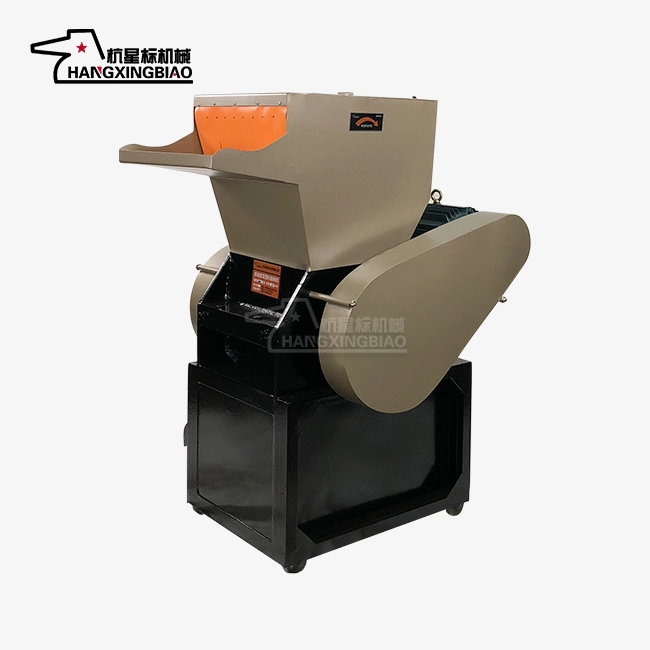
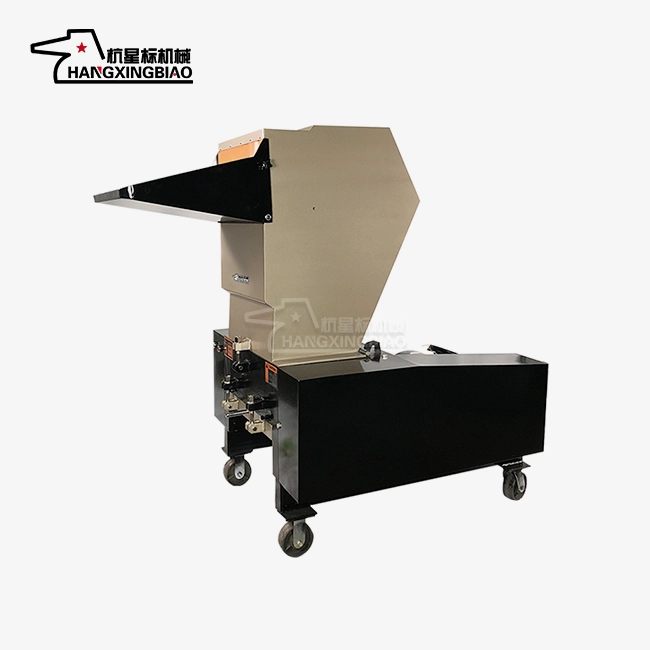
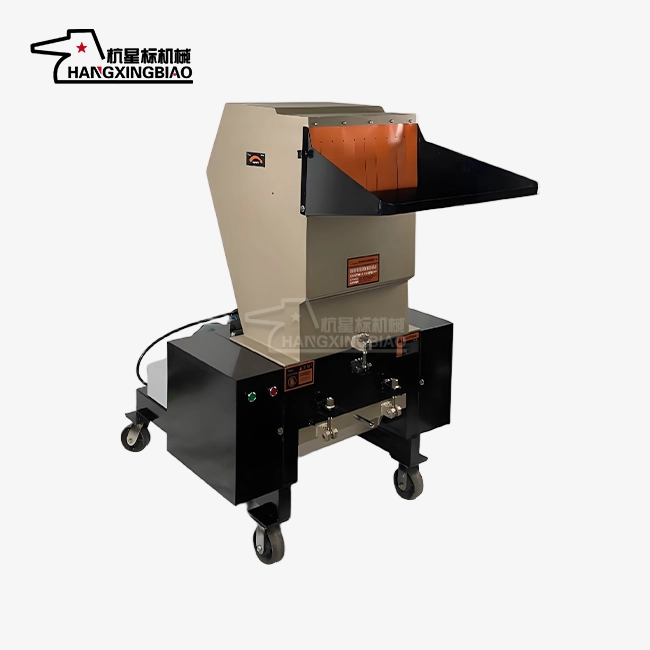
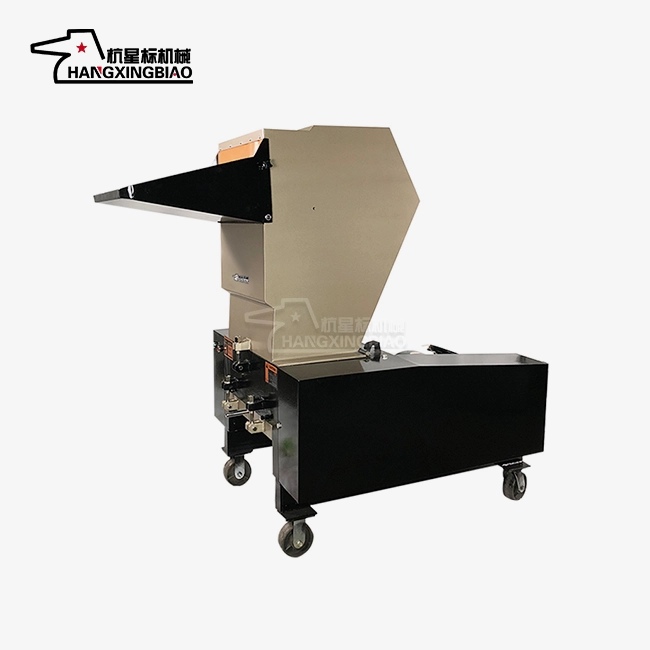
A plastic film crusher machine for PET changes recycling operations in a big way by turning big, tangled PET film trash into even, manageable flakes that make the next steps easier. These special machines have blades that are precisely built and improved crushing chambers that are designed to handle the unique challenges of thin film materials. They lower the risk of contamination while increasing the rate of material recovery. This equipment fixes the main problems that slow down regular recycling by keeping particle sizes consistent and reducing energy waste. This makes operations more profitable and better for the environment for places that process PET waste from bottles, films, and factories.
Understanding PET Plastic Film Crusher Machines
What Makes PET Film Crushing Different
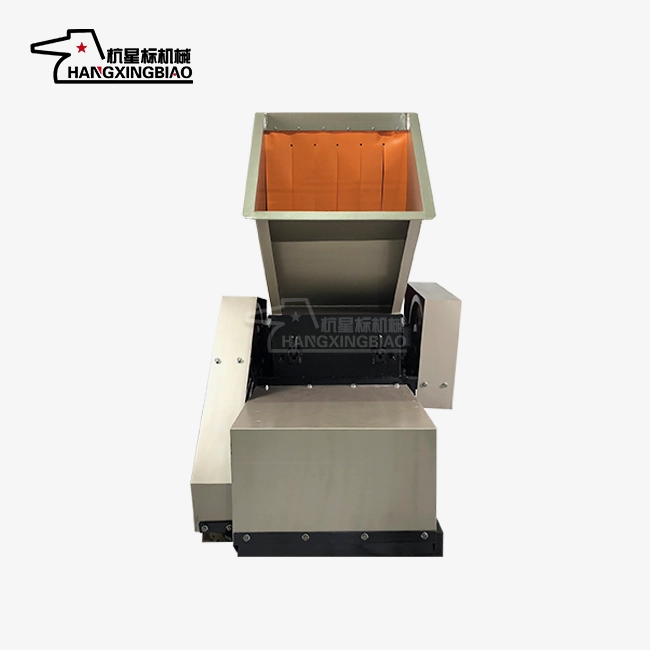
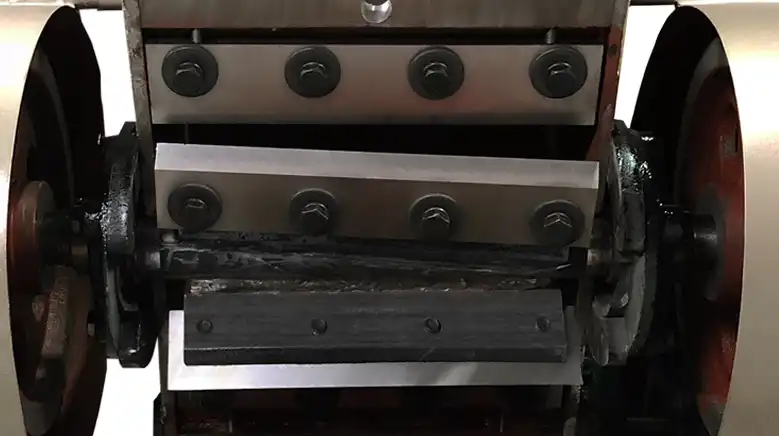
When compared to hard plastics, PET plastics pose different problems. Because film is thin and flexible, it needs special blade shapes and feeding systems to keep the material from wrapping around parts that are turning. Over many years of working in the field, we've seen that regular crushers often get stuck when they're trying to handle film trash, which costs a lot of money in lost time. This can be fixed with a special plastic film crusher machine for PET that has features like blade patterns that change, feeding speeds that can be controlled, and throat holes that are bigger so they can take in a lot of film.
Core Components That Drive Performance
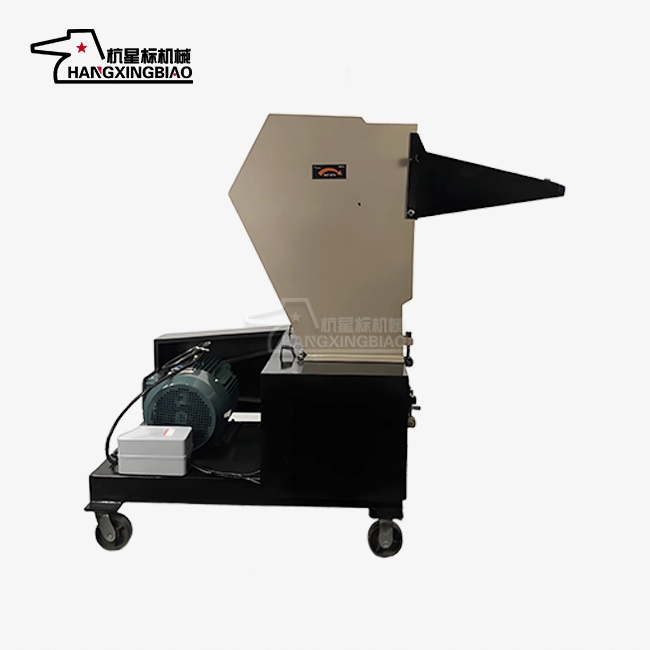
The heart of the system is the crushing room, which is where the material changes. Heavy-duty steel with a stress-relief process is used to build high-quality tools that will keep their structural integrity even after years of use. Tool steels like SKD-11 and D2 are often used in the blade assembly. These steels are treated with vacuum heat and cryogenics to make them harder than 58 HRC. This metalworking method makes blades last a lot longer than standard grades, which means they don't need to be replaced as often and production doesn't have to stop.
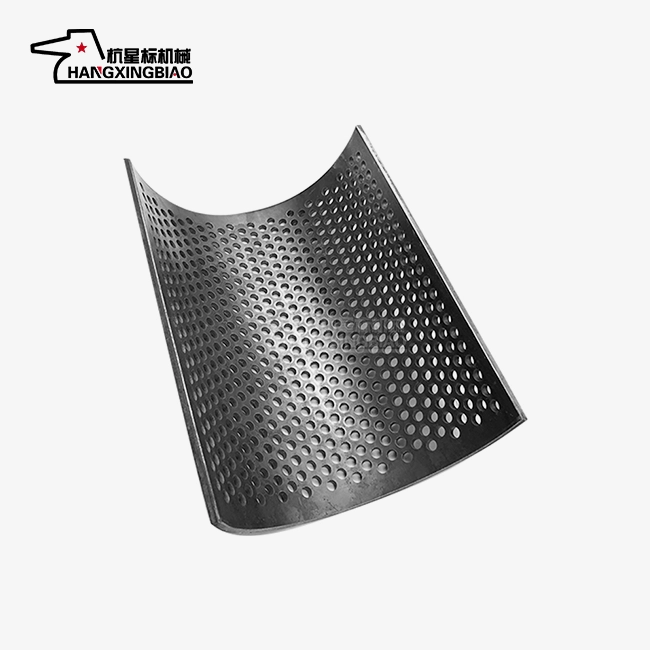
The type of motor has a direct effect on both the throughput ability and the cost of running. When motors are properly matched, they provide enough power for steady material processing without using too much energy. Modern designs include variable frequency drives that change the speed of the motor based on how fast the material is fed. This makes the best use of power throughout the work day. The end particle size is controlled by screen assemblies with perforation sizes that can be changed. This makes sure that the product meets the needs of washing lines or extrusion processes further downstream.
Single-Shaft Versus Double-Shaft Configurations
Which configuration to use depends on the properties of the material and the amount of work that needs to be done. Single-shaft crushers work best with lighter film waste because they use rotor-mounted blades that work against fixed bed knives to reduce the size of the waste effectively with less initial investment. These units are good for small to medium-sized recycling centres that need to handle 200 to 500 kg per hour.
Double-shaft systems have two shafts that rotate counterclockwise and have blades that connect together. This creates cutting and tearing actions that can handle more contamination and more volume. We've put these designs in places that process more than 1,000 kilograms of waste an hour, and their high torque levels keep them from getting jammed even with tough mixed-waste streams. The higher level of mechanical complexity leads to higher output and more consistent particle size, which justifies the higher cost of capital for large-scale activities.
Key Advantages of Using PET Plastic Film Crusher Machines
Enhanced Material Quality and Downstream Processing
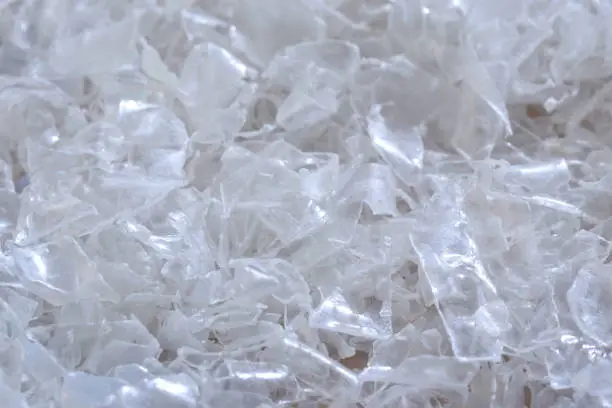
The most important benefit that a plastic film crusher machine for PET offers is probably uniform powder size. When the size of the flakes stays the same, washing machines work better because the water and detergent reach all surfaces of the cloth equally. This evenness gets rid of contaminants better while using fewer chemicals and water per kilogram treated. Size uniformity is also helpful for the next steps of drying. Smaller differences in particle size mean that the material as a whole loses water at the same rate. This keeps the material from over-drying, which costs energy, or under-drying, which leads to quality problems. When regular material is processed, pelletizing and extrusion equipment further downstream have fewer feed delays and more stable melt temperatures. This directly improves the quality of the end product and lowers the amount of scrap that is made.
Environmental and Sustainability Benefits
Energy economy is one of the most important environmental benefits. Newer crusher designs can get 20 to 30 per cent more work done per kilowatt-hour than older ones. This is possible because the blade shapes are better and there is less friction loss. This increase in efficiency means that less energy is used per ton of material processed. This cuts down on both prices and the amount of pollution that is released into the air. The ability to reduce volume should be emphasised. About one-fifth as much room is taken up by crushed PET film as by uncrushed material. This makes storage and shipping much cheaper. Less fuel is used, and less pollution is released when trucks don't have to go as far to move materials between pickup places and processing plants. These changes to logistics make recycling more cost-effective and help companies keep their green promises.
Operational Reliability and Safety Features
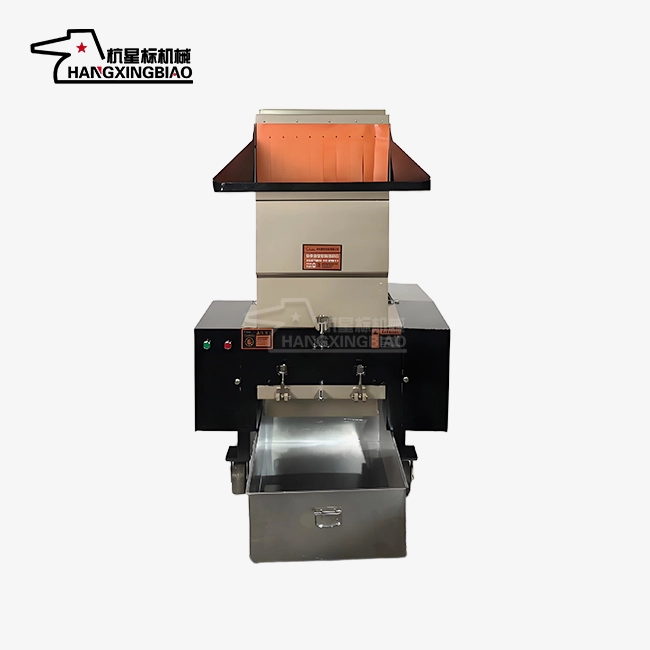
Modern crushers have many safety features that keep both the workers and the tools safe. When triggered, emergency stop systems with multiple controls immediately stop operation. Proximity sensors stop the start-up when access panels are still open. Blade guards and sound-dampening shelters keep noise levels below 85 decibels, making workplaces safer and in line with health and safety rules. Long-term business success is affected by how easy it is to do maintenance. Well-designed machines have quick-change blade systems that let you replace the blades without any special tools. This cuts down on downtime to less than two hours for a full blade refresh. Open-frame construction makes it easy to get to worn-out parts, and modular designs let you take apart whole units for service in the workshop without having to mess with the mounting foundations. These design choices lower the total cost of ownership by a large amount over the equipment's usual fifteen-year lifespan.
Optimising PET Plastic Film Crushing Operations
Feed Rate Control and Material Preparation
The most common operating problems can be avoided by using the right feeding methods. Gradual, controlled addition of material keeps the load on the plastic film crusher machine for PET parts constant, preventing shock loads that speed up wear and damage. Conveyor-fed systems with variable speed control fit the amount of material going into the crusher to its capacity. This stops both overfeeding, which can cause jams, and underfeeding, which wastes the crusher's useful capacity. Sorting dirty materials ahead of time before crushing increases the life of the blades and makes the output better. Getting rid of metal contaminants saves expensive blade surfaces from damage caused by impacts. Also, getting rid of too much paper or organic material stops moisture from building up, which can make processing harder. A lot of businesses that are successful put in simple hand sorting units before the crushers. This cuts down on contamination by more than 50% with very little work.
Preventive Maintenance Schedules
Systematic care keeps things from breaking down when they're least expected and makes them last longer. Every day checks should be made to see how the blades are doing, listen for any strange noises or vibrations, and make sure all safety systems work properly. Lubricating bearing units once a week according to the manufacturer's instructions stops them from wearing out too quickly, and checking the tension of the drive belt once a month keeps the power transmission working well. Depending on the abrasiveness of the material and the amount of work that needs to be done, blades should be sharpened every 1,000 to 3,000 working hours. When compared to dull cutting edges, sharp blades use 15-20% less energy, which has a direct effect on running costs. Tracking the motor's amperage lets you know early on when the blades are getting dull because the current draw goes up gradually as the cutting efficiency goes down.
Troubleshooting Common Issues
Motor overload usually happens when the feed rate is too high, the blades are dull, or something gets in the way. Often, the problem goes away right away after lowering the amount of material going into the crushing area and checking it out. When overloading happens over and over again despite taking corrective actions, it could mean that the motor is too small for the job and needs to be upgraded. There may be problems with the mounting base, bearing wear, or blade imbalance when there is too much shaking. The most common cause is loose mounting nuts, which can be quickly fixed during regular maintenance checks. Worn bearings make unique sounds that can be identified through vibration analysis. This lets you plan replacement before a major failure happens. When blades wear differently, there is an imbalance. This can be fixed by replacing whole sets of blades at the same time.
Comparing PET Plastic Film Crusher Machines to Other Solutions
Film-Specific Design Versus General-Purpose Crushers
General-purpose breakers that are made for tough plastics have a hard time with film materials because of the way they are built. Standard units have closed rotors and close-spaced blades that work well for bottles and containers but tend to wrap when working with flexible films. Some plastic film crusher machines for PET have open rotor designs with bigger blade gaps and smoother chamber shapes so that film materials can flow through without getting tangled. During long-term usage, differences in throughput ability become clear. At first, a general crusher might be able to handle film material well, but as the hours go by, it gets more and more jammed, which lowers its useful capacity by 30 to 40 per cent. Custom-made film equipment keeps the flow steady throughout entire production shifts, consistently meeting the stated capacity shift after shift.
Evaluating Single-Shaft and Double-Shaft Options
People who are just starting often look at single-shaft setups because they are 40–60% cheaper than double-shaft units of the same size. This cheaper starting price is good for new businesses and places that don't have a lot of money to spend. Single-shaft crushers are a good long-term choice for businesses that process less than 400 kilograms of material per hour because their operating costs are still low for low-throughput uses. Double-shaft tools are worth the extra money because they work better with tough materials. The two-rotor design makes strong shearing forces that are better at cutting through polluted waste, multi-layer films, and materials with adhesive leftovers than single-shaft designs. When facilities use double-shaft equipment to handle difficult mixed garbage streams, they report 60–70% fewer jams and 25% higher effective output.
Manual Versus Automated Operation
In smaller facilities where labour costs are low, and production rates don't support investing in automation, most work is still done by hand. Operators control how much material goes into the breaker, watch how it works, and change settings based on what they see. This hands-on method works well for operations that handle different types of materials and need to change their setup often. Automated systems combine crushers with metal detection, automatic overload safety, feeding by conveyor, and tracking from afar. These traits make things more consistent and safe while also requiring less work. After automation, some facilities have gone from having three shifts of running staff to just one. At the same time, they've seen better consistency in throughput and less unexpected downtime.
Procure Smartly: Buying and Supplier Guidance
Evaluating Capacity Requirements
A correct assessment of capacity stops both under-sizing, which leads to jams, and over-sizing, which wastes money. Find the usual amount of material that is produced each hour during busy production times. Then, add 20 to 30 per cent to account for changes in growth and efficiency. Keep in mind that the estimated crusher capacity is based on the ideal qualities of the material. In real life, throughput is often 10–20% lower than the specs when working with contaminated or variable feedstock. Smart buying choices are affected by predictions of future growth. When operations grow, equipment that was bought to meet current needs but doesn't have room for growth becomes useless and needs to be replaced before it's time. Choosing a plastic film crusher machine for PET with motor update paths and flexible designs lets your business grow without having to buy all new equipment, which protects the value of your initial investment.
New Equipment Versus Used Machinery
New equipment comes with a full guarantee, the latest technology, and service support that has been around for a while. Manufacturers like Hangzhou Xingbiao Machinery offer full installation help, user training, and quick technical support, which lowers the risks and problems that can happen during startup. The known service life and regular performance make it easier to plan finances and operations. People are interested in buying used machinery because it costs less than new equipment, sometimes 50 to 70% less. There are, however, big risks that come with this perceived savings. Unknown working records, unrecorded maintenance, and possible hidden damage make it hard to say how long the service will last. Over time, it gets harder to find replacement parts for older models, and guarantee coverage usually doesn't go to new buyers.
Identifying Reliable Suppliers and Service Partners
The reputation of the manufacturer has a bigger effect on long-term ownership satisfaction than the price of the original buy. Hangzhou Xingbiao Machinery is a great example of how specialised knowledge can be built up over thirty years of focusing only on plastic breaking technology. Companies that make a lot of different products have to split their engineering resources between many different product types, which makes it hard for them to come up with new ideas and improve existing ones. When you work with specialised providers, you can get access to their deep technical knowledge and solutions that are made just for your purpose. Service skills are what set excellent providers apart from average ones. We answer questions 24 hours a day, give full installation instructions, and give thorough user training to make sure your team gets the most out of the equipment from the start. Follow-up calls regularly find ways to improve things and deal with problems before they affect output. Keeping enough spare parts in stock in the United States cuts down on long delays in foreign shipping when new parts are needed.
Conclusion
Buying a good plastic film crusher machine for PET completely changes the way recycling is done by making it more efficient, cutting costs, and improving the quality of the materials. Specialised engineering that deals with problems related to film materials gives constant performance that regular tools can't match. By carefully choosing equipment based on its capacity needs, configuration choices, and the supplier's abilities, you can be sure that it will meet both your current needs and your growth goals in the future. The success of an operation relies on both smart choices about what to buy and disciplined maintenance methods that protect machine investments and get the most work done during downtime. The environmental benefits go beyond just one facility; they help reach bigger sustainability goals by reducing trash and saving resources.
FAQ
What particle size can I expect from a PET film crusher?
The size of the output particles varies on the screen choice and the properties of the material. Flakes between 10 mm and 40 mm are made by standard setups and can be used in most washing and pelletizing processes. Customised screen holes meet the needs of specific processes further downstream. Finer meshes produce smaller particles at slower flow rates. We help our customers find the best screen specifications by balancing the size of the particles they need with their output goals.
How often do crusher blades require replacement?
The service life of a blade depends a lot on how dirty the material is and how many hours it is used. Clean industrial scrap usually lasts between 2,000 and 3,000 hours between sharpenings, and can be sharpened three to four times before it needs to be replaced. Intervals may be shortened to 1,000 to 1,500 hours for post-consumer trash that contains rough toxins. Monitoring the current going through the motor lets you know early on when the blades need to be fixed, so you can schedule maintenance instead of having to deal with unplanned downtime.
Can one crusher handle different types of plastic films?
Good crushers can handle different film materials with only slight changes. Standard setups work well for crushing PET, PE, PP, and other related thermoplastics. When switching between materials, you might need to change the screen to keep the output size the same, since different plastics cut differently. Multi-layer sheets and materials with adhesive coats are more difficult to work with, and they may need special blade designs or changes to the crushing settings. Talking to sellers about a specific mix of materials while choosing tools makes sure that it is flexible enough.
Partner with Xingbiao for Superior Plastic Film Crushing Solutions
Recycling efficiently needs more than just the right tools; it needs a partner who is dedicated and understands the problems you face in your business. With 30 years of experience, Hangzhou Xingbiao Machinery has been making plastic film crusher machines for PET that always work better than other options. Our engineering team works with you from the first meeting to the final installation and beyond to make sure that the equipment you choose is the perfect fit for your material and production needs. Our crushers are made from high-strength steel and have quality SKD-11 blades that last longer. They are 20% more efficient and use 20% less energy. If you are a plastic film crusher machine for PET manufacturer looking for reliable production tools or want to grow your business, we can help. We offer custom solutions backed by quick expert support and a wide range of spare parts. Email our team at xingbiaocrusher@xingbiaocrusher.com right now to talk about your unique crushing needs and find out how our specialised tools can help your recycling process.

References
1. Modern Plastics Recycling Technology and Equipment Design Principles, Journal of Polymer Processing Engineering, 2021, Volume 45, Issue 3, pp. 187-204.
2. Comparative Analysis of Single-Shaft and Double-Shaft Plastic Crushing Systems for Post-Consumer Waste, International Recycling Technology Symposium Proceedings, 2020.
3. Energy Efficiency Optimisation in Industrial Plastic Size Reduction Equipment, Society of Plastics Engineers Technical Papers, 2022.
4. Material Flow and Contamination Control in PET Recycling Operations, Waste Management and Resource Recovery Quarterly, 2021, Volume 38, Issue 2.
5. Blade Metallurgy and Heat Treatment Effects on Crusher Performance and Longevity, Industrial Cutting Tool Materials Research, 2020, Volume 12, pp. 67-89.
6. Economic Analysis of Automated Versus Manual Plastic Recycling System Operation, Journal of Sustainable Manufacturing, 2022, Volume 29, Issue 4, pp. 312-328.
Learn about our latest products and discounts through SMS or email