- English
- French
- German
- Portuguese
- Spanish
- Russian
- Japanese
- Korean
- Arabic
- Greek
- German
- Turkish
- Italian
- Danish
- Romanian
- Indonesian
- Czech
- Afrikaans
- Swedish
- Polish
- Basque
- Catalan
- Esperanto
- Hindi
- Lao
- Albanian
- Amharic
- Armenian
- Azerbaijani
- Belarusian
- Bengali
- Bosnian
- Bulgarian
- Cebuano
- Chichewa
- Corsican
- Croatian
- Dutch
- Estonian
- Filipino
- Finnish
- Frisian
- Galician
- Georgian
- Gujarati
- Haitian
- Hausa
- Hawaiian
- Hebrew
- Hmong
- Hungarian
- Icelandic
- Igbo
- Javanese
- Kannada
- Kazakh
- Khmer
- Kurdish
- Kyrgyz
- Latin
- Latvian
- Lithuanian
- Luxembou..
- Macedonian
- Malagasy
- Malay
- Malayalam
- Maltese
- Maori
- Marathi
- Mongolian
- Burmese
- Nepali
- Norwegian
- Pashto
- Persian
- Punjabi
- Serbian
- Sesotho
- Sinhala
- Slovak
- Slovenian
- Somali
- Samoan
- Scots Gaelic
- Shona
- Sindhi
- Sundanese
- Swahili
- Tajik
- Tamil
- Telugu
- Thai
- Ukrainian
- Urdu
- Uzbek
- Vietnamese
- Welsh
- Xhosa
- Yiddish
- Yoruba
- Zulu
Bulk Purchase Guide: Choosing the Right Wholesale Small Crusher Supplier
When you need to buy a lot of crushing equipment, you need to do more than just compare prices to find a trusted wholesale small crusher partner. Bulk buyers in the plastics manufacturing and recycling industries have to deal with some unique problems. They have to make sure that the machines they buy can handle ongoing high-load operations, work well with other production lines, and stay up and running with quick technical help. This guide walks procurement teams through the most important things they need to think about when looking at crusher providers, such as technical specs and service infrastructure, as well as negotiating operations and making partnerships that will help them reach their long-term business goals. When you know about these things, buying tools goes from being a one-time thing to being a smart investment that saves money, cuts down on downtime, and makes you more competitive in tough industrial settings.
Understanding the Wholesale Small Crusher Market
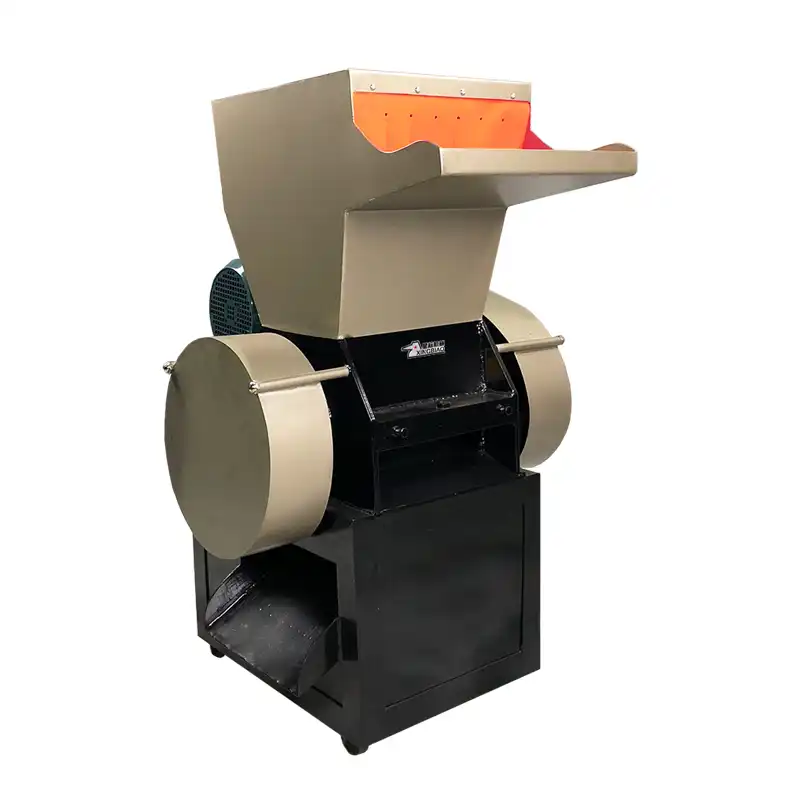
Growing recycling laws and circular economy projects all over North America have helped the industrial breaking equipment sector grow steadily. A big part of the demand for crushers is for processing plastic garbage. This is because makers and recyclers are looking for efficient ways to deal with waste from factories and homes. Increasing regulatory pressure to keep trash out of dumps has sped up investments in handling infrastructure, making purchasing bulk equipment more important in the wholesale small crusher market.
Key Buyer Profiles and Their Priorities
In plastic manufacturing plants, purchasing managers look for tools that can handle injection molding runners, broken parts, and production trim waste without stopping work. For these jobs, you need crushers that can work quietly next to molding machines and give uniform particle sizes that can be fed directly back into production hoppers. When handling mixed plastic streams like rigid containers and tangled films, recycling plant workers focus on being flexible and getting the job done quickly. Suppliers that work with big consumer goods companies are another important group of buyers. These companies put stable technology and professional suppliers ahead of low prices because they know that unplanned downtime threatens contracts and income streams. Figuring out where your business fits in these categories helps you figure out which provider skills are most important for your application.
Market Trends Shaping Procurement Decisions
New technologies in blade metalworking and rotor design have made breaking more efficient while using less energy. Modern crushers with better blade angles and chamber shapes can increase output by 20% compared to older models. This directly leads to lower processing costs per ton. Buyers are looking more closely at power usage data when evaluating suppliers. They are figuring out running costs over multiple years instead of just focusing on the cost of purchase. Changes in regulations also affect the choice of tools. Stricter safety standards at work require more advanced noise reduction and emergency shut-down systems. This means that safety certifications and compliance documents are important factors for evaluation. Suppliers who meet these needs through engineering design and clear technical paperwork show the skill that procurement teams that are careful with risk value.
Criteria for Selecting the Right Wholesale Small Crusher Supplier
To choose a good source, you must first be clear on what your operations need. When it comes to crushing, different types of plastic present different problems. For example, hard injection-molded parts act differently than tangled film waste, and fiber-reinforced composites need special blade designs. You can start talking to suppliers about technical issues once you know what your material's properties are, how fast you want it to flow, and what particle size you need to find the right wholesale small crusher partner.
Evaluating Technical Capabilities and Product Quality
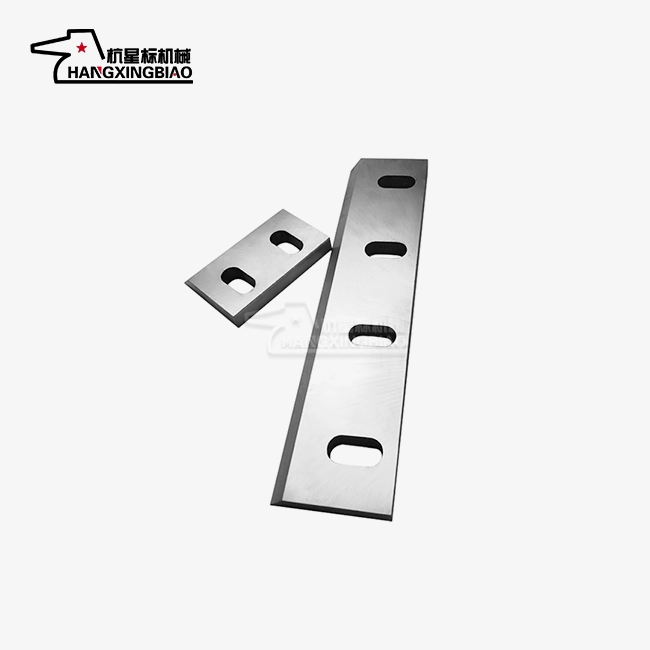
Total cost of ownership is directly related to how long an item lasts. High-strength steel crushers with stress-relieved welds keep their structural integrity even when they are used continuously. This stops the frame from deforming, which would otherwise cause the blades to become misaligned and wear out faster. Another important quality sign is the material of the blades. When SKD-11 or D2 tool steel blades are used in crushers, they last much longer than carbon steel blades because they are vacuum-heated and processed in a cold environment. This means that they don't need to be replaced as often, which means less downtime. Hangzhou Xingbiao Machinery has shown its dedication to material science by designing and building plastic breaking equipment for thirty years straight. Through study collaborations with large companies like Nongfu Spring, they have improved blade geometries and heat treatment methods for use in plastic processing. This has led to blades that keep their sharp cutting edges for longer production cycles.
Assessing Service Infrastructure and Support Commitments
Technical help skills are what set good providers apart from great partners. Teams in charge of buying things should check with possible sellers to see if they have responsive customer service lines, help with installation, and training programs for operators. Response time promises are very important: sellers who promise to answer questions 24 hours a day show that their organizations are set up to help clients in different time zones. Another condition that can't be changed is the supply of spare parts. Companies that have high-value production lines can't wait weeks to get new screens or blade sets. Suppliers with large parts stockpiles and established shipping relationships can send parts quickly, which keeps production from stopping for long periods of time, which costs a lot. When looking at different sources, make sure you get specific information about where parts are stored and how long it usually takes to get them to you in your area.
Factory-Direct Versus Distributor Relationships
People who buy in bulk often get better deals when they deal directly with factories instead of going through middlemen. When you buy directly from the factory, you can talk to engineering teams that know a lot about how equipment is designed and can suggest changes to the setup for specific uses. Direct relationships also make change requests easier, like changing the size of the bin to fit certain material handling systems or the motor's specs to fit the electrical infrastructure that is already in place. Having manufacturing partners who already ship a lot of goods is also helpful. Suppliers who have worked with international shipping before know what paperwork is needed, how to easily arrange freight handling, and how to set up payment terms that work for transactions that happen across borders. These operating skills make buying things easier and speed up the delivery times for large orders.
Comparing Wholesale Small Crushers: What to Look for in Bulk Orders
Technical specs don't tell the whole story of buying. When looking at wholesale small crushers to buy in bulk, you need to think about how the features of the equipment will affect how it works in your unique production setting. Capacity rates for crushers are just a starting point. In real life, throughput relies on the qualities of the material, how consistent the feed is, and how well the crusher is maintained.
Model Selection Considerations for Different Applications
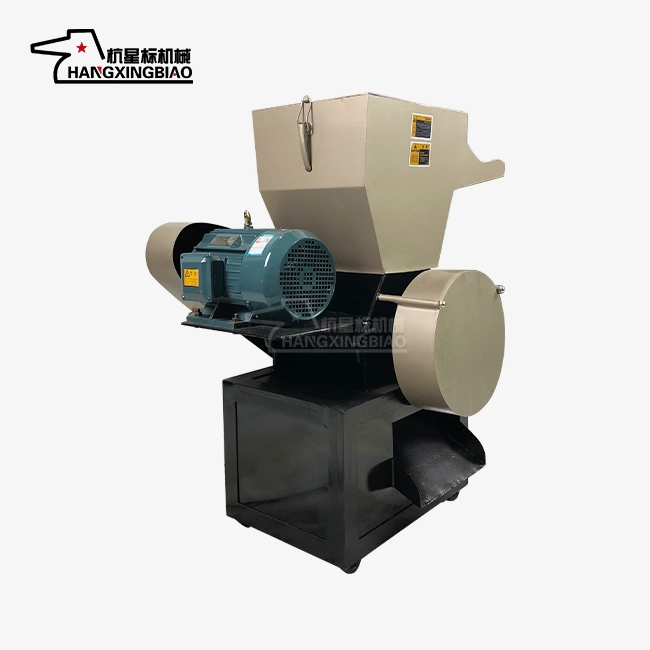
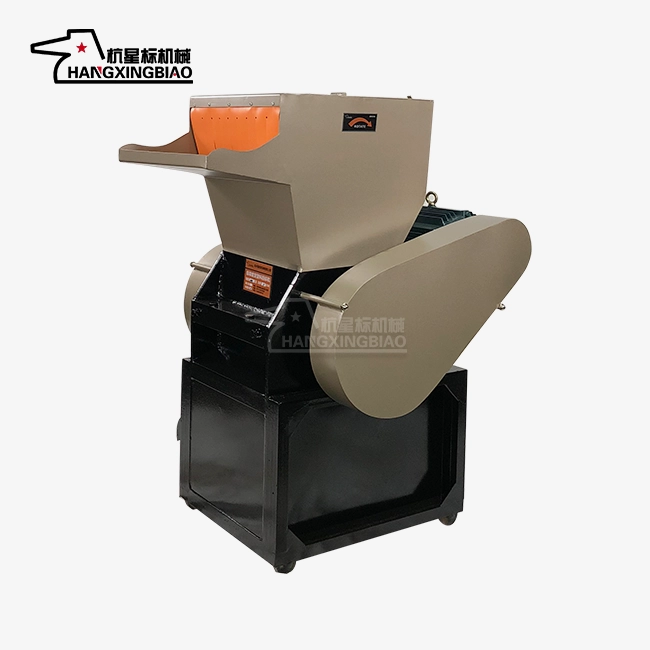
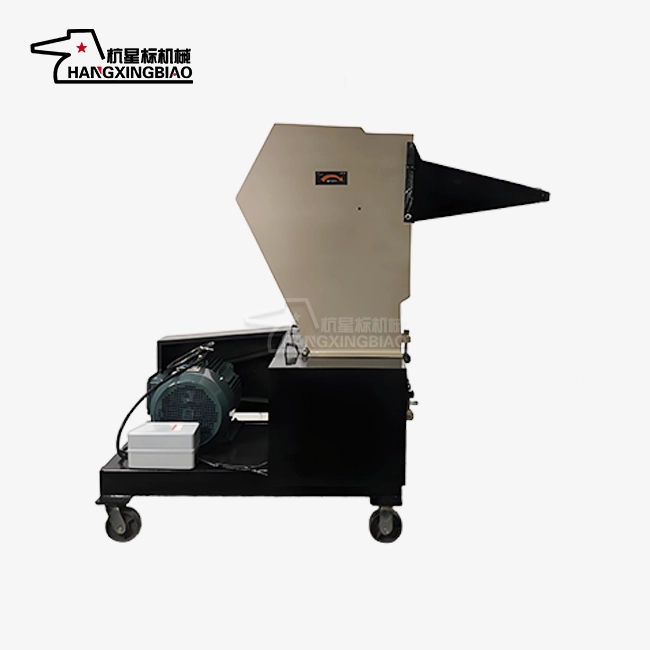
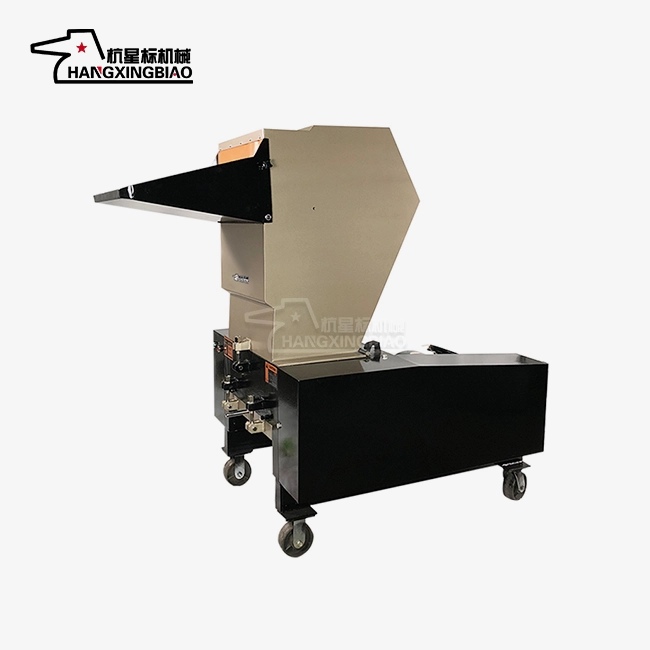
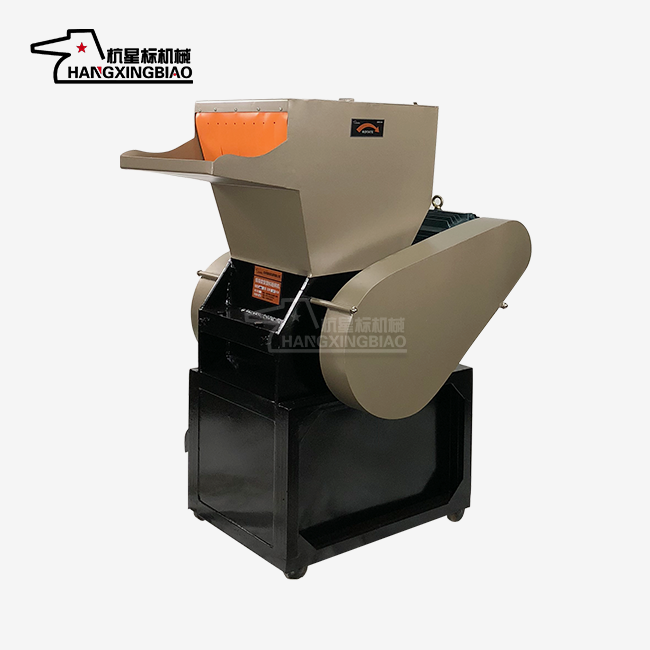
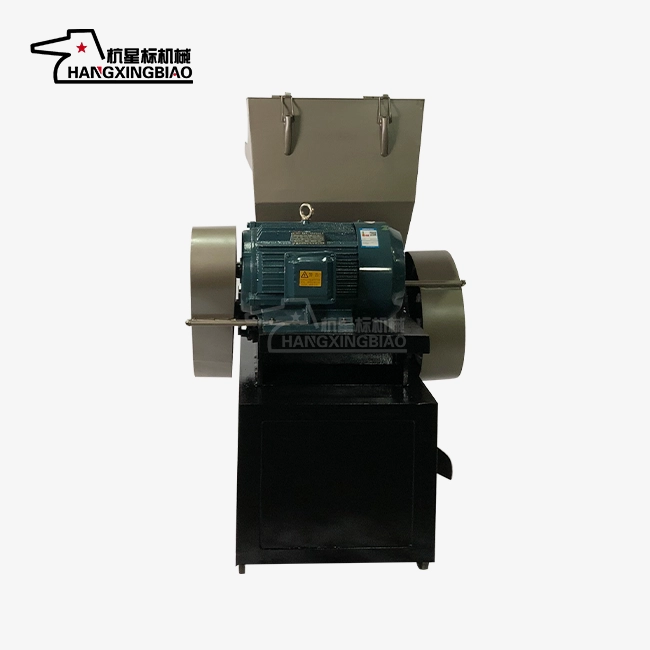
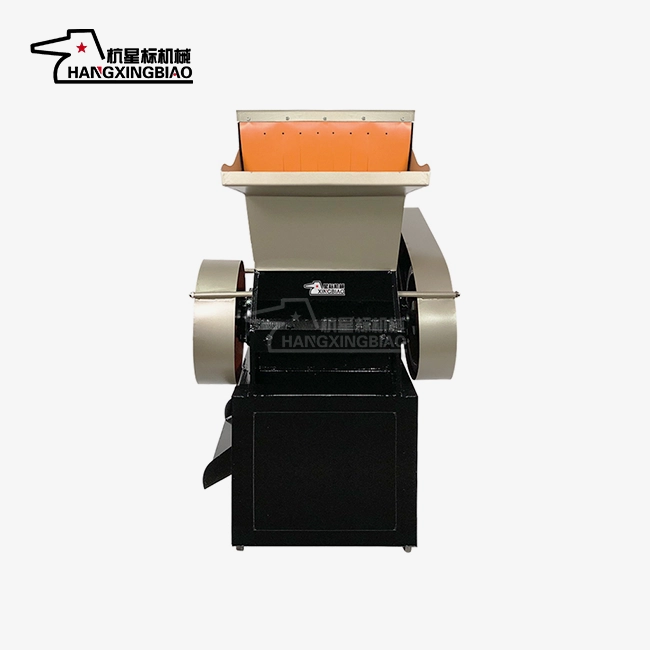
There are a lot of different kinds of materials and situations where plastic crushing can be useful. Large-diameter crushers are great for handling big items like pipe scrap, car bumpers, and industrial containers. They do this by using strong motors and large feed openings to deal with differences in size. High-power types made for installation next to the press focus on low noise and small sizes, so they can be put right next to injection molding machines without getting in the way of the operators' workspaces. Standard crushers are flexible enough to handle a wide range of materials in recycling processes. These types are flexible and have a good throughput capacity. They can handle everything from mixed hard plastics to wrapping films by changing the screens and blades. For places that work with tough materials like woven polypropylene bags or fiber-reinforced parts, there are special designs that keep them from getting stuck and keep the blades from getting dull from harsh filling. Knowing these differences helps buying teams choose the right models for the mix of materials they need.
Analyzing Total Cost of Ownership
The cost of buying something is only a small part of how much it will cost over its whole life. The amount of energy used during operation adds up to high costs over many years of work. Optimized motor sizing and aerodynamic chamber designs in crushers lower power draw without lowering output. This lowers energy bills and supports the environmental goals of the company. When comparing quotes from different suppliers, make sure to ask for details on how much power the equipment will use and use your production plan to estimate the yearly operating costs. Total owning costs are greatly affected by the amount of maintenance that needs to be done. Quick-change screen systems and easy-accessible blade mounting cut down on service time, so maintenance teams can do regular jobs during breaks in production instead of having to shut down for long periods of time. When suppliers give thorough repair schedules and estimates of how many parts will be used, it's easier to make accurate budgets for ongoing operational costs.
Warranty coverage merits careful attention during supplier negotiations. Full warranties that cover production flaws for at least 12 months show that the seller trusts the quality of the product and lower the buyer's risk. In addition to the basic warranty terms, you should check with providers to see if they offer extended service agreements or preventive maintenance plans that offer expert help for as long as the equipment lasts.
Optimizing Procurement: Logistics, Shipment, and Payment Options for Bulk Small Crushers
To successfully buy a lot of tools, you need to do more than just choose a seller. You also need to coordinate logistics and set up your finances for wholesale small crushers. When you buy tools from another country, you have to deal with complicated shipping, taxes, and payment systems. To avoid delays and extra costs, you need to plan your purchases carefully.
Freight Solutions and Delivery Logistics
Because of its size and weight, the crusher needs special care for its freight. Freight forwarders who know how to move machinery, set up the right container sizes, and handle port handling procedures work with suppliers who have experience selling equipment internationally. Buyers should make sure that the prices they are given include delivery to the end location or only cover costs at the port of export, since inland shipping and customs clearance can add a lot to the costs. Expected lead times depend on whether the equipment ships from stock or needs to be manufactured to order. Most standard models are shipped within two to four weeks. Customized configurations, on the other hand, may need six to eight weeks to be made and tested. Setting clear delivery dates during procurement talks keeps production planning from getting complicated and makes sure that the supply of tools matches the readiness of the facility.
B2B Payment Terms and Financing Options
Buying industrial tools usually has different payment terms than buying something for yourself. Letters of credit protect both buyers and sellers by making sure that suppliers get paid when they meet their contractual obligations and buyers are protected in case suppliers don't deliver. Net payment terms of 30 to 60 days work for company budget cycles and buying processes, but they generally need to be based on a long-term business relationship or credit check. Some suppliers let you lease or finance tools, which lets you spread the cost of capital over more than one spending period. These deals lower the amount of cash that needs to be paid up front. This keeps working capital available for other business needs while giving companies instant access to production tools. Procurement teams should check to see if the costs of borrowing are reasonable compared to other ways their companies can get money.

Customization and Private Labeling Capabilities
Bulk buyers sometimes need to make changes to equipment to meet special operating needs. Customization choices could include different hopper shapes for different material handling systems, changed electrical specs to work with the building's power grid, or the inclusion of a control system that lets it talk to production management software. Distributors who only offer stock configurations are less likely to be able to meet these needs than suppliers who have engineering resources and flexible manufacturing methods. People who run equipment hire groups or offer processing services under their own brands are interested in private labeling possibilities. Brand differentiation strategies work best when suppliers are willing to put customer names and color schemes on equipment housings. By showing flexibility and putting the customer first, these value-added services make relationships with suppliers stronger.
Building Long-Term Relationships with Trusted Small Crusher Suppliers
Choosing what equipment to buy has effects that last for years after the initial purchase. Building partnerships with wholesale small crusher suppliers that care about your long-term success gives you a competitive edge through reliable expert help, lower prices on parts, and early access to new products.
Reputation Indicators and Trust Signals
Longevity of a supplier in the breaking equipment industry tells us a lot about how stable their business is and how good their products are. Companies that have been in business for decades have shown they can handle changing market conditions, adapt their product lines to meet changing customer needs, and keep their service promises. Xingbiao has been focusing on plastic breaking technology entirely for 30 years, which shows that they have a lot of specialized knowledge that helps customers directly through better engineering and application understanding. Certifications and records of the quality management system are objective proof of the standards and rules used in production. Suppliers with ISO 9001 certification show that they take a systematic approach to quality assurance, and safety certifications specific to target markets show that the product meets the needs of that area. Export history and a customer base in your target market are signs that you can successfully serve foreign buyers.
Case Study: Successful Bulk Procurement Collaboration
A medium-sized recycling business that reuses plastic packaging called several sources to ask for tools to help them handle more materials. After looking at technology specs and service options, they chose a provider that could provide full application support. The technical team from the seller carefully looked at the materials, suggested the best crusher configurations for the buyer's mix of materials, and trained people on-site to help with the installation. After the equipment was put into use, the provider kept in touch every three months to look at how it was working, answer any new questions, and suggest ways to improve care. When unexpected blade wear happened while working with a new stream of materials, the provider replied within 24 hours with new blade specs that were better suited to the roughness of the material. This flexible partnership method lowered the buyer's risk of process development and sped up the time it took for them to add more capacity.
Maintaining Supplier Engagement for Maximum Value
Active contact with suppliers builds stronger ties and makes sure that value is delivered over time. Setting up regular performance reviews gives people a chance to talk about how well equipment is working, find ways to make it better, and voice their concerns before they become major problems. Clear feedback lets sellers know how your needs change over time, which lets them suggest new products or changes to the way things are set up that will help you reach your business goals. Maintenance teams stay up to date on best practices and new product features by taking part in training programs offered by suppliers. By learning the right way to use equipment, these learning chances cut down on the time needed to fix problems, improve performance, and increase the useful life of parts. Suppliers who spend money on training their customers show that they care about their success long after the equipment is sold.
Conclusion
When looking for wholesale small crushers for bulk uses, you have to balance your short-term goals with your long-term working needs. Technical specs, service infrastructure, and the image of the seller all play a role in determining whether purchases of equipment will continue to be useful or cause ongoing problems with operations. Successful procurement teams look at more than just the cost of purchase. They also look at the total costs of ownership, how responsive suppliers are, and the possibility for partnerships. Buyers can get equipment solutions that boost output, lower processing costs, and ensure operating dependability throughout the lifecycles of the equipment by carefully evaluating these factors and building relationships with specialized makers dedicated to customer success. Putting in the time and effort to carefully evaluate suppliers pays off over time with years of reliable service and quick expert help.
FAQ
What factors influence wholesale small crusher operating costs?
Operating costs include things like how much energy is used, how often parts need to be replaced, and how much upkeep is needed. Crushers with optimized motor sizing and efficient blade designs use less power and require less work. This is made possible by quick-change screen systems and easy-to-reach repair spots. The quality of the blade material has a big effect on how often it needs to be replaced. High-end tool steels last a lot longer than cheaper options. To find the total cost of ownership, you have to spread these continued costs out over the projected lifetime of the equipment. This usually shows that better quality equipment is worth the extra money even though it costs more to buy.
How can buyers verify supplier reliability before bulk purchases?
Ask for a lot of background information about the company, such as its past, information about its production site, and customer references. Legitimate providers are happy to give you this paperwork and welcome facility trips. Instead of depending only on copies given by the seller, check certifications through the organizations that issued them. Check out online business directories and trade groups to find customer reviews and information about the image of the industry. Getting providers involved in detailed technical talks shows how knowledgeable they are about applications and how much they care about customer service.
Should bulk buyers choose electric or diesel-powered crushers?
Compared to diesel options, electric models are better for places with stable grid power because they are quieter, cost less to run, and need less upkeep. Diesel units give you more options for how you run your business in remote areas or mobile apps that don't have access to electricity. The decision is not based on which technology is better in general, but on where it will be installed, how much power is available, and how mobile the device needs to be.
Partner with Xingbiao for Reliable Wholesale Small Crusher Solutions
When Xingbiao works with a customer, they bring 30 years of specialized experience in plastic breaking to the table. They combine advanced manufacturing skills with quick technical help that bulk buyers need. Our engineering team works with top companies in the industry to improve the performance of tools all the time. This makes crushers that last longer and process materials more efficiently. We keep large stockpiles of extra parts and promise to respond within 24 hours, so your operations will get help right away when they need it. As a wholesale small crusher maker that only makes machines for plastic processing, we have the specific knowledge and track record of dependability that buying teams look for. Email xingbiaocrusher@xingbiaocrusher.com to talk about your bulk equipment needs and get personalized suggestions that will help you reach your business goals.
References
1. Thompson, R. C., & Walker, T. R. (2021). Plastic Waste Management and Recycling Technologies. Cambridge: Cambridge University Press.
2. Industrial Equipment Manufacturers Association. (2022). Best Practices in Bulk Industrial Equipment Procurement. Chicago: IEMA Publications.
3. Martinez, L. M. (2020). "Total Cost of Ownership Analysis for Industrial Processing Equipment." Journal of Manufacturing Systems, 56, 234-248.
4. Global Recycling Foundation. (2023). Circular Economy Implementation in Plastic Processing Industries. London: GRF Research Division.
5. Chen, Y., & Wang, H. (2021). "Advances in Crushing Technology for Plastic Waste Recovery." Resources, Conservation and Recycling, 168, 105-119.
6. National Association of Manufacturers. (2022). Supplier Selection and Risk Management Framework for Capital Equipment Purchases. Washington: NAM Strategic Services.
Learn about our latest products and discounts through SMS or email