- English
- French
- German
- Portuguese
- Spanish
- Russian
- Japanese
- Korean
- Arabic
- Greek
- German
- Turkish
- Italian
- Danish
- Romanian
- Indonesian
- Czech
- Afrikaans
- Swedish
- Polish
- Basque
- Catalan
- Esperanto
- Hindi
- Lao
- Albanian
- Amharic
- Armenian
- Azerbaijani
- Belarusian
- Bengali
- Bosnian
- Bulgarian
- Cebuano
- Chichewa
- Corsican
- Croatian
- Dutch
- Estonian
- Filipino
- Finnish
- Frisian
- Galician
- Georgian
- Gujarati
- Haitian
- Hausa
- Hawaiian
- Hebrew
- Hmong
- Hungarian
- Icelandic
- Igbo
- Javanese
- Kannada
- Kazakh
- Khmer
- Kurdish
- Kyrgyz
- Latin
- Latvian
- Lithuanian
- Luxembou..
- Macedonian
- Malagasy
- Malay
- Malayalam
- Maltese
- Maori
- Marathi
- Mongolian
- Burmese
- Nepali
- Norwegian
- Pashto
- Persian
- Punjabi
- Serbian
- Sesotho
- Sinhala
- Slovak
- Slovenian
- Somali
- Samoan
- Scots Gaelic
- Shona
- Sindhi
- Sundanese
- Swahili
- Tajik
- Tamil
- Telugu
- Thai
- Ukrainian
- Urdu
- Uzbek
- Vietnamese
- Welsh
- Xhosa
- Yiddish
- Yoruba
- Zulu
Tips to Reduce Noise and Dust in the PET Crushing Process
Keeping noise and dust under control while breaking PET is a big problem that affects safety at work, the life of tools, and compliance with rules. These environmental problems can be greatly reduced by using a properly set up PET crusher with special features. Modern crushing equipment has soundproofing, enclosed rooms, and blade designs that are designed to keep things as quiet as possible while the material is being processed. As long as makers use the right dust collection systems and follow regular repair schedules, their operations will be cleaner and quieter, and both workers and machines will be safe. Facilities can make long-lasting crushing environments that meet strict industry standards without lowering output by understanding how mechanical design, operational techniques, and upkeep practices work together.
Understanding Noise and Dust Problems in PET Crushing
Processing polyethylene terephthalate bottles causes big problems for the environment that go beyond just production issues. Because of how they are made, PET materials create special conditions that need extra care during size reduction processes.
Root Causes of Noise Emissions
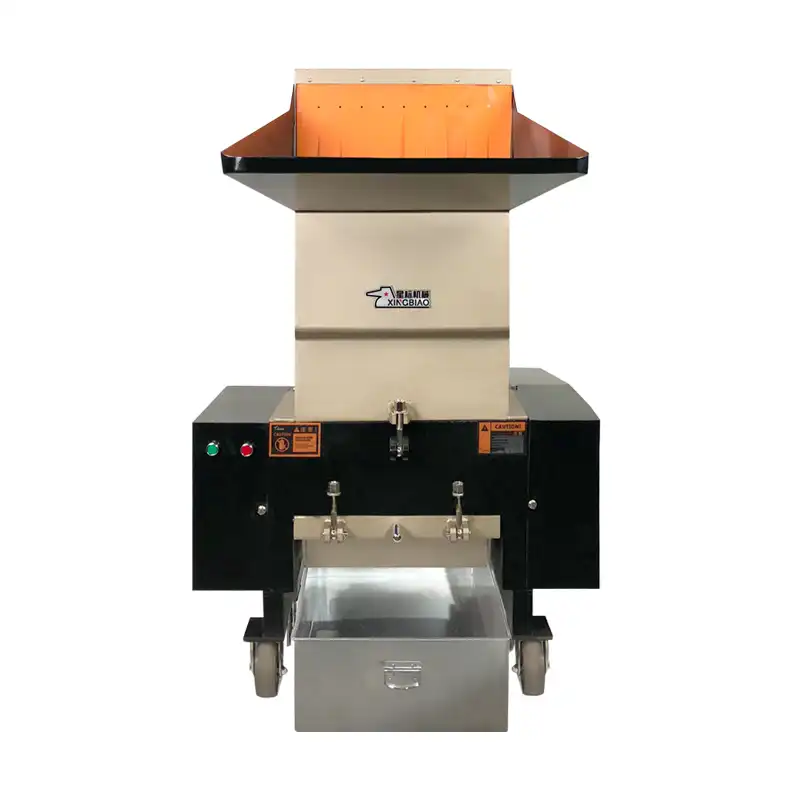
Large amounts of sound energy are created when spinning blades hit hard plastic bottles. A rotor that spins several hundred times per minute hits the material over and over, sending waves through the machine frame. These waves get stronger when they hit metal, which turns the equipment into a resonating box. The qualities of a material have a big effect on sound levels. For example, dry, brittle PET makes greater impact sounds than softer plastics. The noise level from breaking processes is higher because of things like bearing friction, motor operation, and material passing through screens.
Why Dust Becomes a Persistent Issue
Small pieces of PET, labels, and glue leftovers are turned into fine particles by the crushing action. When two blades touch quickly, friction heat is created that can melt small contaminants and release them as flying particles. The action of mechanically cutting creates static electricity on plastic surfaces. This makes dust particles defy gravity and stay in the air in the workshop. This dust can get into the rest of the work area because the holes for feeds, discharges, and inspection doors are not sealed properly. When things build up on surfaces, they create new dangers, like the chance of slipping and, in some situations, possible sources of fire.
Consequences for Operations and Health
Long-term exposure to noise levels above 85 decibels can hurt your hearing and make workers tired, which makes them less alert and less productive. Through resonant movements, acoustic stress speeds up bearing wear, which lowers service times and raises the cost of replacement. When dust gets into electrical parts, they break down early and require more upkeep. When workers breathe in plastic dust, it can cause allergic reactions or long-term lung problems. If environmental tracking shows that exposure levels are higher than what is allowed, facilities could be fined by workplace safety authorities. This could cause problems with operations and cost money.
Key Techniques to Minimize Noise in PET Crusher Operations
Getting rid of acoustic leaks needs a complex method that includes both better equipment design and changes to how it is used. The process of crushing makes noise by itself, but these noises can be successfully contained and lowered with careful planning.
Engineering Controls for Sound Containment
Sound-absorbing composite materials are used to make acoustic shelters for a PET crusher, which block noise from sources and the outside world. Putting these containers around the whole breaking unit can cut noise levels by 15 to 25 decibels where the operators are standing. Anti-vibration bolts, which are made of special rubber or spring systems, keep the machine frame from touching the floor. This keeps vibrations from getting into buildings. Layered soundproofing panels made of mass-loaded vinyl, acoustic foam, and pierced metal can block out certain frequency ranges made by crushing bottles. By strategically placing these materials around noisy parts, you can see measured gains without having to buy all new equipment.
Optimizing Machine Design Elements
The rotor design has a big effect on the sound output. V-cut blade designs cut more slowly than they hit at the same time, which spreads the sound energy over time and lowers the highest noise levels. When materials are engaged, scissor-cut designs make it easier, which reduces the loud impact sounds that come with regular blade patterns. Finding the right rotor speeds combines the amount of work that needs to be done with the amount of noise that needs to be made. Slower speeds usually make less noise, but they may lower capacity. Precision-balanced rotors get rid of wobble and the vibration that comes with it, making action easier. Cutting rooms that are well-designed and have the right shape slow down the turbulent air flow that adds to noise patterns.
Maintenance Practices That Reduce Acoustic Issues
Lubricating bearings on a regular basis stops metal-to-metal contact, which is what causes high-frequency screaming. Loose connections that get louder during use cause rattling. Checking and fixing the mounting nuts stops this. Checking the state of the blade and replacing old cutting edges keeps the cuts clean and stops them from tearing, which makes more noise. Checking the tightness of drive belts stops noise caused by slippage. Working with big beverage companies has shown us that when facilities implement comprehensive acoustic management programs, noise levels drop by more than 30% compared to baseline measurements. This makes work environments noticeably quieter, which makes employees happier and more likely to stay with the company.
Effective Strategies to Control Dust Generation in PET Crushing
To keep floating particulate matter under control, you need systems that work together to collect dust where it is made before it spreads. To handle dust well, you need to use both technology for extracting it and methods for working that stop particles from forming.

Dust Collection and Filtration Systems
By putting in specialized dust extraction units with enough airflow, particles can be taken out of the crushing area directly. Negative pressure is used by these systems to pull dusty air through filter media. The clean air is then released back into the area. Cyclone dividers get rid of some particles first by using centrifugal force to drop bigger particles into collection bins. This makes fine filters' jobs easier. High-efficiency cartridge filters get rid of particles that are less than one micron in size, which means they are more than 99.5% effective. By putting the extraction ports near where the materials come in and where the screens exit, you can target the places where dust is made the most. Maintaining the right duct velocity—usually between 3,500 and 4,000 feet per minute—keeps particles from settling in the collection pipes, which can cause clogs and poor system performance.
Moisture Control and Sealing Techniques
Adding controlled wetness while the material is being fed can cut down on dust production by a large amount without affecting the grinding performance. A light mist of water at the feed hoppers makes particles stick together, which makes them heavier and less likely to spread through the air. Having a moisture level of between 2% and 4% by weight keeps dust away and keeps material from sticking or the screen from going blank. Putting rubber gaskets and seals around all of the entry doors and inspection hatches keeps dust inside the processing room. At points where materials come in, flexible screens let bottles flow but stop dust from getting out. Using extraction systems to keep a small negative pressure inside the crushing chamber makes sure that any holes draw air in instead of letting dirty air escape.
Proper Maintenance to Prevent Dust Leaks
By checking the state of the seal on a regular basis, you can find wear before gaps form that let dust escape. Checking the difference in pressure between the filters lets you know when the cartridges need to be cleaned or replaced. Too much pressure drop makes extraction less effective, and using clogged filters for too long can damage the air motors. When you empty dust bins before they're full, material linking and system overload are avoided. Cleaning dust off of room walls and internal surfaces when the machine is shut down on time stops dust from building up and becoming loose during operation, which can cause short-term emission jumps. All of these maintenance tasks keep the dust control working well for as long as the equipment is in use, which protects both the quality of the products and the air quality in the workplace.
Selecting the Right PET Crusher to Optimize Noise and Dust Levels
Choosing the right equipment is the first step in managing the environment well in plastic-making activities. Based on how they were built in the first place, different types of crushers have different ways of reducing pollution.
Comparing Crusher Types for Environmental Performance
Single-shaft granulators with V-cut rotor designs are great at breaking down PET bottles with thin walls while making only middling noise. Compared to other blade designs, their progressive cutting action lowers the impact strength. Lower-speed double-shaft shredders make less noise, but the particles they make are usually bigger and not as regular, so they may need to be processed again. Since they work on a different concept, impact crushers make more noise, but they are great for high-volume processes. By understanding these trade-offs, you can match the features of equipment to the goals of the building. When reusing bottles, operations that care about flake regularity tend to prefer granulator designs. On the other hand, operations that care about reducing volume before transport may be able to handle coarser output from PET crushers with less noise.
Key Features for Reduced Emissions
Integrated sound barriers that come as standard equipment eliminate the need for extra changes and make sure that the sound design is correct. Enclosed feed hoppers with limited holes keep dust from escaping while materials are being loaded. Built-in dust extraction ports placed perfectly in the cutting area make it easy to collect particles. Quick-change screen systems that can be removed without any tools make cleaning easier because there isn't any downtime that lets dust build up. Heavy-duty welding steel frames that have been treated to relieve stress effectively absorb shocks, lowering the noise that gets through to other structures. An energy-efficient motor size that is exactly matched to the crushing needs stops the use of too much power while keeping the right torque for smooth operation that reduces mechanical stress and noise.
Why Equipment Quality Matters
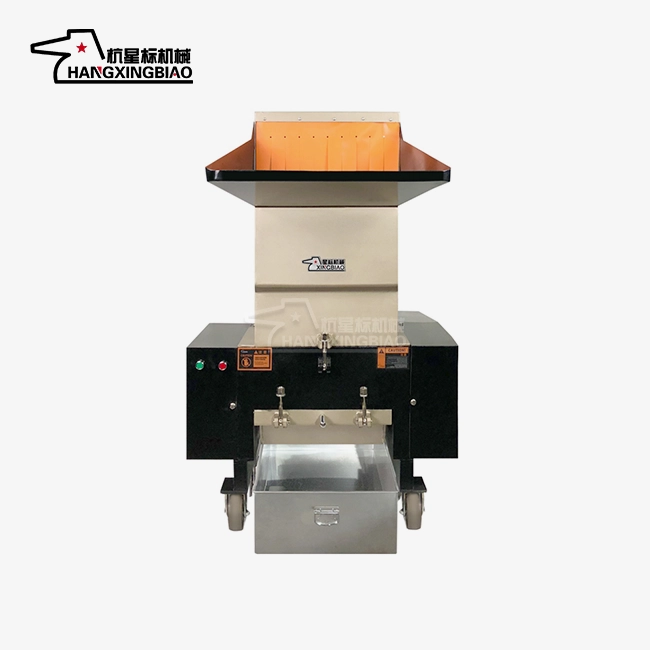
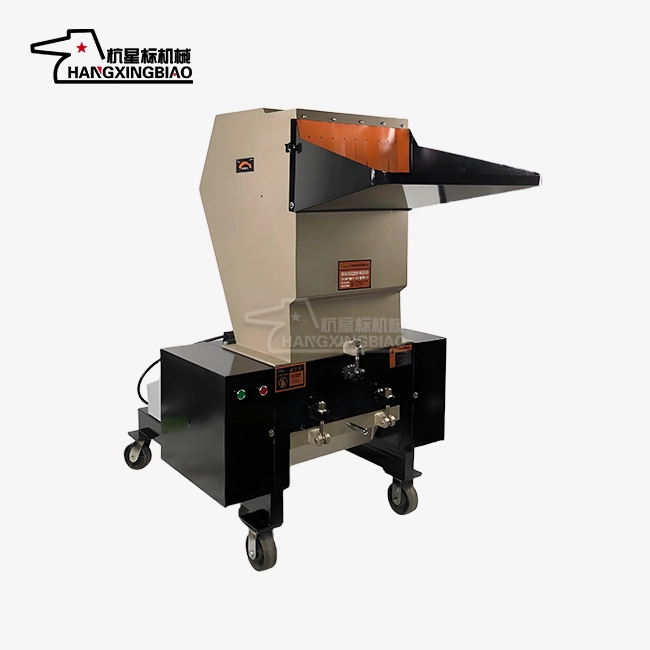
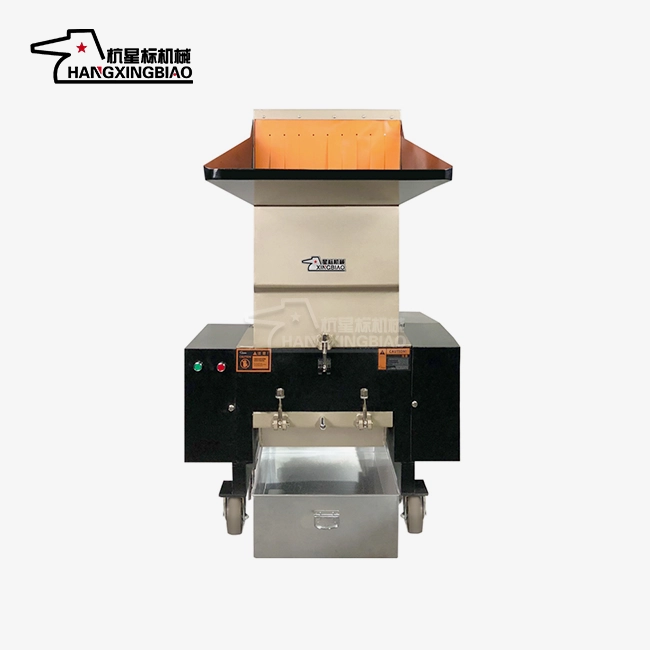
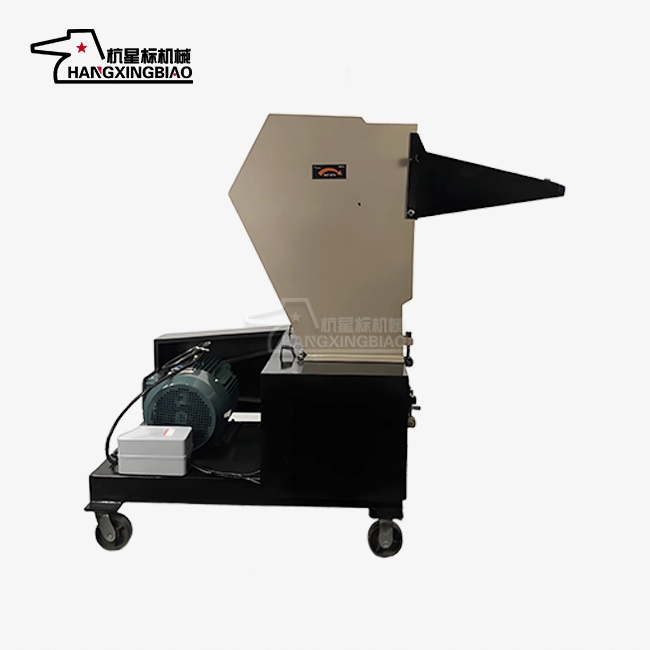
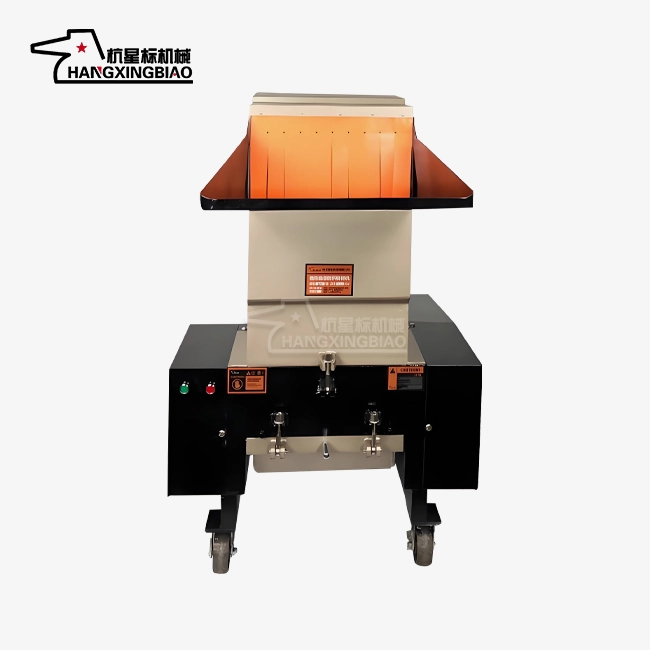
Hangzhou Xingbiao Machinery has been making crushers for 30 years and has learned that using high-quality materials and precise engineering directly affects how well the product works with the environment. Our blades are made from SKD-11 tool steel and go through vacuum heat treatment and cold processing to make cutting edges that stay sharp longer. Sharp blades cut neatly with less force, which means less noise and dust from breaking materials. Using high-strength steel plates and precise welding to build our frames makes them sturdy and resistant to resonance caused by shaking. This focus on building quality leads to equipment that keeps low pollution levels for long periods of time, saving your investment and helping to meet health and safety goals for workers.
Maintenance and Safety Tips for Long-Term Noise and Dust Management
To keep environmental performance high, you need to keep an eye on the state of your tools and follow standard operating procedures. The initial installation is just the start of a long-term scheme for control.
Regular Inspection Protocols
By doing weekly inspections that focus on the quality of the seals, problems can be found before they become big. By checking the connection of acoustic panels, you can keep loose panels from moving and making more noise. Listening for strange sounds during operation lets you know quickly if the bearings are wearing out or the blades are getting damaged, which can raise the noise level. Checking the filters once a month and taking readings from a pressure gauge show how healthy the dust collection system is. Comprehensive checks, such as measuring the blades and checking the rotor's balance every three months, make sure that the crushing parts stay in good shape. By writing down what was found during a check, you can make a maintenance log that shows trends and helps you decide what replacement parts to stock.
Component Replacement and Lubrication
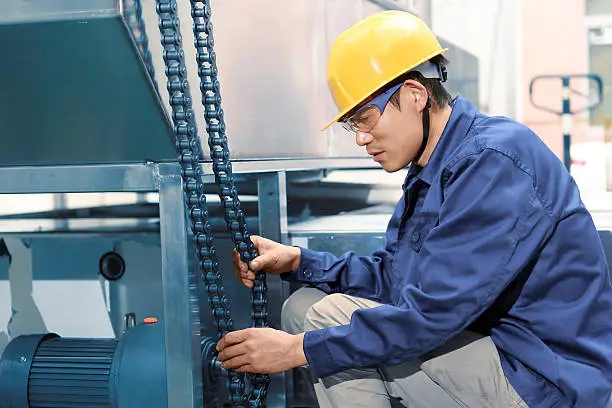
By following the manufacturer's recommended lubrication plans for a PET crusher, you can avoid bearing failures that cause terrible sounds and unplanned downtime. Using the right types and amounts of oil will cover properly without making it too slippery, which can cause dust to build up. Cutting performance is improved, and noise levels are kept low by replacing blades based on measured wear instead of random plans. Installing original substitute parts that were made to the original specs protects the design integrity of the equipment. At Xingbiao, we keep a large collection of spare parts and promise to respond to client requests within 24 hours. This way, we can make sure that maintenance activities that need to replace parts don't disrupt your production plan too much.
Worker Protection and Training Measures
Providing the right personal safety equipment, like hearing protection and breathing aids, is an important way to keep people safe, even if technical rules are in place. Teaching workers how to spot when equipment is acting in a way that isn't normal lets problems be fixed quickly, before they get worse. Teaching the right way to feed materials keeps them from getting too full, which can make more noise and dust. Including environmental management steps in standard operating procedures makes sure that everyone, on all shifts, does their job the same way. We set up these practices from the very beginning with the thorough operator training programs we provide during equipment setup. These programs build organizational competence that supports long-term success in environmental management along with production goals.
Conclusion
Managing noise and dust well in PET crushing operations protects the health of workers, extends the life of equipment, meets legal requirements, and keeps production running smoothly. Using soundproof enclosures, improved blade designs, full dust collection systems, and methods for controlling moisture makes working areas much quieter and cleaner. Choosing grinding equipment that is designed to produce less pollution is the first step to success. Regular repair and training for operators keep the equipment running well for years. Putting money into environmental controls pays off by lowering the number of workers' compensation claims, lowering the cost of maintaining equipment, and improving the facility's image. If these things are important to recycling centers, they will be the leaders in the business when it comes to environmentally friendly plastic recycling.
FAQ
How often should dust collection filters be serviced?
How often you need to maintain your filters depends on how much you're working and what kind of material it is. Differential pressure gauges that show filter loading should be checked once a month in most operations. In moderate-duty settings, cartridge filters need to be cleaned or replaced every three to six months. In high-volume settings, they may need to be checked every month. Setting baseline pressure data during the first process gives you a way to figure out when performance is dropping, and you need to do something about it.
Can moisture addition reduce dust without affecting crusher performance?
Applying a small amount of wetness, about 2% to 4% by weight, keeps the dust down well while keeping the crushing performance high. At this amount of moisture, small particles stick together without clumping, which could damage screens or slow down production. Misting devices put in at feed hoppers allow for controlled application. When you touch something, it should feel a little damp, but not so wet that it leaves your hands wet.
What noise reduction upgrades work for existing equipment?
Putting acoustic barriers around current breakers is a good way to cut down on noise without having to buy new equipment. Adding anti-vibration plates keeps the equipment from being affected by vibrations from the floor. Putting sound-absorbing screens on nearby walls cuts down on noise that bounces back into the workspace. By replacing worn bearings and blades, sources of excessive operating sounds are taken care of. The sound quality in the workplace usually gets better with these changes, which usually don't cost as much as buying new tools.
Partner with Xingbiao for Superior PET Crusher Solutions
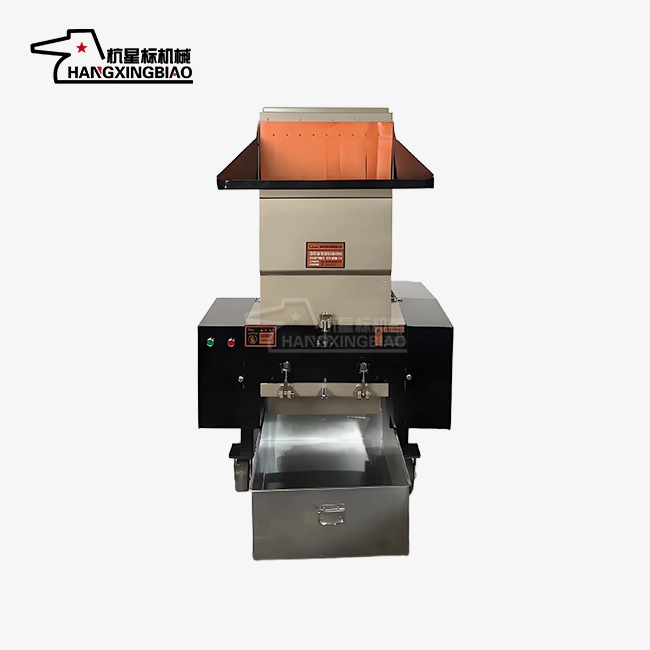
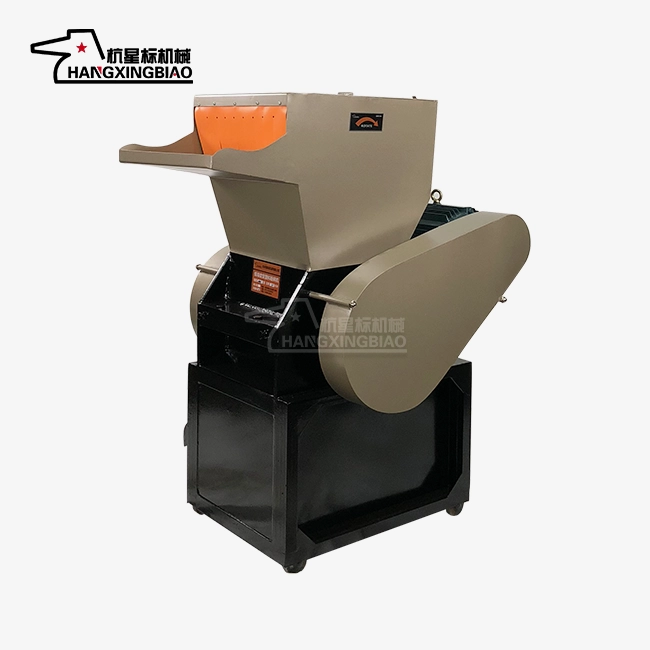
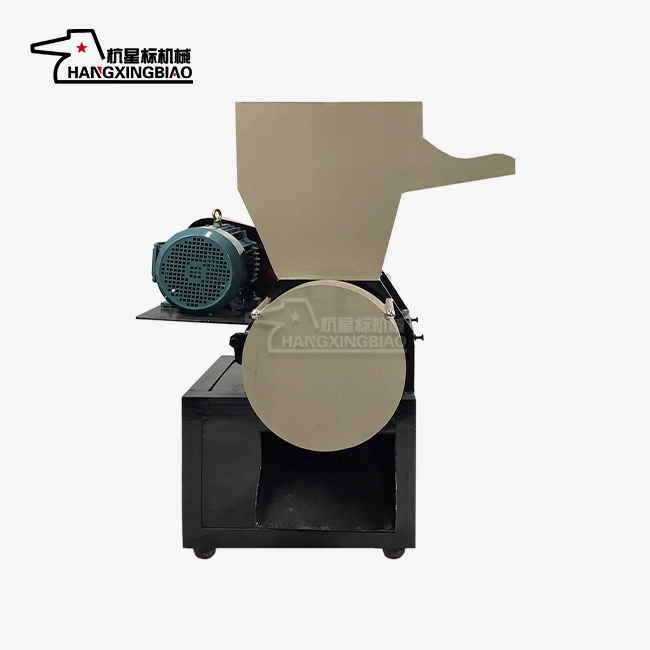
Hangzhou Xingbiao Machinery makes specialized plastic breaking equipment that is designed to be as reliable as possible and to be as good for the environment as possible. Our high-power crushers are made to specifically break down PET bottles. They have built-in noise-cancelling and dust-containment features that help you worry less about safety at work. Our equipment has low emissions even after decades of constant use thanks to its SKD-11 tool steel blades and stress-relieved steel frame construction. Our expert team is here to help you with everything, from choosing the right equipment to installing it and keeping it in good shape. They promise to respond within 24 hours and have a lot of extra parts on hand. Talk to our skilled engineers at xingbiaocrusher@xingbiaocrusher.com about how Xingbiao PET crusher solutions can help you get the most out of your recycling efforts by reducing noise and dust, which makes your workspace safer and more productive. Get in touch with us right away to get full specs from a reliable PET crusher maker that wants your business to succeed.
References
1. Anderson, M. J., & Thompson, R. L. (2021). Industrial Noise Control in Plastic Processing Facilities. Journal of Occupational Health Engineering, 15(3), 145-162.
2. Chen, W., & Martinez, S. (2020). Dust Generation Mechanisms in Thermoplastic Size Reduction Operations. Polymer Processing Technology Quarterly, 28(2), 89-104.
3. European Agency for Safety and Health at Work. (2022). Guidelines for Dust and Noise Management in Recycling Industries. Luxembourg: Publications Office of the European Union.
4. Kumar, P., & Stevens, D. (2019). Acoustic Enclosure Design for Rotating Equipment in Manufacturing Environments. Mechanical Engineering Applications Review, 44(4), 312-329.
5. National Institute for Occupational Safety and Health. (2023). Hierarchy of Controls for Particulate Matter Exposure in Plastics Recycling. NIOSH Publication No. 2023-118.
6. Zhang, L., Roberts, K., & O'Brien, T. (2022). Comparative Analysis of PET Bottle Crusher Technologies: Performance and Environmental Impact Assessment. Resources, Conservation and Recycling, 178, 106-121.
Learn about our latest products and discounts through SMS or email