- English
- French
- German
- Portuguese
- Spanish
- Russian
- Japanese
- Korean
- Arabic
- Greek
- German
- Turkish
- Italian
- Danish
- Romanian
- Indonesian
- Czech
- Afrikaans
- Swedish
- Polish
- Basque
- Catalan
- Esperanto
- Hindi
- Lao
- Albanian
- Amharic
- Armenian
- Azerbaijani
- Belarusian
- Bengali
- Bosnian
- Bulgarian
- Cebuano
- Chichewa
- Corsican
- Croatian
- Dutch
- Estonian
- Filipino
- Finnish
- Frisian
- Galician
- Georgian
- Gujarati
- Haitian
- Hausa
- Hawaiian
- Hebrew
- Hmong
- Hungarian
- Icelandic
- Igbo
- Javanese
- Kannada
- Kazakh
- Khmer
- Kurdish
- Kyrgyz
- Latin
- Latvian
- Lithuanian
- Luxembou..
- Macedonian
- Malagasy
- Malay
- Malayalam
- Maltese
- Maori
- Marathi
- Mongolian
- Burmese
- Nepali
- Norwegian
- Pashto
- Persian
- Punjabi
- Serbian
- Sesotho
- Sinhala
- Slovak
- Slovenian
- Somali
- Samoan
- Scots Gaelic
- Shona
- Sindhi
- Sundanese
- Swahili
- Tajik
- Tamil
- Telugu
- Thai
- Ukrainian
- Urdu
- Uzbek
- Vietnamese
- Welsh
- Xhosa
- Yiddish
- Yoruba
- Zulu
Mineral water bottle crusher Benefits for Industrial Parks
Industrial parks all over the US are under more and more pressure to handle plastic trash effectively while also following environmental rules. The mineral water bottle crusher is a new idea that turns problems with managing waste into long-term possibilities. These specialized tools crush plastic bottles into manageable pieces. This cuts down on store space needs by up to 80% and gets materials ready for recycling. These breakers can handle different kinds of bottles, like PET, HDPE, and cases with thick walls, and can process between 50 kg and 10 tons per hour. The technology solves some of the biggest problems in managing industrial trash. It does this by providing low-cost solutions that are in line with companies' green goals and make manufacturing facilities run more smoothly.
Understanding Mineral Water Bottle Crushers and Their Role in Industrial Parks
Core Components and Operating Principles
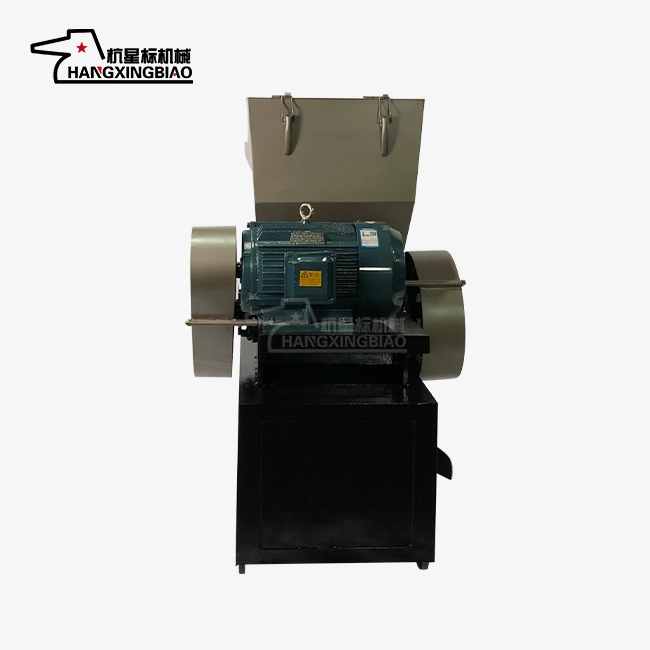
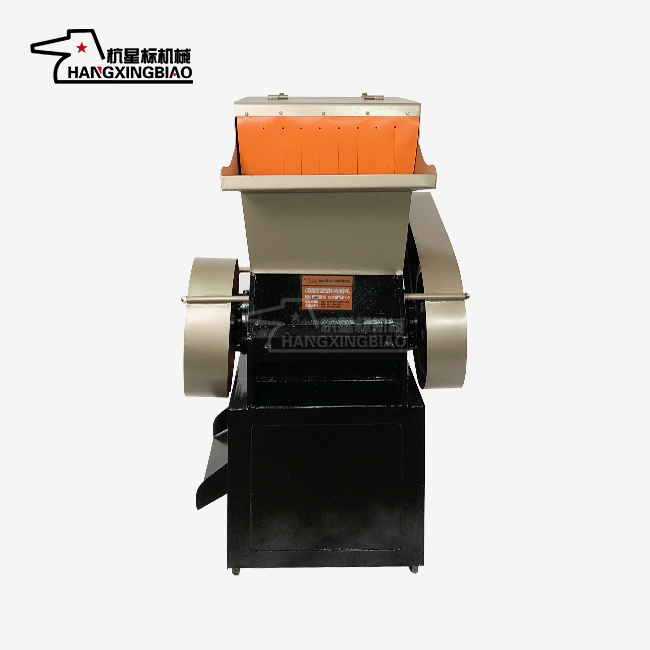
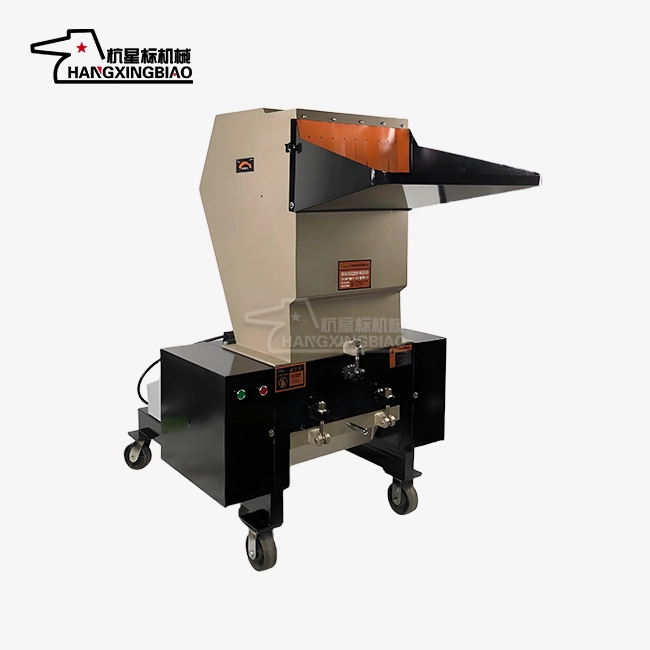
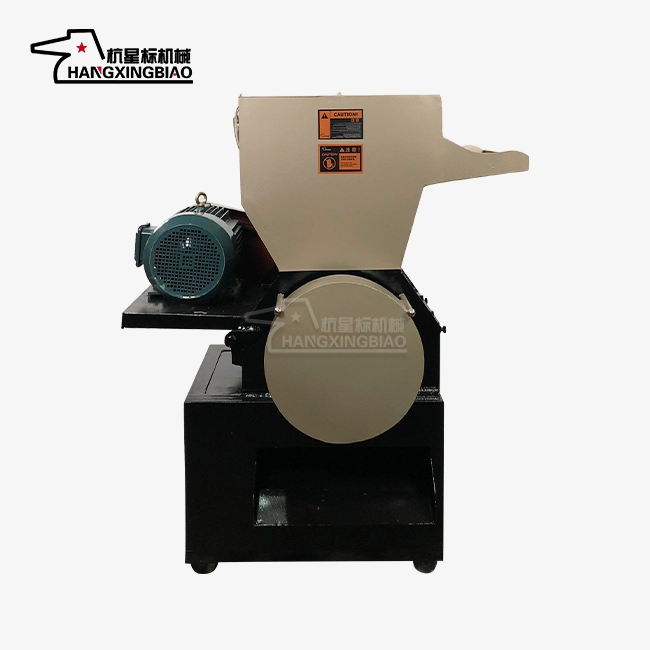
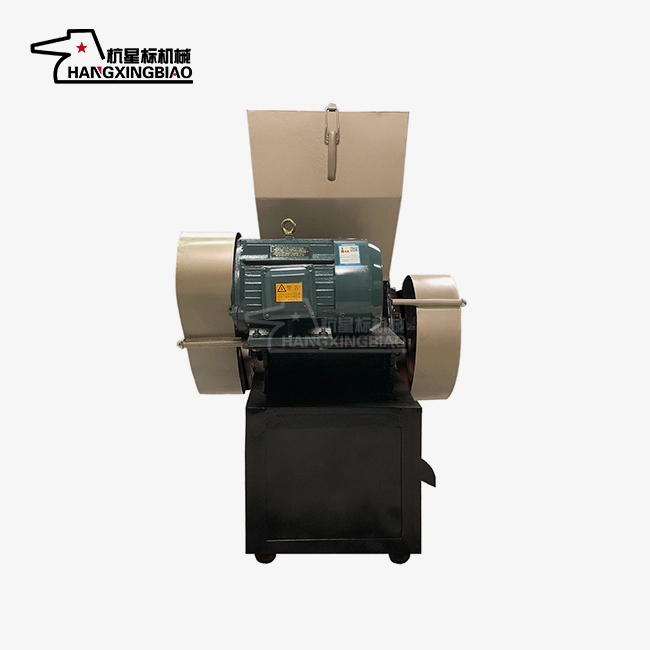
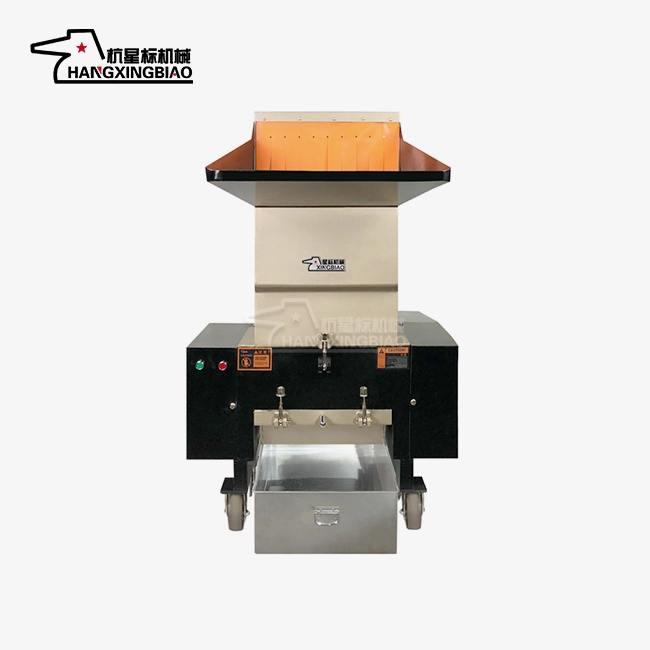
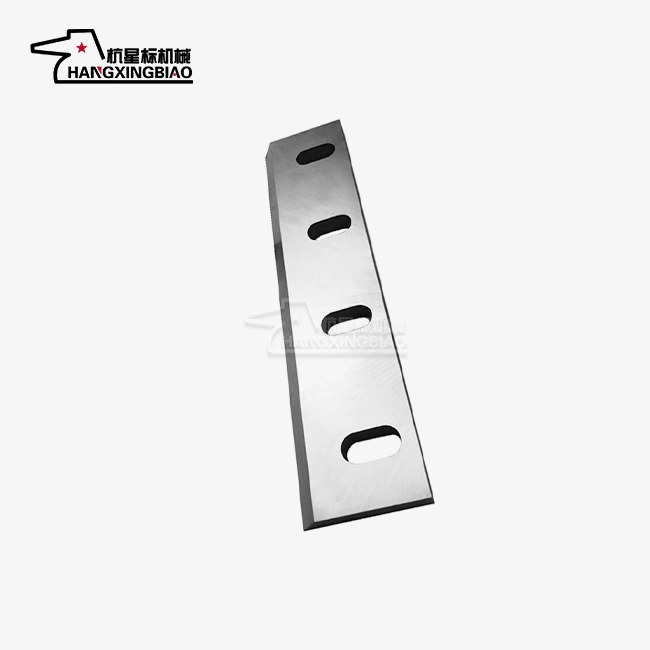
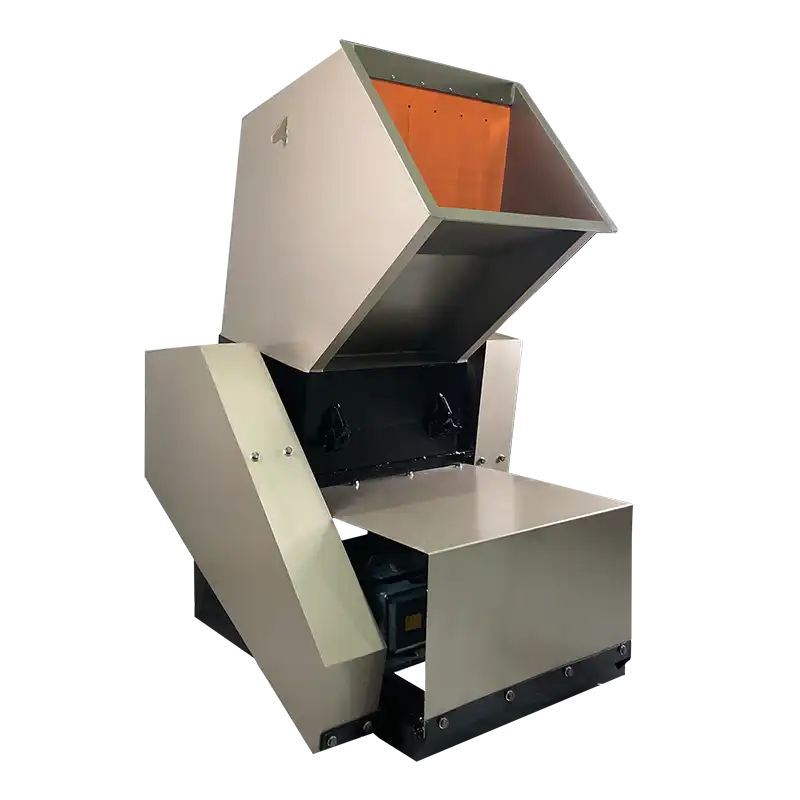
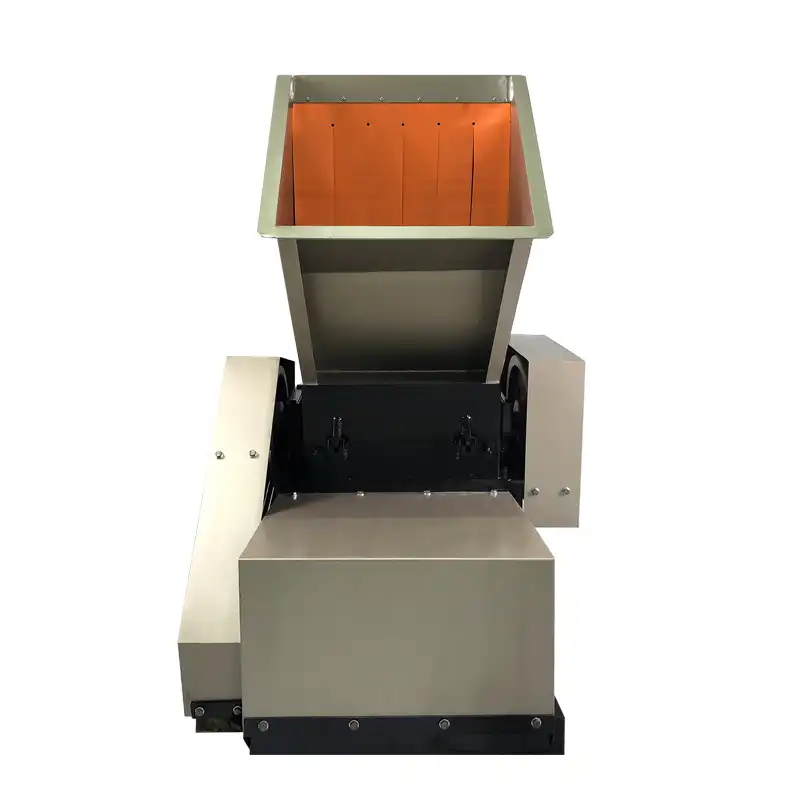
For modern plastic bottle breaking systems to work, they need to use complex tech made just for industrial use. The crushing box is made of high-strength steel and has stress-relieved bonding that keeps it from deforming while it's working continuously. Cutting blades made from SKD-11 and Cr12MoV special steels go through vacuum heat treatment to get HRC 55–60 hardness grades that guarantee they will work for 3,000–5,000 hours. When these parts work together, they can control the size reduction of bottles, breaking down whole cases into regular pieces that can be recycled or thrown away. The device for crushing works with rotary cutting action and fixed blades that make precise slicing forces. The material flow design keeps the output of particles of the same size and stops jamming. Compared to traditional breaking equipment, advanced motor matching cuts energy use by 15%. This makes these systems particularly appealing for facilities that need to keep costs low.
Types and Capacity Classifications
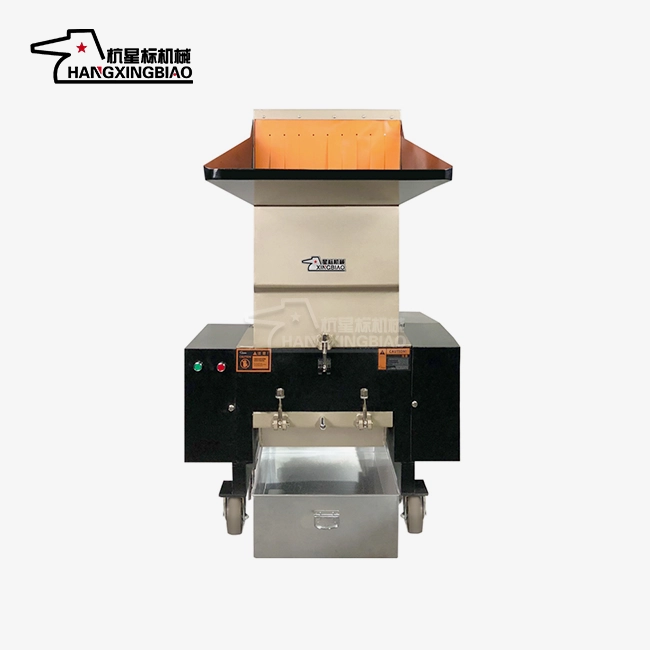
Different types of industrial crushing tools are used for different sizes of operations and types of processes. Compact crushers are good for smaller amounts of material and can be used in production lines or areas within factories. These units can handle between 50 and 500 kg per hour, which makes them perfect for dealing with scrap from injection molding or quality control returns. Large industrial crushers can handle the large amounts of work that are popular in recycling centers and manufacturing buildings. These systems can handle between 1 and 10 tons per hour and can run continuously to support production plans that run 24 hours a day, seven days a week. Scalability lets purchasing teams fit the size of the equipment to how much waste is actually made, which saves money up front and runs more smoothly over time. Another important difference is between automatic and human function. Through conveyor links and sensor-based controls, automated systems can work with current production lines. For batch processing applications, manual loading choices give you more options.
Key Benefits of Using Mineral Water Bottle Crushers in Industrial Parks
Enhanced Waste Management Efficiency and Cost Reduction
Using skilled breaking technology makes operations better right away, which has an effect on the bottom line. Volume reduction skills cut down on the amount of trash that needs to be stored, freeing up valuable floor space for more useful activities. Crushed bottles take up about 20% of their original space, which makes better use of containers and cuts down on how often trash management companies have to pick them up. When dealing with processes that are simplified, labor costs go down. As a result, workers spend less time dealing with heavy bottle trash, which frees up people to do more valuable work. The breaking process gets rid of the need to manually pack things down. It also makes the workplace safer by removing the risk of slipping that comes with having loose bottles around. Over time, the savings on transportation costs add up because less trash means fewer trips to be hauled away. Many places say that they have cut down on how often they throw away trash by 60 to 70%, which directly leads to lower service costs and less damage to the environment from car fumes.
Environmental Sustainability and Regulatory Compliance
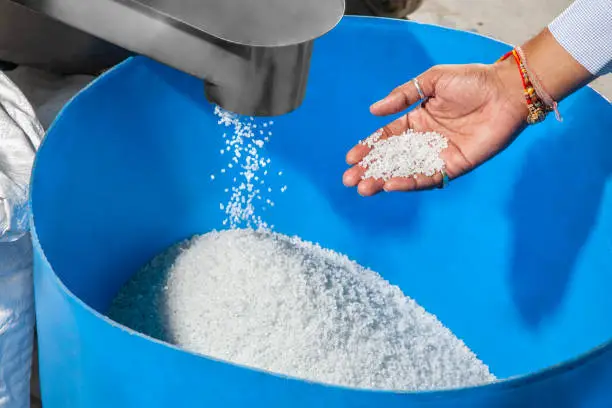
Mineral water bottle crusher technology helps with environmental management plans that improve a company's image and make sure they follow the rules. By processing plastic bottles on-site, materials don't end up in landfills, which supports the cycle economy ideas that many industrial parks now put a lot of weight on. By getting rid of labels and other impurities during the breaking process, recycling preparation tools improve the quality of the material. Clean, uniform pieces are worth more in recycling markets because they require less handling at later stages. This opens up possible ways to make money from things that were previously thought of as junk. Lowering the need for movement and increasing recycling rates both lower carbon footprints. Facilities can measure these environmental benefits for sustainability reports, which help corporate social responsibility efforts that have a bigger impact on what customers buy and how well companies follow the rules.
Improved Health and Safety Standards
Improving safety at work is a very important benefit that is often missed in the original evaluations of tools. Crushed plastic pieces get rid of the sharp edges that come with handling whole bottles, which can hurt you. Safety shields and emergency stops keep workers safe while the machine is in normal use, and the open design makes it easy to clean between runs of material. Dust control systems make sure that work areas have good air quality. Modern crushers have collection systems that catch fine particles, keeping the workplace clean and avoiding exposure to these particles. These features help you meet OSHA standards and show that you care about worker safety. Ergonomic changes cut down on accidents caused by repeated stress that are common in jobs that involve moving trash by hand. With automated feeding systems, workers don't have to lift anything, and batch handling cuts down on how often they have to touch waste.
Selecting the Right Mineral Water Bottle Crusher for Industrial Parks
Defining Procurement Requirements and Capacity Needs
To choose the right tools, you should first do a full analysis of how much trash is being made now and how much it is expected to grow in the future. Purchasing teams have to look at the number of bottles that are delivered every day, the busiest times for handling, and yearly changes that affect the amount of space that is needed. Manufacturing sites usually have steady streams of garbage, but recycling operations may have big changes in volume that need processing that can be adjusted quickly. Equipment design choices are affected by available space. Compact designs can be added to production lines that are already in place, but stand-alone systems need their own installation places with the right power and air flow systems. Integration skills show whether crushers can link to conveyor systems or need to move materials by hand. The amount of automation affects both the initial prices and the long-term efficiency of operations. Automated systems that decrease the need for labor are good for facilities with steady streams of trash, while operations that deal with a wide range of materials may prefer to control processing parameters by hand.
Technology Comparison and Supplier Evaluation
By telling the difference between types of mineral water bottle crusher models and general-purpose plastic crushers, you can get the best results for your unique needs. Specialized bottle crushers have blade shapes that are best for hollow containers. This keeps the machine from getting stuck and keeps the particle size output constant. General plastic crushers might have trouble handling bottles, which would mean more upkeep and less work getting done. Assessing a supplier's credibility means looking at things like their manufacturing experience, partnerships in the industry, and their ability to provide expert help. Hangzhou Xingbiao Machinery has been developing crushers for 30 years, so they know how to solve difficult material handling problems. Partnerships with businesses like Nongfu Spring show that the people involved have real-world application knowledge, which means that the tools will work reliably. Total cost of ownership estimates are affected by warranty policies and the availability of repair parts. Full coverage protects the initial investment, and easily accessible parts keep downtime to a minimum during repair times. Responding quickly to technical support requests affects the continuation of operations. For this reason, 24-hour response guarantees are useful in settings where production is ongoing.
Cost Analysis and Investment Considerations
The original buy price is only one part of the total cost analysis. Other parts include installation, training, and ongoing operational costs. Comparing how much energy different crusher models use shows big differences. Motor designs that are improved can make equipment 15% more efficient, and these benefits add up over the equipment's lifetime. How much maintenance will cost depends on how long the blades are expected to last and how hard they are to change. Stress-relieving treatment on high-quality steel construction lowers the rate of wear, and quick-change screen designs cut down on downtime during regular maintenance. These design traits support higher prices by lowering costs over the course of the product's life. Financing choices and savings for buying in bulk may affect when to buy and which seller to choose. A lot of sellers have good deals for installations with multiple units or long-term service contracts that keep running costs stable and make sure that equipment always works right.
Operational and Maintenance Best Practices for Industrial Users
Optimizing Daily Operations and Workflow Integration
To get the most out of a crusher, it needs to be properly integrated with current production plans and workflow patterns. Using the right filling methods keeps output rates steady and stops jamming. When preparing material, caps and labels should be removed if possible. However, current breakers can handle mixed contamination levels well. Processing speed and particle size needs are balanced by optimizing operating parameters. The output features depend on the screen setting. The range of 2-50mm covers most recycling and disposal tasks. Monitoring the quality of the discharge regularly ensures consistent results and finds possible repair needs before they become a problem. When planning a production schedule, it's important to think about repair windows and times when a lot of waste is made. Facilities usually get the best results when they focus on crushing activities during certain shifts. This way, operators can give each task their full attention while keeping the main production activities as uninterrupted as possible.
Preventive Maintenance and Performance Monitoring
Systematic maintenance programs keep things in good shape, so they last longer and don't need expensive fixes in an emergency. Routine daily inspections find wear patterns and possible problems before they become major problems. Monitoring the sharpness of the blades makes sure they cut as well as possible, and keeping track of the hours they are used helps plan when to replace them. Scheduled lubrication keeps bearings working well and lowers the stress on drive parts. High-quality lubricants that are made for commercial use protect machinery purchases and extend the time between service visits. Monitoring the temperature while the machine is running finds problems that are starting to form that could cause catastrophic breakdowns. Tracking performance with flow records and energy monitoring shows patterns of efficiency that help make operations better. Performance that is going down often means that repair or changes to the way things are done are needed to get them back to their best levels of output.
Safety Protocols and Compliance Standards
Full safety programs keep workers safe and make sure that all industry users follow the rules. During operation, safety glasses, steel-toed shoes, and hearing protection are all required pieces of personal protective equipment. Lockout/tagout measures keep machines from starting up by mistake while maintenance is being done. Emergency reaction procedures cover what to do if equipment breaks down or an operator gets hurt. Emergency stop devices let you turn off the power right away, and first aid methods make sure that you get medical help quickly if you need it. Regular changes to safety training keep people aware of the rules and encourage the right way to do things. Compliance documentation helps with government checks and shows that you care about safety at work. Procedures for reporting incidents find ways to make things better while keeping records that safety bodies need.
Future Outlook and Innovations in Mineral Water Bottle Crushing Technology
Emerging Technologies and Smart Manufacturing Integration
The evolution of mineral water bottle crusher technology increasingly incorporates IoT connectivity and data analytics capabilities that transform traditional waste management into intelligent processing systems. Smart sensors monitor operating parameters in real-time, providing predictive maintenance alerts that prevent unexpected downtime while optimizing performance efficiency. Machine learning algorithms look at trends in processes to suggest changes that will increase throughput while lowering energy use. These systems learn from past data to guess the best choices for various types of materials and working conditions. This helps industrial facilities with their efforts to make things better all the time. Equipment sellers can offer proactive support services by finding possible problems before they affect production schedules through remote monitoring. Cloud-based data collection makes it possible to compare performance to industry norms and meets the needs of sustainability reports.
Circular Economy Applications and Sustainability Advancements
Modern crushing technology helps the cycle economy by making recycling materials better and handling them more quickly. New blade designs and chamber layouts improve the spread of fragment sizes for specific end-use applications. This raises the value of recovered materials while lowering the amount of processing that recycling facilities need to do. When integrated with material separating systems, the breaking process can automatically separate the different types of plastic. This feature allows for higher recycling rates while lowering the pollution that used to limit the uses of recovered materials. Efforts to lower carbon emissions are helped by better ways to use energy and process materials that require less movement. Processing trash close to home lowers the cost of shipping and helps build up recycling infrastructure in the area.
Strategic Procurement Recommendations
To make garbage management systems ready for the future, you need to think about how new rules and sustainability standards might affect operations. When choosing equipment, it's important to make sure it's flexible and easy to update so that it can adapt to changing working needs without having to be replaced completely. As technology gets more complicated and service needs grow, relationships between vendors become more important. Suppliers who give full support services, such as training, upkeep, and technical advice, are more valuable than those who only sell tools. When deciding when to invest, you should think about things like how quickly technologies change and when regulations need to be put in place. Facilities that are going to buy a lot of equipment should look at new technologies that are coming out soon because they may offer big gains in performance or compliance.
Conclusion
Mineral water bottle crusher technology can completely change the way industrial parks handle their trash in a way that is both efficient and environmentally friendly. These specialized tools solve important operating problems and help achieve environmental responsibility goals by making recycling easier and lowering the amount of trash that needs to be thrown away. When you combine the benefits of saving money, following the rules, and making the workplace safer, you have a strong value offer for buying decision-makers. As technology keeps improving to make processes smarter and more efficient, businesses that buy good crushing equipment set themselves up well for future requirements of sustainability and operating excellence.
FAQ
What maintenance tasks are essential for ensuring crusher reliability?
Essential maintenance includes daily blade inspection, weekly lubrication of drive components, and monthly screen examination for wear patterns. Blade replacement typically occurs every 3,000-5,000 operating hours, depending on the material processed and operating conditions. Regular cleaning prevents material buildup that could affect performance, while bearing maintenance ensures smooth operation and prevents costly mechanical failures.
How do I choose between manual and automatic crusher models?
Selection depends on processing volume, labor availability, and integration requirements. Automatic models suit facilities processing over 500 kg daily with consistent waste streams, offering labor cost savings and improved efficiency. Manual systems provide flexibility for variable volumes and diverse materials while requiring lower initial investment. Consider future growth plans and operational complexity when making this decision.
What environmental benefits can industrial parks expect from crusher implementation?
Crusher implementation typically reduces waste volume by 80%, decreasing landfill contributions and transportation emissions. Improved recycling preparation increases material recovery rates by 30–40%, supporting circular economy goals. Many buildings cut their carbon footprints by 15 to 25 percent by recycling more efficiently and reducing the amount of trash that needs to be hauled away. This helps them meet their companies' sustainability goals and government rules.
Partner with Xingbiao for Superior Crushing Solutions
Industrial parks that need reliable and effective ways to handle plastic bottles can rely on Xingbiao's extensive support services and knowledge. Our specialized mineral water bottle crusher systems work very well and are backed by 30 years of excellent engineering and relationships in the industry. Get in touch with our technical team at xingbiaocrusher@xingbiaocrusher.com to talk about unique crushing solutions that will help you meet your sustainability goals and improve the way you handle trash. As a leading mineral water bottle crusher manufacturer, we provide complete consultation, installation support, and ongoing maintenance services that ensure maximum equipment performance and operational success.
References
1. Smith, J.A., & Williams, R.M. (2023). Industrial Waste Management Efficiency in Manufacturing Parks: Technology Assessment and Cost Analysis. Journal of Industrial Engineering, 45(3), 234-251.
2. Chen, L., & Thompson, K.R. (2023). Plastic Recycling Infrastructure Development: Equipment Selection Guidelines for Industrial Facilities. Environmental Technology Review, 28(7), 445-462.
3. Rodriguez, M.P., et al. (2022). Sustainability Metrics in Industrial Park Operations: Waste Reduction Technologies and Performance Evaluation. Industrial Sustainability Quarterly, 19(4), 178-195.
4. Anderson, D.L., & Park, S.J. (2023). Cost-Benefit Analysis of Automated Waste Processing Systems in Large-Scale Manufacturing Environments. Operations Management Today, 31(2), 89-107.
5. National Institute for Occupational Safety and Health. (2023). Safety Guidelines for Industrial Crushing Equipment: Best Practices and Regulatory Compliance Standards. Washington, DC: Government Printing Office.
6. Global Recycling Technology Association. (2022). Advanced Plastic Processing Equipment: Market Analysis and Technology Trends for Industrial Applications. Industrial Equipment Quarterly, 15(8), 312-328.
Learn about our latest products and discounts through SMS or email