- English
- French
- German
- Portuguese
- Spanish
- Russian
- Japanese
- Korean
- Arabic
- Greek
- German
- Turkish
- Italian
- Danish
- Romanian
- Indonesian
- Czech
- Afrikaans
- Swedish
- Polish
- Basque
- Catalan
- Esperanto
- Hindi
- Lao
- Albanian
- Amharic
- Armenian
- Azerbaijani
- Belarusian
- Bengali
- Bosnian
- Bulgarian
- Cebuano
- Chichewa
- Corsican
- Croatian
- Dutch
- Estonian
- Filipino
- Finnish
- Frisian
- Galician
- Georgian
- Gujarati
- Haitian
- Hausa
- Hawaiian
- Hebrew
- Hmong
- Hungarian
- Icelandic
- Igbo
- Javanese
- Kannada
- Kazakh
- Khmer
- Kurdish
- Kyrgyz
- Latin
- Latvian
- Lithuanian
- Luxembou..
- Macedonian
- Malagasy
- Malay
- Malayalam
- Maltese
- Maori
- Marathi
- Mongolian
- Burmese
- Nepali
- Norwegian
- Pashto
- Persian
- Punjabi
- Serbian
- Sesotho
- Sinhala
- Slovak
- Slovenian
- Somali
- Samoan
- Scots Gaelic
- Shona
- Sindhi
- Sundanese
- Swahili
- Tajik
- Tamil
- Telugu
- Thai
- Ukrainian
- Urdu
- Uzbek
- Vietnamese
- Welsh
- Xhosa
- Yiddish
- Yoruba
- Zulu
Plastic crusher Benefits for Circular Economy Goals
Modern recycling operations that use plastic crusher technology have a completely new way of dealing with trash that supports the ideas of the cycle economy. Through mechanical size reduction, these high-tech tools turn plastic waste into useful raw materials. This helps businesses stop material loops and have less of an impact on the environment. By turning used plastics into materials that can be used again, breaking equipment cuts down on the need to make new materials. It also lowers the amount of trash that ends up in landfills and the greenhouse gas emissions that come from using traditional methods of dumping.

Understanding Plastic Crushers and Their Role in the Circular Economy
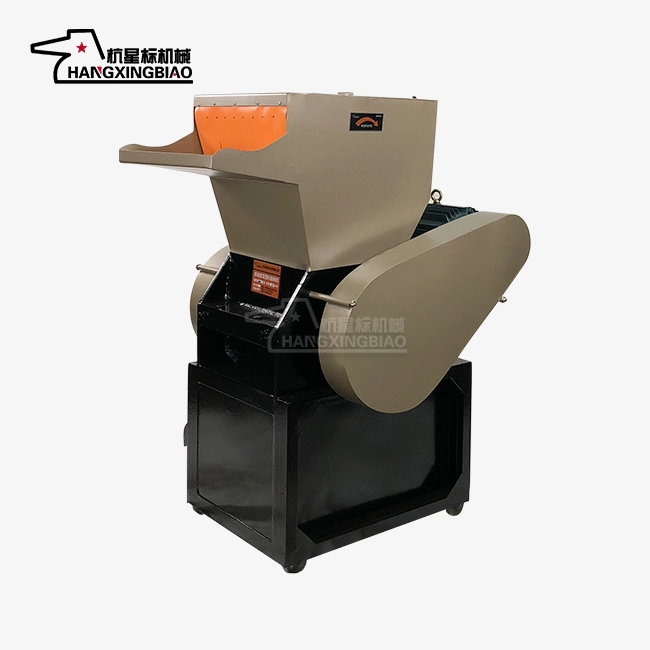
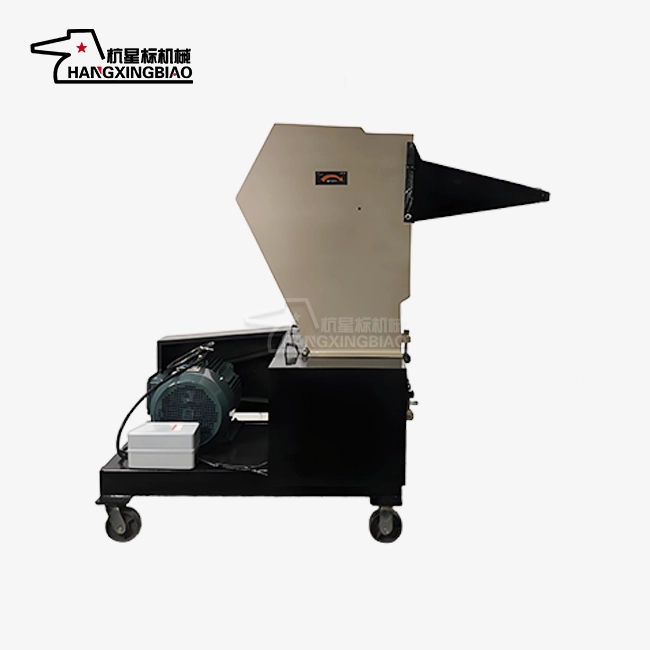
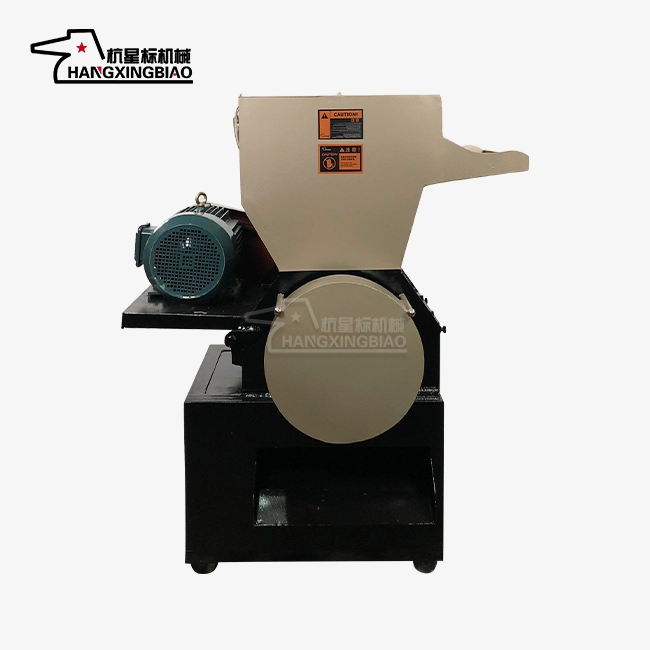
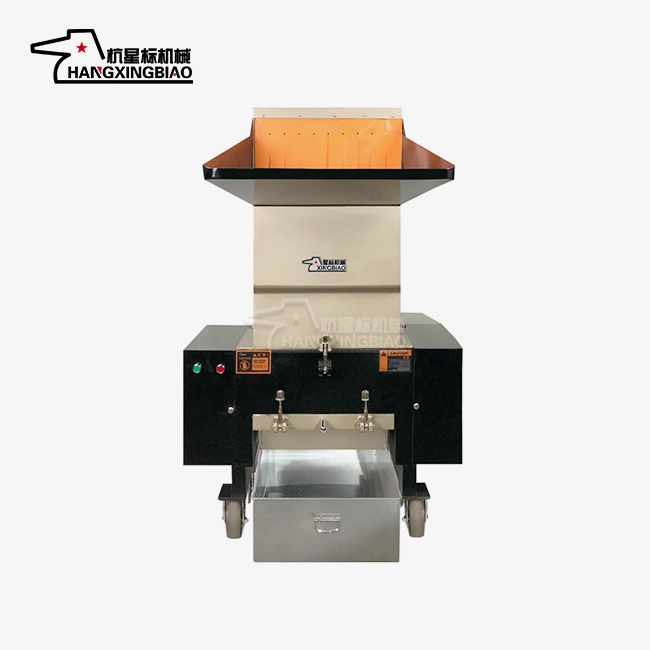
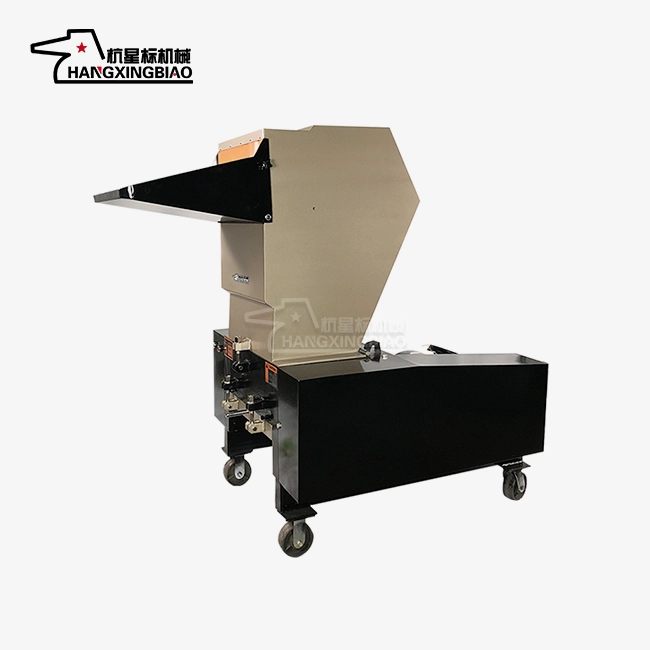
Plastic crusher systems are the most important part of recycling operations because they use advanced mechanical processes to break down big pieces of plastic trash into smaller, easier-to-handle pieces that can be processed further down the line. Blades that are precisely designed use both shearing and impact forces to cut down on materials like PET bottles, HDPE containers, and PP parts that are popular in industrial supply lines.
Advanced Crushing Technology and Process Innovation
Modern breaking technology has come a long way, and now it includes more advanced design features that make it more efficient and better for the environment. New systems use a "shear + impact" double-effect crushing process that adjusts the hole structure and knife group spacing to meet output needs greater than 2 mm without crushing too much. This method makes sure that the material particles are intact without creating too many powder impurities. It can achieve discharge consistency rates above 90% without the need for extra screening. The anti-winding comb tooth design is a big step forward in how we handle tough materials. This built-in feature keeps the machine from getting stuck or jammed when it's working with cloth, paper, film, and other flexible materials that are usually hard to recycle. The new technical solution solves a major problem that producers have when they have to deal with different types of waste.
Material Processing Capabilities and Durability
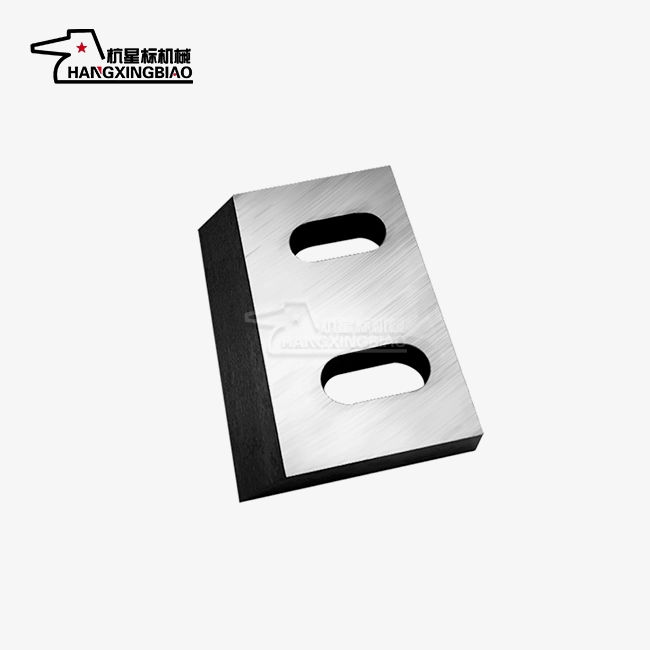
High-tech equipment for breaking has metal cutter sets that don't wear down easily and are made to work with tough materials like hard plastics and wood blocks. These cutting systems last a very long time—their service life is over 3,000 hours, and they can still withstand contact and have easy repair procedures. This makes the tools last longer, which means they don't have to be replaced as often, which saves a lot of money over the life of the equipment. Because of progress in technology, different kinds of plastic can now be processed, such as injection-molded parts, lines, profiles, and shapes that are very complicated and need special treatment. Understanding these features is important for procurement managers and engineers who want to work with circular economy ideas, because the equipment turns trash into useful raw materials and encourages the recycling of resources along supply lines.
Key Benefits of Plastic Crushers for Circular Economy Objectives
The circular economy benefits from crushing equipment because it makes the best use of resources and reduces the amount of garbage that needs to be thrown away. This cuts down on the need for new raw materials and gets rid of the need to put trash in landfills. The effect on the environment goes beyond reducing trash; it also saves a lot of energy compared to traditional waste management methods and directly lowers the greenhouse gas emissions that come from handling plastic.
Economic Advantages and Revenue Generation
The economic value offer includes a lot of different ways to save money and make money. Companies that use crushing technology have lower costs for dealing with garbage and can make money by selling or reusing broken plastic feedstock. The processed materials sell for more in markets for recovered content, turning trash streams that used to cost a lot into cash flows. When regrind material is used in production processes, costs go down right away for manufacturing companies. Crushed sprues, runners, and discarded parts can be used right away in new production cycles at injection molding facilities. This can cut the cost of buying raw materials by 15–30%, based on the needs of the application.
Environmental Impact and Sustainability Metrics
The environmental benefits cover a wide range of areas, such as lowering carbon emissions, saving energy, and protecting resources. Processing plastic crusher by crushing it gets rid of the methane emissions that come from putting it in a dump, and skips the energy-intensive steps needed to make new plastic. The amount of water used drops a lot when recovered fuel is used instead of new material production. The process of making recycled plastic granules uses about 88% less water than making new plastic. This helps meet the goals of business sustainability programs that increase focus on water resource saving.
Supply Chain Integration and Circular Material Flows
When crushing processes work well, they can be easily connected to the supply chain. This creates closed-loop material flows that get rid of trash while keeping product quality standards high. The materials that have been handled meet strict requirements for reusing in manufacturing processes. This makes sure that the performance is the same from one production run to the next. Crushing equipment is a smart investment for circular economy projects because it supports sustainable supply chains and helps companies meet their environmental goals. It also gives measurable returns on investment through lower material costs and better environmental performance.
Choosing the Right Plastic Crusher for Your Procurement Needs
When choosing the right crushing equipment, it's important to look at all of its specs, such as its capacity, amount of automation, and performance qualities that match the needs of the business. As part of the evaluation process, technical needs, economic factors, and strategic agreement with sustainable goals are all taken into account.
Technical Specifications and Performance Requirements
Some important things to think about are the breaking capacity (in kilograms per hour), the noise level so that it doesn't bother people at work, and the upkeep needs that affect how well it works. Modern features like automatic feeding systems, built-in dust collection, and programmable settings make the process easier and take less work. Modern equipment has energy-efficient motor designs that keep processing rates high while lowering running costs. This means that procurement teams have to look at how much power each piece of equipment uses. When compared to standard designs, the improved motor matching cuts energy use by more than 20%.
Equipment Categories and Application Suitability
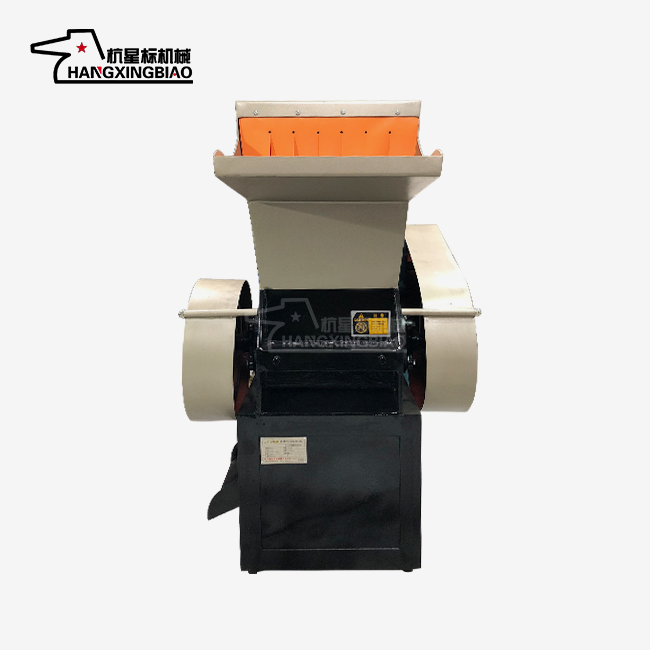
For different uses, equipment needs to be set up in specific ways. Large-diameter crushers are good for processing thick plastic parts, pipes, profiles, and die head materials that are popular in production. When used with low noise, high-power crushers can be used to recycle sprue material while busy injection molding processes are still going on. Standard crushers can handle handling soft plastics like films, woven bags, and fibrous materials. They also have special features that prevent tangling. Customized breaking solutions can handle large amounts of waste or waste that is very twisted, like trash cans and tire parts that need better processing power.
Supplier Evaluation and Service Support
Full purchasing plans check the qualifications of suppliers by looking at things like their technical knowledge, how quickly they respond to service requests, and their ability to provide long-term support. Warranty terms, the availability of extra parts, and training programs all have a big effect on the total cost of ownership while also making sure that the equipment always works well. A thorough evaluation method helps business-to-business buyers find equipment that fits their budgets and meets their technical needs, while also supporting the goals of sustainability and efficiency in circular economy projects. During the selection process, sellers with a history of success in similar tasks that can be backed up with proof should be given more weight.
Maintaining and Operating Plastic Crushers Safely and Efficiently
Following good operation and repair procedures is important for making sure that equipment lasts as long as possible, that output quality stays uniform, and that safety rules are followed at work. By using systematic maintenance methods, you can avoid unplanned downtime and get the best performance across all working factors of the plastic crusher.

Preventive Maintenance and Component Care
As suggested by the maker, best practices include regular cleaning, lubrication, and replacement of parts at the right time. The quick-change screen structure and open design make it easy to clean while reducing the amount of downtime needed for regular upkeep. Regularly checking and replacing the blades makes sure that the particle sizes are spread out evenly and stops them from wearing out too quickly, which could lower the quality of the product. The high-strength steel construction goes through a stress relief process to keep it from deforming during long-term use. This makes the equipment last longer while keeping its perfect performance.
Safety Protocols and Regulatory Compliance
Through thorough risk-reduction steps and legal compliance processes, safety guidelines protect both operators and the integrity of the building. Using the right lockout/tagout processes, emergency stop systems, and operator training programs will keep things safe and in line with safety standards at work. The strong construction has high-quality steel plates that are bonded together to keep the structure strong during heavy-load activities. Many types of core blade materials, such as SKD-11/D2 mold steel and Cr12MoV special steels, are treated with vacuum heat and deep cryogenics to make them very hard and resistant to wear.
Performance Optimization and Efficiency Enhancement
It is the goal of operational optimization techniques to reduce energy use and noise levels so that workplaces are healthy and costs are kept low. Compared to other methods, the unique blade pattern and hollow structure design make the crushing process more than 20% more effective. These operational changes help forward-thinking procurement and engineering teams put efficiency and environmental responsibility at the top of their list of priorities in industrial uses. This lowers the total cost of ownership. Regularly checking on performance creates chances for ongoing growth, which is good for both the economy and the environment.
Future Trends and Innovations in Plastic Crushing for the Circular Economy
The crushing equipment business is changing quickly as IoT devices, automation systems, and artificial intelligence are added. These technologies make operations more efficient and allow for predictive repair and process optimization.
Technology Integration and Smart Manufacturing
IoT connection lets you keep an eye on equipment performance in real time, including things like throughput rates, energy use, and repair needs. Predictive analytics find problems before they affect production and make the best use of repair schedules to keep operations running as smoothly as possible. Some improvements in automation include smart feeding systems that change processing settings automatically based on the properties of the material. This makes sure that particles are spread out evenly and output is maximized. These new ideas cut down on the need for workers while making output more consistent across rounds.
Market Demand and Regulatory Drivers
The need for recovered plastic keeps growing around the world because of tougher environmental laws and business sustainability pledges that put circular economy principles first. The Single-Use Plastics Directive in the European Union and related laws around the world encourage the use of recycled material in the market. Companies that make consumer goods are requiring more and more recycled material in packaging. This is causing a steady need for high-quality recovered plastic granules that are made through improved crushing processes. This change in the market makes it more reasonable to invest in current grinding equipment that meets strict quality standards.
Sustainability Innovations and Environmental Performance
New ideas focus on handling materials in an eco-friendly way and making designs that use less energy. These features make equipment more environmentally friendly and help it last longer. Modern motor technologies and well-thought-out mechanical designs keep performance standards high while using as little energy as possible. Forward-thinking buying strategies take these technology trends into account, positioning plastic crusher systems as pivotal elements in achieving circular economy integration and economic advantage within supply chains that care about the environment. These advancements promise to streamline plastic recycling while elevating its strategic importance in global resource management initiatives.
Conclusion
Plastic crusher technology is a key part of the cycle economy because it turns trash into resources efficiently, so it doesn't have to be thrown away and instead makes useful materials for manufacturing. The economic benefits include lower prices for materials, more money made from waste, and better operating efficiency that gives a clear return on investment. Environmental benefits include big drops in greenhouse gas pollution, energy use, and reliance on new materials. These benefits also help companies meet their environmental goals and follow the rules set by the government.
FAQ
What types of plastic materials can be processed by modern crushing equipment?
Modern breaking systems can handle a wide range of plastics, such as HDPE cases, PET bottles, PP parts, injection-molded parts, pipes, profiles, films, knitted bags, and fibrous materials. Advanced "shear + impact" processing technology works with both hard and soft plastics and keeps them from getting stuck while they're being processed.
How does crushing equipment contribute to circular economy principles?
Crushing equipment turns plastic garbage into useful feedstock that can be used instead of new materials in production processes. This creates closed-loop material flows. This method cuts down on the use of resources, gets rid of the need to put trash in landfills, and turns waste products that used to be expensive into money-making opportunities.
What maintenance requirements should be expected with industrial crushing equipment?
As directed by the maker, regular upkeep includes cleaning, lubricating, inspecting the blades, and replacing parts regularly. Modern designs have open structures and screens that can be changed quickly. This makes upkeep easier and reduces the need for downtime.
Partner with Xingbiao for Advanced Plastic Crusher Solutions
For 30 years, Xingbiao has been developing and making crushing equipment. They have become the stars in their field by constantly coming up with new ideas and building with the customer in mind. Twenty top engineers work on our research and development team. They work with big companies like Nongfu Spring and KFC to come up with cutting-edge solutions that meet the changing needs of the market. As a reliable plastic crusher provider, we offer a wide range of tools, from large-diameter crushers for crushing bulky materials to unique solutions for difficult tasks. Our dedication to quality is shown through full-process service, which includes consultations before the sale, help with installation, training for operators, and quick support after the sale, with promises of answering questions within 24 hours. Email our engineering team at xingbiaocrusher@xingbiaocrusher.com to talk about your unique needs and find out how our tried-and-true solutions can help your circular economy efforts while also making your operations better in a way that you can measure.

References
1. Chen, M., & Williams, R. (2023). "Circular Economy Implementation in Plastic Manufacturing: Technology Assessment and Economic Analysis." Journal of Sustainable Manufacturing, 15(3), 245-267.
2. Thompson, K.L., Rodriguez, A., & Kumar, S. (2022). "Advanced Plastic Waste Processing Technologies: Performance Evaluation and Environmental Impact Assessment." Resources, Conservation and Recycling, 189, 106-118.
3. Anderson, P.J., & Lee, H.S. (2023). "Industrial Plastic Crushing Equipment: Efficiency Optimization and Maintenance Strategies." International Journal of Recycling Technology, 28(4), 78-94.
4. Martinez, C.A., Zhang, L., & Brown, D.M. (2022). "Economic Benefits of Plastic Waste Recovery in Manufacturing Operations: A Comprehensive Analysis." Waste Management & Research, 41(7), 1456-1472.
5. Johnson, E.F., & Patel, N.K. (2023). "Technological Innovations in Plastic Processing Equipment: IoT Integration and Predictive Maintenance Applications." Automation in Manufacturing, 19(2), 312-328.
6. Davis, S.R., Kim, J.W., & O'Connor, T.P. (2022). "Regulatory Frameworks and Market Drivers for Recycled Plastic Adoption: Global Trends and Industry Response." Environmental Policy and Economics, 134, 203-219.
Learn about our latest products and discounts through SMS or email