- English
- French
- German
- Portuguese
- Spanish
- Russian
- Japanese
- Korean
- Arabic
- Greek
- German
- Turkish
- Italian
- Danish
- Romanian
- Indonesian
- Czech
- Afrikaans
- Swedish
- Polish
- Basque
- Catalan
- Esperanto
- Hindi
- Lao
- Albanian
- Amharic
- Armenian
- Azerbaijani
- Belarusian
- Bengali
- Bosnian
- Bulgarian
- Cebuano
- Chichewa
- Corsican
- Croatian
- Dutch
- Estonian
- Filipino
- Finnish
- Frisian
- Galician
- Georgian
- Gujarati
- Haitian
- Hausa
- Hawaiian
- Hebrew
- Hmong
- Hungarian
- Icelandic
- Igbo
- Javanese
- Kannada
- Kazakh
- Khmer
- Kurdish
- Kyrgyz
- Latin
- Latvian
- Lithuanian
- Luxembou..
- Macedonian
- Malagasy
- Malay
- Malayalam
- Maltese
- Maori
- Marathi
- Mongolian
- Burmese
- Nepali
- Norwegian
- Pashto
- Persian
- Punjabi
- Serbian
- Sesotho
- Sinhala
- Slovak
- Slovenian
- Somali
- Samoan
- Scots Gaelic
- Shona
- Sindhi
- Sundanese
- Swahili
- Tajik
- Tamil
- Telugu
- Thai
- Ukrainian
- Urdu
- Uzbek
- Vietnamese
- Welsh
- Xhosa
- Yiddish
- Yoruba
- Zulu
Plastic crusher Uses: From Waste to Recycled Feedstock
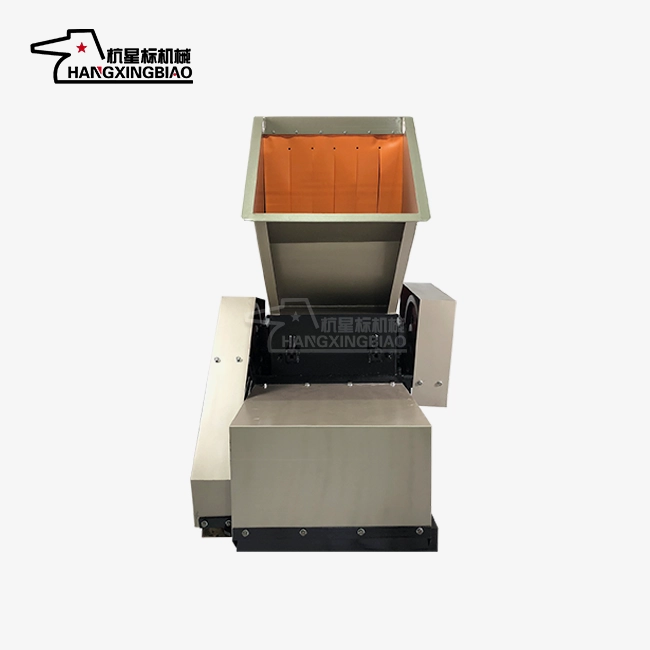
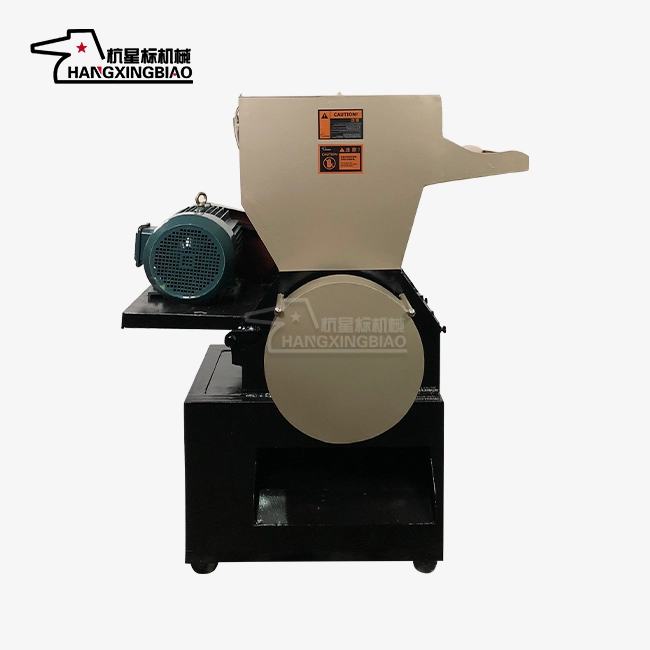
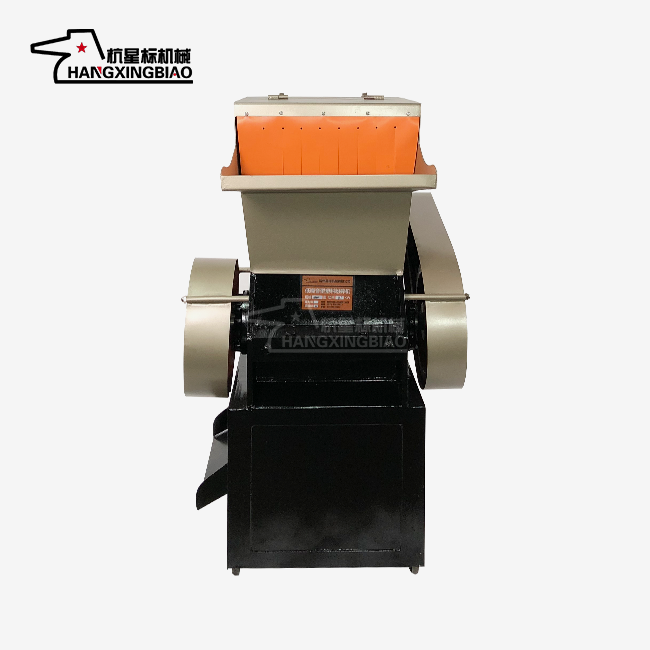
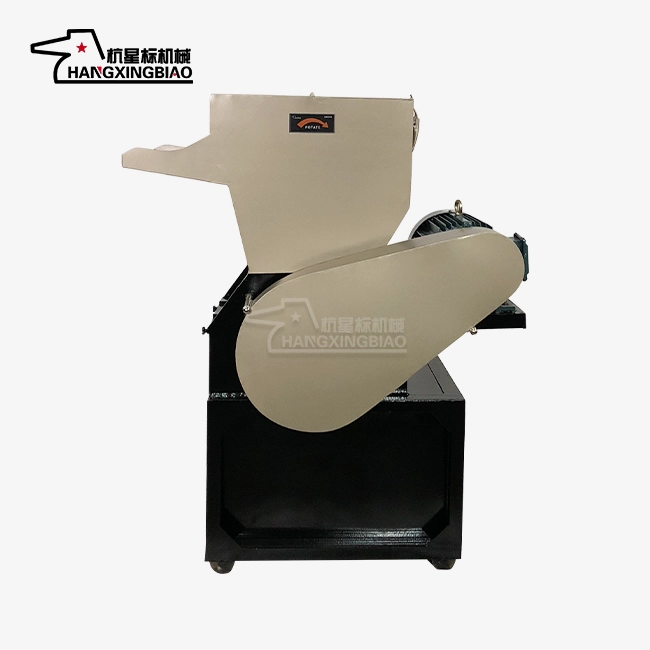
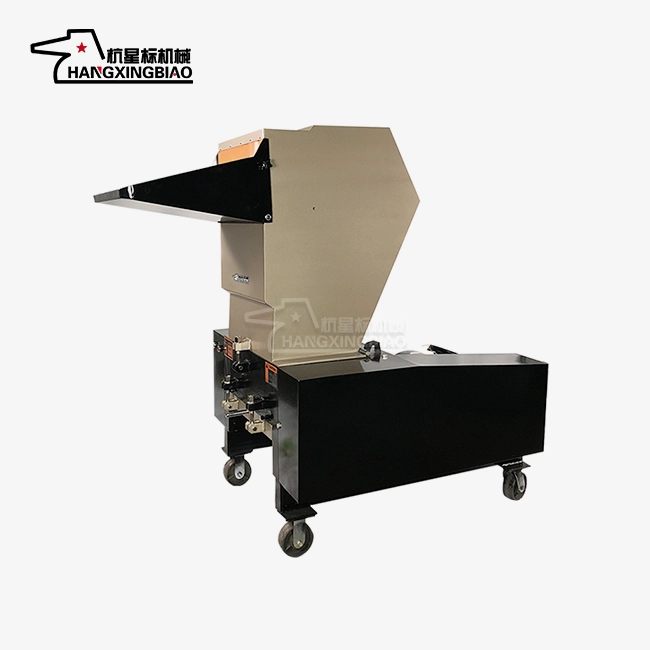
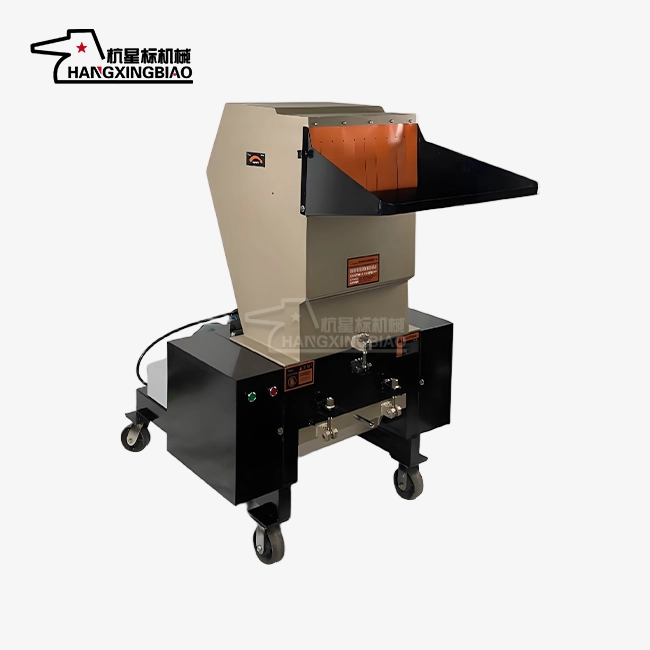
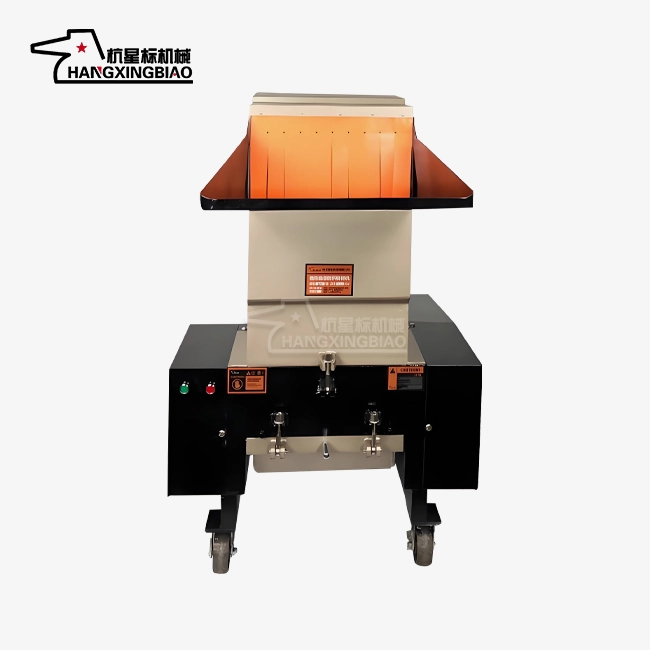
A Plastic crusher turns used plastic into pellets that can be used again. This lets companies get money back from production scrap and post-consumer trash. This special machine cuts the amount of plastic trash by up to 80%, turning things like film, rigid containers, and leftovers from injection molding into uniform feedstock that can be used again. Modern crushers do more than just reduce the size of materials. They also deal with important issues like keeping the purity of the materials, saving energy, and running nonstop, all of which have a direct effect on how profitable plastic production and recycling businesses are.
Understanding Plastic Crushers and Their Role in Recycling
Core Function and Operating Principles
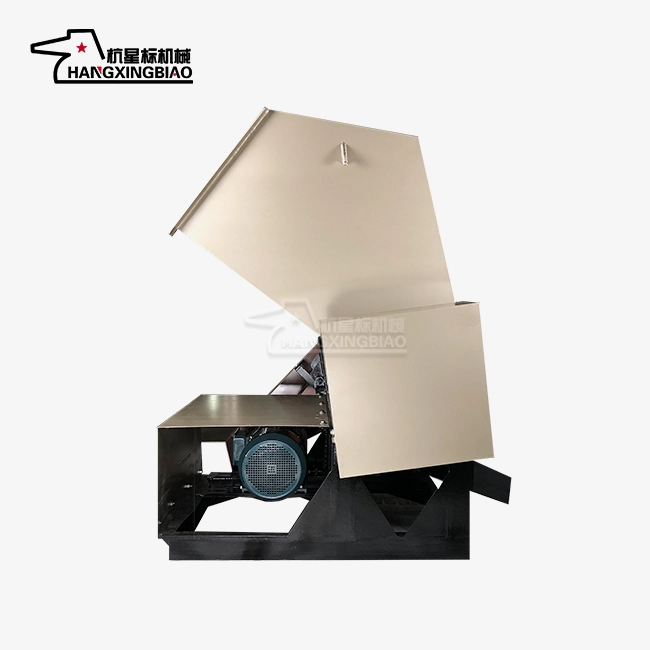
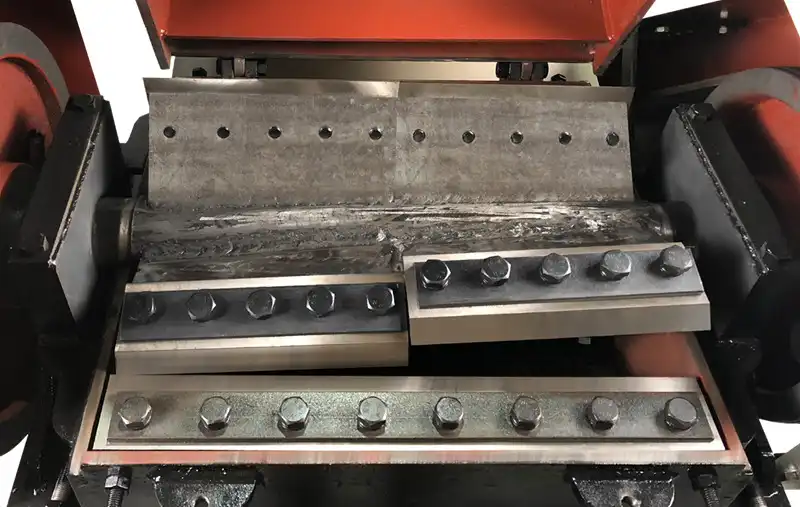
Plastic crusher equipment breaks down big pieces of plastic into smaller, easier-to-handle pieces that can be reused. High-speed spinning blades on strong rotors make these machines work. They cut materials into uniform granules by working against fixed counter-knives. Throughput capacity and output quality are all affected by the design of the blades, the feed system, and the breaking chamber. The "shear + impact" double-effect crushing process used by modern crushers blends controlled cutting forces with impact forces. This method finds the best hole structure and blade spacing to meet specific discharge needs, especially for tasks that need pieces bigger than 2mm. The technology stops too much pulverization, which keeps the purity of the material particles without making powder impurities that infect the recovered feedstock.
Machine Types and Industrial Applications
Different kinds of equipment meet different operating needs. Single-shaft Plastic crusher units can handle lighter materials and have small installation sizes that make them good for recycling next to injection molding machines. When working with thicker materials like pipes, profiles, and rigid containers, double-shaft designs offer more power. Industrial models with four shafts give high-volume recycling businesses the most output when they handle mixed plastic streams. Performance life is directly linked to the quality of the parts used. The main parts of heavy-duty units are made from welded high-strength steel plates that have been treated to relieve stress. This keeps the steel from deforming during long periods of use. Core blades made from SKD-11, D2 mold steel, or Cr12MoV special steels go through vacuum heat treatment and deep cryogenic processing to make them as hard as possible. This makes them last longer than 3,000 working hours. This makes the blades last longer, which cuts down on the costs of replacing them often, which add up quickly in settings where work is ongoing.
Business Value in B2B Operations
Adding Plastic crusher equipment leads to measurable gains in operations. Reusing production waste cuts costs for raw materials by 20 to 30 percent, and it also lowers the cost of getting rid of trash. Material recovery rates are higher when automatic Plastic crusher systems process trash right away instead of storing rejects until they can be thrown away somewhere else. These improvements in efficiency make businesses more competitive in fields where material costs make up 40 to 60 percent of all production costs. Following the rules about the environment is another practical benefit. Regulations require more and more trash reduction goals and recovery material levels. Plastic crusher equipment gives companies a way to get rid of waste and meet sustainability reporting standards. This makes them more appealing to customers and government agencies that care about the environment.
From Waste to Feedstock – The Plastic Crushing Process Explained
Collection and Sorting Requirements
Systematic collection and organizing methods are the first step in turning trash into high-quality feedstock. Material contamination is still the main thing that lowers the worth of recovered plastic. Operations must sort plastics by material type (PET, HDPE, PP, and PVC), since mixing polymers that don't work well together makes output that can't be used. Getting rid of non-plastic contaminants like metal screws, paper labels, and organic leftovers keeps the Plastic crusher from breaking down and improves the quality of the output. At this point, manufacturing sites have an edge because the production scrap they get has already been sorted by material type. Recycling centers that deal with used goods buy either human sorting lines or automatic optical recognition systems to make sure that the waste is separated properly before it is crushed.
Crushing and Size Reduction Phase
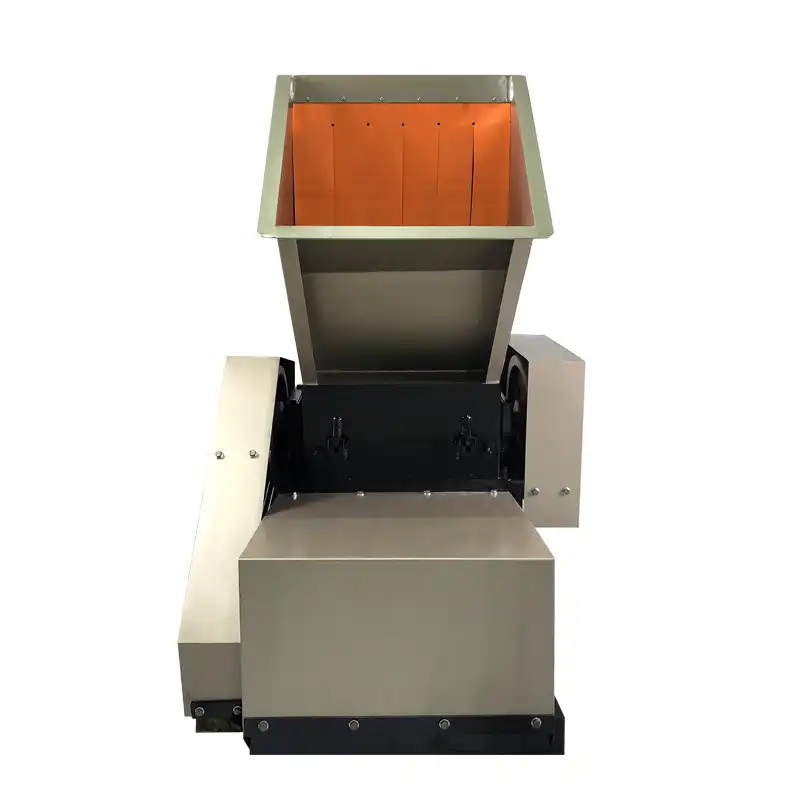
The part of crushing sets the end granule's size and shape, which are very important for processing that comes after. The choice of a plastic crusher relies on the properties of the material going in and the specs of the output that is wanted. Film-specific units have built-in anti-winding comb tooth designs that keep them from getting jammed when working fabrics, paper composites, and thin films, which tend to wrap around standard blade configurations. Uniform output has a direct effect on how well recycling works. Modern Plastic crusher systems get output uniformity of more than 90%, so they don't need extra screening, which adds steps to the process and costs money to handle. Optimized blade plans and cavity designs control the distribution of particle sizes, making grains that feed easily into extrusion and injection molding machines without sticking together or melting at different rates. The amount of output must match the throughput ability. Small recycling businesses that process 200 to 500 kg/hour choose standard, small units. Large manufacturing plants, on the other hand, need industrial-scale Plastic crusher machines that can handle 2,000 kg/hour or more. Matching capacity stops bottlenecks that slow down production and pile up materials that haven't been handled yet.
Post-Crushing Processing and Quality Control
Crushed grains are usually washed to get rid of dirt on the surface, and then they are dried mechanically or thermally until the moisture content drops below 0.5%. This level of wetness stops processing problems like bubbles from forming and material breakdown during remelting. Pelletizing systems take clean, dry grains and turn them into regular pellets that move easily through Plastic crusher machinery for moving materials. Quality control tests make sure that the recovered fuel meets the requirements for color consistency, melt flow rate, and tensile strength. Purchasing managers can be sure that recycled material works just as well as new plastic in certain situations, thanks to strict testing methods.
Choosing the Right Plastic Crusher for Your Business Needs
Evaluating Capacity and Technical Specifications
To choose the right Plastic crusher tools, you need to look at certain working factors. The main requirement is the desired crushing capacity, which is given in kilograms per hour and is directly related to the amount of output and trash that is produced. Too little or too much equipment slows down the process, and too much or too little equipment wastes money and energy. Machine size affects how well a building fits together. For immediate scrap reclamation, small units measuring 1.2m x 0.8m can be used with injection molding machines. For large-scale recycling activities, industrial models needing 4m x 3m of floor space can be used. Ceiling height limits affect how hoppers are designed and how materials are loaded. Calculations of energy economy show how much it costs to run a business. Compared to older designs, modern Plastic crusher equipment is 20% or more efficient thanks to better blade shapes and motor matching. This change will save a lot of money over the course of a year's worth of working hours. Facilities that have to follow working noise level rules should consider noise emissions. For example, special low-noise units work below 75 decibels, which meets OSHA guidelines without the need for acoustic enclosures.
Comparing Equipment Categories
Knowing the differences between Plastic crusher units, shredders, and granulators helps you choose the right tools. The best thing about crushers is that they can turn pre-sorted materials into regular grains quickly and consistently. Shredders can handle both mixed trash streams and large items. They shred things quickly but not evenly. Granulators make tiny bits that can be used in certain situations that need them to be small. Material properties determine which group to use. Standard units are good at breaking down rigid plastics like injection-molded parts, containers with thick walls, and pipe sections. Film materials, woven bags, and flexible packages need special designs to keep the material from rolling around the blades. High-wear-resistant metal cutter sets can cut through rough materials like glass-filled composites and mineral-reinforced plastics, which dull regular blades very quickly.
Supplier Evaluation and Partnership Considerations
The name and technical knowledge of the supplier have a big effect on the long-term value of the Plastic crusher tools. Established manufacturers show their success by providing customer examples and having been in the business for a long time. Companies that only make breaking technology, like Hangzhou Xingbiao Machinery, which has been making plastic crushers for 30 years, are more knowledgeable than companies that sell a lot of different kinds of equipment. Through constant product development, this specialty leads to better designs that solve problems in certain industries. Patented technologies, study partnerships between businesses and universities, and proven performance gains are all signs of innovation. Xingbiao's partnerships with big companies like Nongfu Spring and KFC show that their Plastic crusher tools can work in tough production settings. Research teams with 20 or more top engineers show that the company is committed to constantly improving crushing technology instead of offering old designs. Equipment expenses are protected by warranties and include help after the sale. Comprehensive programs include promises to respond 24 hours a day, help with installation, training for operators, frequent repair visits, and access to extra parts. These services reduce the chances of downtime that will mess up production plans. When you look at the total cost of ownership over the 10-year life of an item, you can see that better support explains higher prices by reducing working interruptions.
Maintenance, Safety, and Operational Best Practices
Routine Maintenance Protocols
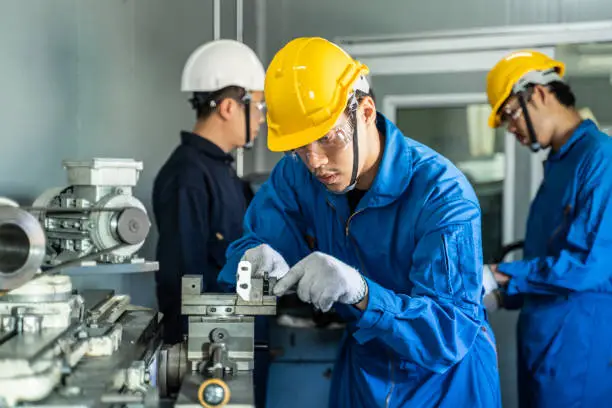
To get the most out of a Plastic crusher's life, it needs regular repair that takes care of both wear parts and operating systems. Cleaning it every day gets rid of the plastic fines and material leftovers that build up and get in the way of airflow and blade movement. Every week, the blades, screens, and fasteners are checked to make sure they are sharp and in good shape. Lubricating bearings and drive systems once a month keeps parts from breaking down too soon.
Safety Standards and Operator Training
Safety at work is still the most important thing when using a Plastic crusher with big materials and spinning blades. Full training for operators includes learning about the risks that come with the machine, how to shut it down in an emergency, lockout/tagout processes, and the right way to load materials. Before letting students operate machines on their own, training programs should make sure that the students' credentials are verified.
Troubleshooting Common Operational Challenges
Rotors that aren't balanced, worn bearings, or loose fastening nuts can all cause too much shaking in the Plastic crusher. Stopping operations right away and inspecting them stops catastrophic breakdowns and additional equipment harm. Strange noise patterns indicate similar problems that need immediate attention.
Maximizing ROI – Applications and Strategic Benefits of Plastic Crushers
Quantified Financial Returns
The money you make from Plastic crusher tools can be measured in a number of ways. Direct material cost savings add up when factories reuse production waste instead of buying the same amount of new plastic. If the cost of materials is $1.50/kg and the scrap is recovered 80% of the time, a manufacturing business that makes 1,000 kg of scrap per month will save $12,000 to $18,000 per year.
Industry-Specific Applications
Plastic crusher options are used in the manufacturing sector to meet specific working needs. Injection molding factories put in units next to the machines to handle sprues, runners, and discarded parts as soon as they are made. This setup keeps scrap from piling up, takes up less floor space, and makes sure that remolding processes always have feedstock.
Supporting Circular Economy Objectives
Beyond financial measures, Plastic crusher equipment helps companies with their environmental efforts, which are becoming more and more respected by customers, investors, and government agencies. Documented material recycling rates show real care for the environment, which supports ESG reporting standards and green certifications.
Conclusion
With Plastic crusher technology, managing garbage goes from being a cost center to a business that recovers value. Modern equipment meets important industry needs like keeping materials' purity, being reliable, and handling materials efficiently, all of which have a direct effect on profits. Strategically choosing tools by taking into account capacity needs, material properties, and supplier abilities sets the stage for a successful application. Proper repair procedures and user training make sure that equipment lasts as long as possible and that the workplace is safe. Crushing systems provide clear financial benefits, environmental advantages, and competitive advantages that make them worth investing in for recycling and production sites that want to be the best at what they do and lead the way in sustainability.

FAQ
What distinguishes plastic crushers from shredders in industrial applications?
Plastic crusher units use precise blade cutting to make regular granules, which are great for industrial waste that needs to be reprocessed in the same way. Shredders can handle mixed, bulky materials with a strong tearing action, making them good for reducing the original amount of post-consumer trash. The right equipment group is based on the properties of the material and the output specs that are wanted.
How do we determine the appropriate crusher size for our facility requirements?
Figure out how much trash is made each hour during times of high output. Choose Plastic crusher tools with a capacity that is 20–30% higher than this rate to provide a working buffer. Think about the floor space you have, the height of the ceiling, and the points where you can connect to current production lines. Talking to expert manufacturers makes sure that the right size is chosen based on the specifics of the process.
What financing solutions facilitate crushing equipment investment?
Leasing Plastic crusher equipment spreads out costs over three to five years, which protects operating capital and gives instant operational benefits. A lot of sellers offer financing programs through partner organizations that know how to value industrial tools. Return-on-investment estimates that show big savings and lower dumping costs are needed to get capital approved by giving exact dates for when the money will be paid back.
Partner with Xingbiao – Your Specialized Plastic Crusher Manufacturer
For 30 years, Xingbiao Machinery has only worked on Plastic crusher technology, providing tried-and-true solutions that are trusted by leaders in the field. Our engineering team has come up with special features to solve your biggest processing problems. For example, anti-winding designs can handle difficult films, and high-wear metal blades can last for more than 3,000 hours. We know what practical pressures plant managers are under because we've helped companies like KFC and Nongfu Spring make their material recovery systems work better.
Whether you run an injection molding facility that needs small units next to the machines or a high-volume recycling business that needs industrial-scale flow, our wide range of products has exactly what you need. We're not just interested in selling you tools; we're also committed to protecting your investment with 24-hour expert help, thorough operator training, and quick delivery of spare parts. Contact our team at xingbiaocrusher@xingbiaocrusher.com to talk about your specific needs with experienced Plastic crusher suppliers who understand the problems your business faces and can give you reliable technology that works year after year.
References
1. Thompson, R.C., Moore, C.J., vom Saal, F.S., and Swan, S.H. (2009). "Plastics, the environment and human health: current consensus and future trends." Philosophical Transactions of the Royal Society B: Biological Sciences, 364(1526), 2153-2166.
2. Hopewell, J., Dvorak, R., and Kosior, E. (2009). "Plastics recycling: challenges and opportunities." Philosophical Transactions of the Royal Society B: Biological Sciences, 364(1526), 2115-2126.
3. Al-Salem, S.M., Lettieri, P., and Baeyens, J. (2009). "Recycling and recovery routes of plastic solid waste (PSW): A review." Waste Management, 29(10), 2625-2643.
4. Vilaplana, F. and Karlsson, S. (2008). "Quality concepts for the improved use of recycled polymeric materials: a review." Macromolecular Materials and Engineering, 293(4), 274-297.
5. Pivnenko, K., Eriksen, M.K., Martín-Fernández, J.A., Eriksson, E., and Astrup, T.F. (2016). "Recycling of plastic waste: Presence of phthalates in plastics from households and industry." Waste Management, 54, 44-52.
6. Schyns, Z.O. and Shaver, M.P. (2021). "Mechanical recycling of packaging plastics: A review." Macromolecular Rapid Communications, 42(3), 2000415.
Learn about our latest products and discounts through SMS or email