- English
- French
- German
- Portuguese
- Spanish
- Russian
- Japanese
- Korean
- Arabic
- Greek
- German
- Turkish
- Italian
- Danish
- Romanian
- Indonesian
- Czech
- Afrikaans
- Swedish
- Polish
- Basque
- Catalan
- Esperanto
- Hindi
- Lao
- Albanian
- Amharic
- Armenian
- Azerbaijani
- Belarusian
- Bengali
- Bosnian
- Bulgarian
- Cebuano
- Chichewa
- Corsican
- Croatian
- Dutch
- Estonian
- Filipino
- Finnish
- Frisian
- Galician
- Georgian
- Gujarati
- Haitian
- Hausa
- Hawaiian
- Hebrew
- Hmong
- Hungarian
- Icelandic
- Igbo
- Javanese
- Kannada
- Kazakh
- Khmer
- Kurdish
- Kyrgyz
- Latin
- Latvian
- Lithuanian
- Luxembou..
- Macedonian
- Malagasy
- Malay
- Malayalam
- Maltese
- Maori
- Marathi
- Mongolian
- Burmese
- Nepali
- Norwegian
- Pashto
- Persian
- Punjabi
- Serbian
- Sesotho
- Sinhala
- Slovak
- Slovenian
- Somali
- Samoan
- Scots Gaelic
- Shona
- Sindhi
- Sundanese
- Swahili
- Tajik
- Tamil
- Telugu
- Thai
- Ukrainian
- Urdu
- Uzbek
- Vietnamese
- Welsh
- Xhosa
- Yiddish
- Yoruba
- Zulu
What is the function of the screen in a plastic crusher machine?
If you make things out of plastic or recycle it, you've possibly wondered how a plastic crusher can make such steady, even output. The answer lies in something that seems very easy but is actually very important: the screen. The final particle size is set by a plastic crusher screen, which only lets crushed plastic that fits certain size standards through its holes. It keeps the bigger pieces for further processing. It's like the guardian of your production line, making sure that not only are all the sizes the same, but also that the line moves quickly and efficiently. If this part doesn't work right, your whole operation will be slowed down, quality problems will arise, and you'll have to pay more for upkeep than you need to. I've worked with hundreds of factories and recycling centers across the US for 30 years and have seen how the right screen choice can change operations and how the wrong one can cause chaos.
Understanding the Role of the Screen in a Plastic Crusher Machine
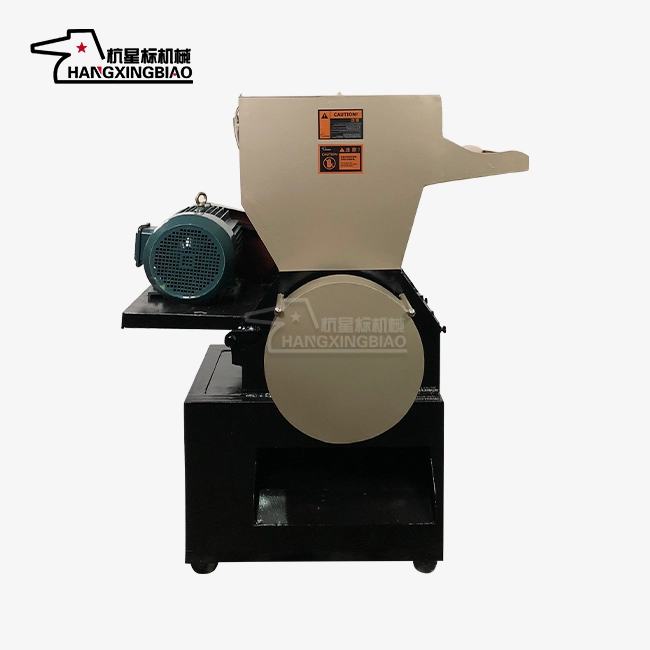
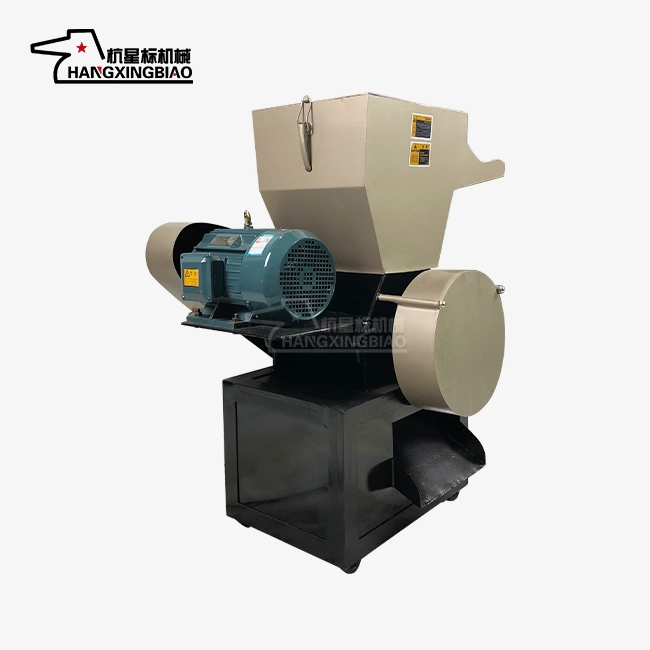
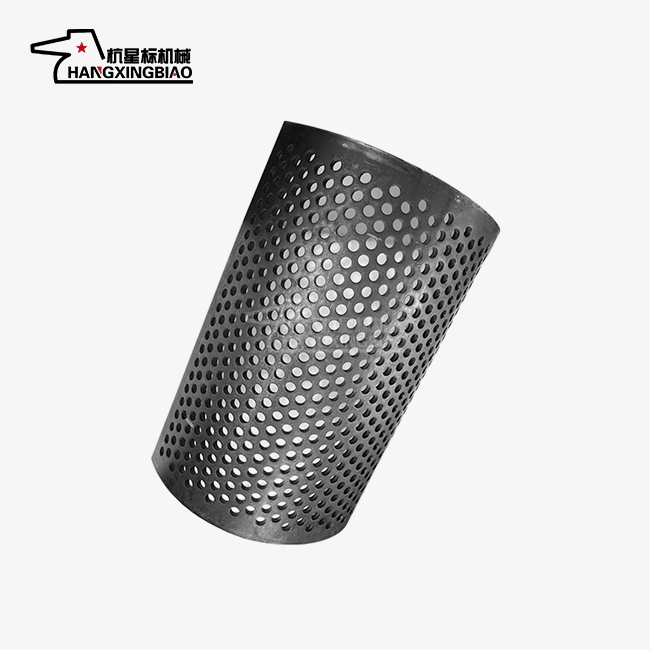
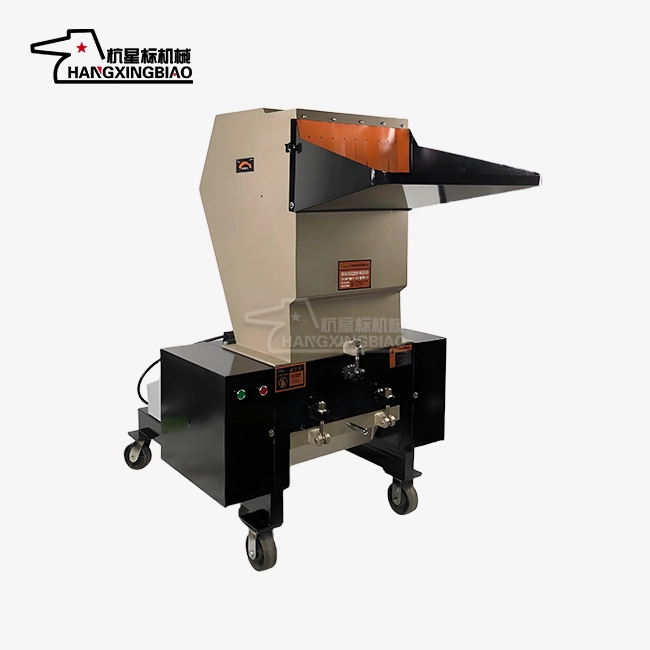
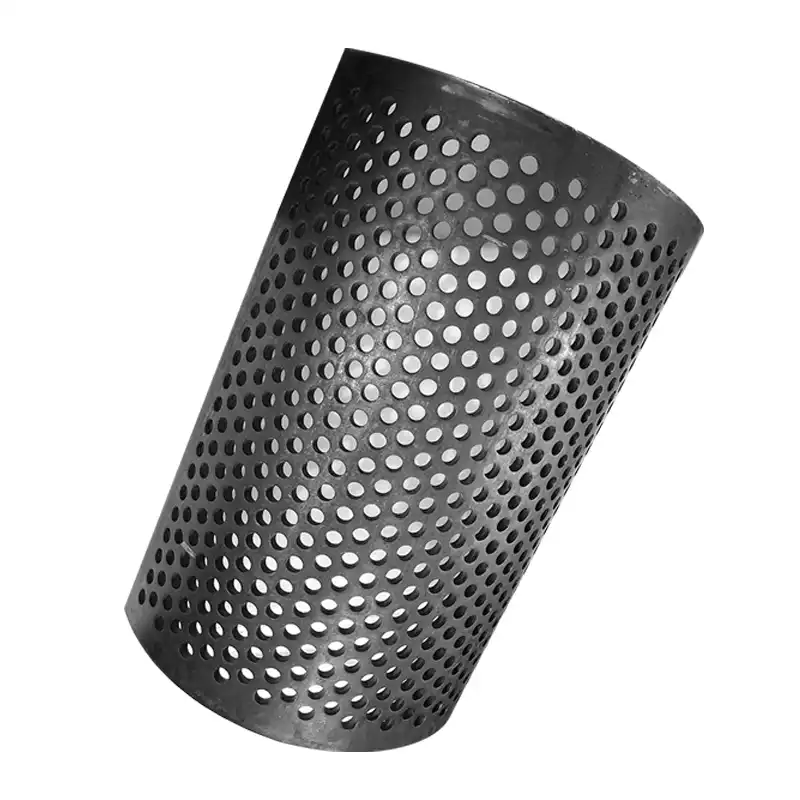
Figure out what the screen does in a plastic crusher. The screen is the most important part of the device that controls the output of your crusher. Plastic trash is cut into smaller pieces by spinning blades inside the crushing room. These smaller pieces fall toward the screen. The screen works like a mechanical filter; particles small enough to fit through the holes leave the machine right away, while pieces that are too big for the holes bounce back into the blade zone to be cut again. This constant cycle makes sure that every particle that comes out of your breaker meets certain standards.
How Screens Integrate with the Crushing Mechanism
Depending on the type of machine, the screen is usually mounted under the rotor unit, either flat on the ground or slightly tilted. Blades spin very fast, usually between 600 and 1200 RPM. This makes strong spinning forces that push the crushed plastic against the screen surface. The cloth and screen are always touching, which makes a natural sifting action.
Common Screen Types and Their Applications
Screening methods need to be different for each type of production. For general breaking of hard plastics like injection-molded parts, bottles, and cases, round-hole perforated plates are still the standard. These screens are very strong and let material move freely through them. When working with films, bags, or other thin materials that tend to wrap around round holes, slotted screens are very helpful. The longer holes keep the problems of the bridge and clogging that film recyclers have. Wire mesh screens aren't used as much in heavy-duty situations, but they can control very small particles for specific uses that need a powder-like density.
Material Composition and Durability Factors
How long a screen lasts depends entirely on the material used. Standard mild steel screens work well for low-abrasion materials and light-duty tasks, but they get worn out quickly when used all the time. At Xingbiao, we use hardened tool steels like SKD-11 and Cr12MoV for our screens. These steels go through special heat treatment methods like vacuum hardening and cryogenic tempering. This process makes the surface harder than 58 HRC while keeping the body tough enough to keep it from cracking.
Key Benefits of Using an Efficient Plastic Crusher Screen
Putting money into good screening technology pays off in many ways that affect operations. Facility managers are often surprised by the link between screen performance and production costs because screens are seen as common parts rather than strategic assets.
Particle Size Consistency and Product Quality
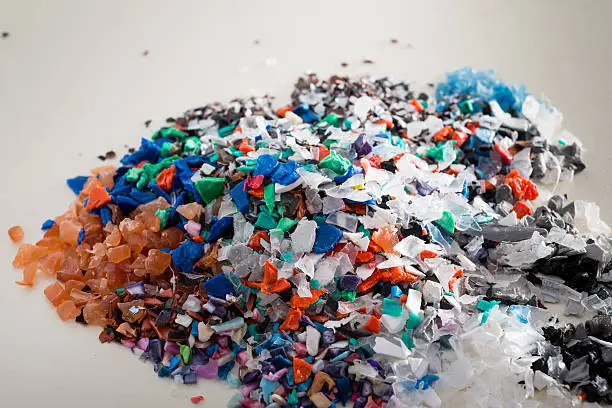
Processing factors stay the same when your extruder or injection molding machine gets uniform input. The temperature patterns stay the same, the melt flow can be predicted, and the quality of the finished product gets better in a way that can be measured. When particle sizes aren't constant, the opposite happens: hot spots, partial melting, and flaws that make more scrap happen.
Throughput Optimization and Energy Efficiency
The shape of the screen has a big effect on how fast it crushes. How fast particles that are okay leave the room is based on the open area percentage, which is the ratio of hole area to total screen area. A bigger open area means faster release, which cuts down on the time that material has to go back and forth through the blade zone.
Extended Equipment Lifespan and Reduced Maintenance
Good screens will protect your whole crusher purchase. When screens crack or wear out too quickly, large bits get into equipment further down the line and damage conveyors, storage systems, and processing machinery.
How to Choose the Right Plastic Crusher Screen for Your Business
When choosing a plastic crusher screen, you need to think about it carefully instead of guessing. When specs don't match, it affects more than just performance. It can also hurt your competitive position and ties with customers.
Assessing Your Material Characteristics
More than anything else, the type of material determines the screen's needs. Hard, brittle plastics like acrylic, polystyrene, and some industrial resins break apart easily and run through screens without any problems. This lets smaller holes and higher open area percentages happen. Different behavior of soft, stretchy materials like polyethylene film, polypropylene bags, and flexible packaging—they bend instead of breaking, making stringy bits that fit through gaps. Slotted shapes or bigger round holes keep these materials from getting jammed. Mixed trash streams are the hardest to deal with because they usually need screen systems that can be adjusted or standards that are in the middle.
Determining Optimal Hole Size and Pattern
The needs of the process that comes after should determine the hole size. For extrusion, particles should be 8 to 12 mm; for injection molding, they should be 6 to 10 mm; and for regrinding to be used directly in blow molding, they should be 10 to 15 mm. Because pieces of different shapes can go through at angles, the holes in the screen should be about 20% smaller than the smallest particle size that is allowed. Pattern design is also important. Patterns with offset holes are stronger than patterns that are all in one line, and they stop cracks from spreading across the screen surface.
Evaluating Screen Material and Construction Quality
The width of the screen is a compromise between how long it lasts and how well it discharges. Thicker screens (12–15 mm) can handle high-impact situations and rough materials, but they make it harder for materials to flow than smaller ones (6–8 mm). The shape of the hole edge also impacts its performance. Edges that are chamfered or countersunk reduce friction and keep particles from getting stuck more than openings with sharp edges. When looking at different sources, check the quality of the welds if the screens are attached to support frames, make sure the heat treatment certificates are real, and ask for proof of the materials used. Reliable makers give metallurgical test results that prove the alloy makeup and hardness values.
Compatibility with Your Crusher Model
Different brands and types of crushers have very different ways of placing screens. Some machines have wedge-lock systems that let you change the screen in minutes without using any tools, while others need to be bolted down, which takes 30 to 45 minutes of work. While quick-change designs cut down on production stops, they may not be as rigid as fixed systems. Carefully check that the dimensions of the screen, including its width or length, attachment hole locations, and thickness tolerances, are exactly the same as those on your machine. Our technical team at Xingbiao keeps up-to-date files of major crusher brands' full compatibility, which lets us make exact screen suggestions for situations where screens need to be replaced or upgraded.
Maintenance and Troubleshooting of Plastic Crusher Screens
For luxury screens to work at their best, they need to be carefully maintained. Most plastic crusher screen problems can be avoided by setting up regular inspection and cleaning schedules.
Regular Inspection and Cleaning Procedures
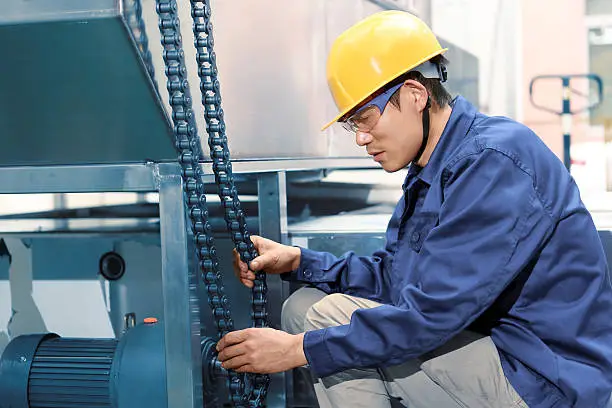
During normal activities, there should be a visual check once a week. Check for bigger holes around areas with a lot of wear, which are usually in the middle where the blade tips touch the screen the most. Minor wear makes holes that are rectangular instead of round, which is fine until the width has elongated more than 15-20%. Look for cracks starting at the ends of holes or between perforations that are next to each other. These are fragile places because of the stress that builds up there. How often you clean something depends on what kind of material it is. Plastics that are sticky or dirty need to be cleaned every day, while clean industrial scrap might only need to be cleaned once a week. Compressed air is good for getting rid of dry material buildup, but tough leftovers might need to be scrubbed off with a brush or taken off every so often for pressure washing.
Common Screen Problems and Solutions
The most common issue is clogging, which is generally caused by a mismatch between the material and the screen rather than a problem with the screen itself. When fine powdery material or dust builds up in the holes of the screen, production goes down, and motor load goes up. Changing to designs with bigger holes or slots usually fixes the problem. Sometimes, changing the distance between the blade and the screen also helps by stopping particles from building up too much. When there is too much noise during operation, it's usually because the screen fixing is loose, which lets the screen shake and rattle. Usually, the problem goes away when you fix the mounting gear. Early wear in certain areas is a sign of blade imbalance or an incorrect blade-screen gap, which needs to be checked and fixed on the rotor.
Replacement Timing and Decision Criteria
Your upkeep budget will be most effective if you know when to replace screens and when to fix them. If a screen has damage that only affects a small part of its surface (less than 10%), it might still work well, especially if the damage is not in the high-flow zone in the middle. After that point, the chance of contamination and lack of productivity make replacement necessary. Track important performance measures, such as the hourly output, the motor power, and the results of particle size tests. When output drops 15% below normal or big bits start showing up regularly in your product stream, replacing the screen is the smart thing to do, even if the damage looks small at first. Having extra screens on hand keeps work from having to stop in an emergency while parts are being delivered.
Future Trends and Innovations in Plastic Crusher Screens
Plastic crusher screen solutions will continue to change and improve in the future. Pressures from the environment and technological advances that seemed impossible a few years ago are pushing the plastic recycling business to move forward quickly.
Advanced Materials and Coating Technologies
Composite materials that are made of metal cores and ceramic or carbide layers on top now have three to five times the wear strength of standard tool steels. These combination screens are more expensive at first, but they last longer and are better for high-abrasion uses. Special surface treatments, such as nitriding, chrome plating, and diamond-like carbon coatings, make it so that plastic bits don't rub against screen surfaces as much. This increases the rate of discharge and extends the life of the screen. Some makers are trying out self-lubricating coatings that make it harder for materials to stick together. This is especially helpful for trash streams that are sticky or dirty. High-entropy alloys are metals that have five or more main elements. Researchers are looking into them because they might be useful for screens that need to be very hard and not easily damaged.
Smart Monitoring and Predictive Maintenance
When sensors are built into screens, they go from being inactive parts to data sources that help run processes more smoothly. Vibration sensors on screen parts pick up on changes in how things work that show problems are starting to happen weeks before they break. Monitoring acoustic emissions shows how cracks are spreading in real time, which lets replacements happen during planned breaks instead of having to be done in an emergency. Some more complex systems have load cells that measure the difference in pressure across the screen. This gives the system constant information about how well it is cleaning and if it is clogging. These smart technologies work wonderfully with Industry 4.0 manufacturing ideas because they create streams of data that are used by systems that figure out how well equipment is working overall and plan for preventative repair.
Sustainable Design and Circular Economy Integration
Environmental awareness now affects the choices that screen engineers make. Replacement of worn parts rather than whole units is possible with modular screen designs. This cuts down on material waste and disposal costs. Some companies have programs that collect used screens so that they can be used again by putting them back together and strengthening them. This circular method lowers the cost of renewal while also helping big brands and customers reach their environmental goals, which are becoming more and more important to them. Design-for-disassembly principles make sure that screens are easy to take apart from their mounting frames during end-of-life processing. This makes it easier to collect the materials and recycle the screen itself.
Conclusion
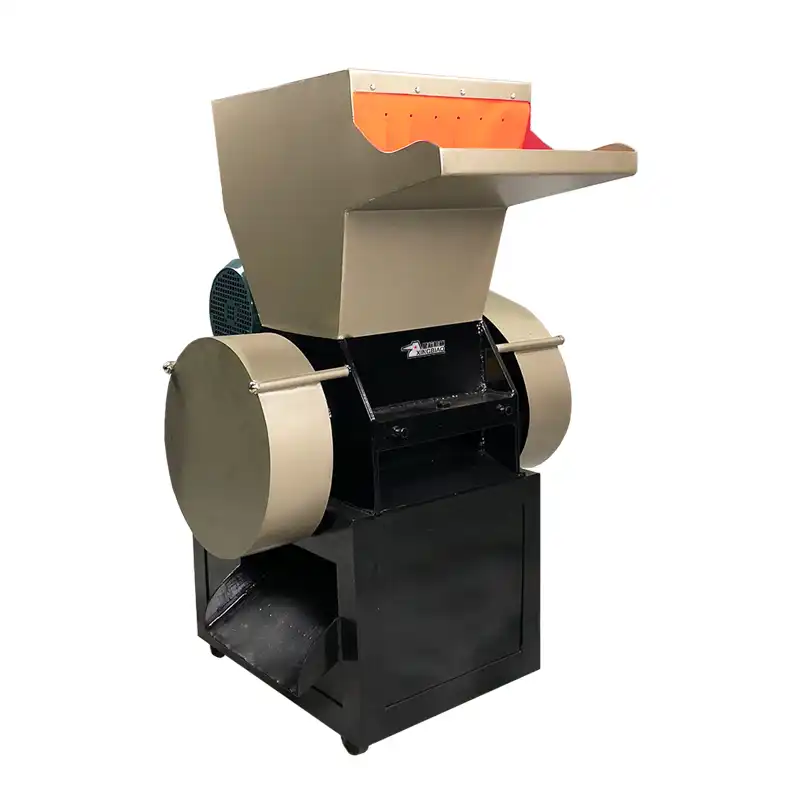
The screen in your plastic crusher machine does a lot more than just separate the particles. It controls the quality of the product, affects how efficiently it moves, safeguards equipment further down the line, and has an effect on your bottom line through working reliability and repair costs. Successful operations are set apart from those that are having trouble by knowing how screens work, choosing the right specs for your materials and processes, and keeping these parts in good shape. New materials, smart tracking tools, and environmentally-friendly innovations that focus on sustainability are constantly being added to the screening technology scene, promising even better performance. If you think of your crusher screen as an investment rather than a disposable item, it will pay off in terms of quality, efficiency, and cost, whether you're processing industrial waste, recycling post-consumer waste, or selling materials to big brands.
FAQ
How often should I replace my plastic crusher screen?
When to change a plastic crusher screen depends a lot on the type of material, the number of hours it is used, and its quality. Premium hardened screens usually last between 12 and 18 months in facilities that handle clean industrial waste. If your business deals with dirty post-consumer trash or very rough materials, you might need to change your screens every three to six months. Instead of randomly setting plans, keep an eye on performance indicators. For example, if the flow is going down, the motor load is going up, or there are too many particles in the output signal, replacement needs to be done, no matter how much time has passed. Keeping usage logs helps you set standard goals for your application, which helps you plan your inventory and budget for spare screens better.
Can screens be customized for specific plastic types?
Of course. Custom screen specs take into account problems with materials that aren't possible with standard designs. We often make screens with holes that aren't the standard size, shapes that mix round and slotted openings, or different hole counts in different areas of the screen. Some users who work with mixed material streams find that hybrid designs with bigger holes in high-flow places and smaller holes around the edges work better for them. You can also choose the type of material you want, like stainless steel for uses that will be wet, extra-thick plates for impact protection, or certain alloy compositions for chemical compatibility. Talking about your unique needs with experienced manufacturers like Xingbiao will make sure that the screen specs meet all of your operational needs.
Partner with Xingbiao for Premium Plastic Crusher Screen Solutions
The success of your production will depend on the plastic crusher screen provider you choose for a long time. Hangzhou Xingbiao Machinery Co., Ltd. has been specializing in crusher technology for 30 years and has a research and development team of 20 engineers as well as relationships with Nongfu Spring and KFC, two of the biggest names in the industry. Our screens are made from SKD-11 and Cr12MoV tool steels that have been vacuum-heated and processed in a cold environment. These steels are very hard and don't wear down as quickly as other options. Whether you need standard replacement screens or unique solutions for difficult materials, our skilled team can help you from choosing the right screens to installing them and providing ongoing support. We answer all questions within 24 hours and keep a large stock of extra parts to keep your downtime to a minimum. Email our team at xingbiaocrusher@xingbiaocrusher.com to talk about your screening needs with a plastic crusher screen maker who cares about the success of your business. Please go to www.xingbiaocrusher.com to see all of our crusher systems and parts that are made for tough industrial uses.
References
1. Mantia, F.P. (2018). Recycling of Plastics: Methods and Characterization. ChemTec Publishing.
2. Eriksen, M.K., Christiansen, J.D., & Astrup, T.F. (2019). "Material quality of recycled plastic from Danish recycling facilities," Waste Management & Research, 37(11), 1114-1122.
3. Smith, R.L. & Henderson, K.A. (2020). Industrial Shredding and Size Reduction Equipment: Design and Operations. McGraw-Hill Professional.
4. Goodship, V. (2021). Introduction to Plastics Recycling: Second Edition. Smithers Rapra Technology.
5. Zhang, H., Wu, Q., & Liu, Y. (2022). "Wear mechanisms and performance optimization of crusher screens in plastic waste processing," Journal of Manufacturing Processes, 68(2), 445-458.
6. Patterson, J.M. (2019). Plastic Granulating Equipment: Selection, Specification, and Performance Optimization. Society of Plastics Engineers Technical Publications.
Learn about our latest products and discounts through SMS or email