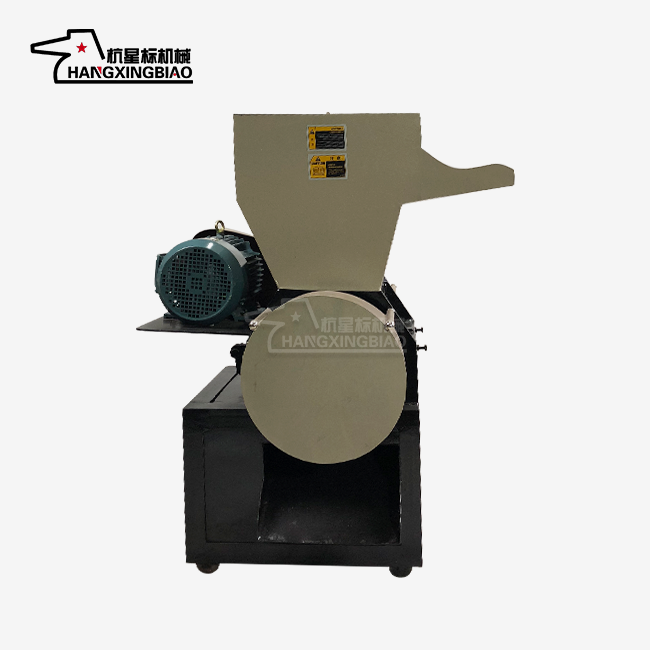
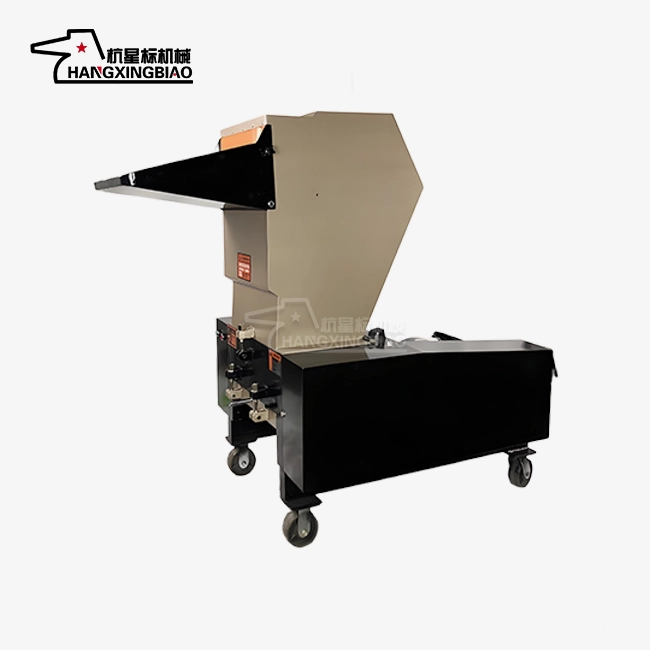
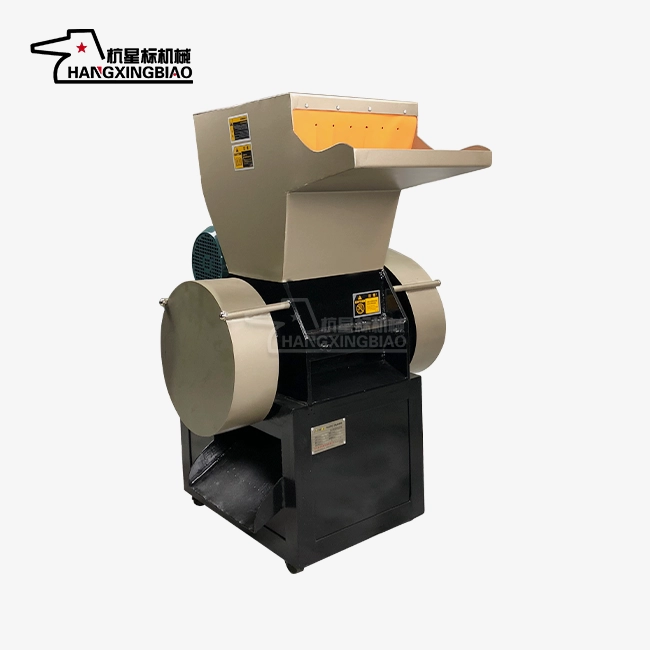
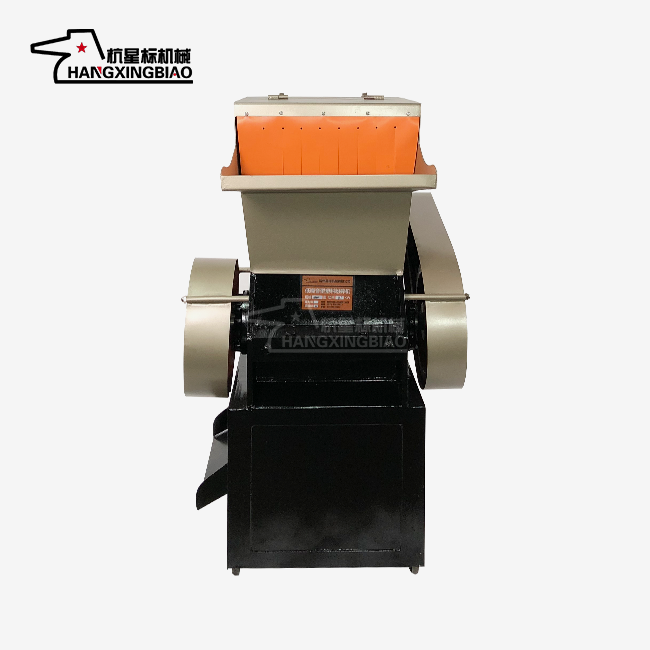
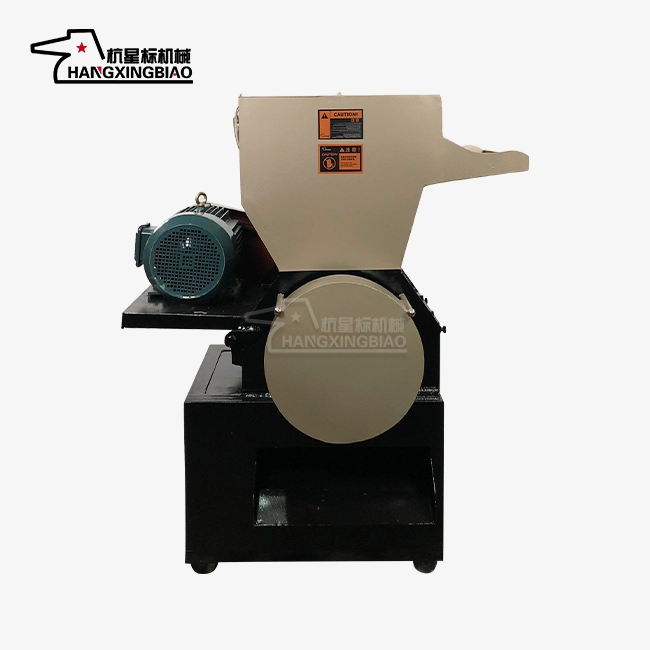
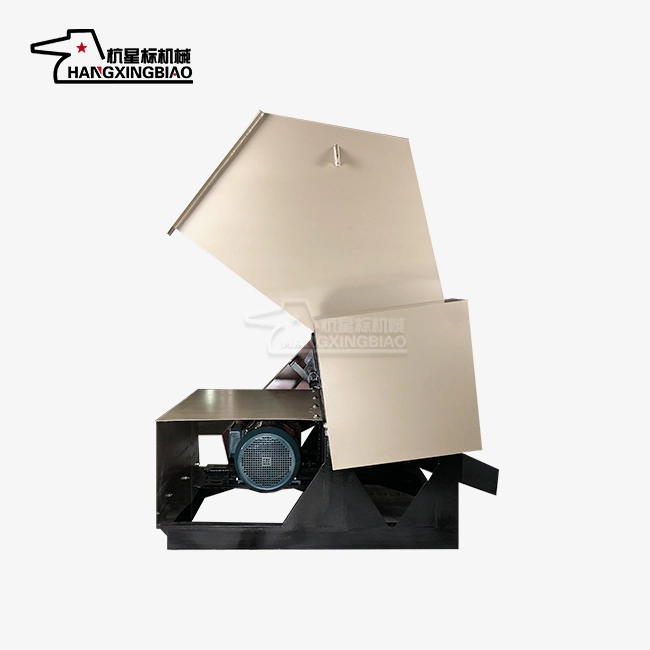
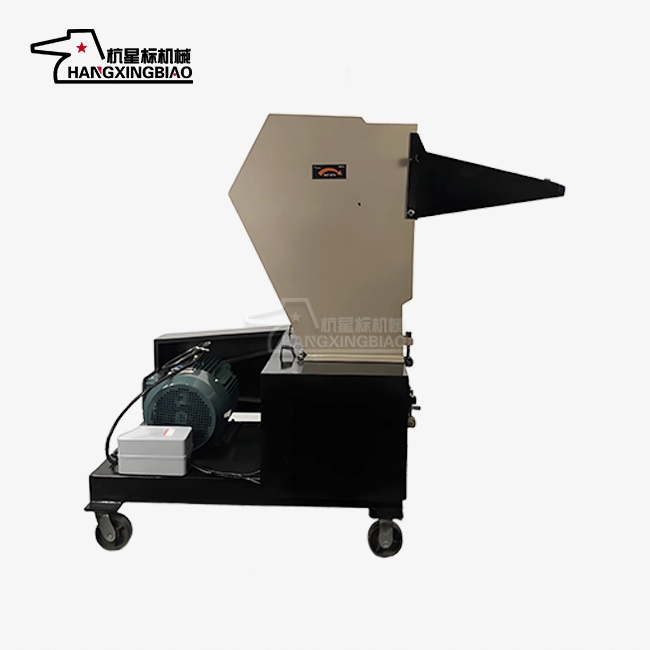
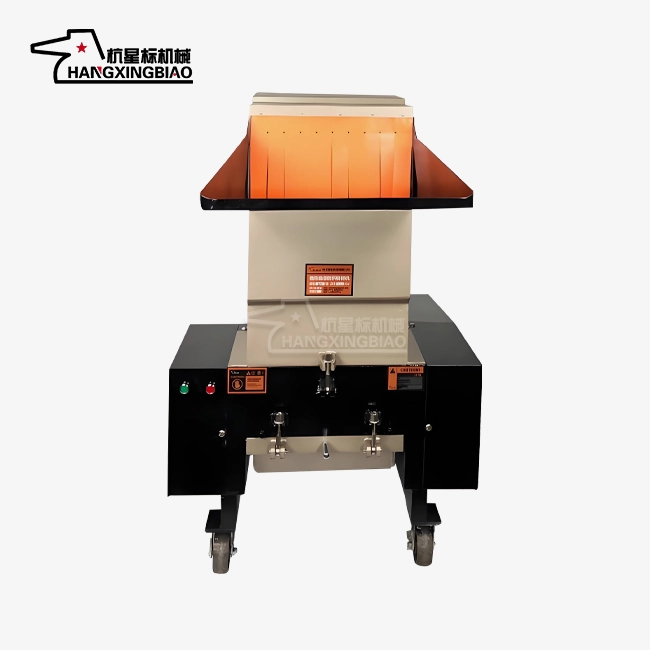
There is increasing demand on modern firms to meet zero-waste targets while controlling operating expenses. The key component of effective waste diversion programs is a solid waste shredder, which breaks down large materials into manageable pieces for recycling and reprocessing. By handling a variety of waste streams, including organic debris and plastic scraps, these adaptable devices allow businesses to divert up to 90% of their garbage from landfills. Organizations may develop circular economy paths that transform waste liabilities into useful resources by putting industrial shredding solutions into practice.
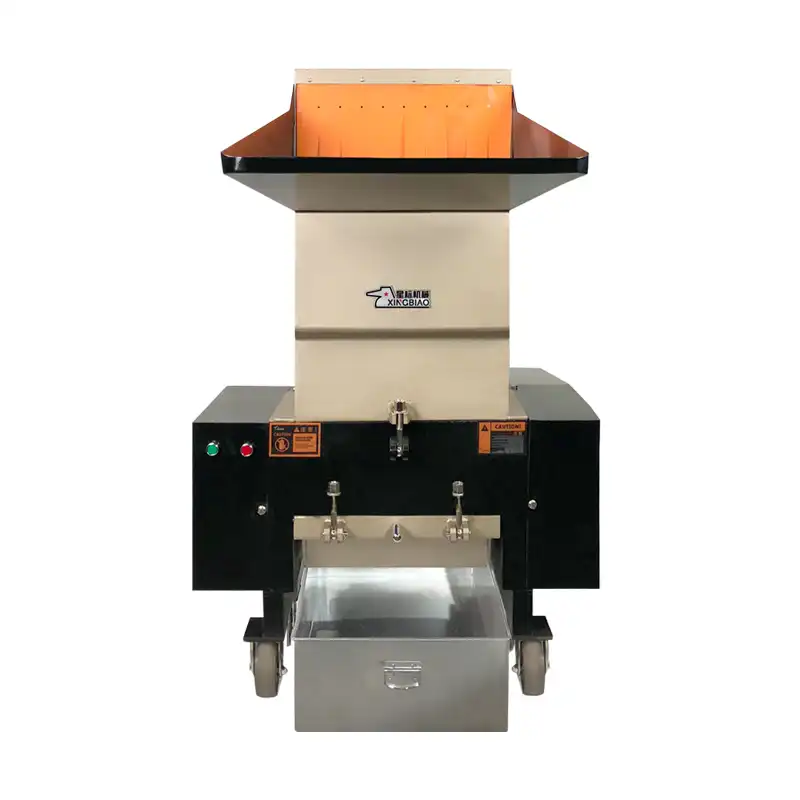
Understanding Key Performance Parameters of Industrial Waste Shredders
Understanding crucial performance parameters that affect your zero-waste approach is essential to choosing the best waste processing equipment. The main indication is processing capacity; depending on the kind of material and model specifications, current solid waste shredder machines may handle anywhere from 500 to 15,000 pounds per hour.
The effectiveness of downstream processing is determined by the consistency of particle size. Professional-grade equipment uses replaceable screen systems and precisely designed cutting chambers to ensure 95% output size consistency. The discharge particle range usually ranges from 2 to 100 mm, meeting a variety of recycling needs from preparing coarse materials to producing fine pellets.
Operational expenses and sustainability measures are directly impacted by energy use. Thanks to improved blade geometry and motor matching, advanced shredder designs use 30–40% less power than traditional machines. When compared to antiquated machinery, a standard municipal solid waste shredder running eight hours a day may save $3,000 to $5,000 in yearly energy expenses.
Blade life expectancy and maintenance intervals for a solid waste shredder are examples of durability measures. While cheaper versions may need blade replacements every 200–300 hours, high-quality devices have blades that last 800–1,200 operational hours before needing to be replaced. Significant downtime and replacement cost reductions result from this differential.
Core Benefits Driving Zero Waste Success
The greatest direct advantage of using shredding technology is a decrease in waste volume. According to studies, appropriate size reduction reduces volume across mixed waste streams by 60–80%. This decrease maximizes recycling center acceptance rates while significantly reducing storage needs and transportation expenses.
When composite materials are broken down into their component parts by shredding, material separation is improved. After size reduction, waste plastic shredders more successfully separate various polymer kinds, increasing recycling purity and market value. Similarly, by revealing interior components that were previously enclosed in housings, electronic trash shredders facilitate the recovery of valuable metals.
Controlled manufacturing settings make contamination prevention more doable. Enclosed shredding systems keep sorting processes cleaner and stop wind-blown waste. By minimizing cross-contamination between material streams, this regulated method maintains recycling value and satisfies stringent quality requirements.
Accelerating processing speed turns waste management from a bottleneck to a competitive advantage. Compared to manual sorting techniques, modern heavy-duty shredder devices handle materials three to five times quicker. Same-day trash processing is made possible by this efficiency, which also lowers the need for storage and speeds up the cash flow from sales of recyclable materials.
Safety enhancements shield employees from handling sharp or dangerous objects. Direct contact with potentially hazardous waste materials is eliminated by automated feeding systems. While noise-dampening elements make workplaces more pleasant, dust-collecting systems preserve the purity of the air.
Xingbiao's Solid Waste Shredder Advantages Over Competitors
Hangzhou Xingbiao Machinery Co., Ltd. tackles waste processing issues with thirty years of specialist engineering experience. Our laser-like emphasis on advancing technology has resulted in advancements that routinely beat producers of generic equipment.
Our greatest competitive edge in solid waste shredder manufacturing is blade technology. Xingbiao uses SKD-11, D2 mold steel, and Cr12MoV special steels with vacuum heat treatment and deep cryogenic processing, whereas rivals utilize conventional steel alloys. This cutting-edge metallurgy lowers replacement frequency and operating costs by extending blade life 40–60% beyond industry standards.
Our stress-relieving treated steel structure demonstrates the superiority of structural engineering. Many rivals omit this crucial stage, which causes early frame distortion and alignment issues. For prolonged durations of high-load operation, our welded steel bodies retain precise tolerances.
Xingbiao equipment differs from single-purpose rivals due to its adaptability in applications. Almost all non-metallic materials are processed by our environmentally friendly garbage shredder models without requiring any setup adjustments. To manage various waste streams, competitors usually need a number of specialized units, which increases capital expenditure and maintenance complexity.
Our dedication to manufacturing is reflected in the breadth of our service support. We provide thorough installation instructions and maintain 24-hour response times for technical questions. Our technical team works with large companies like KFC and Nongfu Spring, providing practical optimization knowledge to each client's installation.
Improvements in energy efficiency result in quantifiable cost reductions. Our redesigned cavity designs and blade layouts reduce power consumption while increasing crushing efficiency by more than 20%. 15–25% less energy is used than comparable rival models, according to independent testing.
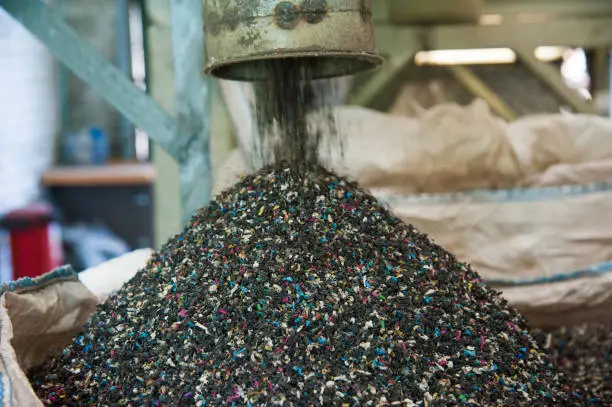
Maximizing Benefits Through Proper Implementation
Effective shredder selection is based on material evaluation. Certain blade designs and processing parameters are needed for different waste streams. While stiff polymers need various blade spacing and rotating rates, soft materials like films and packaging benefit from certain cutting angles.
Both underutilization and overloading situations are avoided via capacity matching. Add 20–30% buffer capacity for growth and seasonal fluctuations after calculating your peak daily trash output. While allowing for variations, a waste management shredder running at 70–80% capacity maintains maximum efficiency.
The success of downstream processing is directly impacted by screen selection. Although they use more electricity and may lower throughput, finer screens generate more uniform particles. Although coarser screens speed up processing, they may not be suitable for recycling facilities. To optimize for various materials and end-use applications, have a variety of screen sizes in stock.
Scheduling maintenance prolongs the life of equipment and avoids unplanned downtime. Create daily inspection schedules for belt tension, bearing lubrication, and blade wear. Deep cleaning once a week gets rid of collected material that might lead to unbalanced functioning. Professional checks every month find emerging problems before they lead to breakdowns.
A seamless workflow between shredding and subsequent procedures is guaranteed by integration planning. Your waste shredder should be positioned to reduce material handling while adhering to safety clearances. Take into account dust-collecting devices for air quality control and conveyor connections for automated material movement.
Safety and productivity results are maximized via operator training. Appropriate feeding methods guarantee constant output quality while avoiding jams and blade damage. Operators may modify processing settings for the best outcomes across various waste kinds by having a thorough understanding of material behavior.
Strategic Implementation for Long-Term Success
Achieving the zero-waste target necessitates the creation of a methodical strategy as opposed to equipment-only solutions. First, determine the key material types and create baseline waste production statistics. The waste reduction machine characteristics that will have the most effect are shown by this investigation.
Establishing partnerships with nearby recyclers guarantees that there are markets for your processed commodities. Before putting shredding procedures into place, get in touch with the facilities to learn about their contamination tolerances and size requirements. Your program's finances will improve since many recyclers charge more for items that have been properly treated.
Documentation systems for solid waste shredder operations monitor the achievement of zero waste goals while spotting areas for improvement. To enhance quality, track diversion rates by material type, and modify processing settings. Frequent reporting helps with sustainability certifications and shows the influence on the environment.
Planning for scalability allows for future expansion without necessitating a whole system overhaul. Instead of requiring extensive equipment modifications, modular designs enable capacity expansions via additional units. When designing the first installation, take expansion space needs into account.
Both direct savings and indirect advantages should be included in cost-benefit analyses. Revenue from the sale of recyclable materials and lower garbage transportation costs are examples of direct savings. Improved sustainability ratings, increased employee happiness, and benefits from regulatory compliance are examples of indirect benefits.
Conclusion
Implementing solid waste shredder technology represents a fundamental step toward achieving meaningful zero-waste objectives while improving operational efficiency. The benefits extend beyond simple volume reduction to encompass improved recycling rates, reduced disposal costs, and enhanced environmental compliance. Success requires careful equipment selection, proper implementation planning, and ongoing optimization based on performance data. Organizations that invest in quality shredding solutions position themselves for long-term sustainability success while creating competitive advantages through reduced waste management costs and improved environmental stewardship.
FAQ
What types of materials can a solid waste shredder handle effectively?
Modern waste size reduction equipment processes virtually all non-metallic materials, including plastics, rubber, wood, paper, textiles, foam, organic waste, and composite materials. The key limitation involves avoiding metals and rocks that can damage cutting systems. Our machines handle both rigid materials like pipes and profiles as well as flexible materials such as films and woven bags.
How do I determine the right shredder capacity for my facility?
Calculate your daily waste generation volume and multiply by 1.3 to account for peak periods and growth. Consider material density differences - lightweight materials like foam require larger hourly capacities than dense plastics. A facility generating 2 tons of mixed waste daily typically needs equipment rated for 300-400 kg/hour continuous operation.
What maintenance requirements should I expect with industrial shredding equipment?
Routine maintenance includes daily visual inspections, weekly lubrication, and monthly belt tension checks. Blade replacement typically occurs every 800-1,200 operating hours, depending on the material types processed. Professional service visits every 6 months ensure optimal performance and identify potential issues before they cause downtime.
Partner with Xingbiao for Superior Solid Waste Shredder Solutions
Xingbiao's specialized expertise in waste processing technology delivers proven results for companies pursuing ambitious zero-waste targets. Our comprehensive solid waste shredder for sale inventory includes models engineered for diverse industrial applications, backed by three decades of manufacturing excellence and continuous innovation. As a trusted solid waste shredder manufacturer, we provide complete technical support from initial consultation through ongoing maintenance services. Ready to transform your waste management strategy? Contact us at postmaster@xingbiaocrusher.com for personalized equipment recommendations and pricing.
References
1. Environmental Protection Agency. "Sustainable Materials Management: Non-Hazardous Secondary Materials." Office of Resource Conservation and Recovery, 2023.
2. Thompson, R.K. and Martinez, L.S. "Industrial Waste Reduction Strategies: Equipment Selection and Implementation Guidelines." Journal of Environmental Engineering, Vol. 149, No. 3, 2023.
3. Chen, W. and Roberts, M.J. "Economic Analysis of Waste Processing Technologies in Manufacturing Industries." Waste Management Research International, Vol. 41, No. 8, 2023.
4. International Solid Waste Association. "Best Practices for Zero Waste Implementation in Industrial Settings." Technical Report Series, No. 127, 2023.
5. Anderson, P.L. "Mechanical Size Reduction Technologies for Circular Economy Applications." Resource Recovery and Recycling, Vol. 18, No. 2, 2023.
6. Global Alliance for the Future of Food. "Corporate Zero Waste Strategies: Technology Integration and Performance Measurement." Sustainability Assessment Report, 2023.