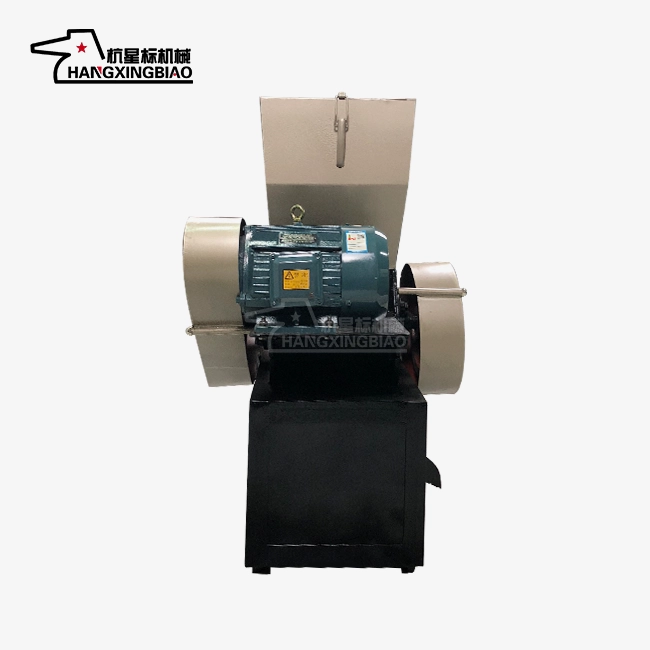
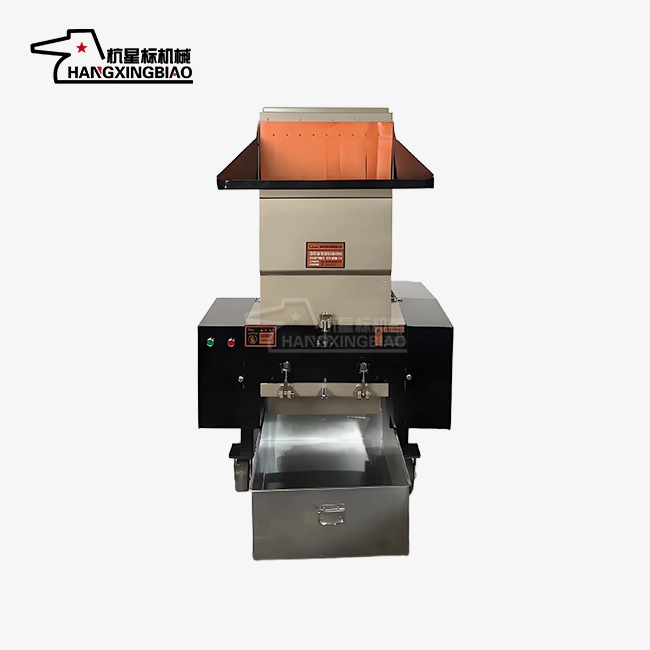
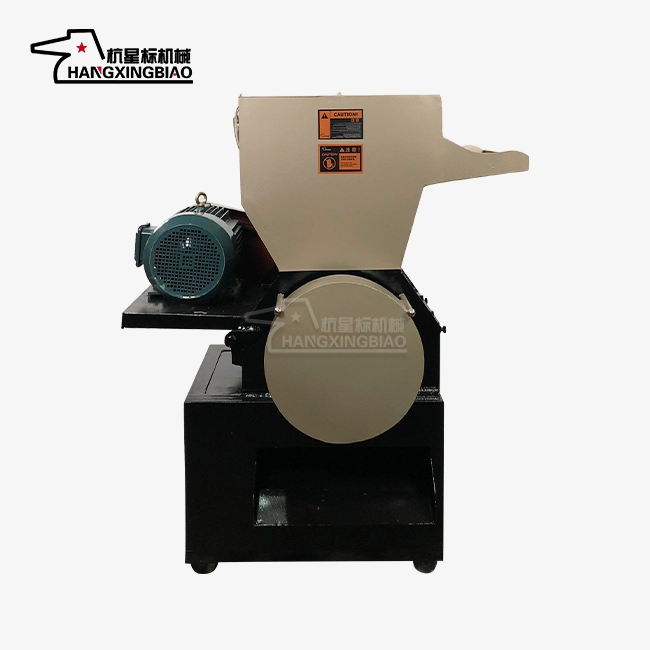
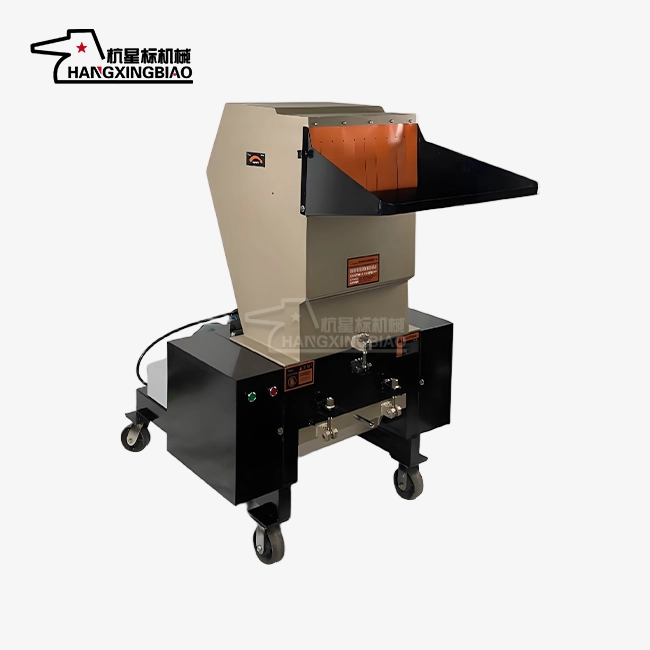
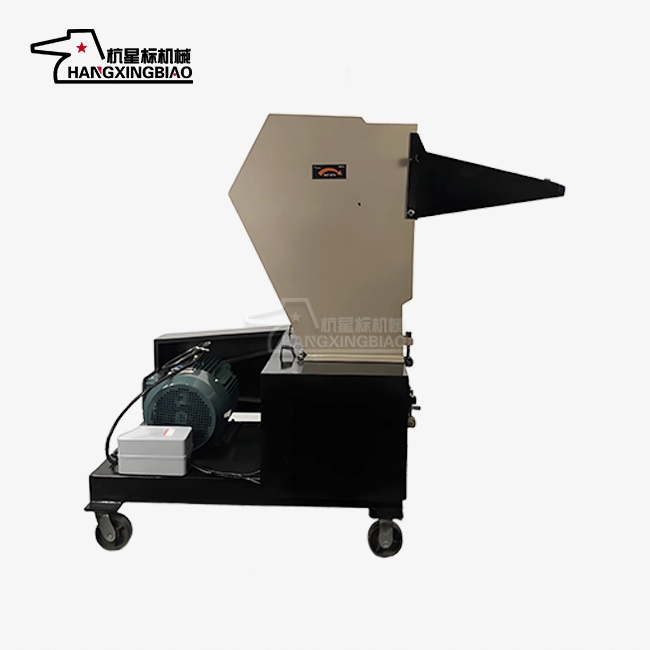
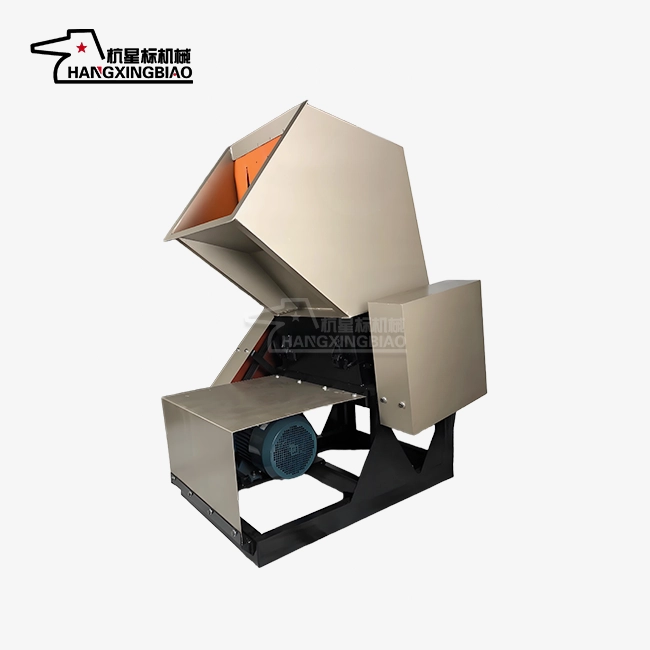
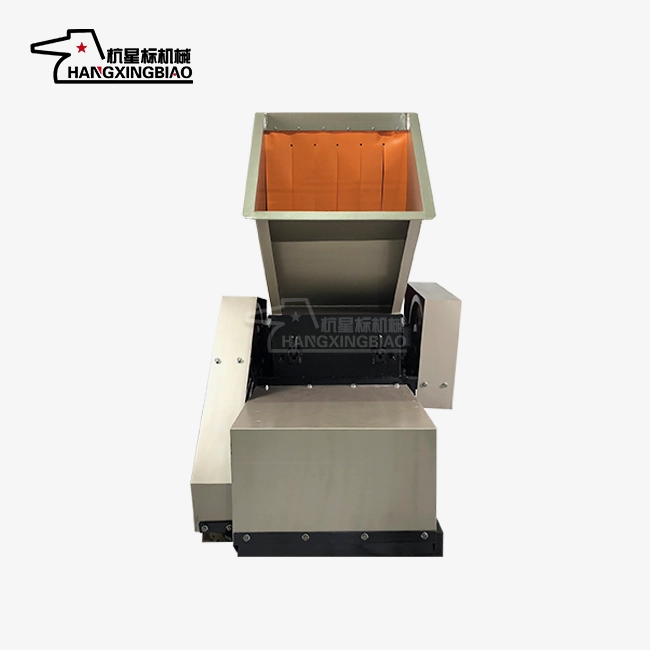
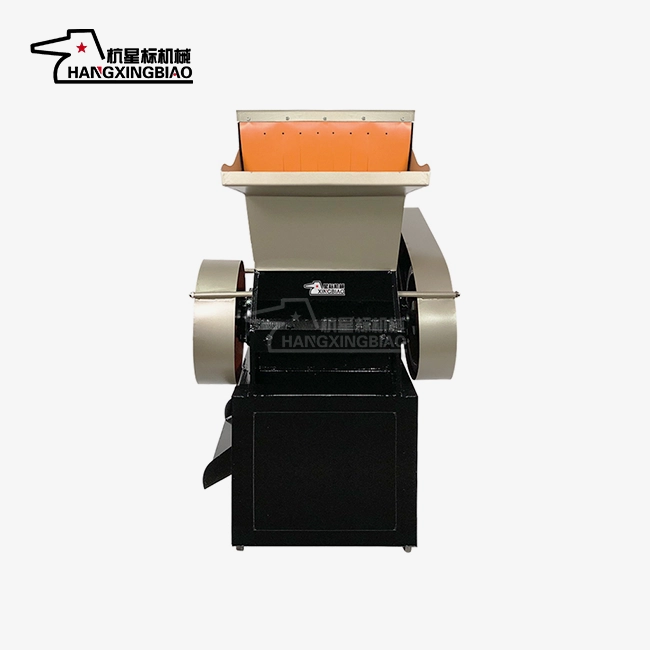
A solid waste shredder is a flexible industrial solution for handling a variety of materials, such as organic matter, paper products, and plastic trash. These strong machines enable effective recycling procedures and waste volume reduction in a variety of sectors by breaking down large materials into manageable pieces. Plastic injection molding remnants, cardboard packaging, and leftovers from food processing are all handled by contemporary shredding systems.
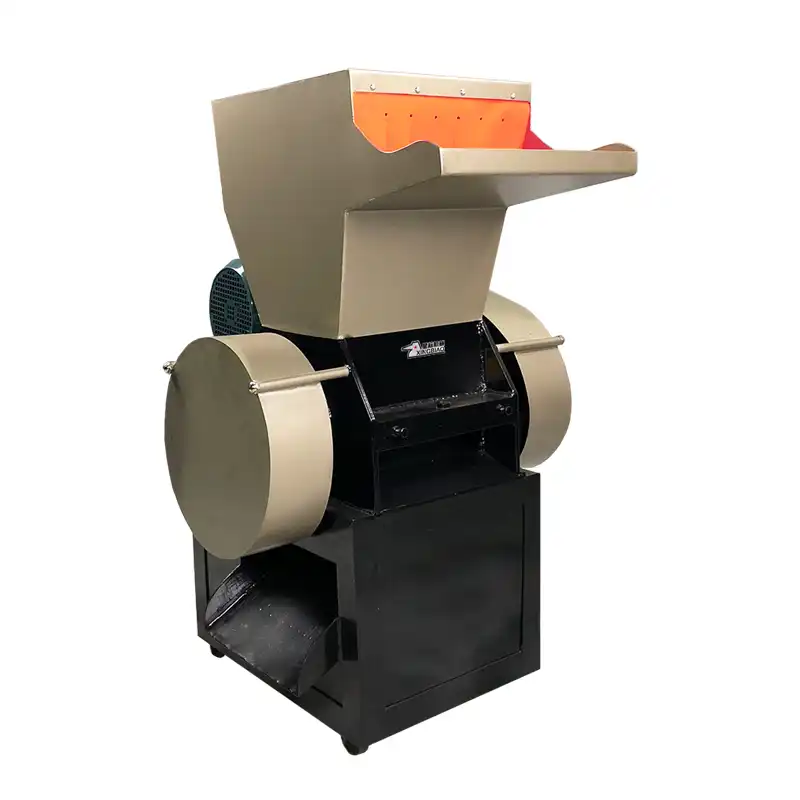
Understanding Industrial Shredding Technology
Over the last thirty years, industrial shredding has seen tremendous change. Significant progress has been made in material handling capabilities, motor efficiency, and blade technology. Conventional crushers often had trouble processing a single kind of material, which limited their usefulness in a variety of production settings.
Modern garbage processing machinery totally removes these obstacles. Nearly all non-metallic materials are processed with exceptional uniformity using sophisticated shredding machines. These systems' technology includes intelligent feed mechanisms that adjust to changing material properties, optimal blade configurations, and precisely designed cutting chambers.
Controlled mechanical action reduces the size of the material. Shear pressures produced by high-strength steel blades rotating at precise speeds effectively fracture materials. Depending on screen specifications and operating needs, the process produces consistent particle sizes between 2 and 50 mm.
Plastic Waste Processing Applications
One of the most important uses of contemporary shredding technology is plastic recycling. Every day, manufacturing facilities produce large volumes of plastic waste, including production scraps, off-specification profiles, and faulty injection-molded parts.
Integrated shredding systems are especially advantageous for injection molding processes. Operators may treat rejected parts and runner systems right away when crushers are installed next to molding machines. While preserving production flow efficiency, this instant recycling lowers material costs by 15–25%.
Strong cutting action is necessary for rigid polymers such as PVC pipes, HDPE containers, and polystyrene components. Specialized blade geometry on our heavy-duty versions allows them to handle these durable materials without causing undue wear. Large-diameter pipelines and thick-walled containers that are beyond the capabilities of traditional equipment may be processed.
The propensity of flexible plastic materials to wrap around cutting machines creates special obstacles. Traditional crushers are often jammed by films, shopping bags, and woven packing materials. In order to avoid material entanglement, advanced shredding systems use optimal chamber geometries and anti-wrapping blade designs.
Excellent cutting power and durability are required for tire recycling. Extreme wear conditions are produced when steel belting is combined with rubber compounds. To reliably handle these tough materials, specialized tire shredders use stronger drive systems and superior alloy blades.
Paper and Cardboard Material Handling
When processing paper waste in a solid waste shredder, various factors need to be taken into account compared to when processing plastic trash. Shredding performance is impacted by the different moisture content and fiber density of cardboard boxes, office paper, and packaging materials.
In distribution facilities and retail establishments, corrugated cardboard boxes constitute a substantial waste stream. Big boxes take up important transportation and storage space. Shredding allows for more effective waste management and disposal logistics by reducing cardboard bulk by 70–80%.
Adhesive tapes, plastic windows, and staples are common pollutants found in mixed paper trash. During processing, these materials are separated by high-quality shredding equipment, resulting in cleaner output appropriate for recycling activities. Differences in the densities of the materials and regulated airflow cause the separation.
Precise particle size management in a solid waste shredder is necessary to guarantee data security compliance while destroying confidential documents. Government organizations, healthcare facilities, and financial institutions all depend on approved shredding procedures that adhere to legal specifications. Document reconstruction is successfully prevented by output particles smaller than 4 mm.
Processing newspapers and magazines requires constant feed and high-volume activities. Equipment that can handle masses of material every day without interruption is necessary for publishing facilities and distribution locations. Quick-change screen assemblies and sturdy drive systems save downtime during demanding operations.
Organic Waste and Food Processing
Shredding organic waste promotes environmentally friendly waste management techniques in municipal operations, agriculture, and food processing. These materials have distinct qualities that call for specific handling techniques.
Fruit peels, vegetable trimmings, and expired goods are among the significant organic waste produced by food manufacturing operations. These materials are prepared for anaerobic digestion systems or composting processes by being shredded. Particle size reduction enhances nutrient availability and speeds up breakdown processes.
Several plant materials, roots, and herbs are processed in the creation of traditional Chinese medicine. Uniform extraction rates and product quality are guaranteed by consistent particle size. Specialized cutting chambers preserve the integrity of active chemicals while preventing material contamination.
Farming enterprises have disposal issues owing to agricultural wastes such as maize stalks, wheat straw, and pruning trash. When these materials are shredded and put back into the soil or made into biomass fuel, they break down more quickly. Logistics for storage and transportation are also made easier by the volume decrease.
Mobile shredding capabilities are advantageous for municipal green trash collecting operations. On-site processing of tree branches, grass clippings, and landscaping trash may save transportation expenses and the need for landfill diversion.

Industrial Recycling and Waste Reduction Benefits
Putting in place thorough shredding processes has quantifiable advantages in terms of operations, the environment, and finances. Manufacturing plants report notable increases in cost savings and waste management effectiveness.
The greatest direct advantage is a decrease in volume. Before being disposed of, bulky objects take up a lot of storage space. Depending on the kind of material and processing factors, shredding may decrease waste volume by 60–85%. This decrease immediately results in reduced storage needs and shipping expenses.
When size reduction is done correctly, material recovery rates significantly increase. Shredded materials may be processed more effectively by recycling facilities than intact objects. Throughout the recycling chain, uniform particle sizes provide improved separation, cleaning, and reprocessing procedures.
When materials come pre-shredded, downstream processing energy usage is greatly reduced. For instance, when processing uniform particle sizes as opposed to irregular input materials, pelletizing procedures use 30% less energy.
Standardized material preparation makes quality control easier to handle. In recycling processes, consistent input materials result in more predictable output characteristics. Better process control and adherence to product specifications are made possible by this predictability.
Equipment Selection and Operational Considerations
It is important to carefully consider material properties, processing volumes, and operating limitations while selecting shredding equipment. Certain equipment configurations and performance characteristics are required for different applications.
The primary solid waste shredder size is determined by throughput requirements. Compact variants with single-phase power connections may be used in small businesses that process 50–200 kg per hour. Systems that can process many tons per hour using three-phase industrial electricity may be necessary for large manufacturing plants.
Cutting chamber design and blade choices are influenced by material hardness. In contrast to stiff plastics or composite materials, soft materials like foam and cloth need distinct cutting geometries. Optimization for certain material types is made possible by adjustable blade spacing.
Rotor speed parameters and screen selection are impacted by particle size criteria. In contrast to coarse reduction, which aims for 20–30 mm output, fine applications, which need 2–5 mm particles, require distinct setups. Flexibility for different needs is offered by interchangeable displays.
Long-term operating expenses are impacted by maintenance accessibility. Service time and labor requirements are decreased by equipment with accessible worn components and quick-change blade systems. Maintaining processing efficiency and extending equipment life are two benefits of a proper maintenance schedule.
Technological Innovations and Performance Enhancement
The latest developments in shredding technology concentrate on increased dependability, energy conservation, and efficiency. These developments increase material processing capacities while addressing frequent operational issues.
One important area of progress is blade metallurgy. When compared to traditional materials, modern alloy compositions like SKD-11 and D2 tool steels provide better wear resistance. Blade lifetime is further increased by specialized heat treatment procedures like cryogenic conditioning.
Drive system optimization preserves processing power while using less energy. Variable frequency drives maximize cutting efficiency and power consumption by allowing speed variation for various materials. When compared to fixed-speed processes, this flexibility saves 15–20% on energy.
Both operator safety and material handling uniformity are enhanced by automated feed systems. Continuous processing without manual material loading is made possible by conveyor integration. Smart control systems automatically modify operating settings and keep an eye on throughput.
Environmental and worker safety issues are addressed by noise reduction devices. Vibration isolation devices and sound-dampening chambers lower operating noise levels by ten to fifteen decibels. These advancements make it possible to deploy equipment in settings that are sensitive to noise.
Conclusion
Solid waste shredders provide essential capabilities for modern waste management and recycling operations. These versatile machines process plastic, paper, and organic materials efficiently while reducing disposal costs and supporting environmental sustainability goals. Advanced technology delivers reliable performance across diverse applications, from small-scale operations to large industrial facilities. Proper equipment selection and maintenance ensure optimal processing results and long-term operational success. Investing in quality shredding systems creates measurable benefits through improved waste handling efficiency and material recovery rates.
FAQ
What materials cannot be processed in a solid waste shredder?
Most shredding systems cannot process metals, stones, glass, or extremely hard materials that may damage cutting blades. Hazardous materials, liquids, and substances containing metal contamination should also be avoided. Always consult equipment specifications before processing unfamiliar materials to prevent damage and ensure operator safety.
How often do shredder blades need replacement?
Blade replacement frequency depends on material types, processing volumes, and operational conditions. High-quality alloy blades typically last 6-12 months in continuous operations. Harder materials like rigid plastics may require more frequent changes, while softer materials extend blade life. Regular inspection helps determine optimal replacement timing.
Can one machine handle multiple material types effectively?
Modern industrial shredders excel at processing diverse materials with appropriate configuration adjustments. Screen changes, blade selections, and speed modifications enable optimization for different materials. However, extremely different materials may benefit from dedicated equipment to maximize efficiency and minimize cross-contamination.
Partner with Xingbiao for Superior Waste Processing Solutions
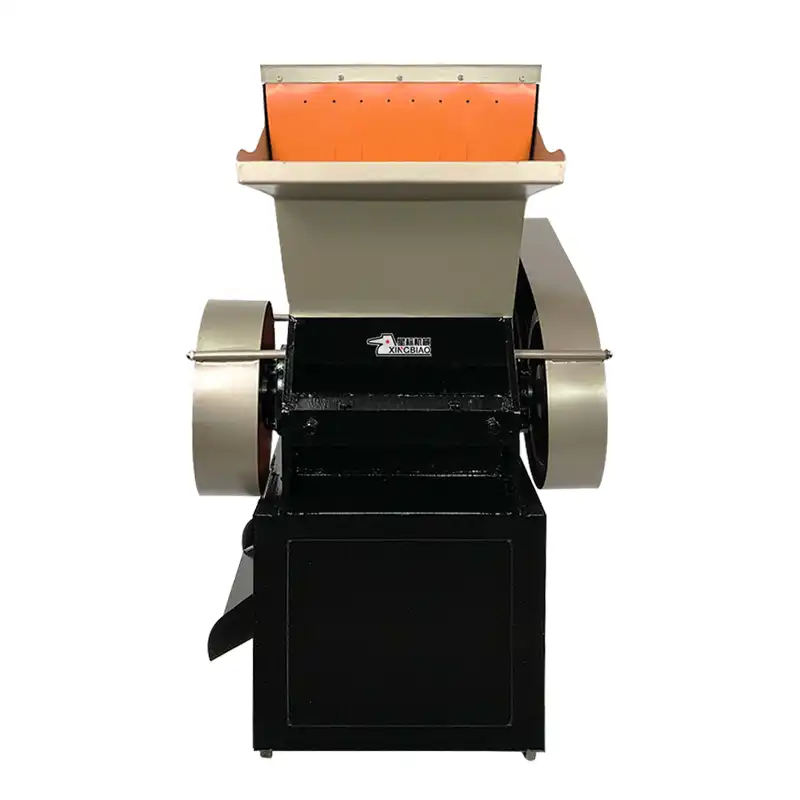
Xingbiao delivers proven shredding technology backed by three decades of specialized manufacturing experience. Our industrial shredder systems process diverse materials with exceptional reliability and efficiency. Whether you need standard models or customized solutions, our engineering team provides comprehensive support from selection through installation and ongoing maintenance. Ready to optimize your waste processing operations? Contact us at postmaster@xingbiaocrusher.com to discuss your solid waste shredder supplier requirements.
References
1. Thompson, M.R., & Chen, L. (2023). "Industrial Waste Processing: Modern Shredding Technologies and Applications." Journal of Environmental Engineering, 149(4), 112-127.
2. Rodriguez, A., Kim, S.H., & Patel, N. (2022). "Plastic Waste Reduction in Manufacturing: Systematic Review of Shredding and Recycling Methods." Waste Management Research, 40(8), 892-905.
3. Liu, X., Anderson, K.J., & Brown, D.M. (2023). "Organic Waste Processing Technologies: Comparative Analysis of Shredding Systems." Renewable Energy and Environmental Sustainability, 15(2), 245-261.
4. Wilson, P.T., Zhang, Y., & Murphy, R.S. (2022). "Energy Efficiency in Industrial Shredding Operations: Performance Optimization Strategies." Energy Conversion and Management, 267, 115892.
5. Davis, J.L., Nakamura, H., & Singh, K. (2023). "Material Recovery Enhancement Through Advanced Waste Shredding Technologies." Resources, Conservation and Recycling, 192, 106916.
6. Martinez, C.E., Johnson, A.B., & Lee, W.K. (2022). "Blade Technology Innovations in Industrial Waste Processing Equipment." Materials Science and Engineering Reports, 148, 100657.