- English
- French
- German
- Portuguese
- Spanish
- Russian
- Japanese
- Korean
- Arabic
- Greek
- German
- Turkish
- Italian
- Danish
- Romanian
- Indonesian
- Czech
- Afrikaans
- Swedish
- Polish
- Basque
- Catalan
- Esperanto
- Hindi
- Lao
- Albanian
- Amharic
- Armenian
- Azerbaijani
- Belarusian
- Bengali
- Bosnian
- Bulgarian
- Cebuano
- Chichewa
- Corsican
- Croatian
- Dutch
- Estonian
- Filipino
- Finnish
- Frisian
- Galician
- Georgian
- Gujarati
- Haitian
- Hausa
- Hawaiian
- Hebrew
- Hmong
- Hungarian
- Icelandic
- Igbo
- Javanese
- Kannada
- Kazakh
- Khmer
- Kurdish
- Kyrgyz
- Latin
- Latvian
- Lithuanian
- Luxembou..
- Macedonian
- Malagasy
- Malay
- Malayalam
- Maltese
- Maori
- Marathi
- Mongolian
- Burmese
- Nepali
- Norwegian
- Pashto
- Persian
- Punjabi
- Serbian
- Sesotho
- Sinhala
- Slovak
- Slovenian
- Somali
- Samoan
- Scots Gaelic
- Shona
- Sindhi
- Sundanese
- Swahili
- Tajik
- Tamil
- Telugu
- Thai
- Ukrainian
- Urdu
- Uzbek
- Vietnamese
- Welsh
- Xhosa
- Yiddish
- Yoruba
- Zulu
Types of Industrial Ceramic Crushers: Features and Applications Explained
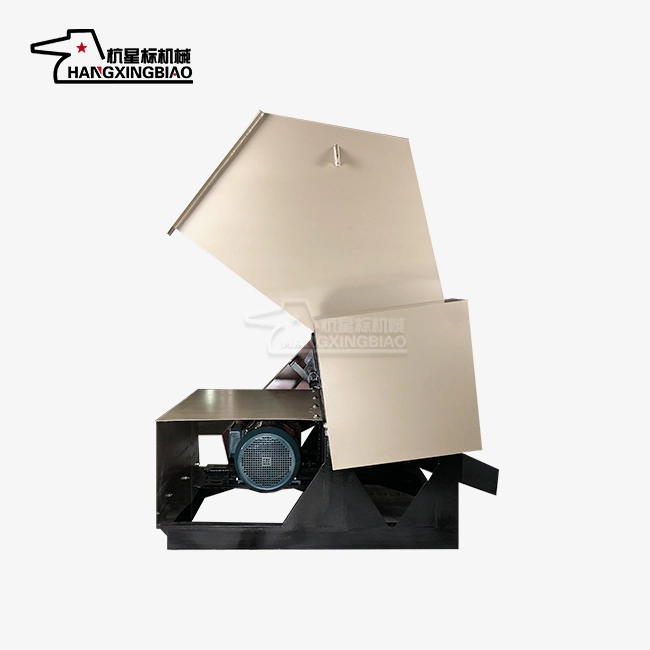
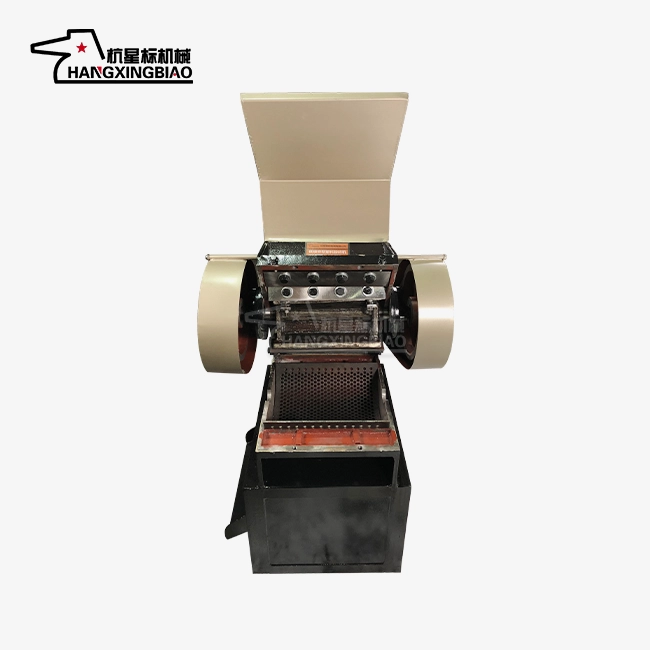
Industrial ceramic crushers are specialized pieces of machinery made to work with hard, rigid materials that are popular in the chemical, mining, and ceramics industries. In contrast to regular metal crushers, these ones have ceramic-lined parts and special breaking systems that keep material clean while controlling particle size precisely. They are used for everything from making fine ceramics to processing heavy rock, which makes them essential for companies that want to be pure and consistent. Knowing the different kinds helps procurement teams choose the right tools for the qualities of the materials they're using and the needs of their production.
Overview of Industrial Ceramic Crushers
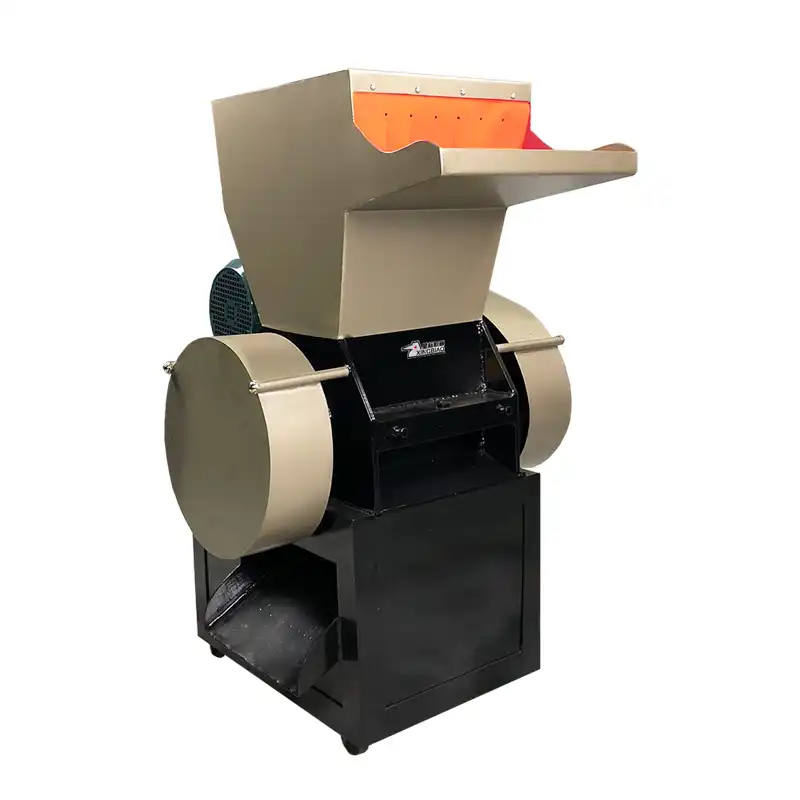
Industrial ceramic crushers are important pieces of equipment in many fields because they break down hard materials quickly and efficiently without damaging the quality of the final product. These tools are very different from regular metal or hammer crushers because they are specially made to handle the difficulties of working with pottery, porcelain, and other brittle materials.
Why Ceramic Crushers Matter in Manufacturing
Ceramic crushing technology came about because of the need to work with materials without adding metal pollution, which is a problem in fields like medicines and high-purity ceramics, where it can lower the quality of the finished product. Wear parts on traditional crushers often leave behind small amounts of metal, but ceramic-lined options don't have this problem. Because these crushers are so flexible, they are needed in places like mines, factories that make building materials, and chemical plants, where keeping the materials clean has a direct effect on how well the finished product works.
Core Advantages Over Conventional Equipment
Sometimes, ceramic parts last longer than regular steel in certain situations, especially when working with rough materials. Steel runs out quickly when it comes into regular contact with hard materials, but engineered ceramics last longer, so they don't need to be maintained as often. This means that the machine will have lower operating costs over its whole life.
Decision Factors for Procurement Managers
When choosing breaking tools, you need to think about the properties of the material, how fast it needs to be crushed, and how much contamination you can handle. Engineers have to think about whether the materials they work with are mostly hard and rigid or have a mix of different types of materials in them.
Types of Industrial Ceramic Crushers and Their Features
There are a lot of different types of crushing tools on the market. Each one is designed to handle different types of materials and output needs. Procurement workers can find the perfect tools for their processing needs by understanding how these types work and how they were designed.
Jaw-Type Crushers for Primary Reduction
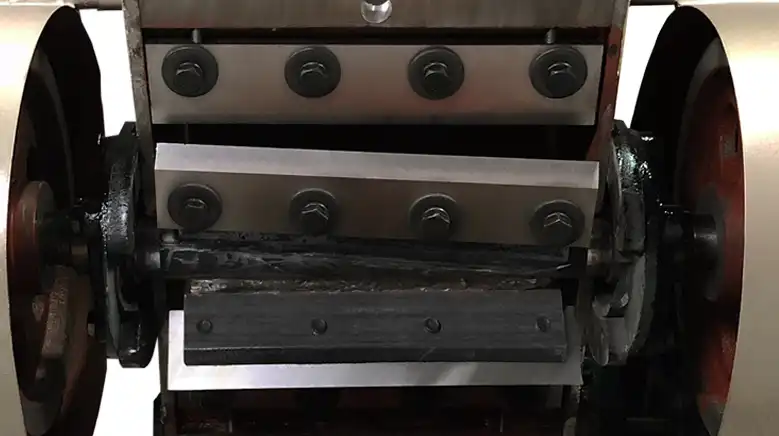
Jaw crushers are great for coarse breaking, which is when big clay pieces need to be shrunk down first. Two plates, one fixed and one mobile, that are opposed to each other and press down on the material by moving back and forth. These tools can work with very hard and strong materials, so they can be used to process ceramic raw materials, refractory bricks, and thick porcelain scrap. The strong design usually has frames made of strengthened steel and jaw plates made of hardened steel or ceramic that can be replaced and can take a lot of pressure.
Impact-Type Crushers for Fine Processing
When materials hit a fixed surface, high-speed moving parts in an impact crusher break them up into smaller pieces than jaw crushers can. For ceramics that break easily when hit with quick force, this pattern works especially well. Ceramic-lined impact plates and rotor surfaces are often used in the grinding chamber to keep it clean and prevent wear from sharp particles.
Roller-Type Crushers for Energy Efficiency
Roller crushers work by pressing materials together between two cylinders that spin counterclockwise. They are an energy-efficient way to process soft to medium-hard pottery. The gap between the rollers controls the size of the output particles, giving you exact control over the end product's specs. Compared to impact methods, this design makes less dust and more regular particle forms, which are both useful in situations where the material properties need to be consistent.
Hammer-Type Crushers for Versatile Operation
When procurement teams know about these four main types of industrial ceramic crushers, they can compare tools to certain working standards. To find the best crushing option, the selection process should take into account the range of material hardness, the desired particle size distribution, the level of sensitivity to contamination, and the level of energy saving goals.
Applications and Industry Use Cases of Industrial Ceramic Crushers
Ceramic products can be crushed with equipment that is used in many different industries, each with its own quality standards and handling needs. By understanding these use cases, buyers can better grasp how the technical specs of a piece of equipment can lead to working benefits.
Ceramic Manufacturing and Tile Production
A lot of the equipment used in the ceramics business is used to crush raw materials and reuse industrial waste. Tile makers break down raw clay, feldspar, and quartz into very small pieces that affect the power and look of the finished product. To keep the colors consistent and keep finished tiles from having flaws, crushing systems must keep the processes clean. When making sanitary ware, the rules are the same when it comes to preparing porcelain bodies, since metal contamination can leave marks after fire. Reusing broken items in the production process lowers the cost of materials, so pottery plants need efficient crushers to get the most out of their resources.
Mining Operations and Mineral Processing
When mining companies handle ores that contain rough minerals that quickly wear down regular steel parts, they use crushers with ceramic linings. Alumina mills, silica extraction plants, and unique mineral producers all need tools that can work in harsh conditions and keep producing the same amount of product. Because ceramic parts are resistant to wear and tear, they can be used for longer periods of time between repair breaks. This has a direct effect on working uptime and production throughput. Controlling contamination is very important when working with materials that will be used in electronics, aircraft, or other high-purity fields where small metal content can affect how well the material works.
Chemical and Pharmaceutical Industries
When making catalysts, pigments, and unique compounds, chemical makers need crushing equipment that meets strict standards for pollution. Pharmaceutical companies that use ceramic-based excipients or catalysts need tools that can clean in a way that can be proven and keep records to show that they are following the rules. Ceramic-lined crushing chambers are easier to clean than standard steel ones because they have smooth surfaces. This lowers the risk of contamination between production runs. Controlling the exact size of particles has an effect on how fast reactions happen in catalytic processes and how bioavailable medicines are. This is why crusher performance is such an important quality factor.
Construction Material Production
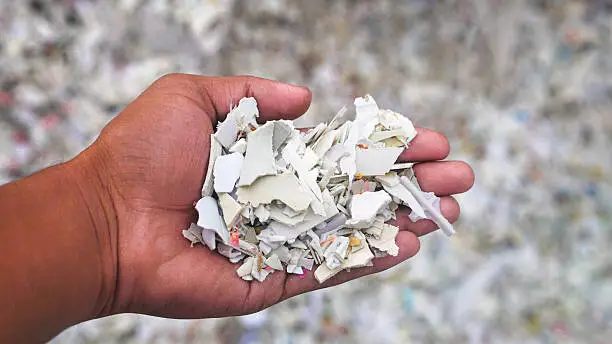
Crushing equipment is used by companies that make concrete additives, refractories, and specialty cement to turn ceramic components into extra cementitious materials. When properly sized and graded, recycled ceramic waste from building and demolition can be used as an option to aggregate. Crushing systems have to deal with mixed streams of materials that contain both ceramic and cementitious parts while making uniform gradations that meet the needs of the standard. When working with rough building waste for long periods of time, the processing costs are directly affected by how long the breaking parts last.
These different uses show how ceramic crushing technology can help many different types of businesses by using industrial ceramic crushers.
Maintenance Tips and Common Problems of Industrial Ceramic Crushers
The working efficiency and total cost of ownership of a piece of equipment are directly affected by how well it is maintained. Setting up regular maintenance routines keeps parts in crushing systems working longer and stops them from breaking down when they're least expected.
Routine Inspection Protocols
Visual checks done on a regular basis can find wear patterns before they become major problems. Operators should look at the sides of the crushers for cracks, chips, or strange wear patterns that could mean they are not aligned properly or are not working properly. Metal parts often break suddenly, but ceramic parts usually wear out in a way that can be predicted.
Lubrication and Component Replacement
To keep working as designed, drive systems, bearings, and control tools need to be properly oiled. Following the manufacturer's instructions for the type of lube to use and how often to change it keeps lubrication systems from wearing out too quickly and getting contaminated. When to change a part depends on the type of material it is made of and how it is used.
Troubleshooting Operational Challenges
When material properties or feed rates are too high for the equipment, it clogs, and workers have to change the input settings or screen layouts to fix the problem. Uneven crushing is often caused by worn parts, wrong gap sets, or uneven material feed. Too much dust means that there isn't enough control or that the crushing conditions aren't right for the material being handled.
Safety Compliance and Operator Protection
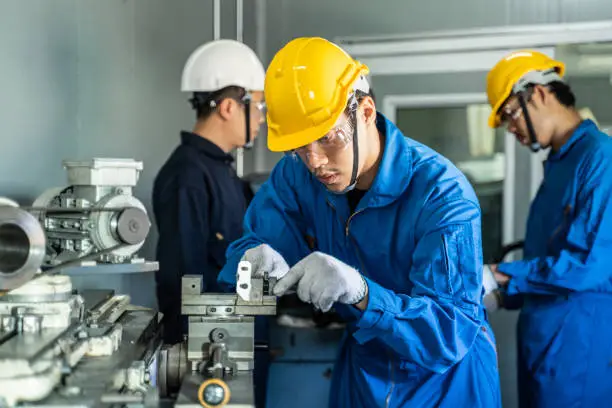
When using crushing tools, there are risks that need to be taken into account, such as moving parts, pinch spots, and noise exposure. During repair work, lockout-tagout steps must be followed to keep equipment from starting up by mistake. By collecting airborne particles made during breaking operations, dust collection devices protect both workers and the quality of the product.
How to Choose the Right Industrial Ceramic Crusher for Your Business
Many technical and business factors affect the long-term success of an operation that need to be taken into account when choosing the right breaking tools. A structured method for choosing tools lowers the risks of buying it and ensures that skills and needs are met.
Processing Capacity and Output Requirements
The needed crusher output is based on the production volume goals. This can be measured in tons per hour or kilograms per batch, depending on the size of the operation. Equipment that is too small slows down output, while equipment that is too high costs too much money. Looking at both current needs and expected growth helps make sure that equipment is the right size for operations that will last for more than one year. The requirements for the output grain size affect the choice of crusher type.
Energy Consumption and Operating Costs
Power needs are very different for different types and kinds of crushers, which has a direct effect on how much it costs to run over its lifetime. To figure out the total cost of energy, you need to look at both the motor's rated efficiency and how well it actually works under normal load conditions. Some designs use less energy when they're only partially loaded, which is important for businesses whose production plans change often.
Equipment Durability and Component Life
The quality of the construction affects how long the equipment will last and how often it needs to be maintained. Stress-relieved welds and high-strength steel building keep the structure strong even when it's being used all the time. Premium materials, such as SKD-11 tool steel or specialized ceramic composites, are used to make crushing parts that last longer when working with rough materials. Evaluating component replacement prices and availability helps measure total ownership costs beyond the initial purchase price. Routine maintenance tasks can be done with less work when equipment is made to be easy to reach for upkeep.
Supplier Reputation and Service Support
Choosing a supplier affects more than just the quality of the equipment. It also affects professional help, the availability of spare parts, and the possibility of a long-term relationship. When compared to younger companies that just got into the market, established makers usually have more thorough documentation, track records, and service organizations that are quick to respond. Buying things with less risk is easier when you check a supplier's skills by calling references and visiting the factory. Help with installation, user training, and troubleshooting is a big part of after-sales help that makes equipment integration go smoothly. The supply of spare parts and the time it takes to send them affect business continuity. This is why a supplier's logistics skills are an important part of the review process.
Customization and Integration Requirements
This methodical evaluation process helps procurement teams choose the right industrial ceramic crushers while keeping technical needs and price limits in mind. By taking the time to carefully consider all of your choices, you can avoid costly mistakes where equipment doesn't meet your real operational needs.
Conclusion
To choose the right industrial ceramic crushers, you need to know about the properties of the material, the amount of output needed, and the skills of the equipment across different crusher technologies. There are four main types of crushers: jaw, impact, roller, and hammer. Each has its own benefits that make it better for a certain job or type of material. These special tools are used in many fields, from making ceramics to handling drugs, to control particle size precisely and keep the purity of the product. Following the right maintenance procedures will make equipment more reliable and increase the useful life of parts, which will directly affect running costs. Systematic review of working capacity, energy efficiency, building quality, and seller support capabilities helps with purchasing choices. This makes sure that equipment standards are in line with long-term practical goals.
FAQ
What advantages do ceramic crushers offer over traditional metal crushers?
In pharmaceutical and high-grade ceramic uses, industrial ceramic crushers get rid of metallic contamination that lowers the quality of the product. Engineered ceramics' strength and resistance to wear make parts last longer when working with rough materials, which lowers the need for upkeep and costs of running the business. In corrosive settings, ceramic surfaces are better at resisting chemical attack than steel. This means that they can be used in more chemical processing processes.
How can I optimize crusher efficiency in my operation?
By keeping feed rates constant, you can avoid overloading and get the most work done. Regular checks of parts find wear before it gets bad enough to affect performance. Changing the crushing settings based on the properties of the material gets the best results in terms of energy use and product quality. When operators are properly trained, the equipment works within its design limits, avoiding situations that wear it down faster or make it less efficient.
What should I consider when ordering customized crushing equipment?
Name the material's hardness, abrasiveness, wetness content, and particle size distribution, among other things. Make it clear what the expected output specs and throughput ability are. Find out what needs to be done to integrate new equipment with current equipment and building limitations. Talk about who needs to be able to do upkeep and what extra parts are needed. Check the technical skills of the provider and look at similar custom projects to see how well they can execute.
Partner with Xingbiao for Superior Crushing Solutions
Hangzhou Xingbiao Machinery Co., Ltd. has been designing and making crushers for 30 years and works with businesses all over the world. The people who work in procurement and manufacturing at our company work together to find machine setups that match the properties of certain materials and output goals. Our main focus is on plastic crushing, but the ideas of long-lasting building, energy-efficient operation, and steady performance can be used for any kind of material processing. We keep a large stock of spare parts and offer quick expert help throughout the lifecycle of our partners' tools, which ensures that their businesses can keep running.
You can talk to our expert team about your crushing needs by emailing xingbiaocrusher@xingbiaocrusher.com. Whether you need help with problems related to handling materials or specifics for industrial ceramic crushers for sale, our engineers can help you because they have worked in manufacturing before. We know that choosing tools is a big investment of money, so we take the time to help you carefully consider all of your choices before you make a purchase decision. Visit www.xingbiaocrusher.com to learn more about what we can do and how specialized breaking equipment helps businesses do their best work in a wide range of settings.
References
1. Brown, R.L. & Richards, J.C. (2019). Principles of Powder Technology: Physical Properties of Particulate Materials. Industrial Press Inc.
2. Gupta, A. & Yan, D.S. (2016). Mineral Processing Design and Operations: An Introduction. Elsevier Science & Technology.
3.BHogg, R. (2018). "Advances in Comminution Technology." Minerals Engineering Journal, Vol. 128, pp. 2-9.
4. Kelly, E.G. & Spottiswood, D.J. (2020). Introduction to Mineral Processing. Wiley Publishing.
5. Wills, B.A. & Finch, J.A. (2015). Wills' Mineral Processing Technology: An Introduction to the Practical Aspects of Ore Treatment and Mineral Recovery. Butterworth-Heinemann.
6. Zhang, Y. & Napier-Munn, T.J. (2021). "Effects of Material Properties on Industrial Crusher Performance." International Journal of Mineral Processing, Vol. 165, pp. 45-58.
Learn about our latest products and discounts through SMS or email