- English
- French
- German
- Portuguese
- Spanish
- Russian
- Japanese
- Korean
- Arabic
- Greek
- German
- Turkish
- Italian
- Danish
- Romanian
- Indonesian
- Czech
- Afrikaans
- Swedish
- Polish
- Basque
- Catalan
- Esperanto
- Hindi
- Lao
- Albanian
- Amharic
- Armenian
- Azerbaijani
- Belarusian
- Bengali
- Bosnian
- Bulgarian
- Cebuano
- Chichewa
- Corsican
- Croatian
- Dutch
- Estonian
- Filipino
- Finnish
- Frisian
- Galician
- Georgian
- Gujarati
- Haitian
- Hausa
- Hawaiian
- Hebrew
- Hmong
- Hungarian
- Icelandic
- Igbo
- Javanese
- Kannada
- Kazakh
- Khmer
- Kurdish
- Kyrgyz
- Latin
- Latvian
- Lithuanian
- Luxembou..
- Macedonian
- Malagasy
- Malay
- Malayalam
- Maltese
- Maori
- Marathi
- Mongolian
- Burmese
- Nepali
- Norwegian
- Pashto
- Persian
- Punjabi
- Serbian
- Sesotho
- Sinhala
- Slovak
- Slovenian
- Somali
- Samoan
- Scots Gaelic
- Shona
- Sindhi
- Sundanese
- Swahili
- Tajik
- Tamil
- Telugu
- Thai
- Ukrainian
- Urdu
- Uzbek
- Vietnamese
- Welsh
- Xhosa
- Yiddish
- Yoruba
- Zulu
What is the output capacity of a plastic bottle crusher?
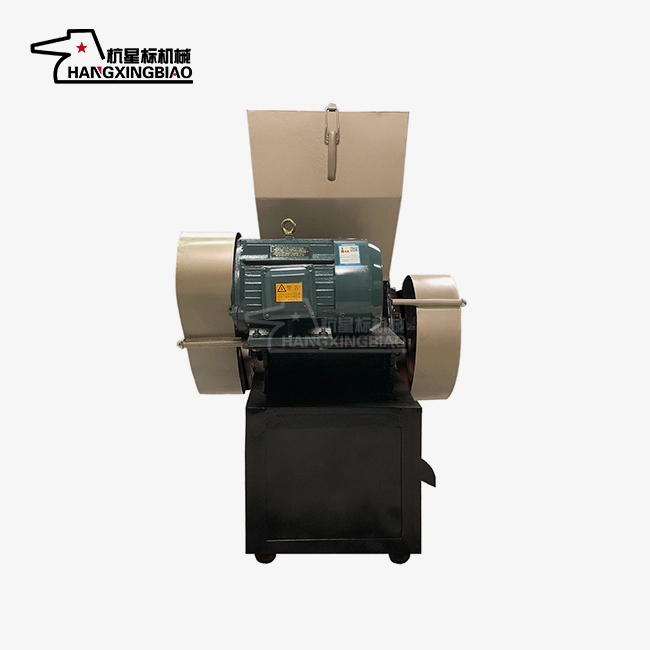
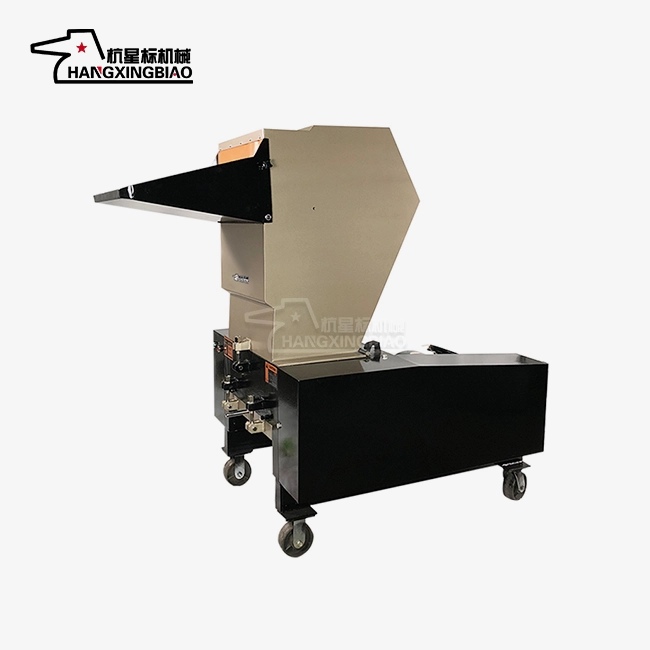
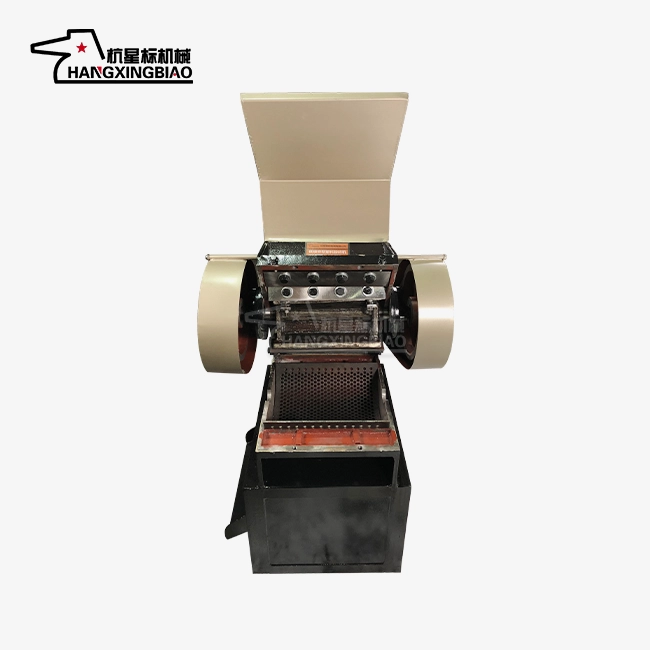
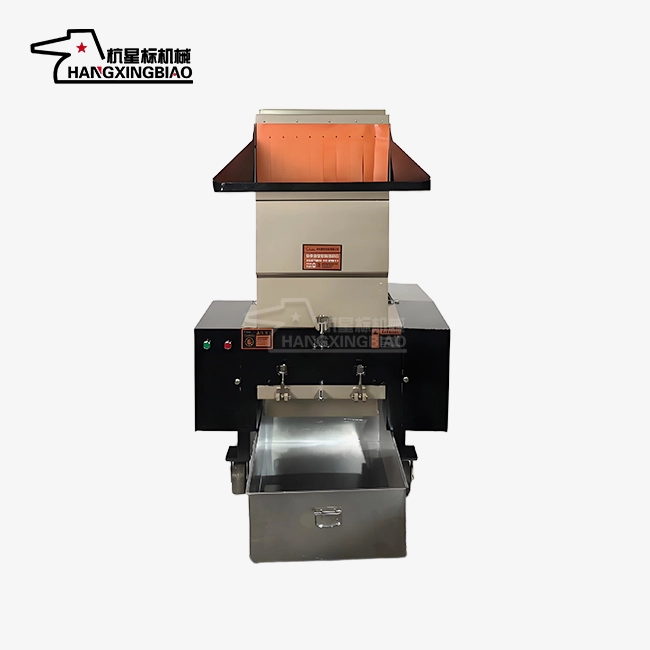
If you want to buy recycling tools, you need to know how much output a plastic bottle crusher can give you. This will help your business run smoothly and make money. The number of plastic bottles that a crusher can break down in a certain amount of time is called its output capacity. This is usually given in kilos per hour (kg/hr), bottles per hour, or tons per day. Based on machine specs, design features, and the materials being processed, this measure changes greatly for a Chinese plastic bottle crusher. Depending on the thickness, size, and shape of the bottle, most professional types can handle 150 kg/hr to 1,200 kg/hr. This information helps you choose the right tools for your business needs.
Understanding the Output Capacity of Plastic Bottle Crushers
Why Output Capacity Matters for Your Business
The output potential of your business directly affects how well it works and how much money it makes. If you're in charge of a recycling plant that goes through thousands of PET bottles every day or a manufacturing plant that deals with broken products, making sure that the equipment you choose has enough flow will keep production from getting stuck. This metric needs to be a top priority for procurement pros because not having enough capacity causes materials to pile up, labour costs to rise, and dates to be missed. On the other hand, having too much capacity wastes money and makes costs go up.
Key Factors Influencing Crusher Output Capacity
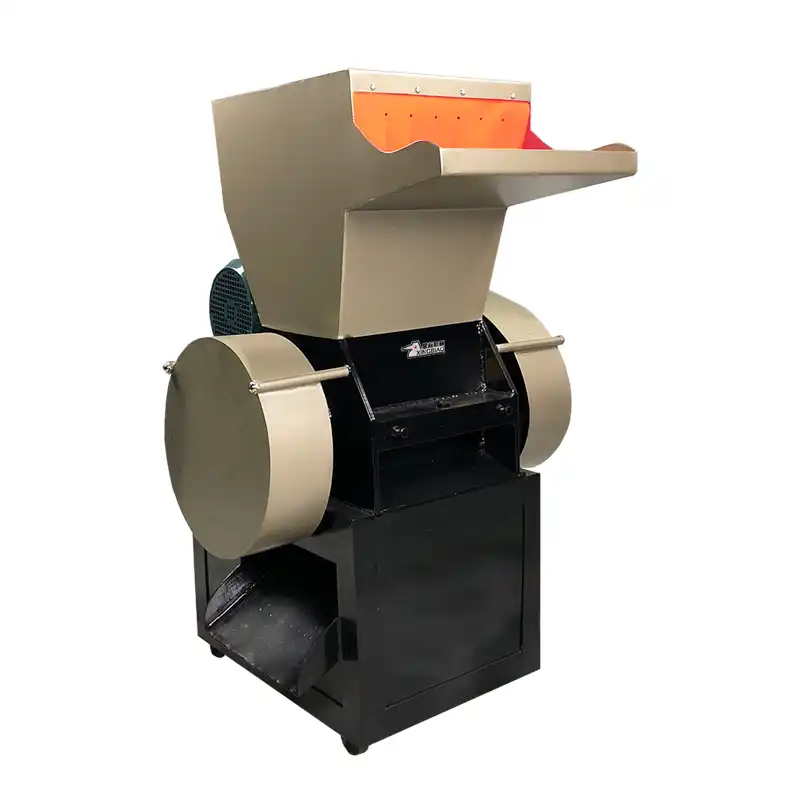
How much material a plastic bottle crusher can handle depends on a number of factors. The type of bottle is very important. For example, thicker PET containers need more cutting force than thin-walled water bottles, which slows down the process. Crusher technology is also important. Most mechanical crushers with spinning blade systems can consistently break down hard plastics. Other types of crushers are better at breaking down materials that are tangled. Motor power is closely related to capacity. Machines with 15–30 horsepower motors can usually handle 300–600 kg/hr, while industrial units with 50–plus horsepower motors can handle over 1,000 kg/hr.
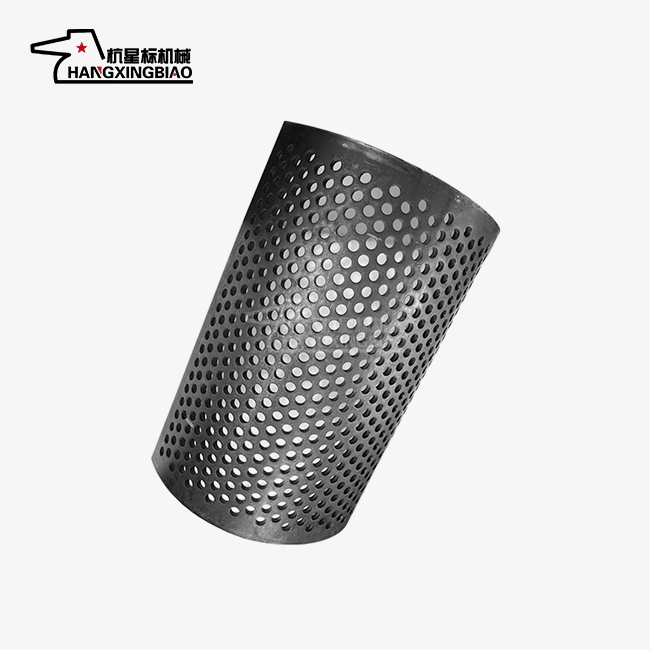
Throughput is also affected by how the feed is done. The speed of the user limits the amount that can be fed manually, but computerised conveyor systems keep the flow of materials going all the time, so they can produce as much as possible. The capacity is also affected by the size of the screen mesh. Smaller holes make finer particles but process them more slowly, while larger openings speed up the process but make rougher output.
Understanding Performance Ranges in Market Options
Manufacturers make equipment with a wide range of capacities that can be used at different levels of activity. Small crushers made for workshops or recycling centres can usually handle 150 to 300 kg per hour, which is perfect for businesses that only need to handle small amounts. Medium-sized businesses can use mid-range models that can handle 400 to 700 kg/hr, which is a good balance between investment costs and production needs. Heavy-duty industrial crushers can handle more than 1,000 kg/hr of plastic waste, which is enough for big recycling plants and factories that have to deal with constant streams of plastic garbage.
These performance standards help you set reasonable goals when looking at different pieces of equipment. Knowing that capacity rates usually show how things should work in the best-case scenario, with consistent material feed, the right bottle sizes, and regular maintenance, helps you plan production schedules that take into account factors that might happen in the real world.
Key Types of Plastic Bottle Crushers and Their Capacity Performance
Mechanical vs. Hydraulic Crusher Technologies
Because they are reliable and cheap, Chinese plastic bottle crusher mechanical breakers are the most popular way to recycle plastic bottles. This kind of machinery has spinning blades that cut and split bottles into smaller pieces using fast mechanical action. Their output capacity stays the same during working hours, which makes them good for settings with continuous production. Hydraulic crushers, which aren't used as often for processing bottles, use compression force and work well for dense, thick-walled containers, though they usually have slower output rates.
Knowing these practical differences will help you choose technology that fits the needs of your material. Mechanical methods give you more work done faster when you're processing standard PET beverage bottles. Mechanical crushers with blade setups that can be changed are helpful for businesses that deal with mixed plastic garbage with walls that are different thicknesses.
Capacity Variations Across Equipment Scales
There is equipment on the market for businesses of all kinds. Small businesses can get compact models with simple designs that have motors that range from 5 to 15 horsepower and can handle 150 to 350 kg/hr. These machines don't take up much floor space and are good for businesses that don't recycle a lot of things or are just starting in the recycling market. Medium-sized crushers with 20–35 horsepower motors can handle 400–800 kg/hr, which is enough for businesses that are growing or that want to combine crushing with other production lines.
Industrial-grade equipment is the best. It is built to last and has advanced pumping systems and motors with more than 50 horsepower. These tools are made to work hard 24 hours a day, seven days a week, processing 1,000 to 1,500 kg/hr or more. By understanding this range, you can make sure that your spending level matches your real capacity needs, rather than buying too much or too little.
How Automation and Design Features Affect Output
Automation has a big effect on functional capability. Basic manual-feed crushers depend on the speed and accuracy of the operator, which can cause bottlenecks. When compared to human processes, semi-automatic models with conveyor feeding systems keep the flow of materials steady, which boosts output by 20 to 30 per cent. Fully automated systems with built-in sensors, PLC controls, and automatic shutdown on overload make the most of capacity while requiring the least amount of human input.
Discharge design also has an effect on volume. When crushers have good material evacuation systems, processing plastic doesn't build up in the breaking room, which would make cutting less effective. For long-term operations, energy consumption patterns are important. Well-designed machines keep up a steady throughput without drawing too much power or getting too hot during long runs, making sure that the stated capacity matches the actual performance.
How to Evaluate and Compare Plastic Bottle Crusher Output Capacity
Matching Equipment Capacity to Your Production Needs
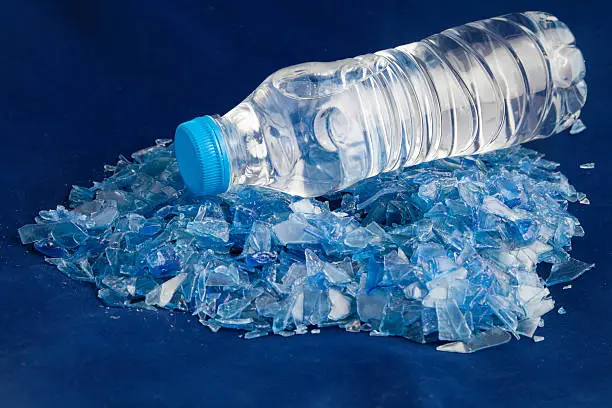
To do a good review, you must first correctly estimate the amount of your material. Figure out how many plastic bottles you throw away every day or every hour, and then take into account times when you produce the most waste. Add a 20–30% space to account for changes in operations and growth in the future. If your plant makes 2,000 kg of bottle waste every day over an 8-hour shift, you need tools that can handle at least 300 kg/hr, or 2,400 kg total with a buffer, to account for upkeep and downtime.
Think about the material's properties beyond its volume. Bottles with labels, caps, or leftover contents take longer to process per kilogram than materials that are clean and already sorted. Businesses that deal with a variety of bottle types benefit from having crushers whose settings can be changed so that the result stays the same, no matter what the material is.
Practical Screening Criteria for Procurement Decisions
When comparing models, pay close attention to the motor power specs. More horsepower usually means more capacity and the ability to handle tougher materials without getting stuck. The shape of the blades is important. Crushers with more cutting edges may break down materials faster, but they may need to be serviced more often. You can find a good mix between particle size needs and flow needs by making the screen aperture flexible.
Safety features like automatic reverse functions keep the machine from overworking and keep it running normally when tough materials go through it. Noise levels become important in places that are close to residential areas or that put a high value on workplace comfort. Models that make less than 85 decibels lower the need for hearing protection and make it easier for operators to accept them. Size and compatibility with other systems are also important. The tools you buy must fit into your building and possibly work with other systems, like conveyors or washing machines that are already there.
Cost-Benefit Analysis for Capacity Selection
To balance limited funds with the need for ability, you need to consider more than just the buy price. Lower-capacity equipment costs less up front, but as your business grows, you may need more jobs or units, which raises the total cost of ownership. Higher-capacity tools cost more to buy at first, but they process kilograms more cheaply and can grow with the business without having to buy new equipment.
Figure out the total cost of ownership by adding up the estimated lifespan, the amount of energy used, and the amount of upkeep that needs to be done. As an example, a recycling company that processes 1,500 kg of waste every day could pick between a 250 kg/hr crusher that needs two shifts and a 600 kg/hr type that only needs one shift. The bigger crusher costs 40% more at first, but it saves money on energy and labour by not needing to hire people for the second shift. Within 18 months, the difference in cost is recovered, and the business has room to grow.
Maintenance and Operational Tips to Optimise Output Capacity
Essential Routine Maintenance Practices
Disciplined repair plans are needed for a Chinese plastic bottle crusher to keep output at its peak. Every day, clean the grinding chamber to keep it from getting clogged with stuff that makes the blades less effective and slows down the process. Check the blades once a week for damage or wear. Dull blades make processing take longer and use more energy, and they could also cause the machine to jam. Screen meshes also need to be checked regularly because tears or deformations let big particles through, which lowers the quality of the output.
Lubrication schedules must be strictly followed. Bearings, gears, and other moving parts need to be oiled at the times recommended by the maker to avoid friction-related slowdowns and early wear. We've seen businesses boost their useful capacity by 15% just by using consistent lubrication methods that lower mechanical resistance. It's better to replace worn parts right away than to wait until they break completely. Worn belts slip and slow down the blades, which directly lowers output.
Safety Protocols and Operator Training
With the right training, operators can make sure that breakers work safely at full capacity. Operators should know the right feeding rates. Too much feeding can cause jams and automatic shutdowns that slow down output, and too little feeding loses the equipment's potential. In training, people should learn how to spot strange sounds or noises that mean problems are starting to form before they break down.
Safety rules protect both people and the tools. The steps for an emergency stop should be easy to remember, and workers need clear instructions on what materials are not allowed that could damage blades or machinery. Regular safety checks find possible dangers, like guards that aren't strong enough or materials that aren't stored correctly, that could stop operations.
Troubleshooting Common Capacity-Reducing Issues
Several things often slow down the output of a breaker. A lot of jams usually mean that the cutting speed is too slow, the materials are too big, or the blades are worn out and need to be replaced. Normal operating with less output could mean that the blades are dull, the motor is broken, or the screen is blocked. Too much shaking could mean that the blades aren't balanced or that parts are loose. If these problems aren't fixed, they can cause breaks and longer downtime.
If problems keep happening after simple troubleshooting, you should call the company that made the equipment. Manufacturers like Xingbiao offer expert support to help with troubleshooting and can send techs to handle more complicated problems. By getting to know your supplier's service team, you can be sure that they will respond quickly to problems that affect capacity, which will keep production running as smoothly as possible.
Environmental and Energy Considerations Related to Output Capacity
The Relationship Between Energy Efficiency and Throughput
There is more output with modern crushing designs, and each kilogram produced uses less energy. New motor technologies and improved blade shapes make designs that use less power than older ones. A well-designed breaker that can handle 500 kg/hr might need 25–30 kW, but an older model with the same capacity might need 40–plus kW, which would have a big effect on the long-term costs of running the business.
Designs that use less energy have things like motors that are perfectly matched to their working loads, belt drive systems that reduce power loss, and cutting chamber geometries that are designed to lower resistance. Due to these technologies, producers can make equipment that keeps up a high throughput without using more energy. This helps meet sustainability goals while keeping running costs low.
Environmental Benefits of High-Capacity Processing
Running high-capacity Chinese plastic bottle crusher breakers has big environmental benefits that go beyond just reducing trash. Processing more in less time means you don't need as many smaller tools, which means you use less energy and have less of an impact on the environment when you make the equipment. Crushing plastic trash efficiently cuts its volume by 70–80%, which greatly lowers the cost and pollution of transporting it to recycling plants.
High-capacity processes make it easier to keep the quality of the materials constant, which makes recycling more effective further down the line. When crushed plastic stays clean and has the same-sized particles, it sells for more money and quickly finds new homes. This makes recycling both profitable and good for the environment. This starts a good circle where fast processing helps businesses stay open and also promotes the ideas of the circular economy.
Aligning Capacity Choices with Corporate Sustainability Goals
A lot of companies now think about the environment when they make purchases. Choosing the right-sized crushers keeps you from having too much capacity, which wastes resources, and makes sure you have enough output to handle all the trash that is made instead of having to dump it. Companies can meet their carbon reduction goals and meet green reporting standards with equipment that has been certified for its energy efficiency.
Your sustainability profile will be higher if you work with sellers who are environmentally responsible throughout the whole production process. Companies that care about the environment in the long term should buy machines with parts that can be replaced instead of ones that are thrown away after a certain amount of time. This way, the machines will produce less trash over their entire operating lifetime.
Conclusion
If you know how much a plastic bottle crusher can produce, you can make smart buying choices that balance short-term wants with long-term business goals. Capacity metrics are a good way to start analysing equipment, but to make the best choice, you also need to think about things like material properties, level of automation, energy economy, and total ownership costs. If you need small breakers that can handle 200 kg/hr for a small business or industrial systems that can handle over 1,000 kg/hr for large-scale recycling, making sure the capacity fits your needs will save you a lot of money. With the right repair and operator training, your investment will keep working at the level you paid for for as long as it's supposed to. As environmental concerns become more important in business choices, choosing the right-sized, energy-efficient tools helps with both making money and being environmentally friendly. This sets up your recycling business for success in the changing recycling industry.
FAQ
What is the typical output capacity range for industrial plastic bottle crushers?
Industrial plastic bottle breakers can usually handle between 300 kg/hr and 1,500 kg/hr, but this depends on the machine and the material. Most business operations can use mid-range models that can handle 500 to 800 kg/hr well, balancing the cost of the machine with its realistic throughput needs.
How do I determine the right crusher capacity for my small or medium-sized business?
Find out how much plastic waste you make every day, divide that number by the number of hours you plan to be open, and add 25% to account for changes and growth. Small businesses that make 500 to 1,000 kg per day usually need crushers that can handle 200 to 400 kg/hr. Medium-sized businesses that make 2,000 kg or more per day can use tools that can handle 600 to 900 kg/hr.
Are crushers manufactured in China reliable for continuous operation?
Quality crushers from well-known brands are very reliable and can keep working for a long time if they are properly kept. Strong steel construction, heat-treated blades, and high-quality parts ensure that equipment consistently achieves the stated capacity over long service periods, competing fairly with alternatives while providing better value.
Partner with Xingbiao for Reliable Chinese Plastic Bottle Crusher Solutions
Hangzhou Xingbiao Machinery Co., Ltd. only makes tools for crushing plastic. We bring 30 years of focused experience to every relationship we build with a Chinese plastic bottle crusher source. Our engineering team has made crushers that can handle between 150 kg/hr and over 1,200 kg/hr, so they can meet the needs of a wide range of businesses. Each machine has SKD-11 blades made of hardened steel, cutting chamber designs that are 20% more efficient, and quick-change screen systems that cut down on repair downtime. We've worked with big companies to improve our designs based on how they're used in the real world. This way, we can be sure that our equipment always works at full capacity, even in tough production settings.
Whether you need standard models or custom solutions for unusual materials, our experts can help you make the right choice by matching the specs of the equipment to your throughput needs. We answer questions within 24 hours and offer installation, operator training, and continued technical help. Get in touch with us at xingbiaocrusher@xingbiaocrusher.com to talk about your volume needs and find out how our tried-and-true crusher designs can help you recycle plastic more efficiently and save you money.
References
1. Thompson, R. C., & Williams, M. J. (2021). Industrial Plastic Recycling Equipment: Performance Metrics and Selection Criteria. Cambridge: Industrial Press.
2. Chen, L., & Wang, H. (2020). Energy Efficiency in Plastic Waste Processing Machinery. Journal of Sustainable Manufacturing, 15(3), 247-265.
3. Anderson, K. P. (2022). Capacity Planning for Plastic Recycling Operations: A Practical Guide. New York: Environmental Technology Publishers.
4. Kumar, S., & Patel, D. (2019). Comparative Analysis of Mechanical Crushing Technologies for Polymer Waste. International Journal of Recycling Technologies, 8(2), 112-129.
5. Martinez, E. F. (2023). Maintenance Strategies for Maximising Crusher Throughput in Recycling Facilities. Waste Management Engineering Quarterly, 41(1), 56-73.
6. Zhang, W., & Liu, Y. (2021). Modern Plastic Crushing Equipment: Design, Operation, and Optimisation. Beijing: Machinery Industry Press.
Learn about our latest products and discounts through SMS or email