- English
- French
- German
- Portuguese
- Spanish
- Russian
- Japanese
- Korean
- Arabic
- Greek
- German
- Turkish
- Italian
- Danish
- Romanian
- Indonesian
- Czech
- Afrikaans
- Swedish
- Polish
- Basque
- Catalan
- Esperanto
- Hindi
- Lao
- Albanian
- Amharic
- Armenian
- Azerbaijani
- Belarusian
- Bengali
- Bosnian
- Bulgarian
- Cebuano
- Chichewa
- Corsican
- Croatian
- Dutch
- Estonian
- Filipino
- Finnish
- Frisian
- Galician
- Georgian
- Gujarati
- Haitian
- Hausa
- Hawaiian
- Hebrew
- Hmong
- Hungarian
- Icelandic
- Igbo
- Javanese
- Kannada
- Kazakh
- Khmer
- Kurdish
- Kyrgyz
- Latin
- Latvian
- Lithuanian
- Luxembou..
- Macedonian
- Malagasy
- Malay
- Malayalam
- Maltese
- Maori
- Marathi
- Mongolian
- Burmese
- Nepali
- Norwegian
- Pashto
- Persian
- Punjabi
- Serbian
- Sesotho
- Sinhala
- Slovak
- Slovenian
- Somali
- Samoan
- Scots Gaelic
- Shona
- Sindhi
- Sundanese
- Swahili
- Tajik
- Tamil
- Telugu
- Thai
- Ukrainian
- Urdu
- Uzbek
- Vietnamese
- Welsh
- Xhosa
- Yiddish
- Yoruba
- Zulu
Where to Buy a Durable Industrial Shredder for Your Factory?
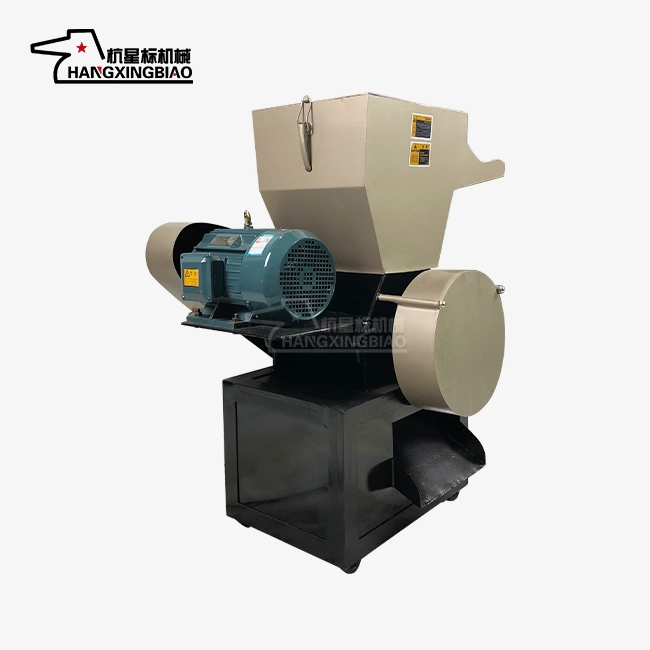
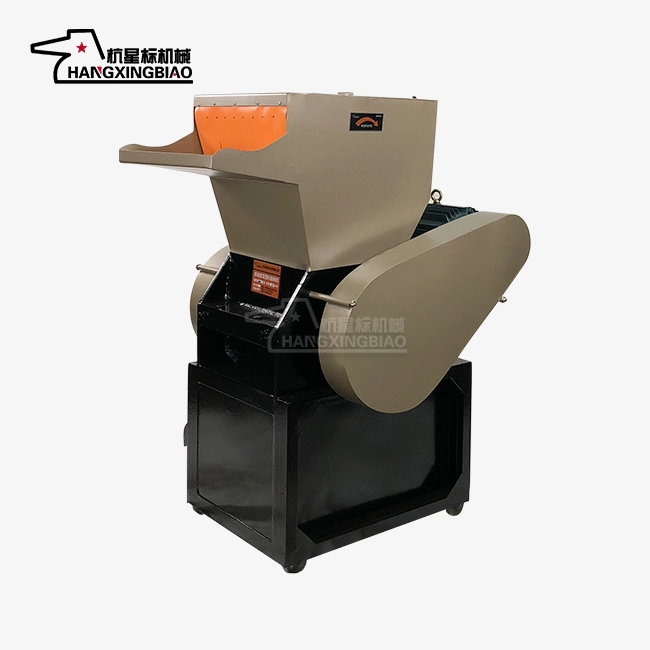
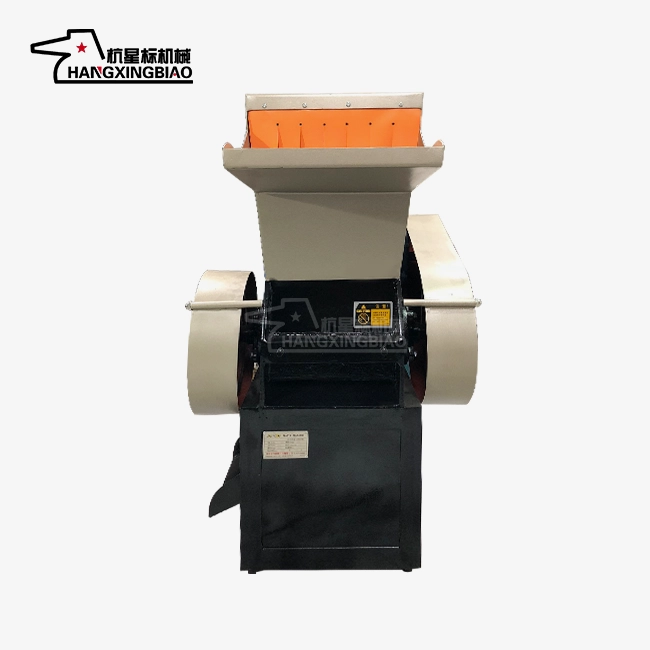
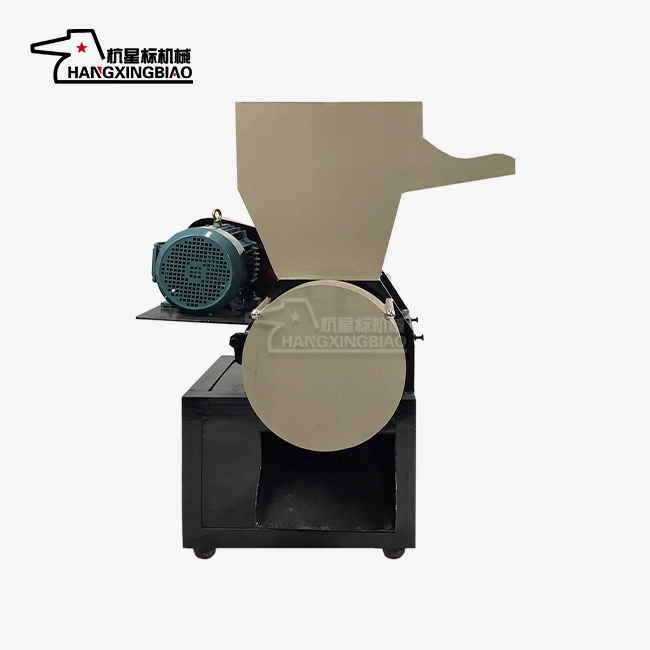
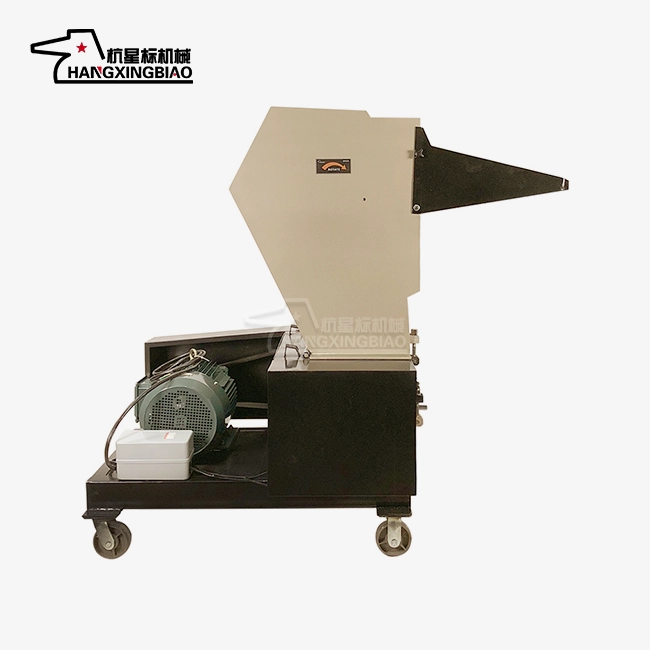
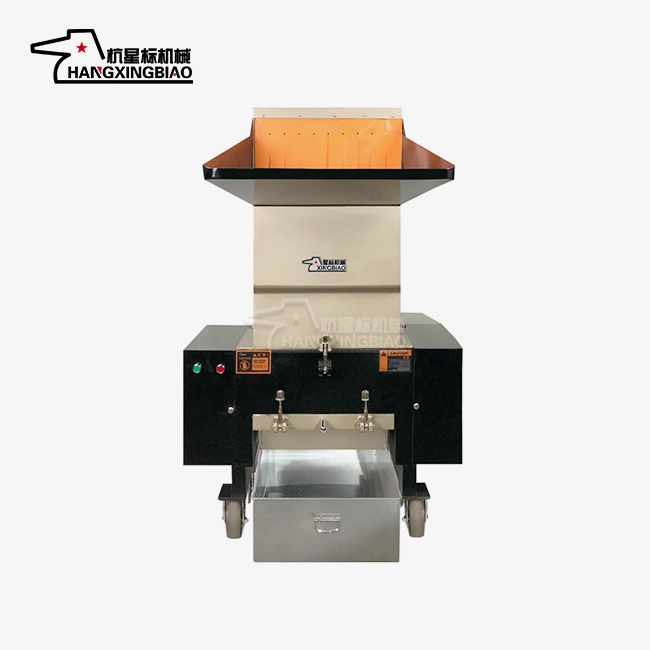
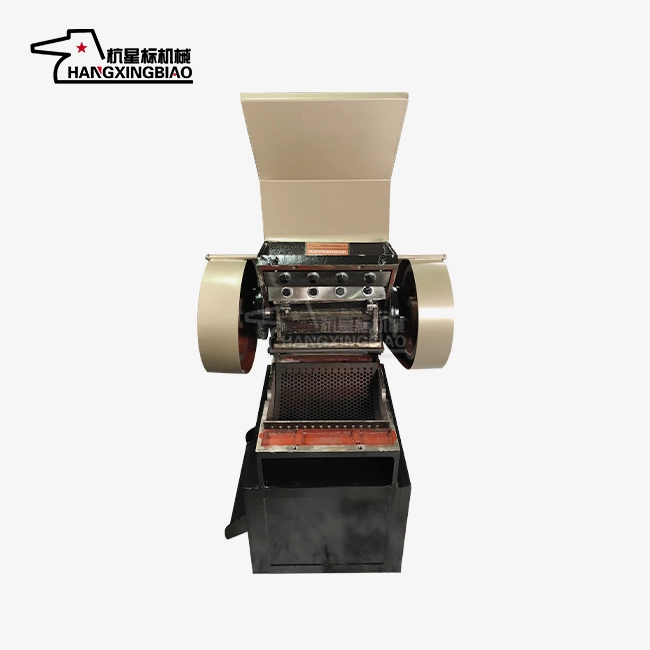
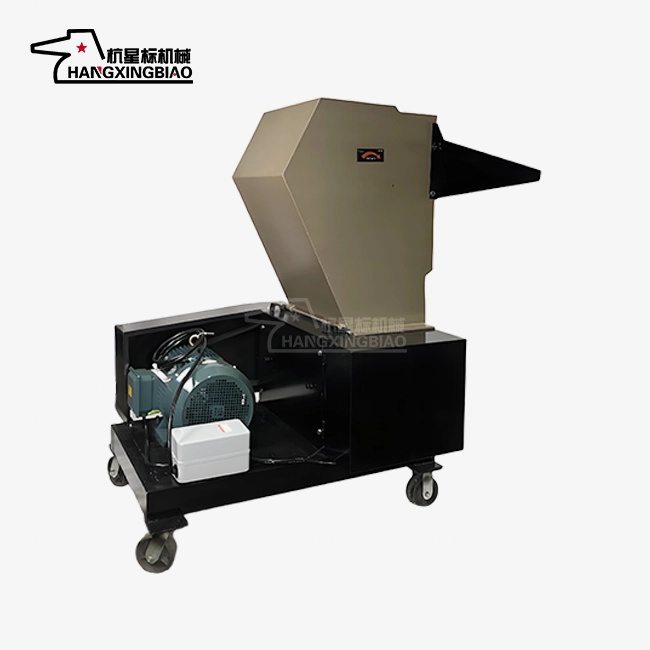
In order to find a dependable Industrial shredder, you must navigate through several supplier channels while keeping quality, price, and service promises in mind. Reputable companies, such as Hangzhou Xingbiao Machinery Co., Ltd., allow you to buy directly from them through their websites and authorised dealers. This way, you can be sure that you are getting real equipment that comes with full guarantees. There are more ways to compare prices, such as on industrial machinery sites, specialised recycling equipment sellers, and business-to-business (B2B) platforms. Direct manufacturer engagement usually offers better customisation, technical support, and long-term parts availability than third-party resellers do. This is why factories looking for reliable ways to cut down on waste choose this method.
Understanding Your Factory's Shredding Needs
Before making a purchase, you should think about what your factory needs in terms of waste processing. This basic analysis stops expensive mismatches between what the equipment can do and what it needs to do its job, which saves time and money.
Material Types and Volume Assessment
Different kinds of things need different ways to break them. Plastic factories that make injection-moulded scrap, pipes, and profiles need machines that can work with rigid materials and consistently output sizes between 2 and 8 mm so that they can mix them with new materials. Recycling centers that deal with a variety of trash, like cardboard boxes, plastic bottles, and plastic film for packing, need flexible equipment that can give 2 to 20 mm pieces that can be moved and sorted further. In agriculture, breaking down maize stalks and feed materials into 2–5 mm coarse bits requires tools that can handle getting tangled up with fibrous materials. Accurately tracking the amount of trash you produce every day can help you figure out how much output you need, which is usually between 100 kg/hour and 2,000 kg/hour for big industrial facilities.
Durability Requirements for Continuous Operation
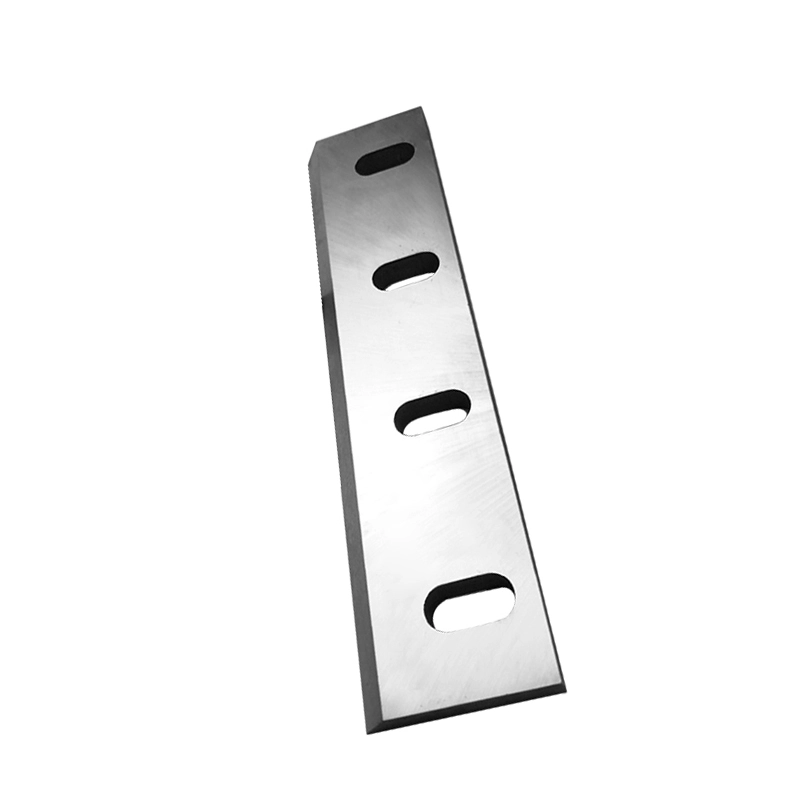
Shredding machines experience a lot of stress when they have a lot of work to do. In factories with more than one shift, machines need to be made from high-strength steel plates that have been treated with stress relief to keep them from deforming over time. The blade material has a direct effect on how long it lasts and how often it needs to be maintained. Premium cutting systems that use SKD-11, D2 tool steel, or Cr12MoV special alloys go through vacuum heat treatment and cryogenic processing to get the hardness levels of HRC 55 to 60. These high-tech blades can work with normal plastics for 3,000 to 5,000 hours and can be cleaned three to five times, which cuts the cost of replacement by about 60% compared to regular blades. This durability issue becomes critical when working with rough materials or in environments where continuous production is the norm and downtime directly affects revenue.
Energy Efficiency and Performance Metrics
The costs of running a business go far beyond the initial investment in tools. The cost of energy use is a high ongoing cost, especially in processing plants that do a lot of work. When compared to older models, modern cutting systems use 10-15% less energy because their motor and gearbox designs are better and only need 8-12 kWh per tonne of processed plastic. For medium to big businesses, this level of productivity saves them thousands of dollars a year. The speed of throughput, the consistency of particle size, and the amount of noise also affect operational efficiency. Workers should be comfortable in industrial settings if the equipment they use can process materials quickly while keeping output uniform.
Comparing Industrial Shredders: Finding the Best Fit for Your Factory
There are many shredding technologies on the market, and each one is best for a certain type of material or application. When you know these differences, you can find processing tools that really meet your needs.
Crusher Types and Their Applications
Single-shaft shredders are particularly effective for handling big things like big plastic parts because they have a lot of power and can control how much material goes through them. Dual-shaft configurations are flexible for mixed trash streams because they use blades that rotate anticlockwise to easily grab and tear materials. Standard crushers are good for a wide range of tasks because they can handle everything from hard plastics to softer films pretty well. Specialised, high-power crushers are built right next to injection moulding machines so that sprue material and runners can be recycled quietly while the machines are in use. Granulators make smaller particles that can be mixed directly with other materials, and heavy-duty types can handle tough materials like tyres and trash cans, which have both hard and flexible parts.
Choosing the right type of Industrial shredder depends on the properties of your material and the output you want. For films, woven bags, and fabrics made of soft plastics, the blades need to have special shapes that keep the material from rolling around the cutting elements. Cutting curves that are sharp and strong are good for rigid materials like plastic, wood, and rubber. Large-diameter crushers can handle parts that are too big, while compact units can fit next to current production lines and take up less floor room.
Evaluating Brand Reputation and Reliability
How long equipment lasts depends a lot on how well it was made and how well it was designed. Companies that have been specialising in crushing technology for a long time usually have better engineering than companies that make a lot of different kinds of machinery. Hangzhou Xingbiao Machinery Co., Ltd. is a good example of this focused method because they have been researching, developing, and making plastic crushers for thirty years straight. This specialisation lets blade designs, cavity shapes, and structural parts keep getting better based on a lot of field data and comments from customers.
Research and development skills show how committed a company is to coming up with new ideas and making products better. Companies that keep engineering teams and form relationships between businesses and universities show that they have technical knowledge that goes beyond simple manufacturing. Working with big companies in the food, drink, and consumer goods industries verifies how well equipment works in the tough conditions of the real world. Because of these partnerships, designs are improved in ways that solve problems that come up in high-volume production settings.
Where to Buy a Durable Industrial Shredder: Supplier and Manufacturer Insights?
The buying method you choose has a big effect on prices, customisation choices, and the quality of ongoing support. Different methods to sourcing have different benefits, based on your needs and the way your business works.
Direct Manufacturer Engagement Benefits
There are a number of strategic benefits to buying directly from equipment manufacturers instead of going through distributors. You get access to technical experts who know exactly what the equipment can do. This lets you perfectly match your working needs to the machine's specs. Direct relationships make it easier to customise standard models to fit specific operational needs, such as changing the size of the hopper, making the blades fit a certain way, or adding features for automated production lines. Manufacturers keep a lot of extra parts on hand and offer fitting help, operator training, and quick technical support for as long as the equipment lasts.
Hangzhou Xingbiao Machinery Co., Ltd. has a wide range of products, including large-diameter crushers for large plastic parts, high-power units for reusing multiple injection moulds at the same time, standard models for general use, and special solutions for difficult materials. This variety makes sure that the right tools can be chosen for each factory's needs without sacrificing quality or specialisation. Direct contact with the maker also speeds up warranty claims and technical troubleshooting by cutting out the delays that come with going through a distributor.
Authorized Distributors and Regional Support
For companies that want to work with local businesses, authorised distributors offer helpful regional support while keeping the quality guarantees backed by the maker. Trustworthy distributors keep common spare parts in stock, which cuts down on the time it takes to get replacement parts and maintenance supplies. A lot of the time, they offer installation services, hands-on training, and regular maintenance plans that are made to fit the needs of the local market and business practices. Checking the distributor's authorisation keeps you safe from fake parts and makes sure the guarantee is valid, which are both very important for protecting expensive capital equipment investments.
For distributor qualifications, you need to look at how long they've been in the business, any maker certifications they have, and customer references they can give you. Long-term ties between established distributors and producers show that business practices are stable and supply lines are reliable. Their technical staff should know a lot about the tools and be able to help quickly, just like if you were working directly with the maker.

Practical Considerations for Purchasing and Installing an Industrial Shredder
In addition to choosing the right equipment, implementation also needs careful planning of finances, logistics for installation, and ongoing operational support. These practical factors have a big effect on the long-term satisfaction and total cost of ownership.
Transparent Pricing and Value Assessment
Prices for shredders vary a lot depending on their capacity, quality of construction, level of technology, and reputation of the brand. Entry-level units for small businesses start at a few thousand dollars, while heavy-duty industrial systems cost more than $50,000, based on how much throughput they need and how complicated the customisations need to be. When you think about how long something will last, how much energy it uses, and how often it needs to be maintained, the cheapest option is rarely the best deal. Higher initial investment is justified by lower downtime, lower operating costs, and longer replacement intervals for equipment that performs consistently over years of tough service.
To make accurate comparisons between providers, you should ask for thorough quotes that list the features of the equipment, the terms of the warranty, the help with installation, and the training that is included. Total ownership costs can go up a lot if there are hidden costs like special electricity needs, base preparations, or replacement parts that are only available from a certain company. By making these points clear during the initial talks, bad shocks can be avoided during implementation and operation.
Professional Installation and Training Programs
Installing equipment correctly has a direct effect on operational safety, consistency of performance, and the longevity of the machine. Expert installation services make sure that the electrical connections are correct, that the equipment is mounted securely so that shaking and noise are kept to a minimum, and that it is placed in the best way for production processes. As part of equipment purchase deals, many makers offer installation help or testing on-site. This helps make sure that tools work the way they were supposed to before they take over full production duties.
Full training for operators cuts down on the misuse of equipment, which leads to accidents and early wear and tear. Feeding methods, upkeep steps, common problem-solving techniques, and emergency shutdown routines are all covered in good programs. When employees are well-trained, they can spot problems before they get too bad. This lets them take preventative steps that save money on repairs and keep production going. As equipment gets older and staff members leave, regular maintenance refresher sessions and technical updates help keep best practices in place.
After-Sales Support and Parts Availability
Long-term equipment reliability depends on having quick access to new parts and helpful expert support. When a manufacturer says they will answer customer questions within 24 hours, it shows that they want to keep working with them after the sale. Follow-up calls on a regular basis find operating problems before they become big failures, and proactive repair planning extends the life of equipment. Having enough spare parts on hand keeps output from stopping for long periods of time while important parts are being sourced. This is especially true for wear items like blades, screens, and bearings.
Looking at the infrastructure for manufacturer support shows how well it can provide the services that were promised. Long-term, companies with specialised service teams, complete parts catalogues, and fast logistics networks are more valuable than suppliers who don't have these things. Customer testimonials and industry references can tell you more about the quality of support than what the ads say.
Ensuring Safety and Maintenance for Long-Term Durability
Following safety rules and maintenance schedules religiously is necessary to keep people safe and keep equipment working. These operational standards make the most of the money you spend on tools while reducing your risk.
Mandatory Safety Standards and Operating Protocols
Without the right safety features and operating instructions, Industrial shredders can be very dangerous. Fully enclosed designs made of thick steel plates keep moving objects inside and lower noise levels in work areas. Anti-rebound baffles stop material from flying at operators, and safety shields keep people from getting to moving parts while the machine is running. Modern models have interlock systems that turn off the power automatically when access panels are opened. This keeps people from getting hurt while repairs or fixes are being done.
Operator training should stress being aware of dangers and safe feeding methods that keep tools and hands away from bin holes. Setting up lockout/tagout processes for maintenance tasks stops equipment from starting up by mistake while work is being done. Regular safety checks find growing dangers like worn guards, broken electrical parts, or emergency stops that don't work right before they cause an accident.
Preventive Maintenance Routines
Systematic maintenance makes equipment last longer and stops it from breaking down at the worst possible time, which can throw off production schedules. Every day, checks are done to make sure that the blades, screens, and oil levels are all in good shape before activities begin. Cleaning once a week gets rid of the buildup of dirt that slows down the flow of materials and speeds up the wear on parts. Every month, the electrical links, belt tension, and bearing state are checked for signs of damage that need to be fixed.
Sharpening or replacing blades at regular intervals keeps them cutting efficiently and keeps the motor from being overloaded. Manufacturers give suggested repair plans based on normal working conditions, but the real needs depend on the materials that are handled and how much they are used. Monitoring the quality of the output and the amount of power used can help you spot performance problems that need to be fixed. Detailed service records keep track of repairs and new parts, giving you a starting point for planning and fixing problems in the future.
Conclusion
FAQ
How do I determine the right shredder capacity for my factory?
Determine your minimum throughput needs by assessing your daily trash production and desired processing times. To handle changes in production without causing a backlog, leave a 20–30% capacity buffer above normal amounts. The type of material also affects the amount of space needed. For example, thick hard plastics process faster than soft tangled films with the same machine rates.
Can industrial shredders handle multiple material types?
Quality shredders can handle a wide range of plastics, rubber, wood, and fibres, as long as the pieces are the right size. Specialised setups improve performance for difficult materials, such as films that tend to wrap or large items that need aggressive cutting. Talking to makers about your specific mix of materials will help you choose the right tools.
What warranty and support should I expect from reputable suppliers?
Standard warranties cover flaws in the manufacturing process for 12 to 24 months. Some high-end manufacturers offer longer coverage on important parts. Full support includes help with installation, training for operators, quick technical help, and a steady supply of spare parts for the whole life of the equipment. Before signing a purchase deal, make sure you understand the warranty terms and help promises.
Partner with Xingbiao for Reliable Shredding Solutions
Xingbiao is ready to turn the problems your business is having with processing trash into working benefits. Industrial shredder systems that consistently perform better than expected in various applications are the result of our three decades of focused expertise in plastic crushing technology. Our engineering team creates solutions that are exactly what you need, whether you're dealing with injection moulding scrap, bulk recycling materials, or specialised trash streams.
Email our experts at xingbiaocrusher@xingbiaocrusher.com to discuss your shredding needs and get full quotes that are specific to your business. As a dedicated Industrial shredder manufacturer, we offer full support, from the initial consultation to installation, training, and ongoing technical support. Find out how our advanced blade technology, energy-saving designs, and strong construction make processing more efficient and lower the cost of moving materials. You can see all of our products at www.xingbiaocrusher.com and get in touch with a supplier who cares about your long-term success.
References
1. Anderson, M. (2023). Industrial Waste Processing Equipment: Selection and Implementation Strategies. Manufacturing Technology Press.
2. Chen, L., & Roberts, P. (2024). "Advances in Plastic Recycling Machinery: Engineering Innovations for Enhanced Durability." Journal of Industrial Equipment Design, 47(2), 112-128.
3. Industrial Shredder Manufacturers Association. (2024). Equipment Selection Guide for Waste Management Facilities. ISMA Technical Publications.
4. Martinez, J. (2023). "Energy Efficiency in Size Reduction Equipment: Comparative Analysis of Modern Shredding Technologies." Recycling Industry Quarterly, 31(4), 78-95.
5. Thompson, R., & Wu, Y. (2024). Maintenance Best Practices for Industrial Processing Equipment. Equipment Reliability Institute.
6. United States Environmental Protection Agency. (2023). Industrial Waste Reduction Technologies: Performance and Safety Standards. EPA Office of Resource Conservation.
Learn about our latest products and discounts through SMS or email